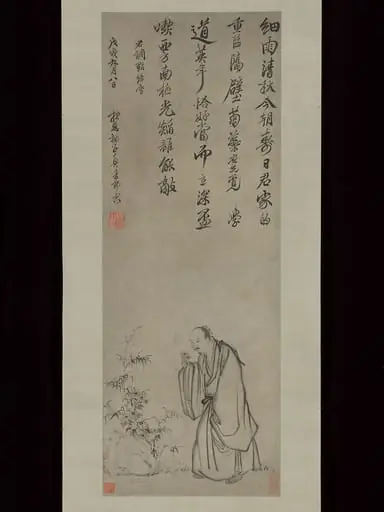
Artwork
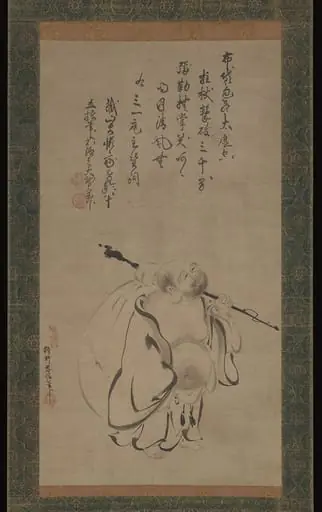
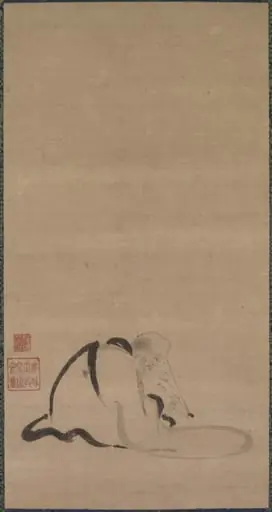
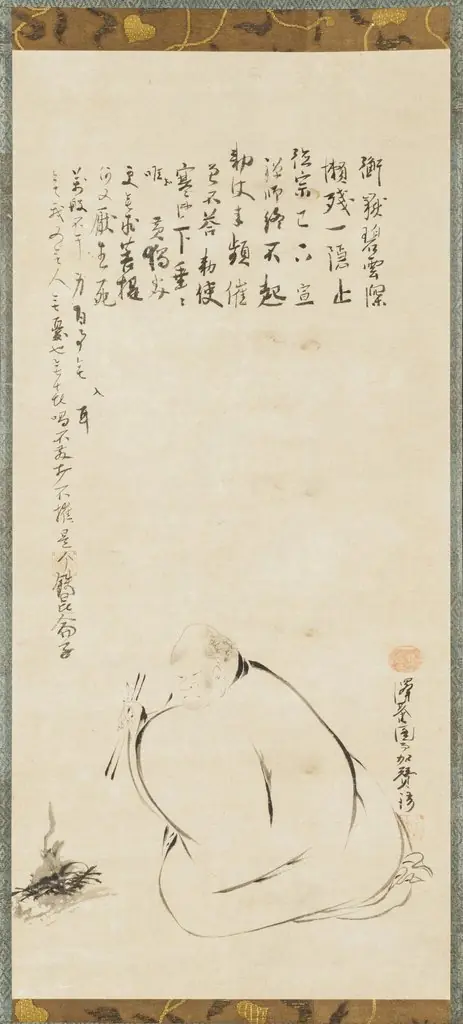
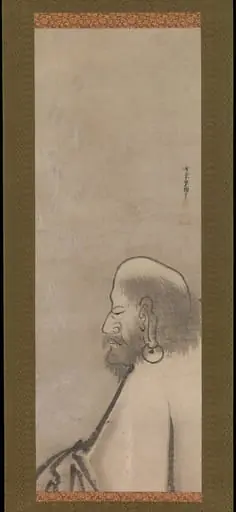
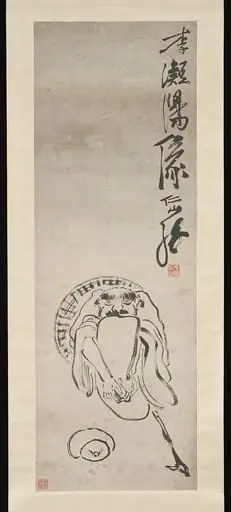
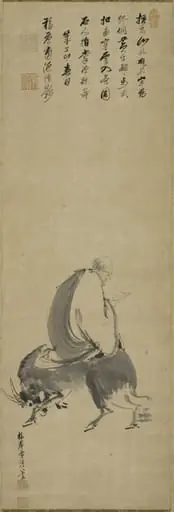
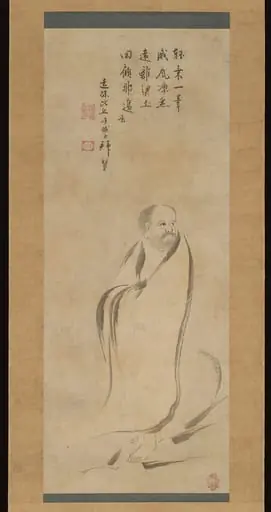
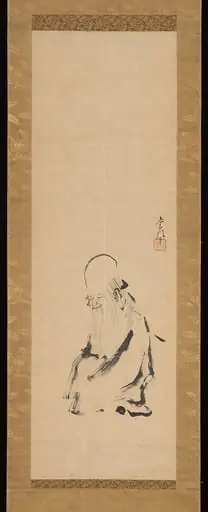
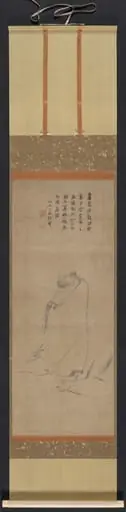
Figure of Daruma
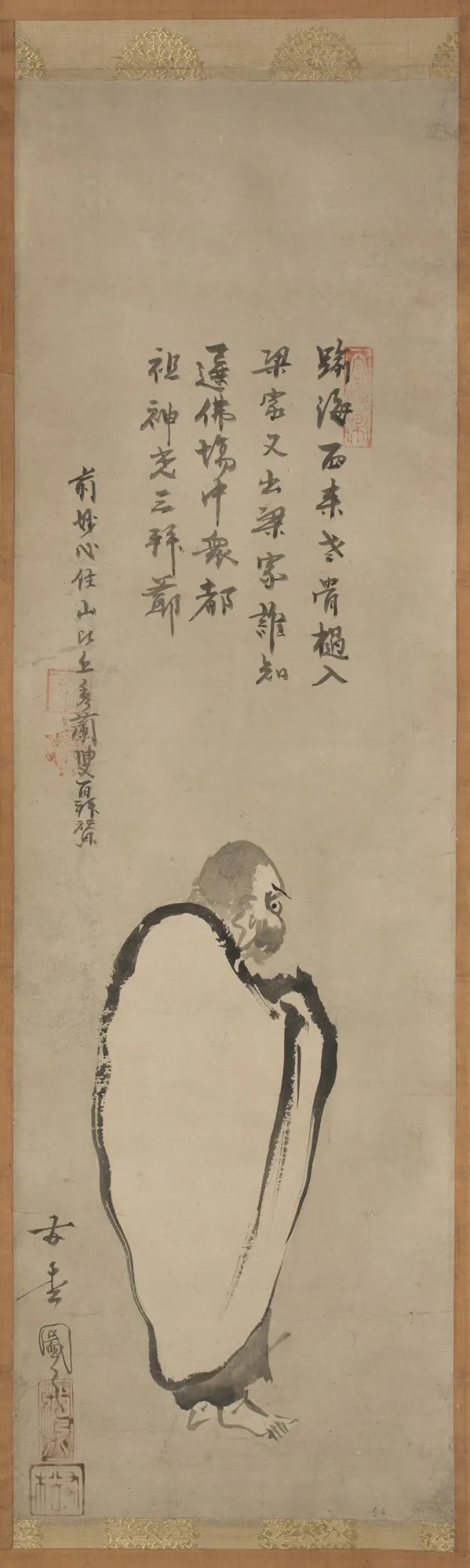
Figure of Daruma is an unspecified painting by Kaihō Yūshō. It dates from 1533 and is held in the collection of the Detroit Institute of Arts.
About this work
Overview
Created in 1533 by the Japanese painter Kaihō Yūshō, this work portrays the figure of Daruma, a legendary Zen patriarch. The piece is part of the Detroit Institute of Arts’ holdings and exemplifies portraiture from the late Azuchi‑Momoyama period.
Subject & Meaning
The image presents a round‑faced monk with a slender beard, dressed in a traditional robe and clasping his hands before his chest. His calm, inward‑looking gaze and composed demeanor evoke the meditative focus associated with Daruma, reflecting Zen ideals of introspection and enlightenment.
Technique & Style
Yūshō employs confident brushwork and a limited palette, allowing the figure to emerge against a muted background. The contrast between bold strokes and subtle coloration highlights the subject’s features while maintaining a restrained, contemplative atmosphere typical of Japanese portraiture of the era.
History & Provenance
Born in Ōmi Province as the fifth son of Kaihō Tsunachika, a retainer of Azai Nagamasa, Yūshō was active during the Azuchi‑Momoyama period. The painting eventually entered the collection of the Detroit Institute of Arts, where it remains on display.
Context
During the mid‑16th century, Japanese artists often depicted Buddhist figures to convey spiritual themes. This portrait aligns with contemporary practices of rendering religious icons in a humanized, approachable manner, bridging devotional purpose with artistic expression.
Artist & collection
Artist
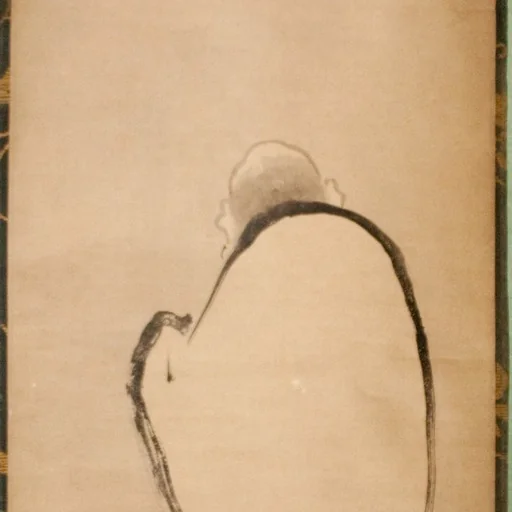
Kaihō Yūshō (海北 友松; 1533–1615); real name: Kaiho Shōeki, "brush name": Yusho (alternative names: Josetsusai, Yūkeisai, Yūtoku), was a Japanese painter of the Azuchi–Momoyama period.