Artwork
Die Alte Gemäldegalerie im Schinkel Museum
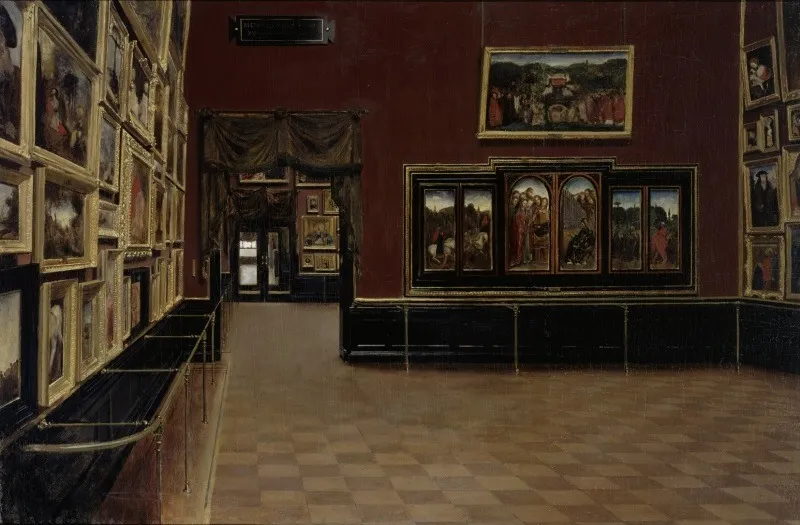
Die Alte Gemäldegalerie im Schinkel Museum is an oil painting by Karl Bennewitz von Loefen der Jüngere. It dates from 1903 and is held in the collection of the Alte Nationalgalerie.
About this work
Overview
Painted around 1903 by Karl Bennewitz von Loefen der Jüngere, this oil work portrays the interior of the Alte Gemäldegalerie in Berlin’s Schinkel Museum.
Painted around 1903 by Karl Bennewitz von Loefen der Jüngere, this oil work portrays the interior of the Alte Gemäldegalerie in Berlin’s Schinkel Museum. The scene captures a densely arranged gallery space, with paintings hung in multiple rows along deep red walls and displayed on a central table. The composition reflects the museum’s practice of densely packing artworks, a common curatorial approach of the era.
Subject & Meaning
The painting serves as a documentary record of the gallery’s collection layout, emphasizing the institutional presentation of art rather than a single narrative. By depicting a variety of framed works—portraits, landscapes, and other styles—it underscores the museum’s role as a repository of artistic heritage. The absence of figures suggests a quiet, contemplative atmosphere, inviting the viewer to consider the artworks themselves.
Technique & Style
Bennewitz employs chiaroscuro to model the architectural space and the surfaces of the paintings, creating a tangible sense of volume and spatial depth. The interplay of light across the red walls and checkered floor enhances the three-dimensionality of the scene. Brushwork is precise yet unobtrusive, prioritizing clarity and atmospheric realism over expressive flourish, aligning with academic traditions of the time.
History & Provenance
The painting has remained in the collection of the Gemäldegalerie Berlin since its creation. It was likely commissioned or created to document the gallery’s arrangement prior to potential reorganization. Its continued presence in the institution reflects its value as both an artwork and a historical record of the museum’s physical and curatorial evolution.
Context
In the early 20th century, European museums often displayed paintings in dense, salon-style arrangements, maximizing visibility of their holdings. This painting captures that convention before the modernist shift toward minimalist curation. Bennewitz’s work thus offers insight into the institutional culture of art display, where quantity and accessibility were prioritized over spatial breathing room.
Legacy
Though not widely exhibited outside its home institution, the painting endures as a quiet testament to the historical practices of art curation. It provides scholars with a visual reference for how collections were organized and perceived in pre-war Germany, preserving the material context of artworks now displayed differently across museums.
Artist & collection
Artist
Karl Bennewitz von Loefen der Jüngere
Karl Bennewitz von Loefen der Jüngere (1856–1931) was an artist, born in Berlin.

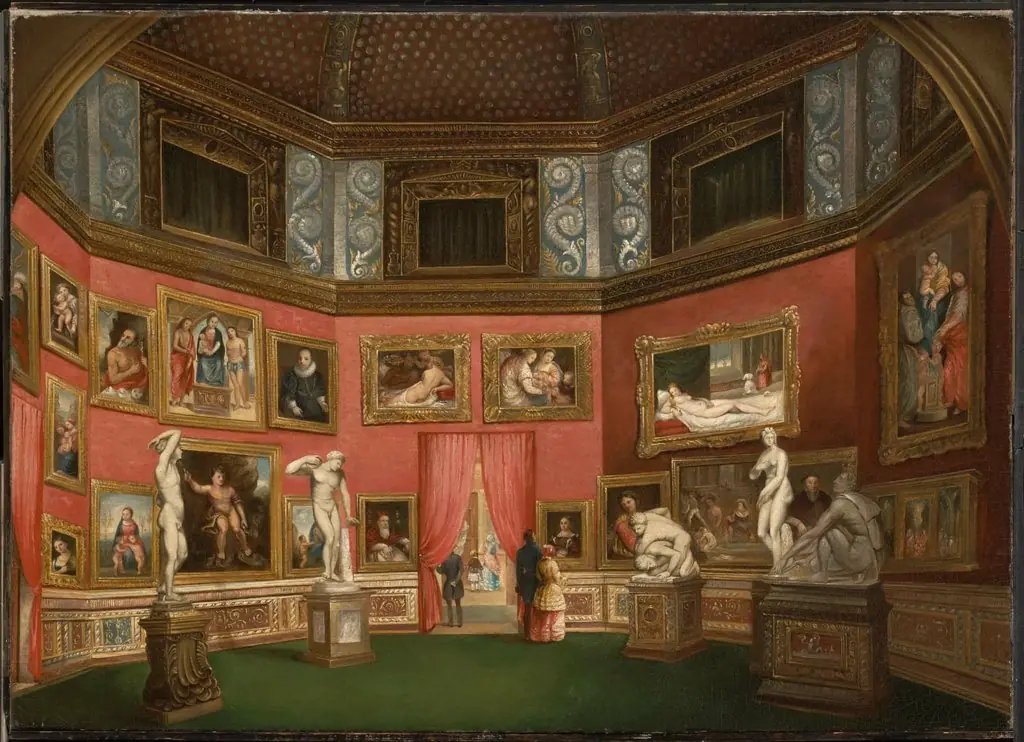 The Tribuna of the Uffizi
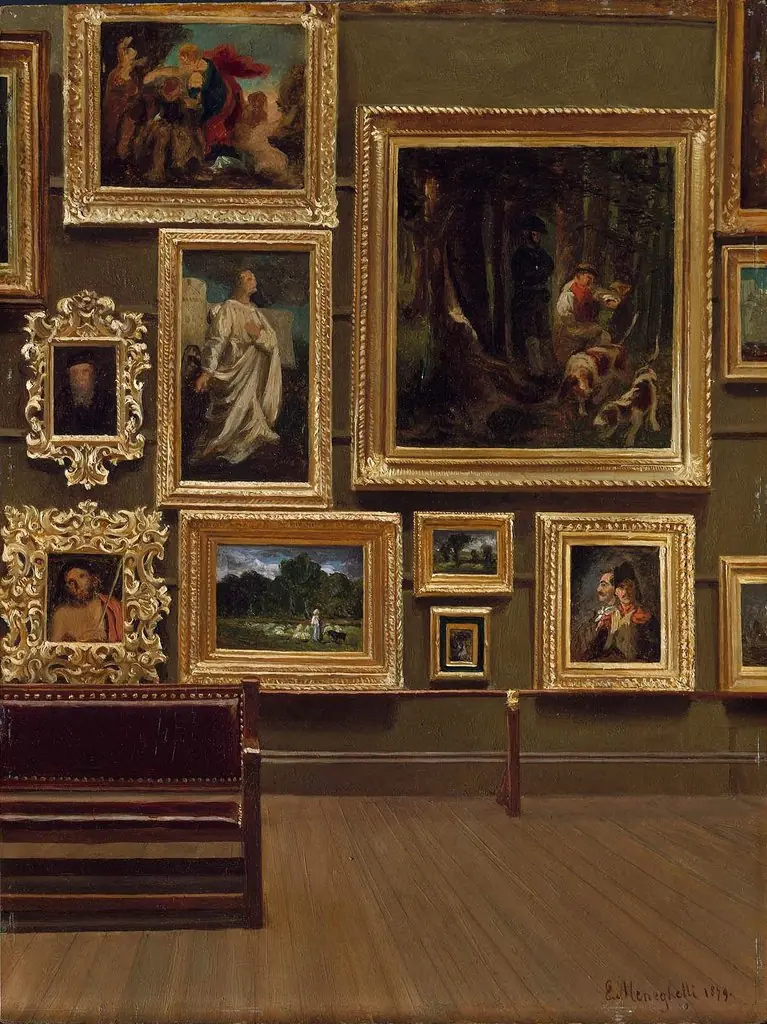 The Picture Gallery in the Old Museum
 The Cabinet of an Art Lover
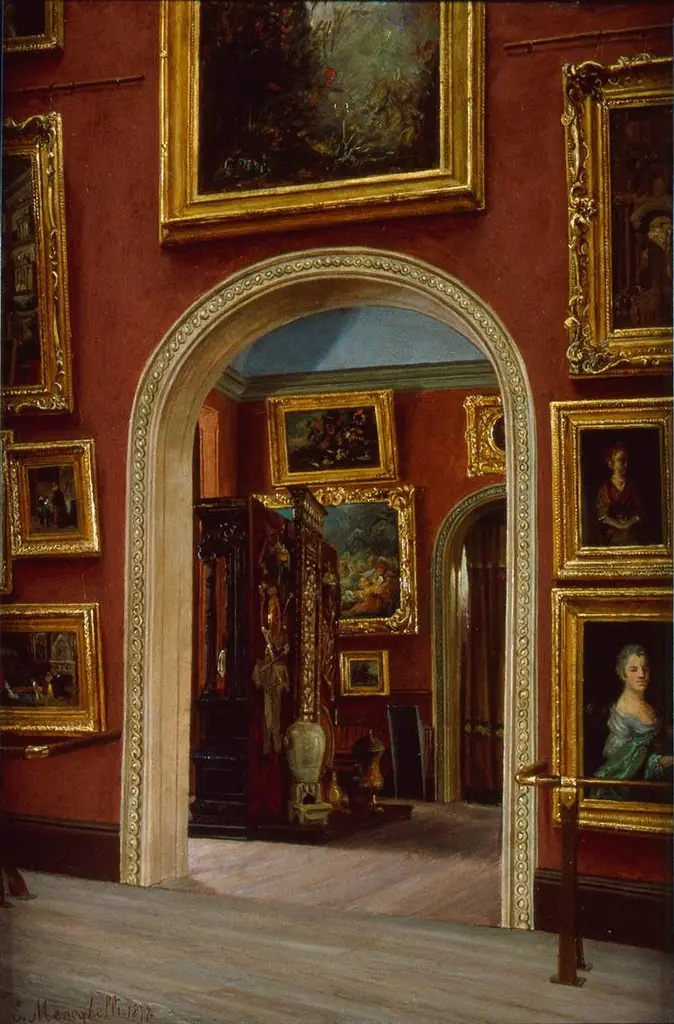 View of a Gallery in the Museum of Fine Arts, Copley Square
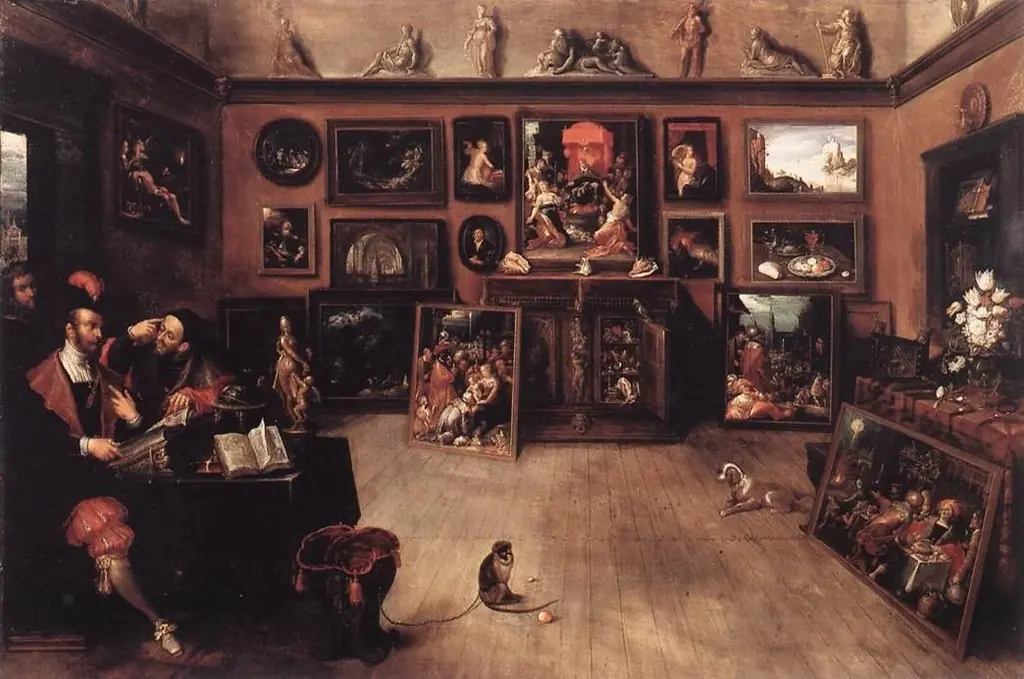 An Antique Dealer's Gallery
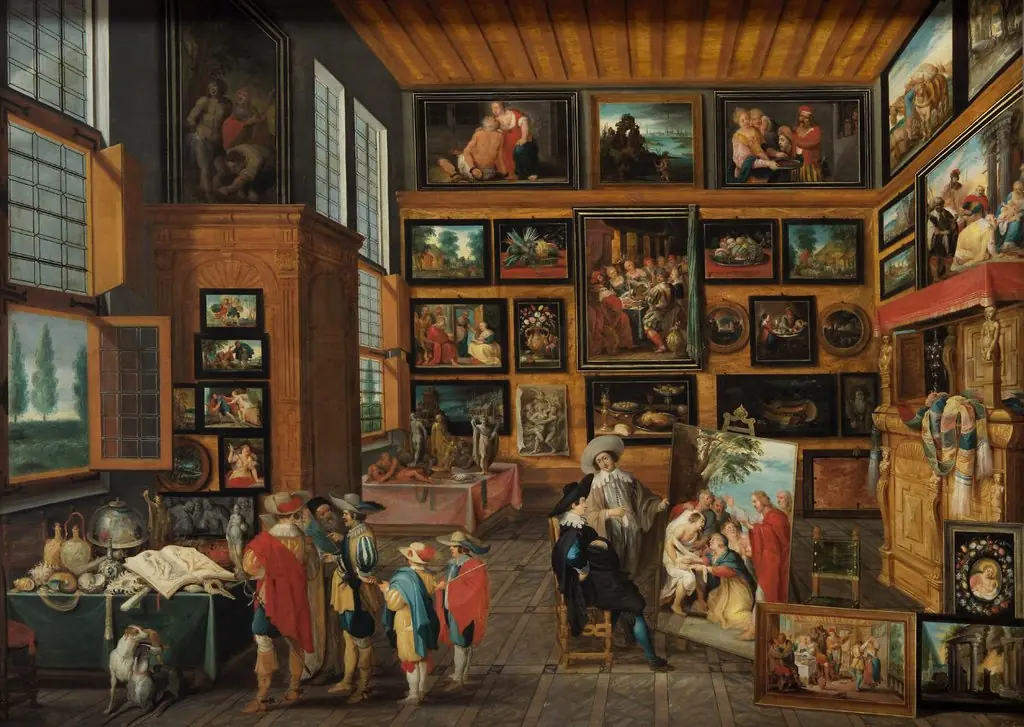 Art and Rarity Cabinet
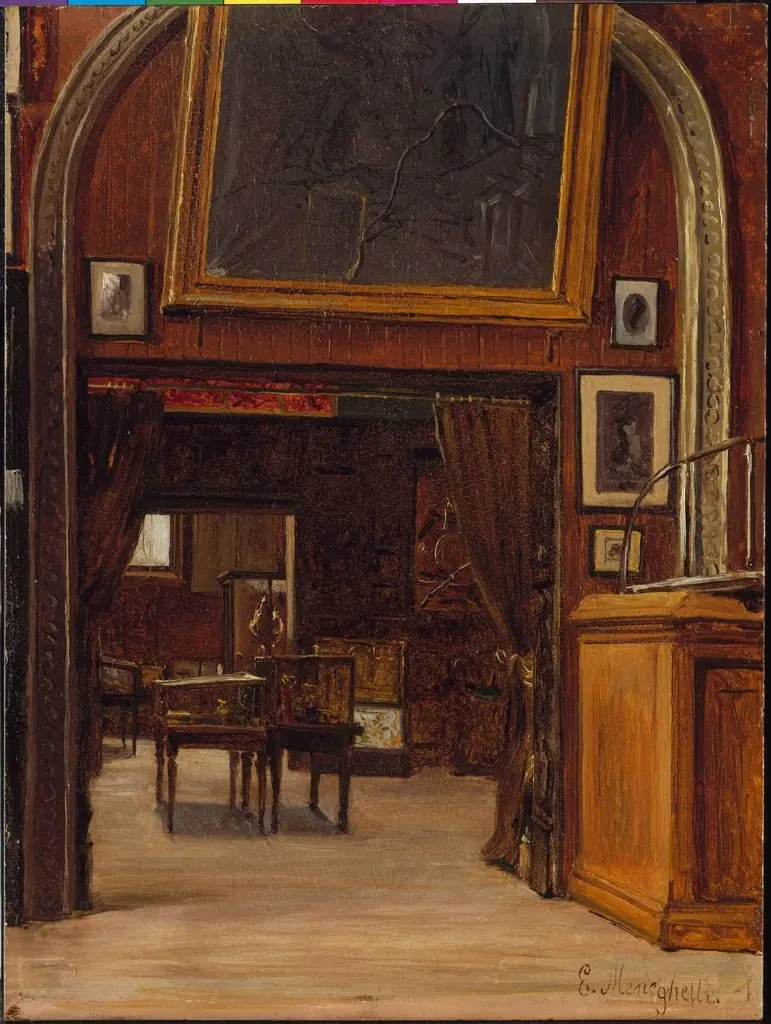 A Gallery in the Old Museum
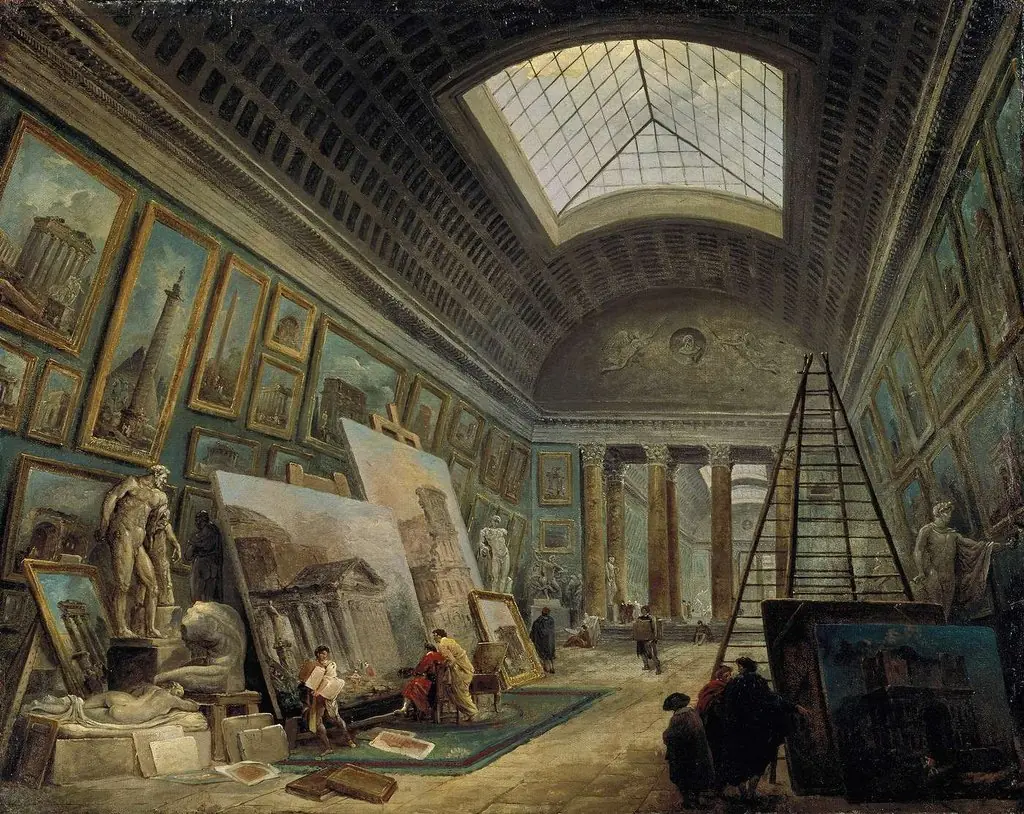 Imaginary View of the Grande Galerie in the Louvre
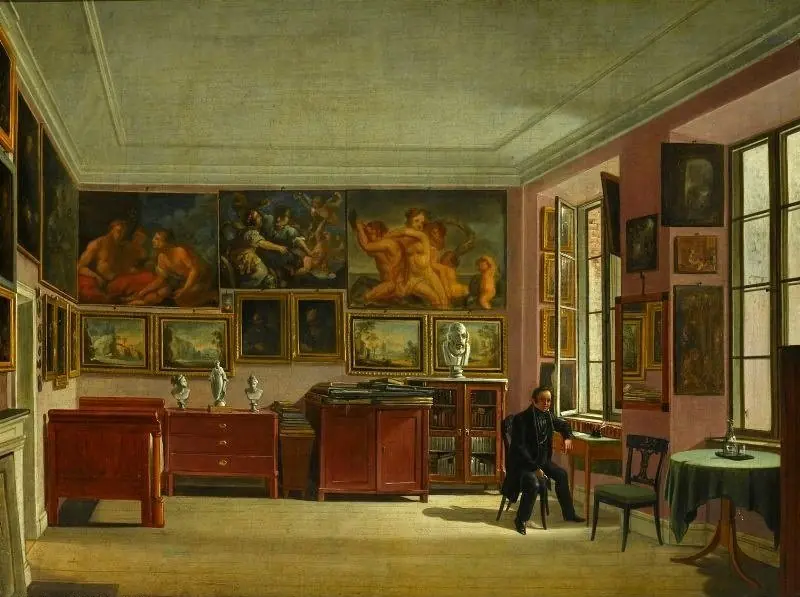 Self-portrait in a room
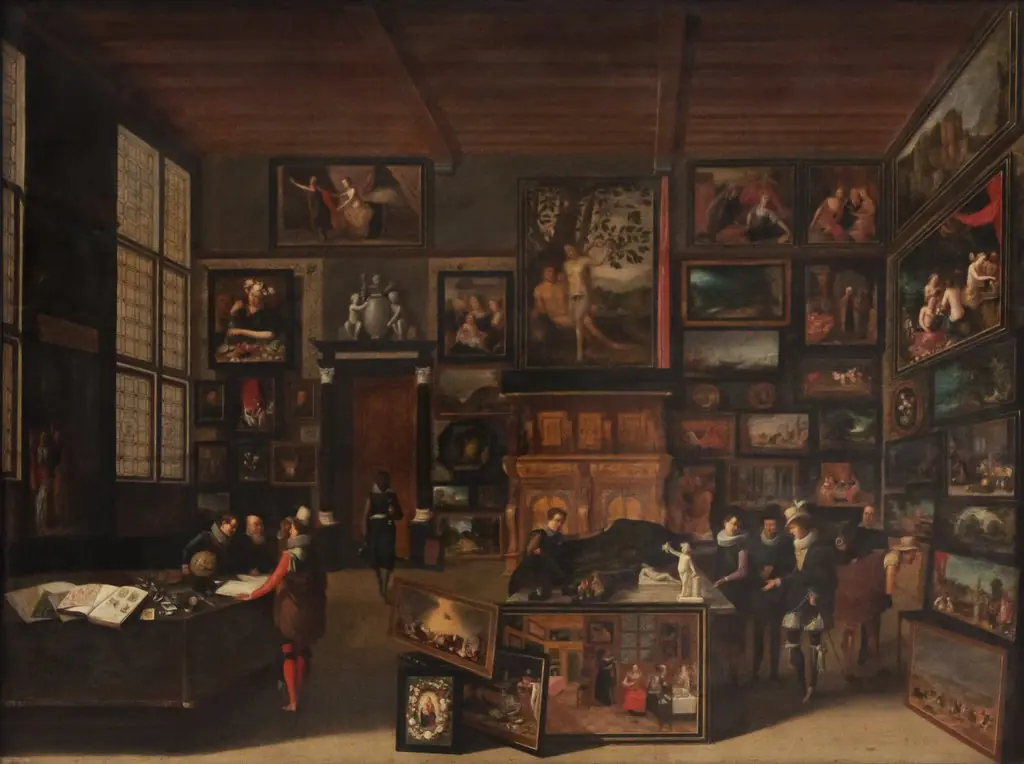 The Art Gallery of Jan Snellinck
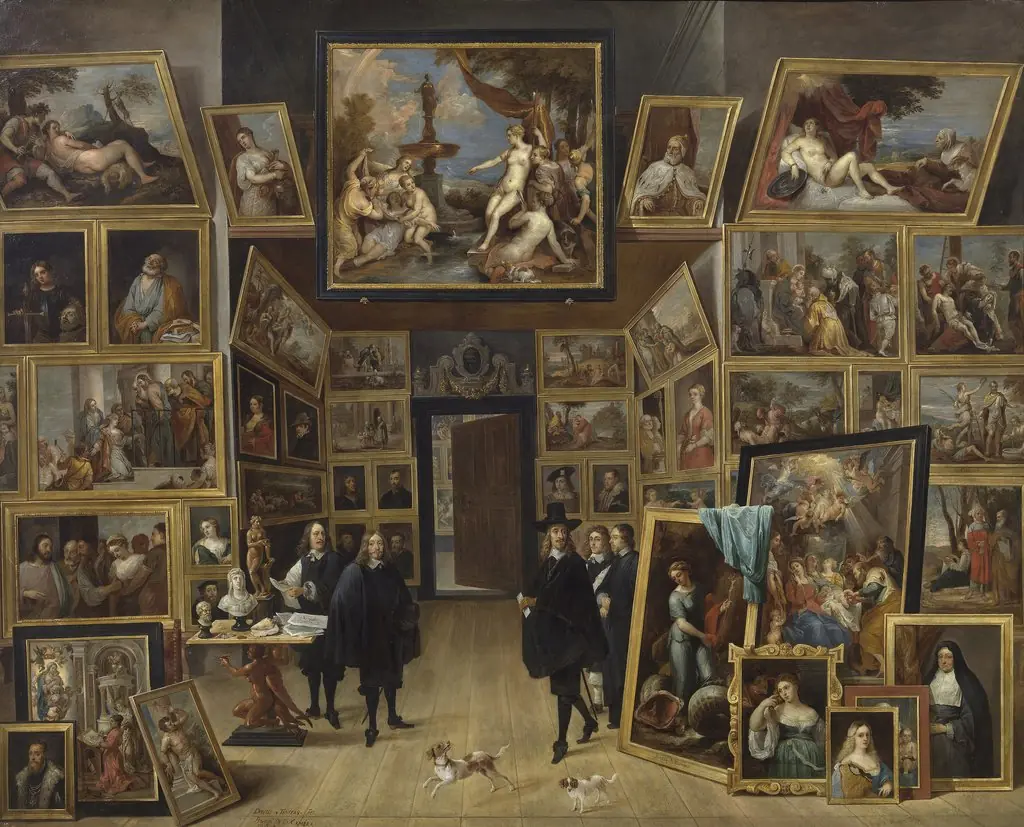 Archduke Leopold Wilhelm in his Gallery
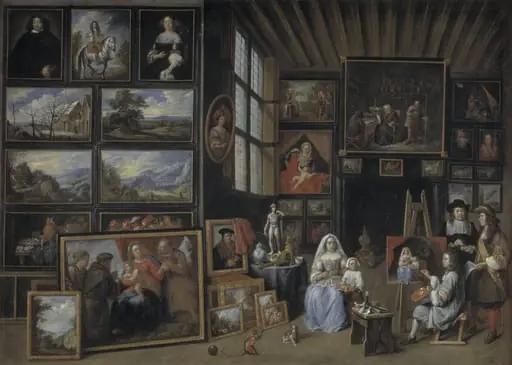 A Picture Gallery with an Artist Painting a Woman and a Girl. Allegory of the Art of Painting