Artwork
Painting Party
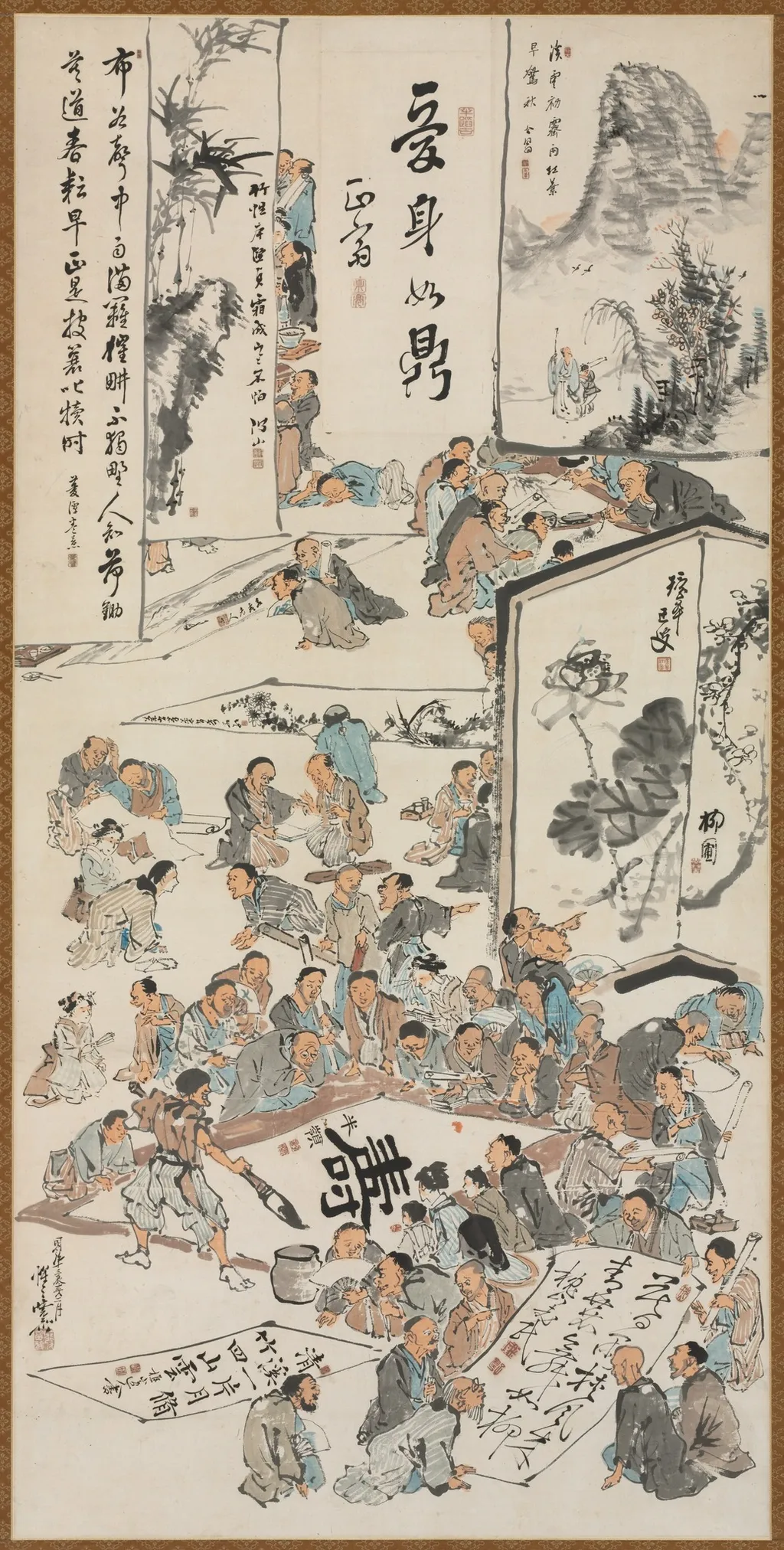
Painting Party is an unspecified painting by the Ukiyo-e artist Kawanabe Kyōsai 河鍋暁斎. It is held in the collection of the Cleveland Museum of Art.
About this work
Overview
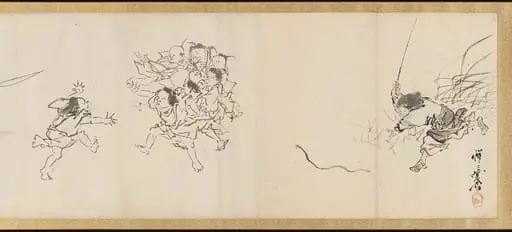
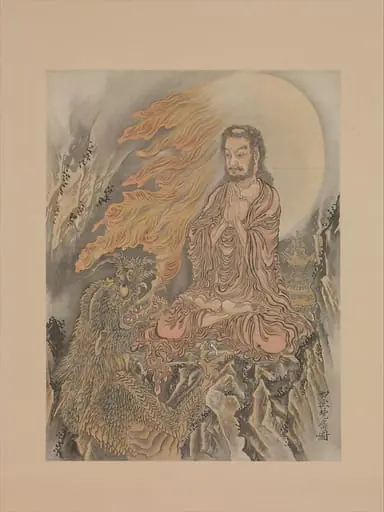
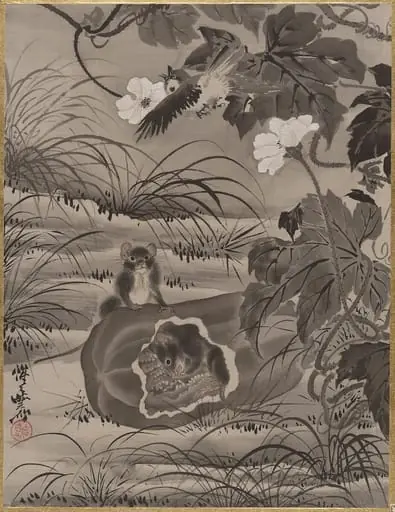
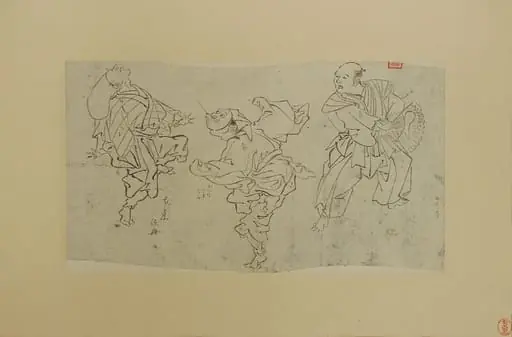
Created in 1890 by Kawanabe Kyōsai, *Painting Party* is an ink-and-color composition that belongs to the late ukiyo‑e tradition. The work is part of the Cleveland Museum of Art’s collection and exemplifies the artist’s blend of classical Japanese painting with a more playful, observational approach to everyday life.
Subject & Meaning
The scene presents a bustling interior where numerous figures engage in varied activities: some converse at tables, others recline reading or resting, while a few play instruments or display scrolls. The juxtaposition of relaxed and animated postures suggests a commentary on social interaction and the diversity of human temperament within a communal setting.
Technique & Style
Kyōsai employs swift, sketch‑like brushwork that imparts a sense of immediacy. A restrained palette of black, gray, and light brown dominates, punctuated by occasional blue and green garments. The composition leaves a central void that functions like a stage, directing the viewer’s eye across the crowded tableau while maintaining visual balance.
History & Provenance
Active from the late Edo through the early Meiji era, Kyōsai earned a reputation as one of the final practitioners of traditional Japanese painting techniques. *Painting Party* entered the Cleveland Museum of Art’s holdings in the 20th century, where it has been catalogued as a representative example of his later, socially oriented works.
Context
The painting reflects the broader cultural shift of the Meiji period, when Japanese artists began to incorporate satirical and observational elements into established genres. Kyōsa i’s interest in caricature and character study aligns with contemporary trends that favored a more personal, often humorous, depiction of daily life.
Artist & collection
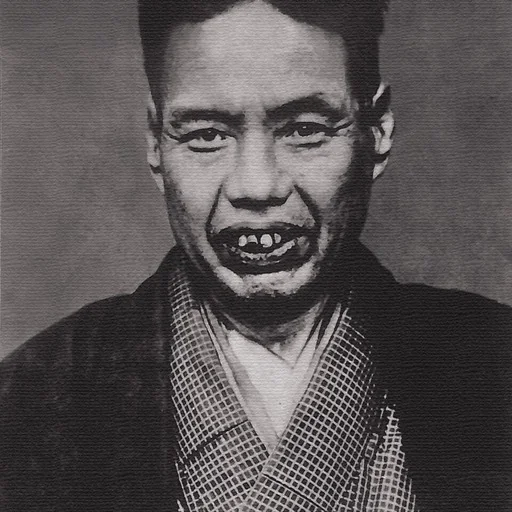
Artist
Kawanabe Kyōsai (河鍋 暁斎; May 18, 1831 – April 26, 1889) was a Japanese painter and caricaturist. In the words of art historian Timothy Clark, "an individualist and an independent, perhaps the last virtuoso in traditional Japanese painting".