Artwork
Yamauba and Kintarō
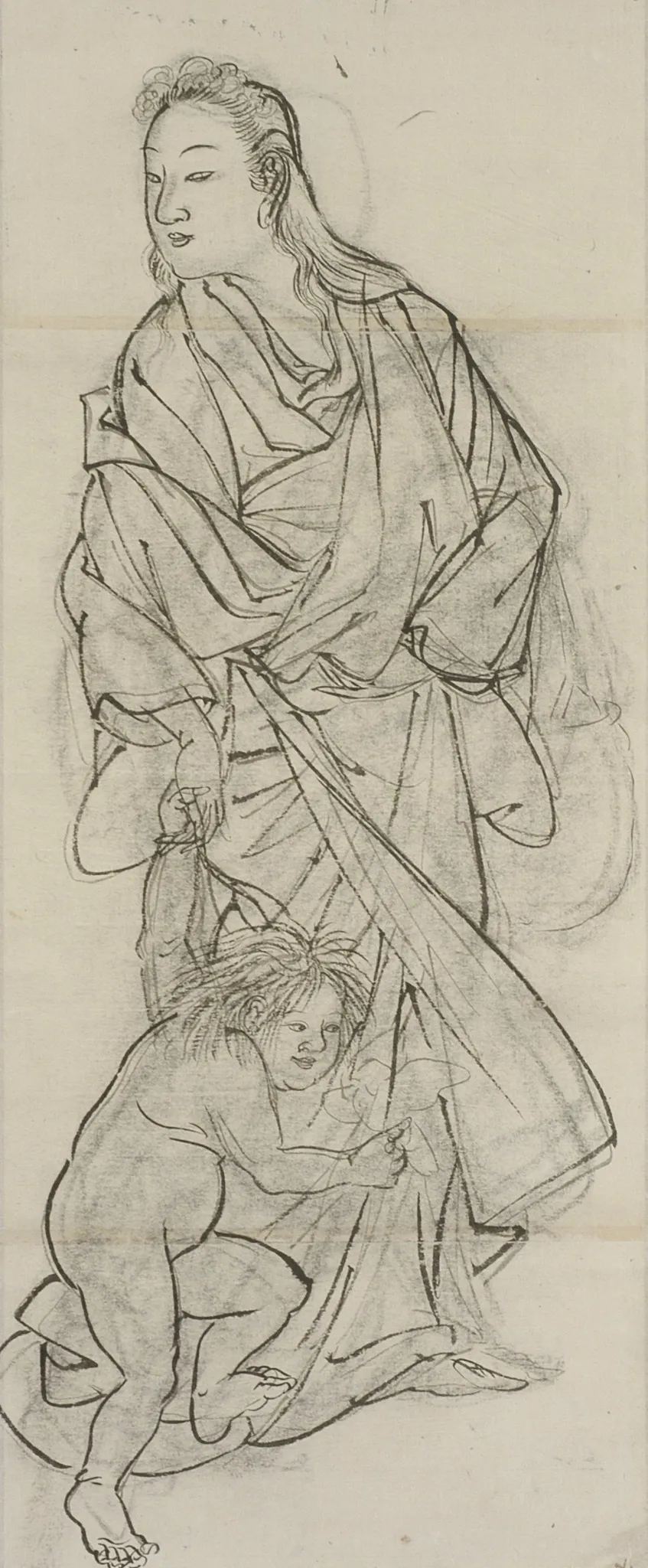
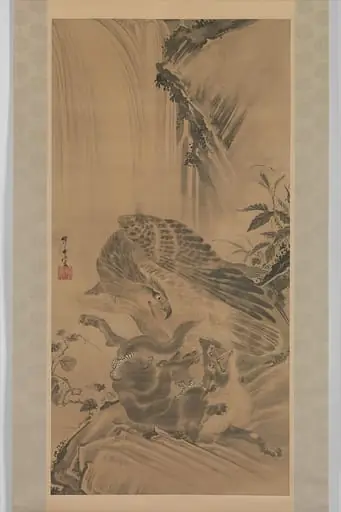
Yamauba and Kintarō is an unspecified painting by the Ukiyo-e artist Kawanabe Kyōsai 河鍋暁斎. It dates from 1850 and is held in the collection of the Los Angeles County Museum of Art.
About this work
Overview
It is currently held in the collection of the Los Angeles County Museum of Art, where it stands as an example of 19th-century Japanese narrative painting.
Painted around 1850 by Kawanabe Kyōsai, this work captures a moment from Japanese folklore involving the mountain witch Yamauba and the legendary child hero Kintarō. Executed in a style rooted in ukiyo-e traditions, the painting reflects Kyōsai’s distinctive blend of technical precision and expressive energy. It is currently held in the collection of the Los Angeles County Museum of Art, where it stands as an example of 19th-century Japanese narrative painting.
Subject & Meaning
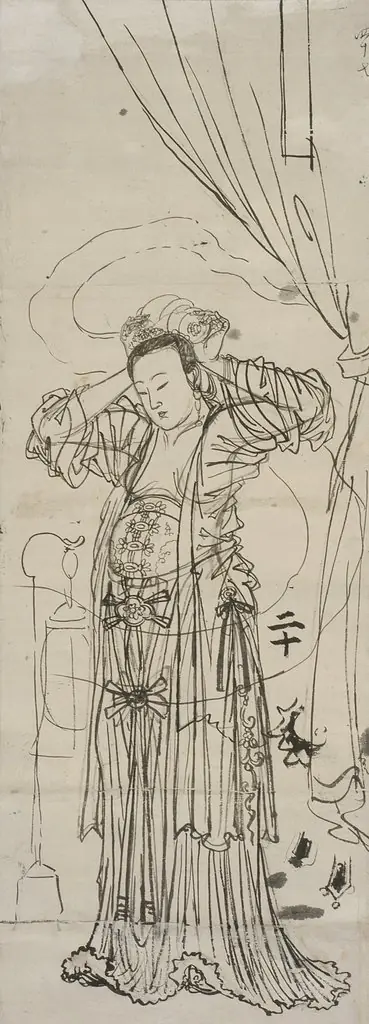
The scene portrays Yamauba, a supernatural figure from mountain legends, alongside Kintarō, a child said to possess superhuman strength. Their interaction suggests a bond of guardianship or initiation, with the child looking upward in a gesture that may imply reverence or appeal. The presence of the sword and the woman’s commanding posture reinforce her role as a protector or mentor, transforming myth into a visual narrative of human and otherworldly connection.
Technique & Style
Kyōsai employed ink and color on paper with fluid brushwork, emphasizing movement through dynamic poses and flowing lines. The figures are rendered with careful detail in their robes and hair, while the background remains sparse, focusing attention on their interaction. The contrast between Yamauba’s calm demeanor and Kintarō’s animated expression adds psychological depth, characteristic of Kyōsai’s ability to merge realism with folkloric drama.
History & Provenance
Created during Kyōsai’s early career, the painting reflects his engagement with traditional subjects before his later satirical works gained prominence. It entered the Los Angeles County Museum of Art’s collection through documented acquisitions in the 20th century, though its earlier ownership history remains largely unrecorded. Its preservation reflects growing international interest in Edo-period narrative art beyond commercial ukiyo-e prints.
Context
In mid-19th century Japan, folklore remained a vital source of artistic inspiration amid rapid social change. Kyōsai, trained in classical styles, drew from popular tales to explore themes of strength, loyalty, and the supernatural. This painting aligns with a broader trend among artists who reinterpreted mythic figures for contemporary audiences, blending cultural memory with personal expression.
Legacy
Though less known than Kyōsai’s later caricatures, this work illustrates his foundational skill in figural composition and narrative clarity. It contributes to the understanding of how traditional Japanese subjects were sustained and reimagined during a period of transition. The painting continues to inform scholarly discussions on the intersection of folklore and visual art in Edo and Meiji-era Japan.
Artist & collection
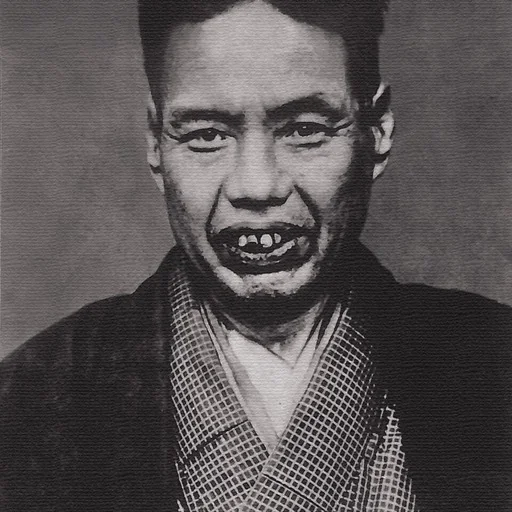
Artist
Kawanabe Kyōsai (河鍋 暁斎; May 18, 1831 – April 26, 1889) was a Japanese painter and caricaturist. In the words of art historian Timothy Clark, "an individualist and an independent, perhaps the last virtuoso in traditional Japanese painting".