Artwork
Nurse and Children in the Fields
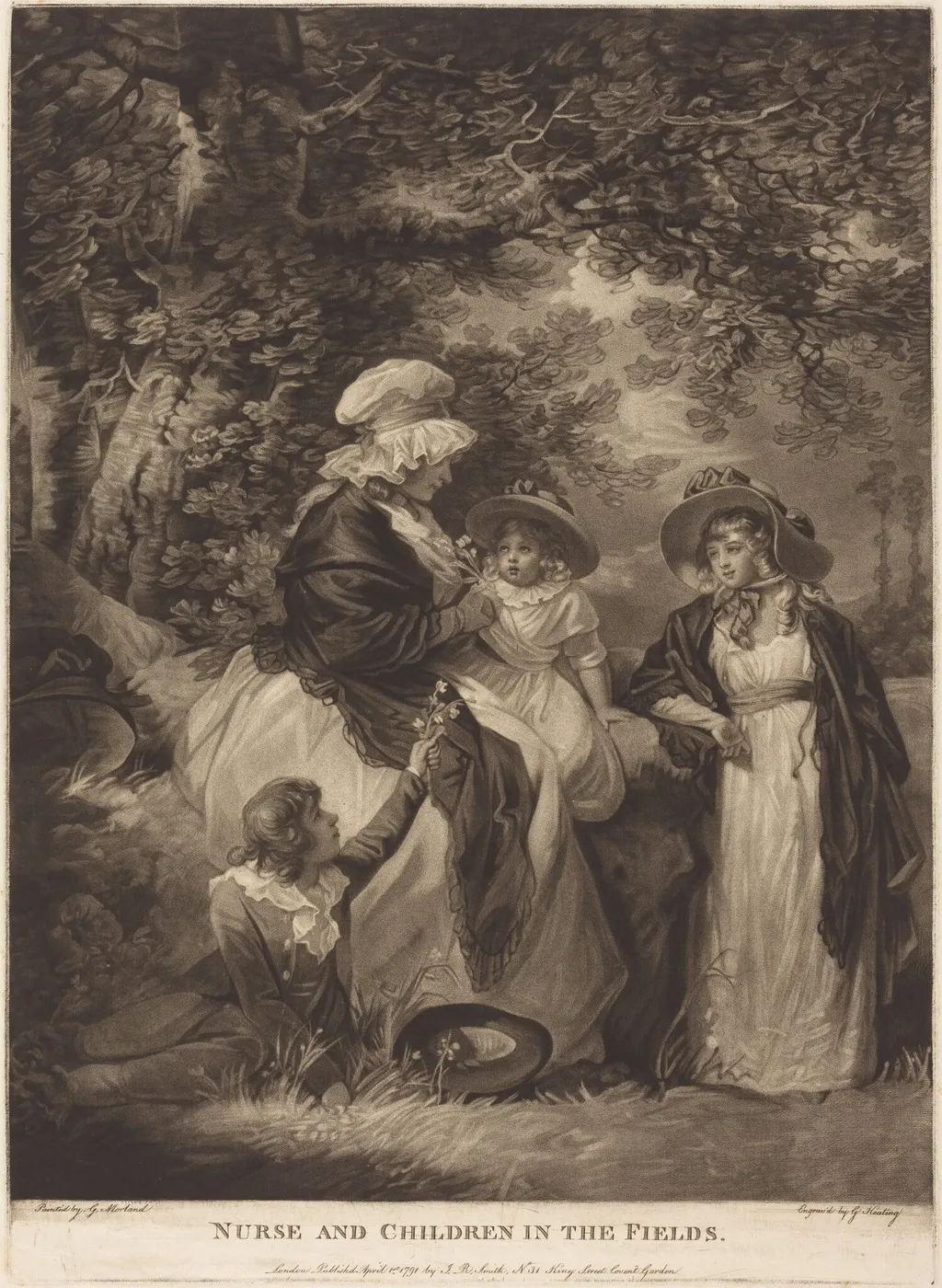
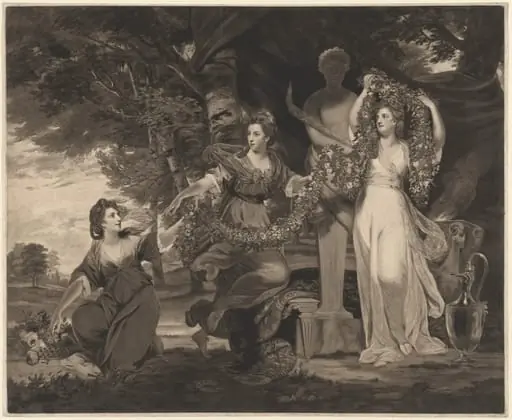
Nurse and Children in the Fields is an ink print by the Romanticist artist George Keating. It dates from 1791 and is held in the collection of the National Gallery of Art.
About this work
Overview
George Keating’s 1791 mezzotint *Nurse and Children in the Fields* presents a quiet rural scene. Executed in the tonal richness of mezzotint on laid paper, the print centers on a seated nurse and three young children positioned in an open landscape. The composition balances human presence with natural surroundings, emphasizing a moment of domestic calm.
Subject & Meaning
The nurse, seated on a tree stump, serves as a focal point, while the children cluster nearby, their simple attire suggesting modest social standing.
The image captures a fleeting interaction between caregiver and children in an idyllic setting. The nurse, seated on a tree stump, serves as a focal point, while the children cluster nearby, their simple attire suggesting modest social standing. The scene evokes themes of childhood innocence and pastoral simplicity, reflecting eighteenth-century ideals of rural life as a space of moral purity and unhurried existence.
Technique & Style
Keating employed mezzotint—a printmaking method valued for its deep blacks and subtle gradations—to achieve a painterly effect. The technique’s capacity for chiaroscuro enhances the figures’ three-dimensionality, drawing them forward against the softer, less defined background. The delicate modulation of light and shadow lends the scene a gentle luminosity, reinforcing its tranquil atmosphere.
History & Provenance
Created in 1791, the print belongs to a period when mezzotint was widely used for reproductive and original works in Britain. Little is recorded of its early ownership, though its survival in multiple impressions suggests it circulated among collectors of genre scenes. The print’s condition and paper type indicate it was produced for a market appreciative of both technical skill and sentimental subject matter.
Context
The work reflects broader eighteenth-century interests in rural life as a counterpoint to urbanization. Genre scenes of children and caregivers were popular, often idealizing domestic virtue and the natural world. Keating’s print aligns with this tradition, offering a vision of harmony between people and landscape that resonated with contemporary audiences attuned to pastoral imagery.
Artist & collection


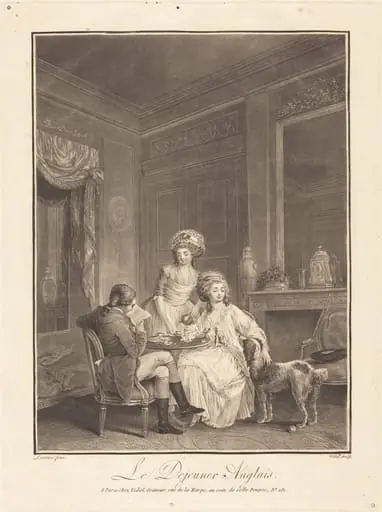 Le dejeuner anglais
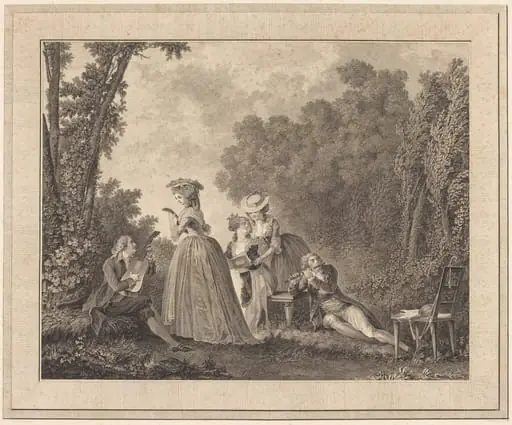 Le concert agreable
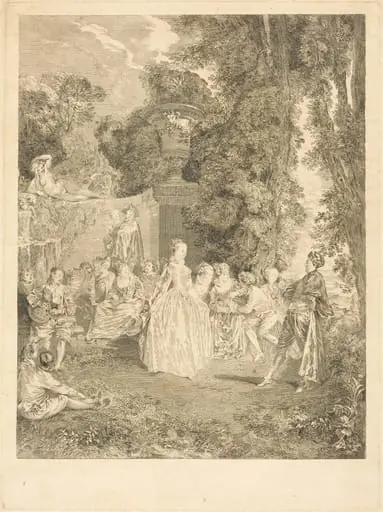 Fetes venitiennes
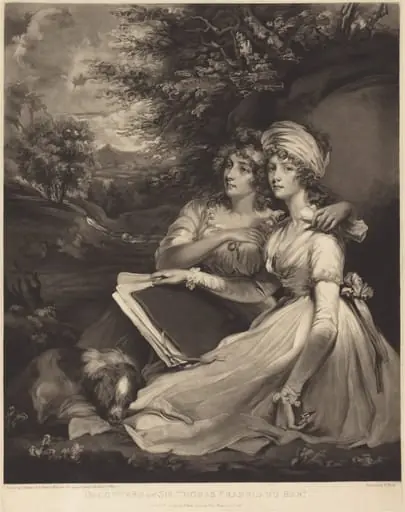 Daughters of Sir Thomas Frankland Bart (The Sisters)
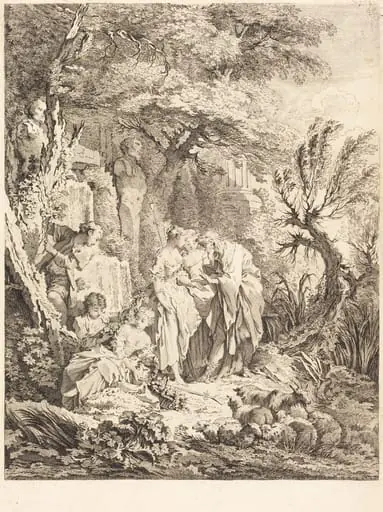 La Bonne Aventure
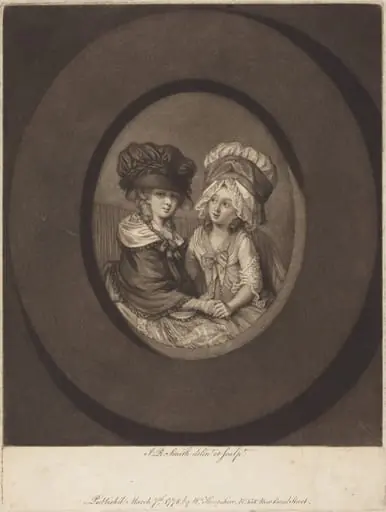 Les Deux Ami (The Two Friends)
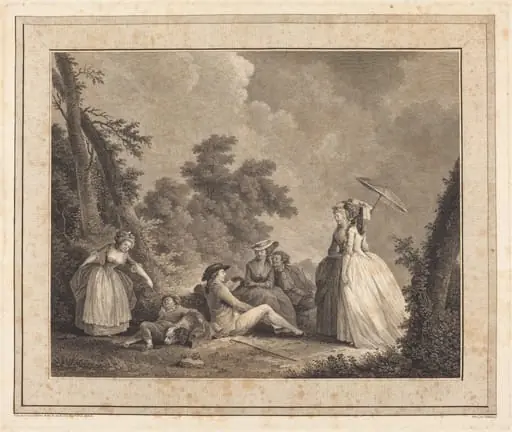 Le mercure de France
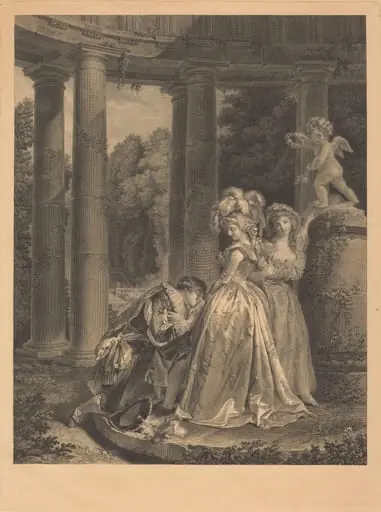 La Declaration
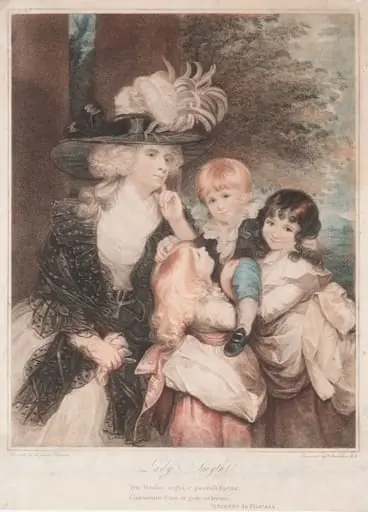 Lady Smith and Her Children
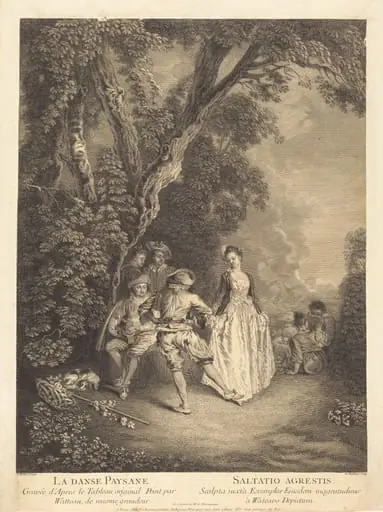 The Peasant Dance
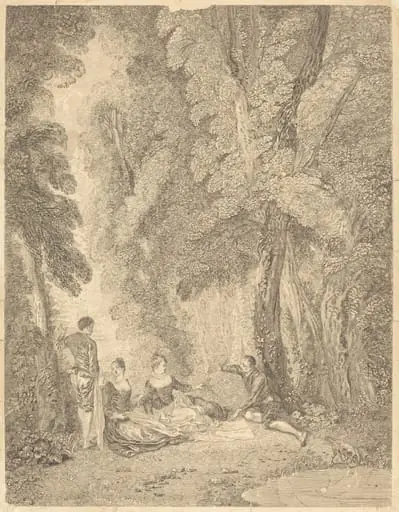 La colation
 A Sacrifice to Hymen (Three Daughters of Sir William Montgomery)