Artwork
Guy Little Theatrical Photograph
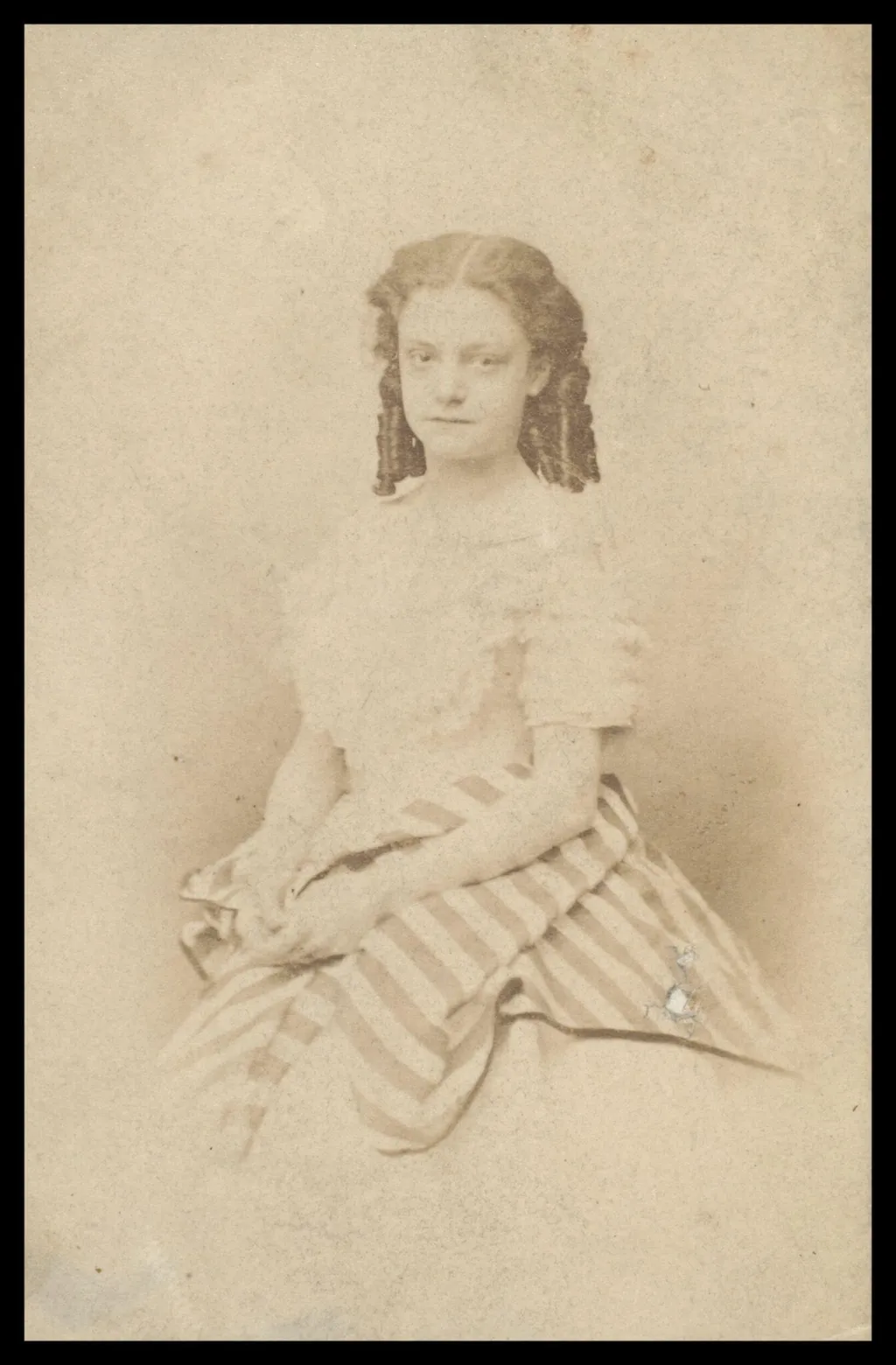
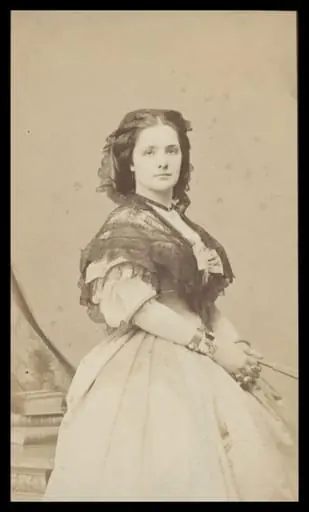
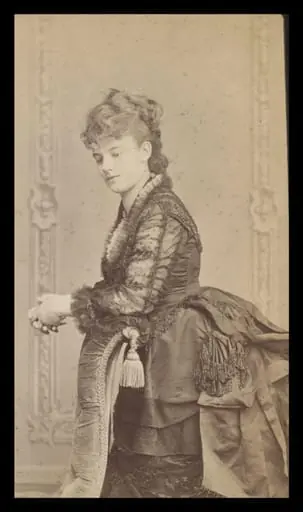
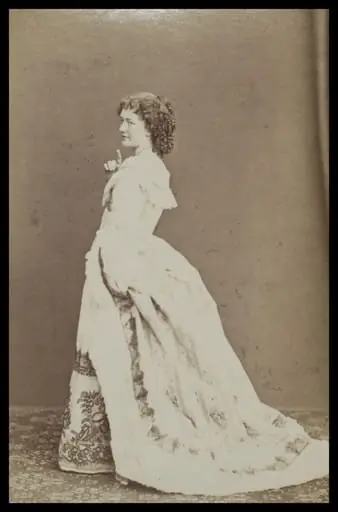
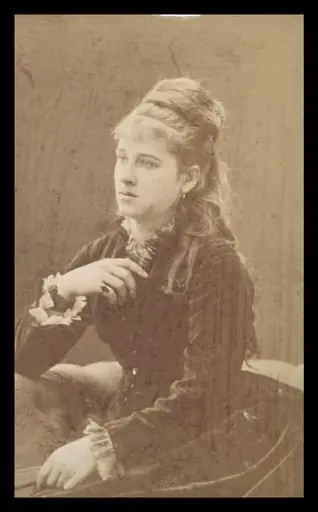
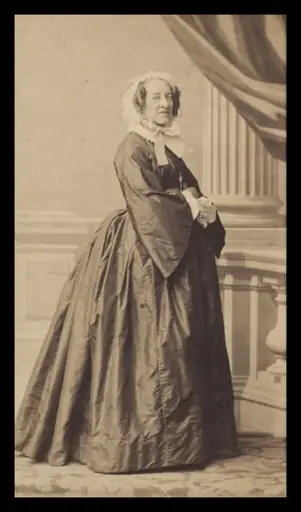
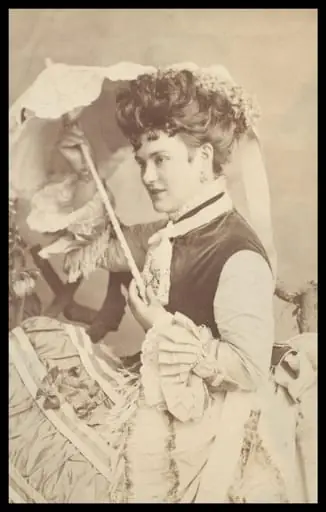
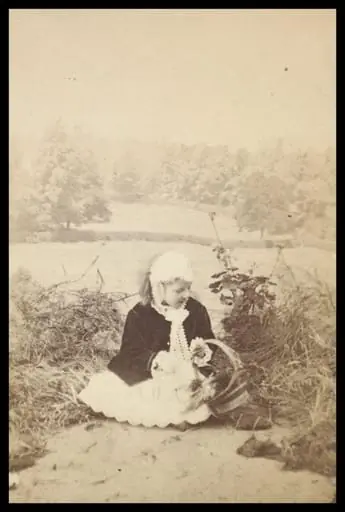
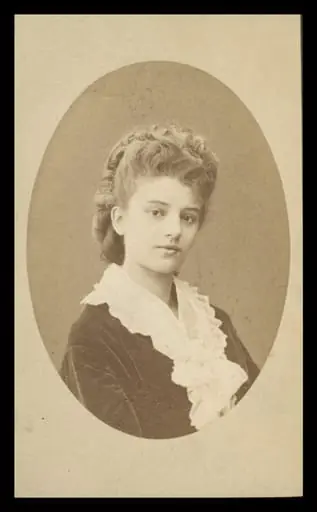
Guy Little Theatrical Photograph is a photographic photography by William Keith. It dates from 1850 and is held in the collection of the Victoria and Albert Museum. This photograph is part of a personal collection assembled by Guy Tristram Little, a solicitor and avid collector of ephemera.
About this work
Overview
Little later detached them from their original mounts and bound them into albums, preserving them as a curated archive of theatrical portraiture.
This photograph is part of a personal collection assembled by Guy Tristram Little, a solicitor and avid collector of ephemera. It features the actress Lydia Cowell, captured in a format common in late 19th-century Britain: either a carte de visite or cabinet card. These were mass-produced albumen prints mounted on cardstock, bearing the photographer’s imprint. Little later detached them from their original mounts and bound them into albums, preserving them as a curated archive of theatrical portraiture.
Subject & Meaning
Lydia Cowell, a stage performer of the Victorian era, is depicted in a portrait intended for public circulation. Such images served as both personal mementos and promotional tools, allowing audiences to connect with actors beyond the theater. The photograph reflects the era’s fascination with celebrity culture, where theatrical figures became familiar through these small, collectible images exchanged among friends and fans.
Technique & Style
The image is an albumen print, made from a glass negative, a standard process between the 1850s and 1890s. It was printed on thin paper, then adhered to a stiff card backing, often embossed with the photographer’s name and studio details. The composition is formal, typical of studio portraiture, with controlled lighting and minimal background detail to emphasize the sitter’s presence and costume.
History & Provenance
The photograph was originally part of a larger collection of theatrical portraits gathered by Guy Little, who inherited and expanded upon the archive of Mrs. Gabrielle Enthoven, a pioneering collector of theater memorabilia. Upon his death in 1953, Little bequeathed his albums to the Victoria and Albert Museum, where they became foundational to the museum’s Theatre and Performance collection.
Context
During the mid-to-late 1800s, cartes de visite and cabinet cards were ubiquitous in British households. Their popularity coincided with rising literacy, urbanization, and the growth of the theater-going public. These photographs functioned as social currency—collected, traded, and displayed—linking the private realm of the home with the public world of performance.
Legacy
Little’s albums preserved a vast visual record of Victorian and Edwardian performers, many otherwise undocumented. By removing the cards from their original mounts and reorganizing them, he transformed them into a scholarly resource. Today, these images remain vital for understanding the material culture of theater and the evolving relationship between performers and their audiences.
Artist & collection

Artist
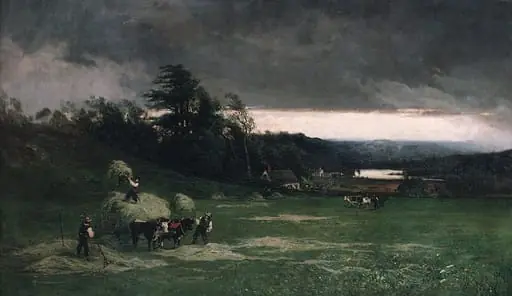
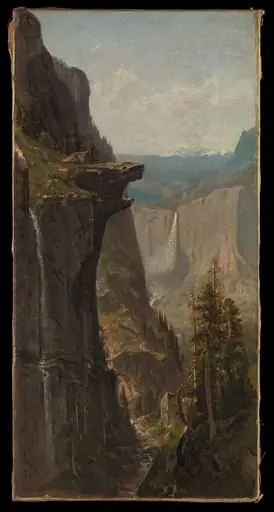
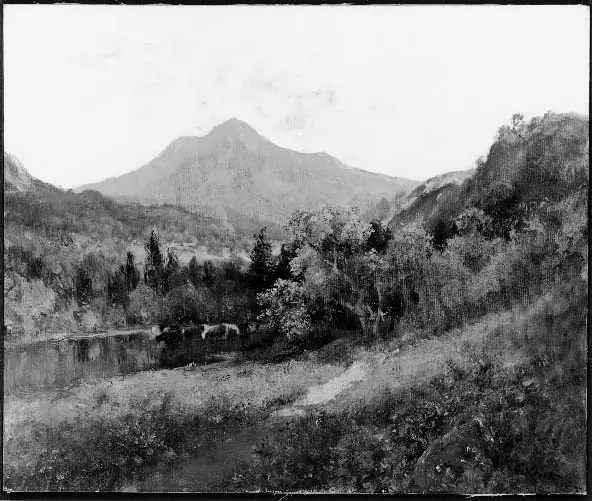
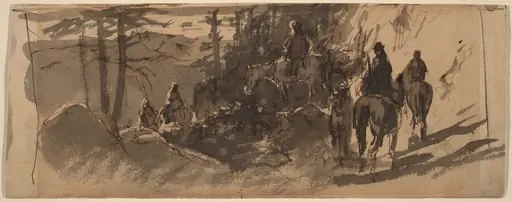
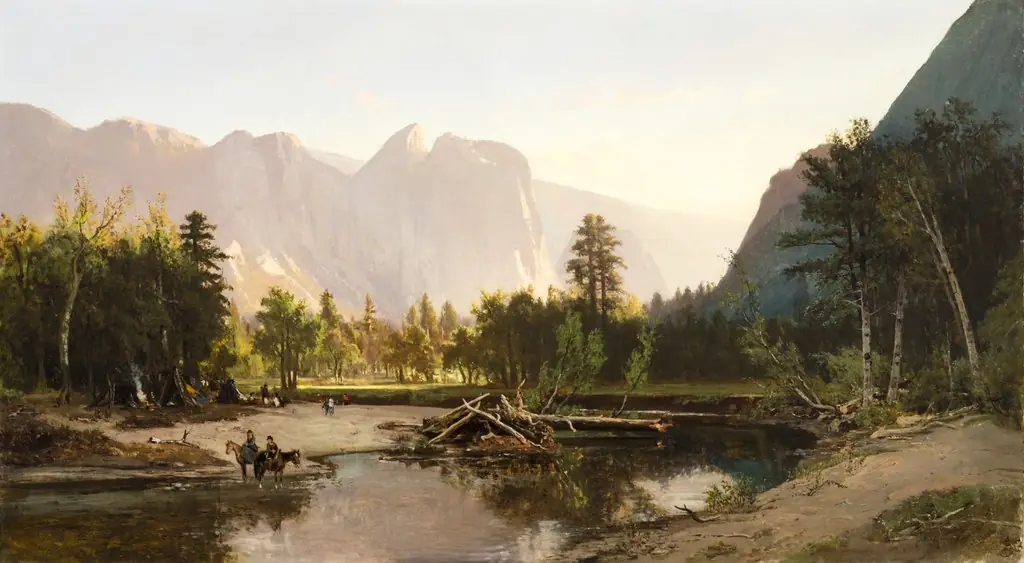
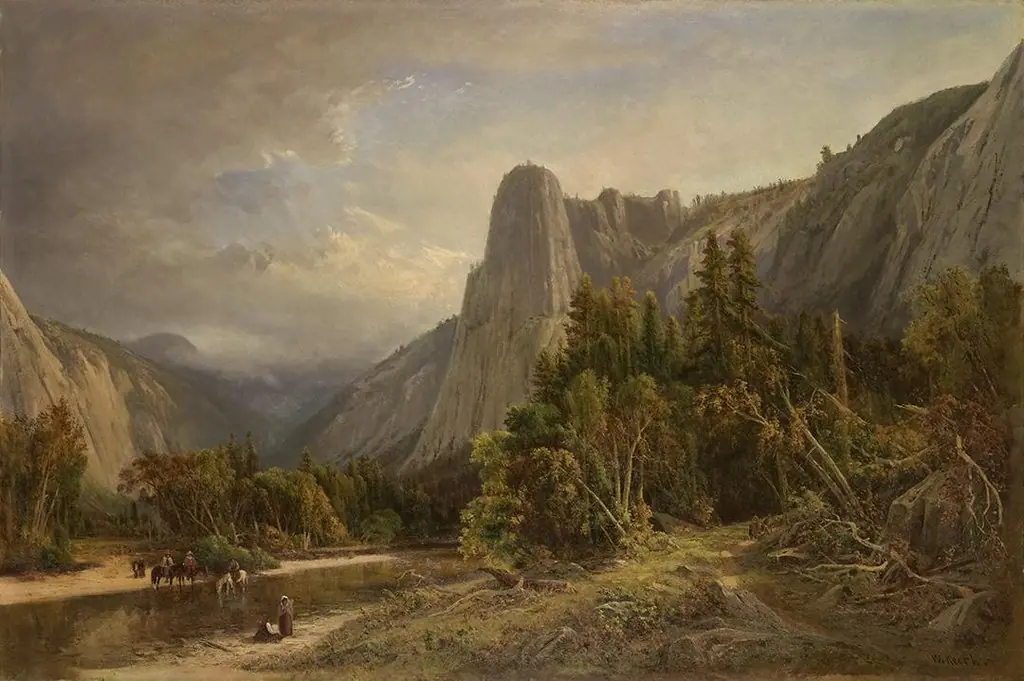
William Keith (November 18, 1838 – April 13, 1911) was a Scottish-American painter famous for his California landscapes.