Artwork
Small World
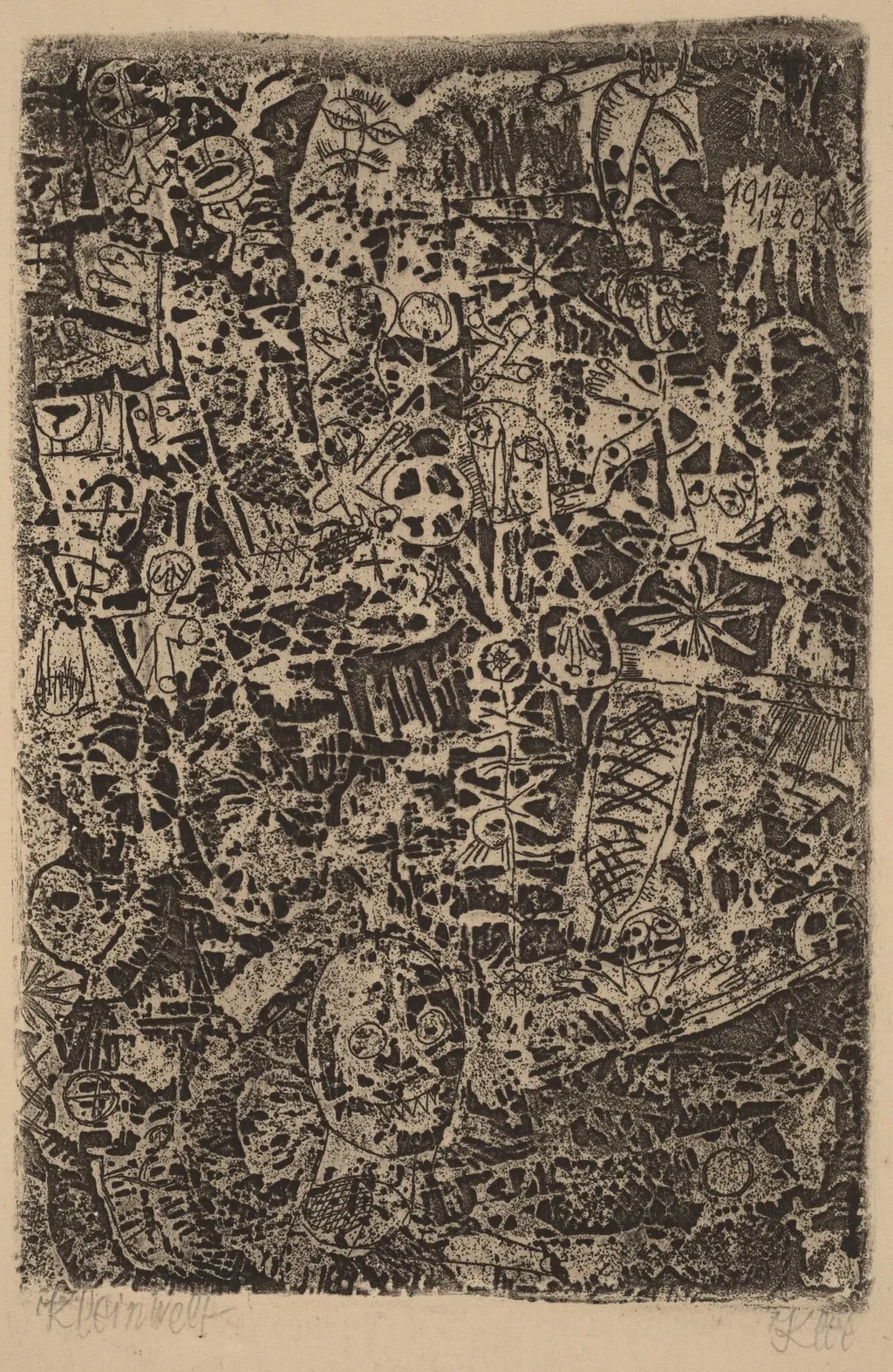
Small World is an ink print by Paul Klee. It dates from 1914 and is held in the collection of the National Gallery of Art.
About this work
Overview
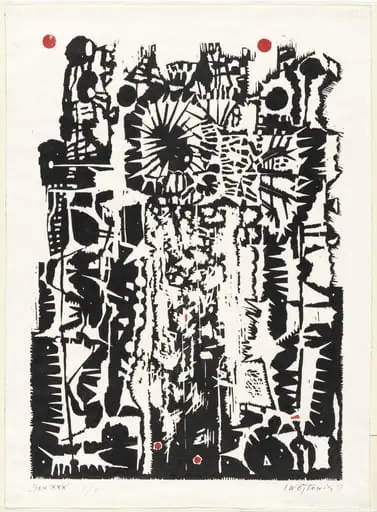
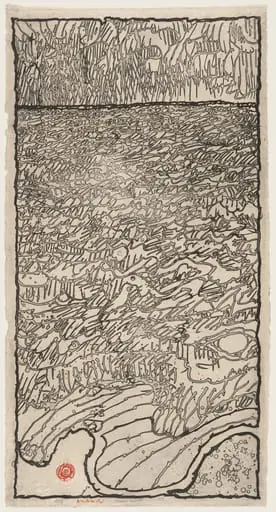
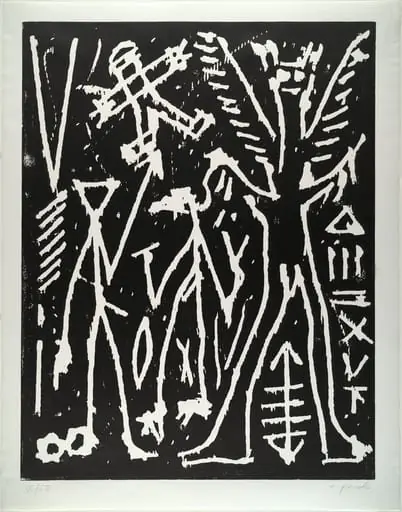
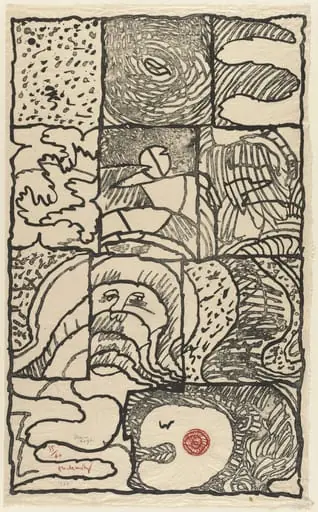
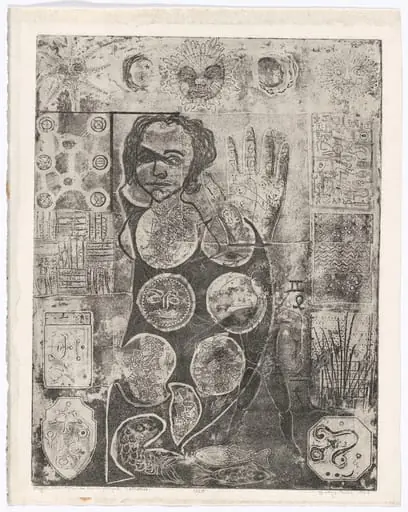
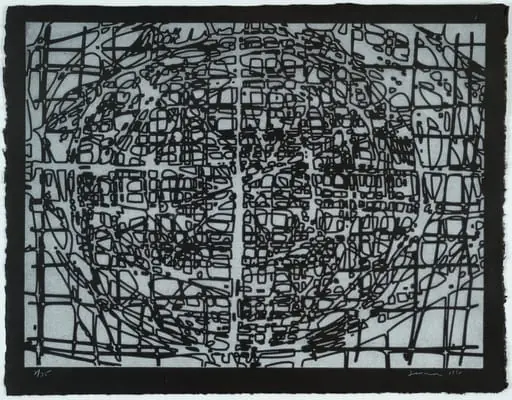
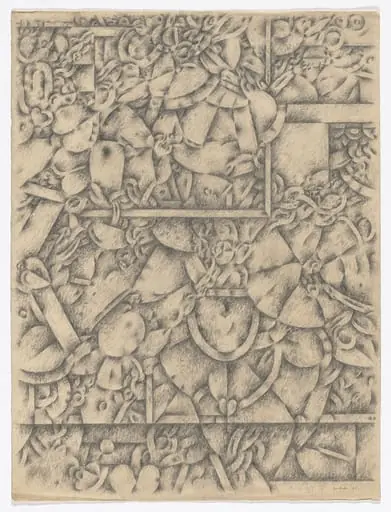
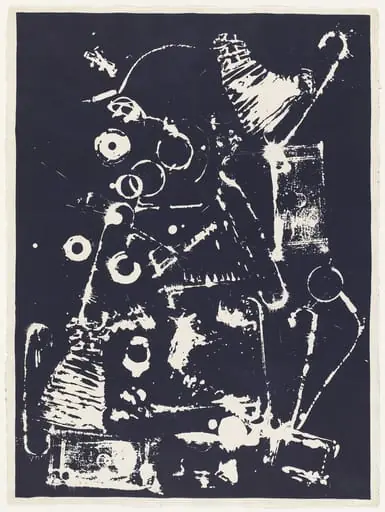
Paul Klee’s 1914 etching *Small World* is a densely composed black‑and‑white image rendered on wove paper. The work consists of a profusion of interlacing lines, irregular symbols and miniature figures that fill the surface, giving the impression of a chaotic miniature universe.
Subject & Meaning
The composition presents a tangle of squiggling forms that suggest abstracted creatures, glyph‑like signs and fragmented human silhouettes. While no explicit narrative is provided, the crowded arrangement invites contemplation of the interplay between order and disorder, a theme recurrent in Klee’s early explorations of visual language.
Technique & Style
Klee employed a precise, line‑driven etching process, combining crisp incised strokes with softer, stippled areas that create a textured, sketch‑like quality. The piece reflects his synthesis of expressionist vigor, cubist fragmentation and a nascent surrealist sensibility, all articulated through the monochrome medium.
History & Provenance
Created in the year before World War I, *Small World* emerged during Klee’s formative period while he was teaching at the Bauhaus. The print later entered several private collections before being acquired by a European museum in the mid‑20th century, where it remains part of the institution’s early modern print holdings.
Context
Klee’s interest in the structural possibilities of line and form, evident in this etching, foreshadows his later theoretical writings, notably the *Paul Klee Notebooks*. Those texts, which delve into color theory and visual perception, have become foundational references in modern art scholarship, underscoring the lasting relevance of works such as *Small World*.
Artist & collection
Artist
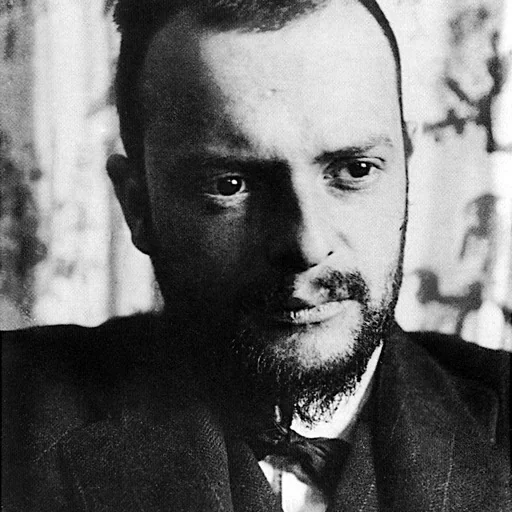
Paul Klee (German: ; 18 December 1879 – 29 June 1940) was a Swiss-born German artist.