Artwork
Portrait of a Woman
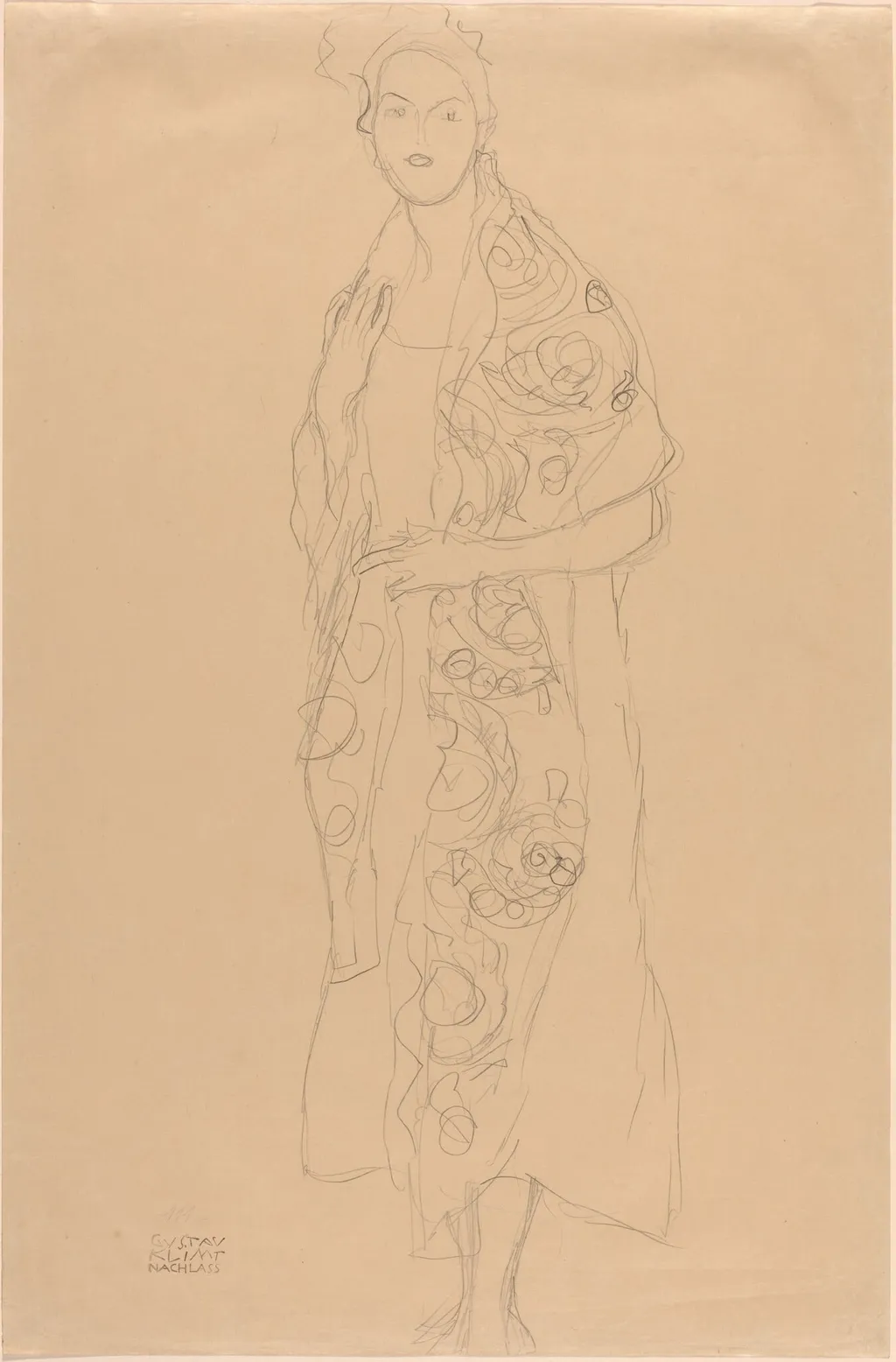
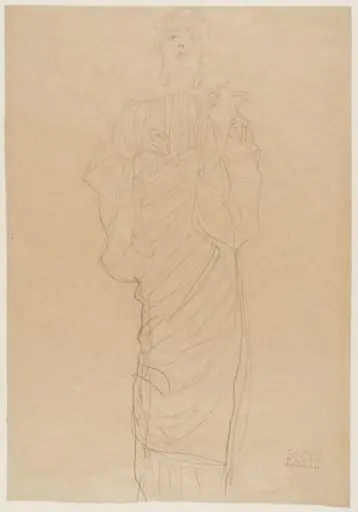
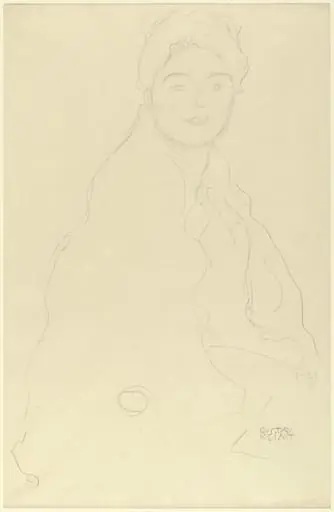
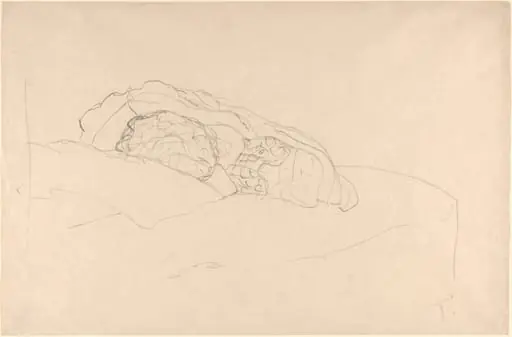
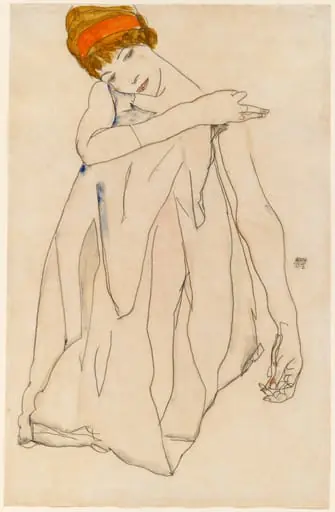
Portrait of a Woman is a graphite drawing by Gustav Klimt. It dates from 1910 and is held in the collection of the National Gallery of Art.
About this work
Overview
This graphite drawing, dated around 1910, is a solitary portrait by Gustav Klimt, executed with minimal means yet considerable presence.
This graphite drawing, dated around 1910, is a solitary portrait by Gustav Klimt, executed with minimal means yet considerable presence. The subject stands still, arms relaxed at her sides, rendered in a single medium without color or background. The drawing captures a moment of quiet composure, emphasizing form through line rather than detail, suggesting Klimt’s interest in essence over ornamentation during this phase of his career.
Subject & Meaning
The woman depicted is anonymous, her identity unrecorded, which invites focus on her demeanor rather than her social role. Her calm expression and upright posture convey stillness and dignity. The absence of facial detail or contextual clues shifts attention to her physical presence, transforming the portrait into an exploration of quiet individuality rather than a record of status or likeness.
Technique & Style
Klimt employed only graphite, using fluid, uneven strokes to define form and fabric. The clothing is suggested through sweeping, rhythmic lines that imply movement and volume without shading or texture. The looseness of the hand contrasts with the solidity of the figure, creating a tension between ephemerality and permanence. Each line appears deliberate, contributing to a sense of lived weight rather than fleeting sketch.
History & Provenance
The drawing’s early ownership is undocumented, and it entered public collections in the 20th century without a clear provenance trail. Unlike Klimt’s finished paintings, this work was likely a study or private exercise, not intended for sale or exhibition. Its survival reflects its value to later collectors who recognized its expressive economy and connection to his broader artistic evolution.
Context
Created during Klimt’s later years, this drawing coincides with his increasing focus on intimate, unadorned figures, away from the gilded symbolism of his earlier works. While his public commissions grew more elaborate, private sketches like this reveal a return to fundamental drawing—exploring form, posture, and presence with reduced means, possibly influenced by contemporary shifts in modernist portraiture.
Legacy
Though not widely exhibited, this drawing contributes to understanding Klimt’s artistic range beyond his decorative style. It demonstrates his mastery of line as a vehicle for emotional and physical presence. Art historians cite it as evidence of his sustained engagement with the human figure, even as his public persona became defined by ornate symbolism.
Artist & collection


![[...]anour d'or, by Madeleine & Madeleine](https://artifactworldgallery.com/img/madeleine-madeleine--anour-d-or--60b5322ff614b40b-w320.webp)