Artwork
Little Dance
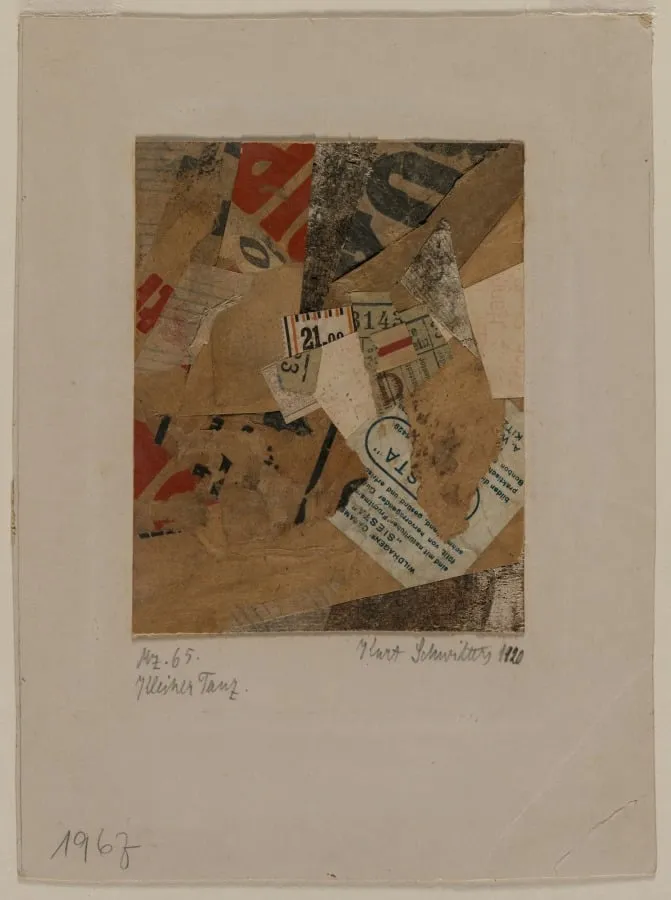
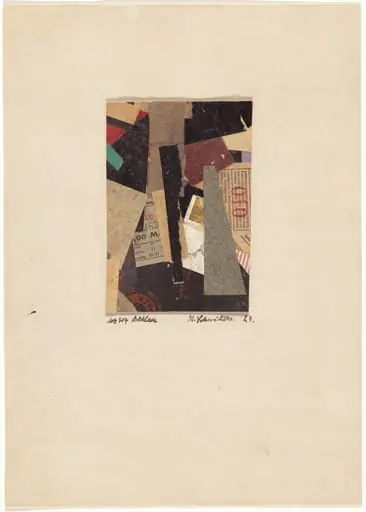
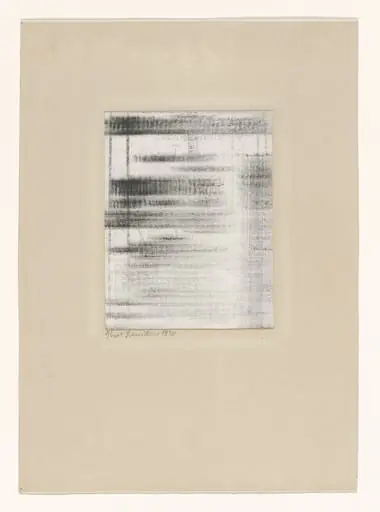
Little Dance is a drawing by Kurt Schwitters. It dates from 1920 and is held in the collection of the Cleveland Museum of Art.
About this work
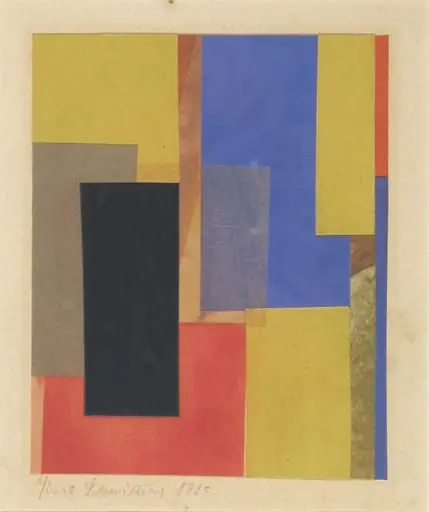
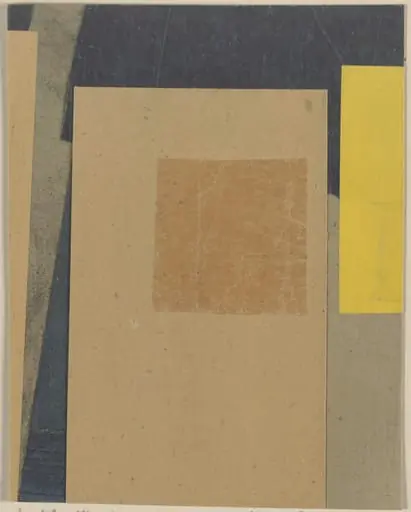
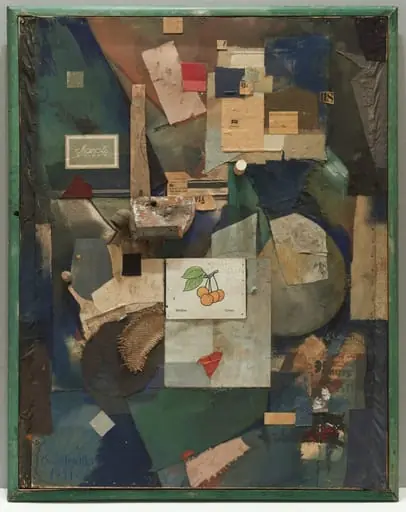
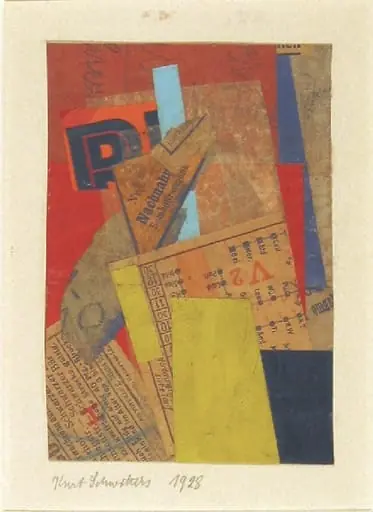
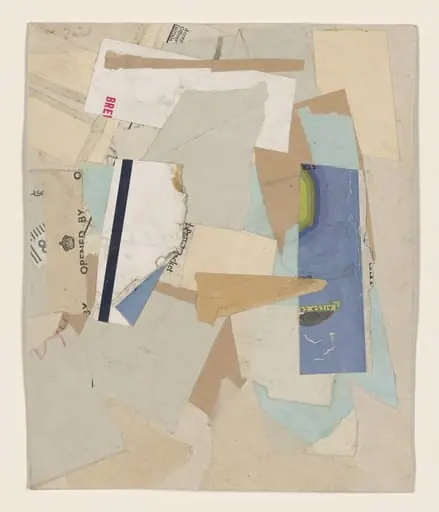
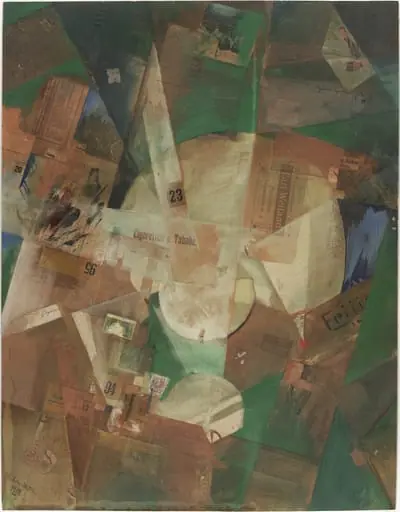
You see torn paper scraps—tickets, newsprint, maybe old labels—glued to a board in loose, overlapping layers.
You see torn paper scraps—tickets, newsprint, maybe old labels—glued to a board in loose, overlapping layers. Some edges curl; others lie flat. A few red bits pop against the gray and beige.
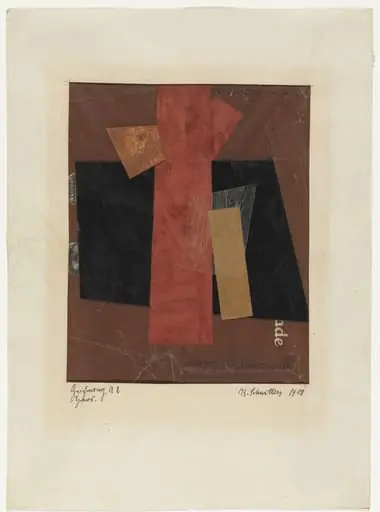
Schwitters called this kind of work “Merz.” He collected trash from the streets of Hanover and turned it into art. The scraps aren’t random; they feel like they’re moving, almost dancing.
Look up other collages by Kurt Schwitters (German, 1887–1948).
Overview
Kurt Schwitters created this drawing as part of his Merz series, a form of collage that transformed discarded paper fragments into structured compositions. Made from everyday detritus—ticket stubs, newspaper clippings, packaging labels—the work assembles these elements into a layered, non-representational surface. The materials are arranged with deliberate rhythm, suggesting motion without depicting it explicitly.
Subject & Meaning
The work does not illustrate a narrative but evokes movement through the arrangement of found materials. Schwitters viewed the accumulation and reordering of urban refuse as a poetic act, reflecting the fragmented reality of postwar life. The red elements, though few, act as focal points, interrupting the muted palette to suggest energy or interruption within the visual field.
Technique & Style
Schwitters applied torn and cut paper scraps with adhesive onto a rigid support, allowing some edges to lift naturally while others remained flat. The layers build texture through variation in thickness and opacity, creating a tactile surface. His method avoided traditional brushwork, instead relying on the inherent qualities of the materials—ink, paper grain, print patterns—to generate visual interest.
History & Provenance
This piece was made in Hanover during the 1920s, a period when Schwitters developed his Merz aesthetic amid the cultural upheaval following World War I. He gathered materials from the city’s streets, including commercial waste and printed ephemera, integrating them into his studio practice. The work remained in his possession until his exile in 1937, after which it entered private collections before institutional acquisition.
Context
Schwitters’ Merz works emerged alongside Dada and Constructivism but diverged in their focus on personal, quotidian materials rather than political manifestos. While contemporaries used industrial objects to critique society, Schwitters found meaning in the overlooked remnants of daily existence. His approach resonated with a broader European interest in redefining art through everyday experience.
Legacy
Schwitters’ use of found paper laid groundwork for later movements including Assemblage and Neo-Dada. His insistence on the artistic potential of refuse challenged hierarchies of material value in art. Though initially dismissed by mainstream institutions, his Merz collages are now recognized as pivotal in expanding the definition of drawing and sculpture in the 20th century.
Artist & collection

Artist
Kurt Hermann Eduard Karl Julius Schwitters (20 June 1887 – 8 January 1948) was a German artist.