Artwork
Previously in Nuremberg
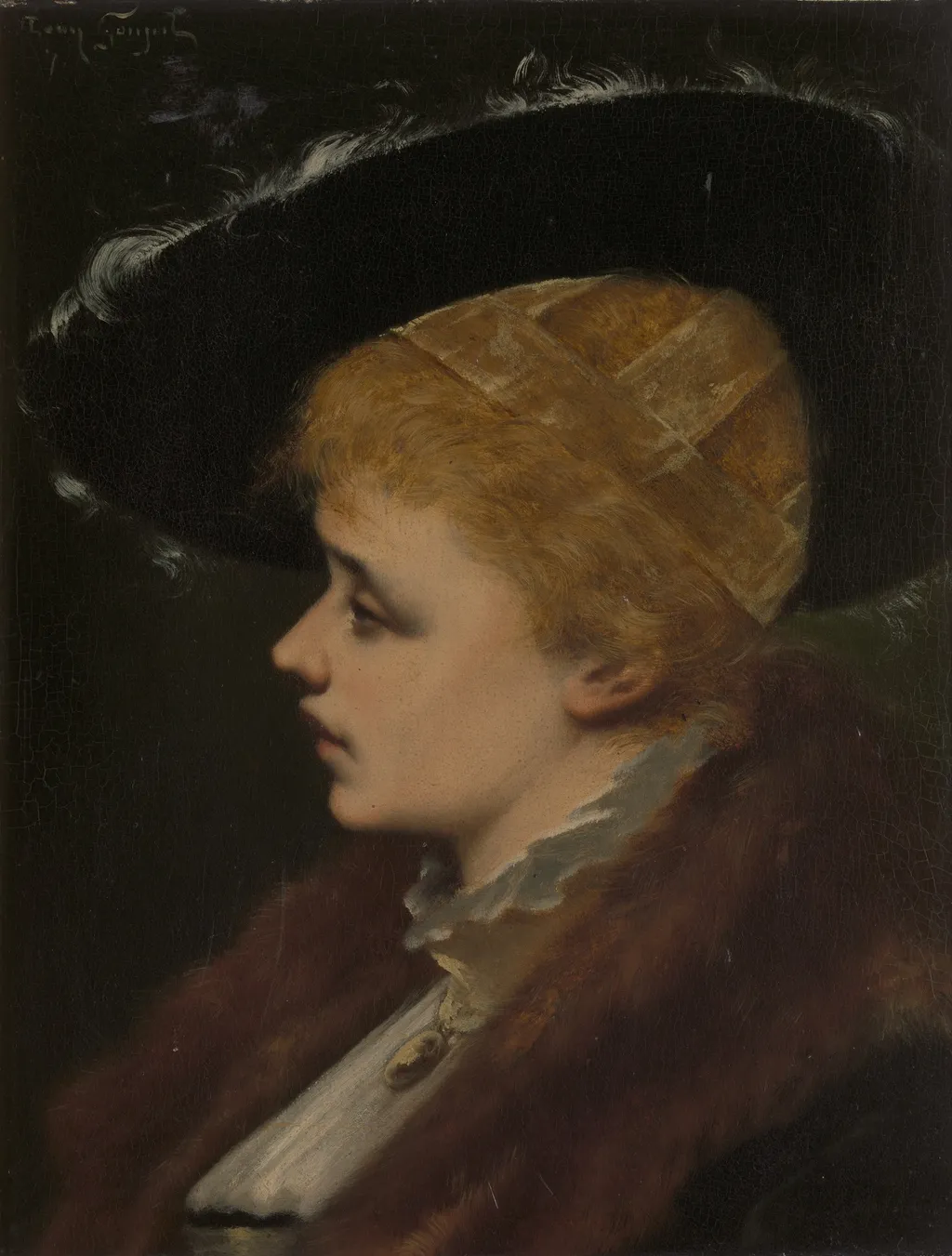
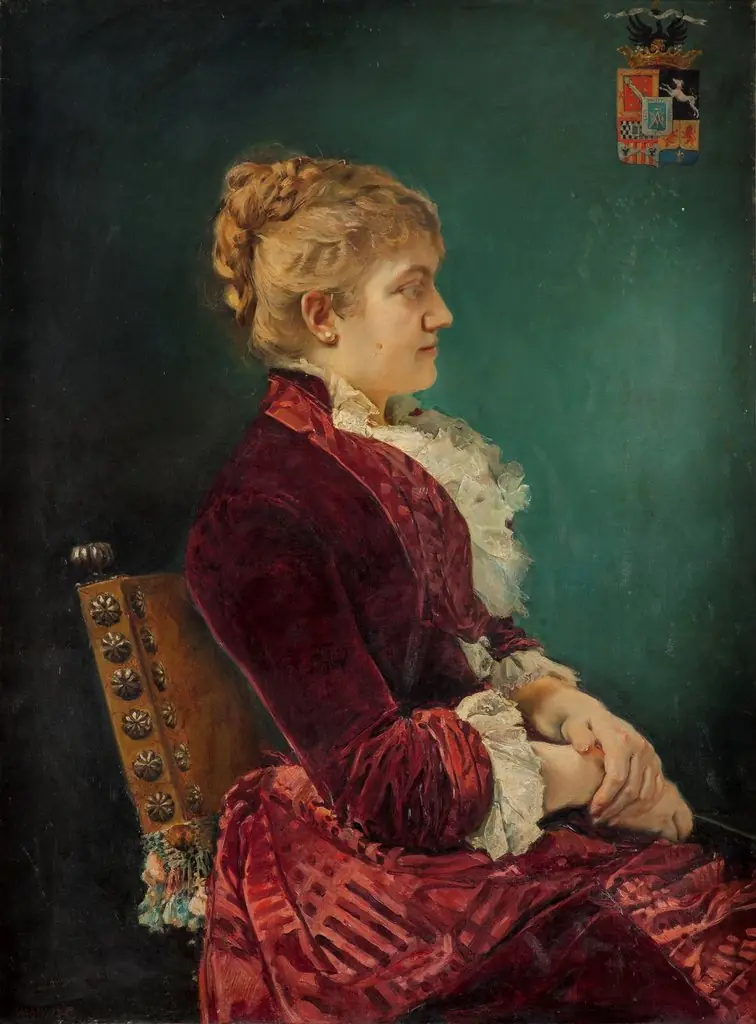
Previously in Nuremberg is an oil painting by Léon Lucien Goupil. It dates from 1872 and is held in the collection of the Royal Museum of Fine Arts Antwerp. This oil portrait, dated around 1872, was once part of a collection in Nuremberg and is now held by the Royal Museum of Fine Arts Antwerp.
About this work
Overview
This oil portrait, dated around 1872, was once part of a collection in Nuremberg and is now held by the Royal Museum of Fine Arts Antwerp. Painted by Léon Lucien Goupil, it presents a seated woman in profile, facing left. The composition is tightly framed, focusing attention on the subject’s expression and attire against a deep, unbroken background.
Subject & Meaning
The woman’s identity remains unrecorded, but her dignified posture and restrained demeanor suggest a private, intimate portrait rather than a formal commission. Her attire—a dark hat with a white feather and a brown coat over a white shirt—hints at modest middle-class status. The quietness of her expression invites contemplation, avoiding theatricality in favor of psychological subtlety.
Technique & Style
Goupil employs chiaroscuro to model the woman’s face and clothing, using sharp contrasts between light and shadow to create volume and texture. The brushwork is precise, particularly in the rendering of the feather, collar, and skin tones. The dark background isolates the figure, enhancing the three-dimensionality of her form and drawing focus to the nuanced play of light across her features.
History & Provenance
Its journey from Germany to Belgium reflects 19th-century art circulation patterns, though no record of its original commission or early ownership survives.
The painting was previously documented in a private collection in Nuremberg before entering the Royal Museum of Fine Arts Antwerp’s holdings. Its journey from Germany to Belgium reflects 19th-century art circulation patterns, though no record of its original commission or early ownership survives. Its presence in Antwerp suggests acquisition through a dealer or private donation in the late 19th or early 20th century.
Context
Goupil worked during a period when academic portraiture remained dominant in Europe, yet his focus on quiet realism aligns with emerging trends toward psychological depth. His technique echoes 17th-century Dutch and Flemish traditions, particularly in the use of subdued palettes and controlled lighting. This work reflects a broader shift from grandeur to intimacy in late 19th-century portraiture.
Legacy
Though not widely exhibited, the painting exemplifies Goupil’s consistent approach to portraiture: restrained, technically assured, and emotionally reserved. It contributes to understanding his oeuvre as a bridge between academic conventions and the quieter, more introspective modes of realism that gained traction in the decades before modernism.
Own this work as a print
Artist & collection

 Rococo Lady
 Portrait of Sonia
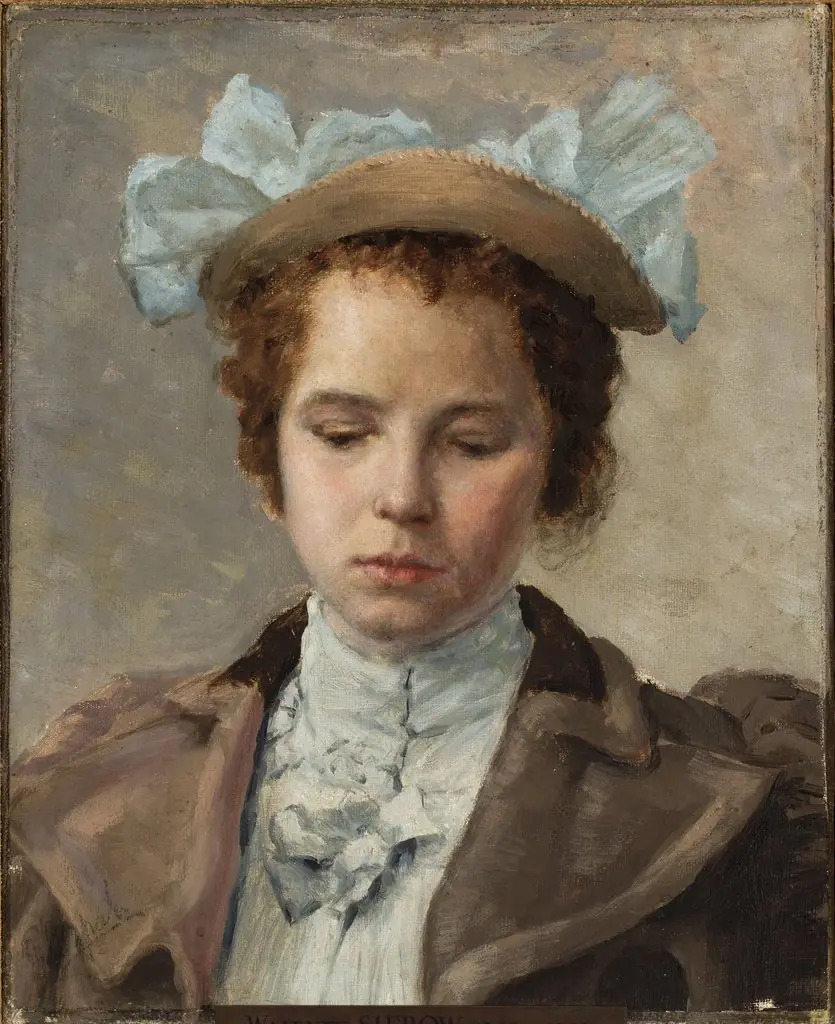 Portrait study of a young girl
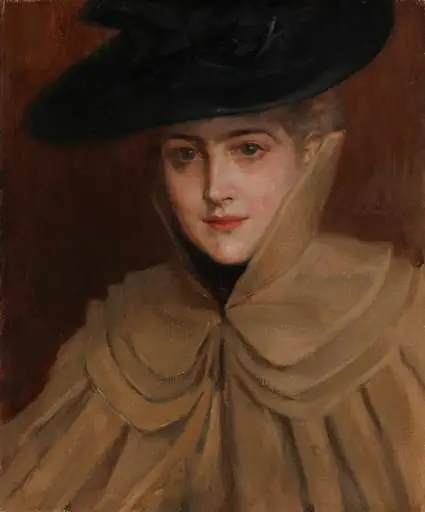 Nuoren naisen muotokuva
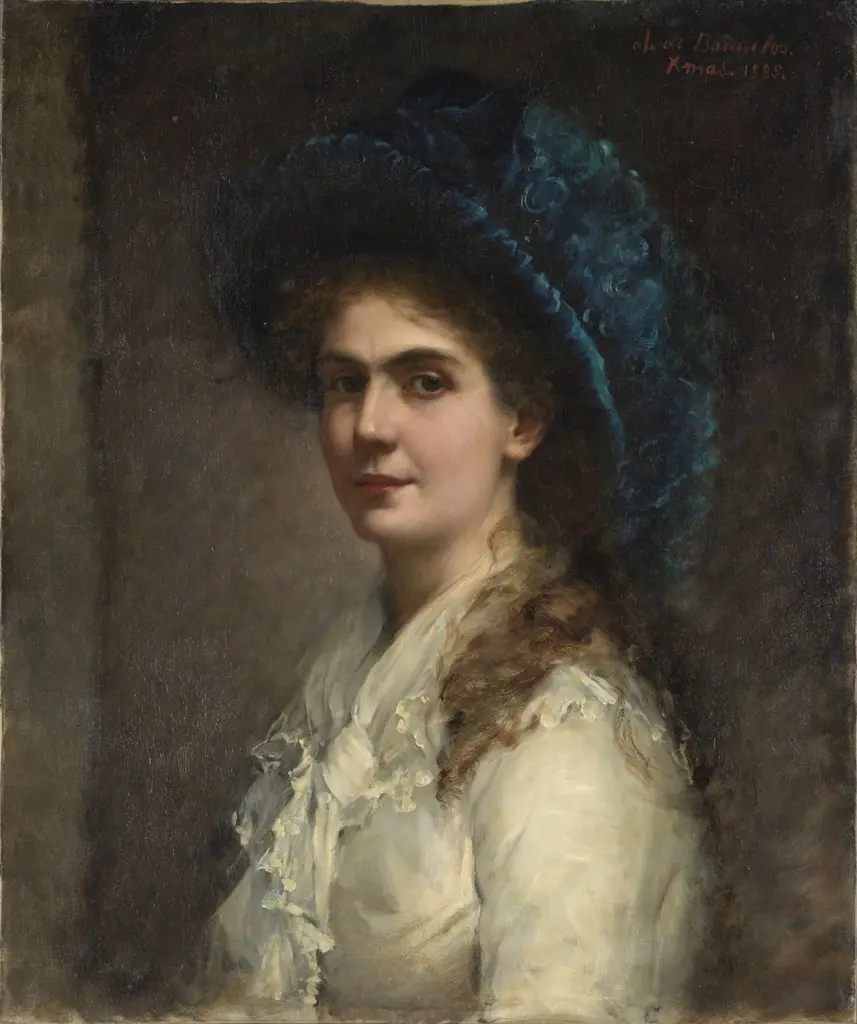 Self-portrait
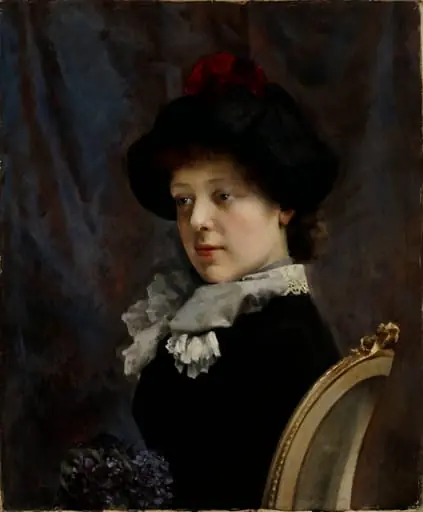 Naisen muotokuva
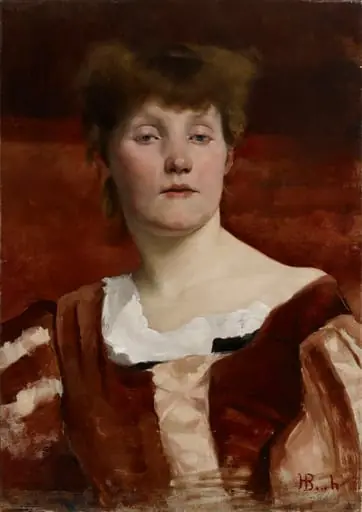 Malli
Malli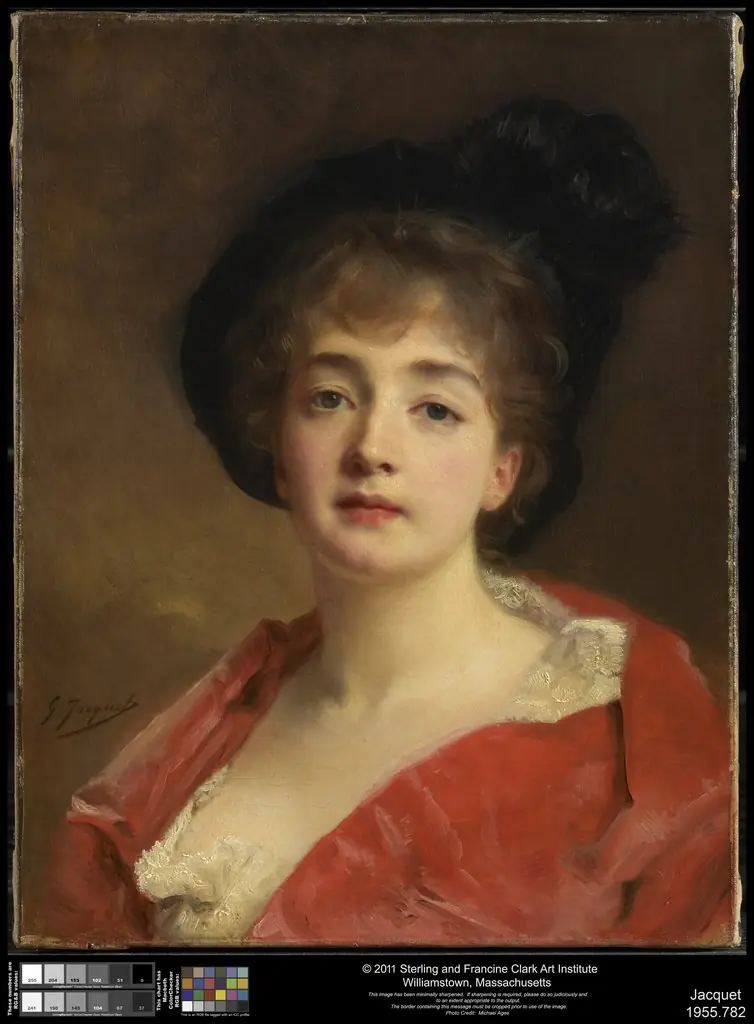 Woman in Red
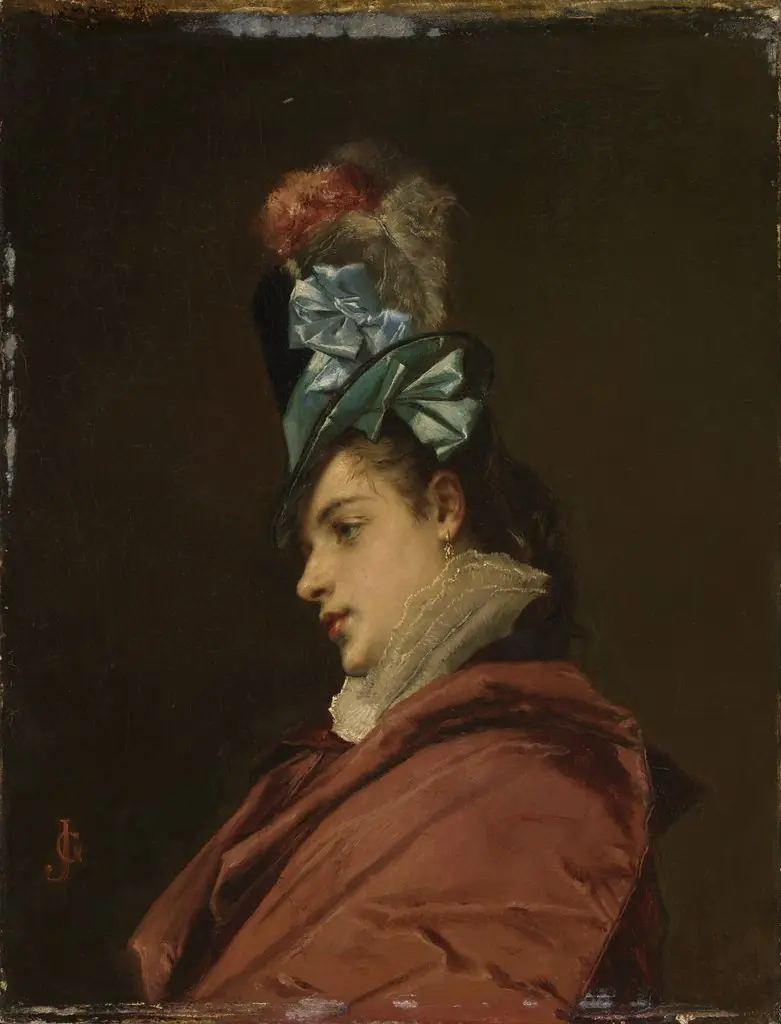 Woman Wearing a Hat with a Blue Ribbon
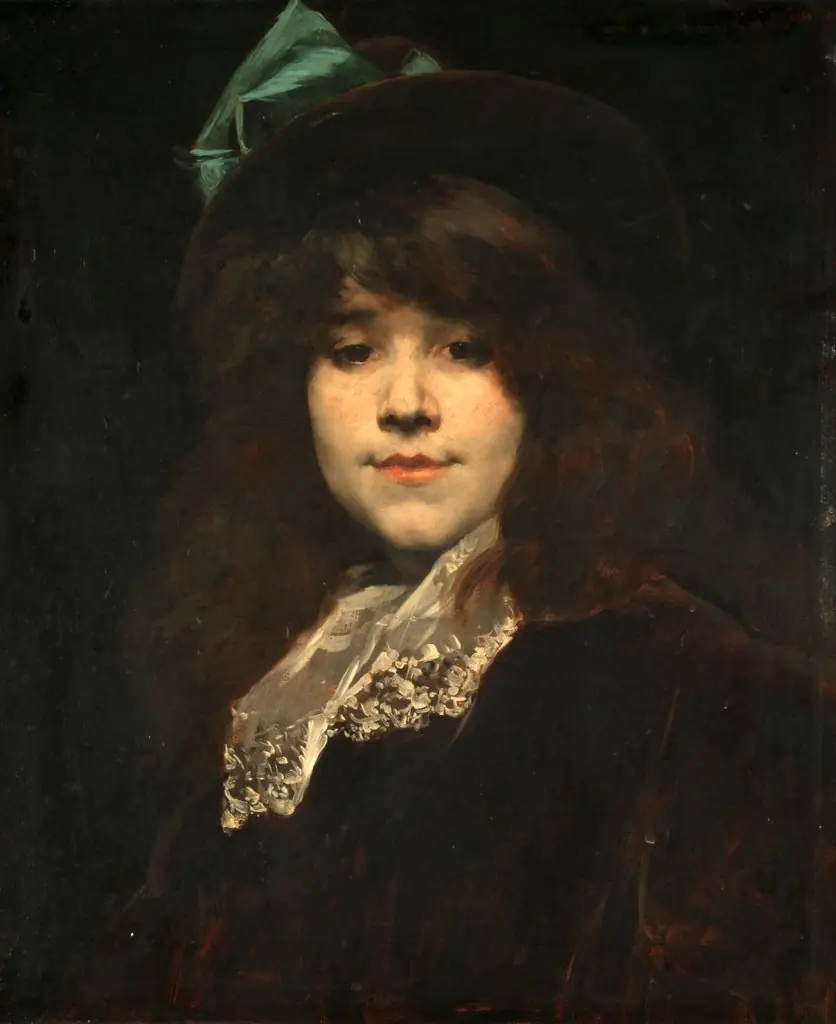 Portrait de Juana Romani (Retrato de Juana Romani)
 María de las Mercedes de Alcázar y Nero Vera de Aragón marquesa de Coquilla
 Mlle Louise Riesener au chapeau