Artwork
A Fashionable Noblewoman Wearing a Plumed Hat
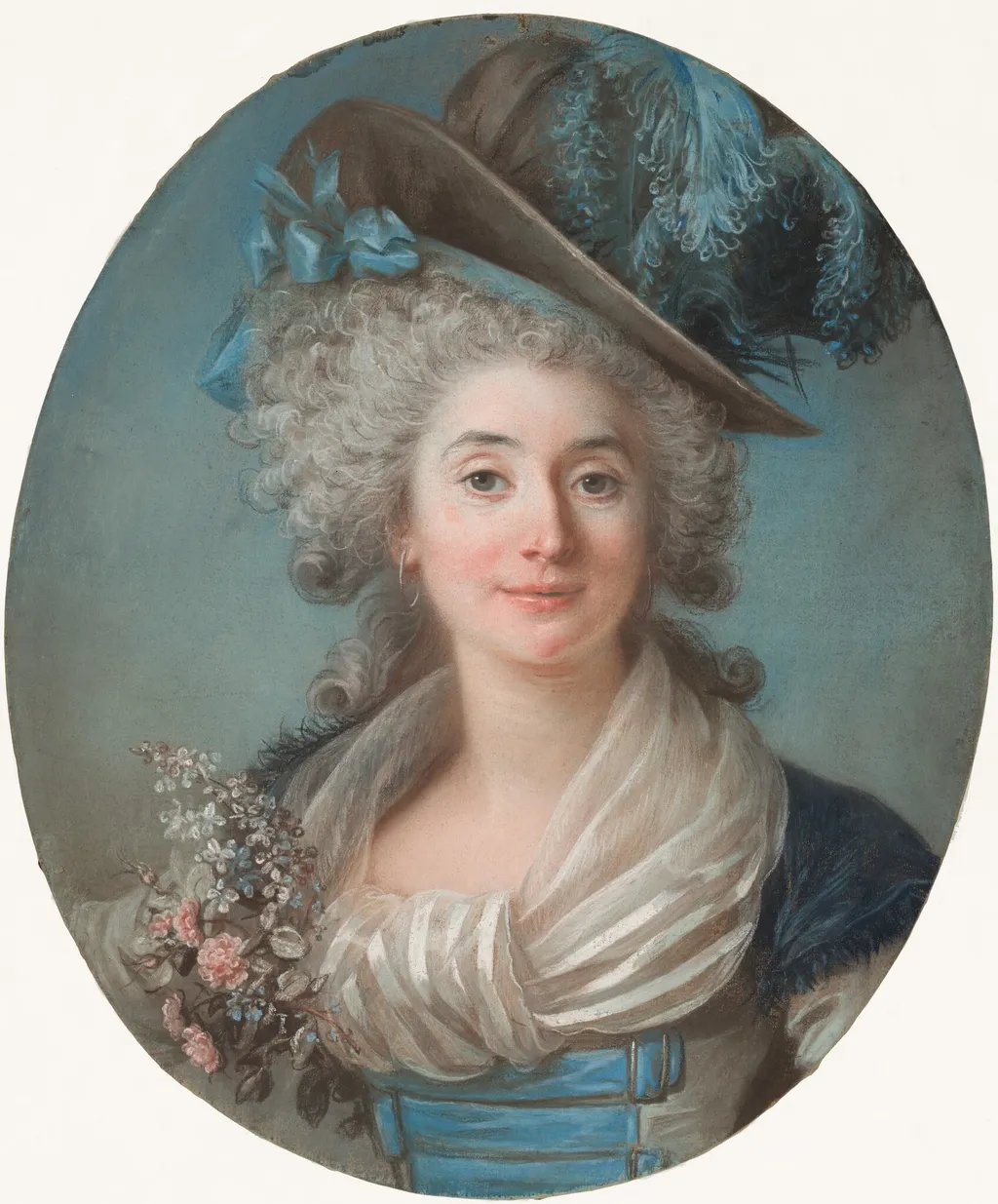
A Fashionable Noblewoman Wearing a Plumed Hat is a pastel drawing by the Romanticist artist Adélaïde Labille-Guiard. It dates from 1789 and is held in the collection of the National Gallery of Art.
About this work
Overview
Created circa 1789, this pastel portrait depicts an unidentified noblewoman in fashionable attire, rendered on blue laid paper and mounted to canvas.
Created circa 1789, this pastel portrait depicts an unidentified noblewoman in fashionable attire, rendered on blue laid paper and mounted to canvas. The artist, Adélaïde Labille-Guiard, was among the first women admitted to the French Royal Academy and later earned the distinction of opening a teaching studio at the Louvre. Her use of pastel reflects a medium favored for its ability to capture subtle textures and refined details characteristic of late 18th-century French portraiture.
Subject & Meaning
The sitter is portrayed in elegant, contemporary dress: a high-curled hairstyle, a wide-brimmed hat adorned with a blue ribbon and upright feather, a light shawl, and a small bouquet of flowers. These elements signal aristocratic refinement and seasonal fashion rather than specific identity. The plain, dark background isolates her figure, emphasizing decorum and composure, aligning with ideals of polite society in pre-revolutionary France.
Technique & Style
Labille-Guiard employed pastel sticks to achieve soft transitions in skin tones and fabric textures. The blue paper ground subtly enhances the cool hues of the hat and shawl, while delicate strokes define the feather’s plume and the bouquet’s petals. The medium’s chalky consistency allowed for layered blending, producing a luminous, intimate effect without the gloss of oil paint, suited to the portrait’s restrained elegance.
History & Provenance
The work dates to the year of the French Revolution, a time when Labille-Guiard was actively promoting women’s access to formal art training. Though the portrait’s early ownership is unrecorded, its preservation on canvas suggests it was valued as a finished work, not merely a study. It remains a rare surviving example of her pastel portraiture outside formal royal commissions.
Context
In late 18th-century France, pastel portraiture was widely embraced by the elite for its ability to convey softness and immediacy. Women artists like Labille-Guiard often specialized in this medium, which was considered more acceptable than large-scale history painting. Her work operated within these constraints while quietly challenging gender norms through technical mastery and institutional presence.
Legacy
Labille-Guiard’s portrait exemplifies how women artists navigated the boundaries of artistic legitimacy in a male-dominated academy. While the subject’s identity remains anonymous, the work endures as evidence of her skill in capturing refined detail and social nuance. It stands as a quiet testament to the professional presence of women in French art on the eve of radical societal change.
Artist & collection
Artist
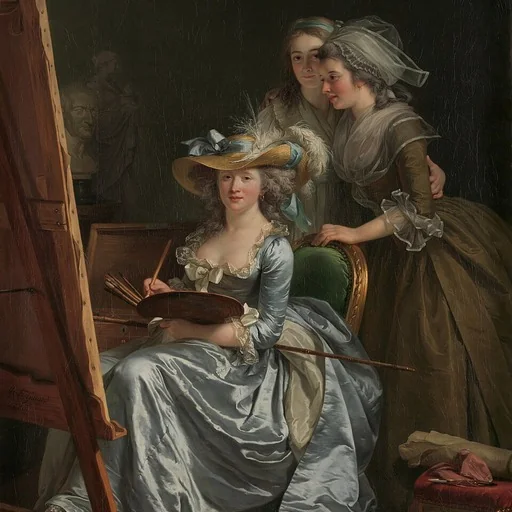
Adélaïde Labille-Guiard (née Labille; 11 April 1749 – 24 April 1803), also known as Adélaïde Labille-Guiard des Vertus, was a French miniaturist and portrait painter.

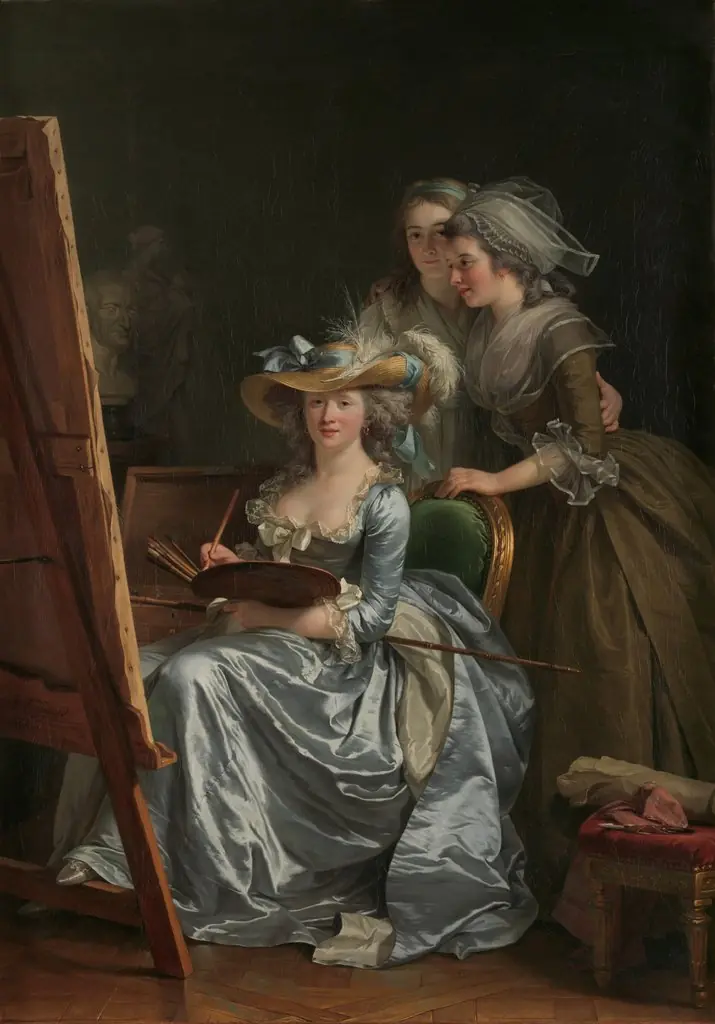 Self-Portrait with Two Pupils
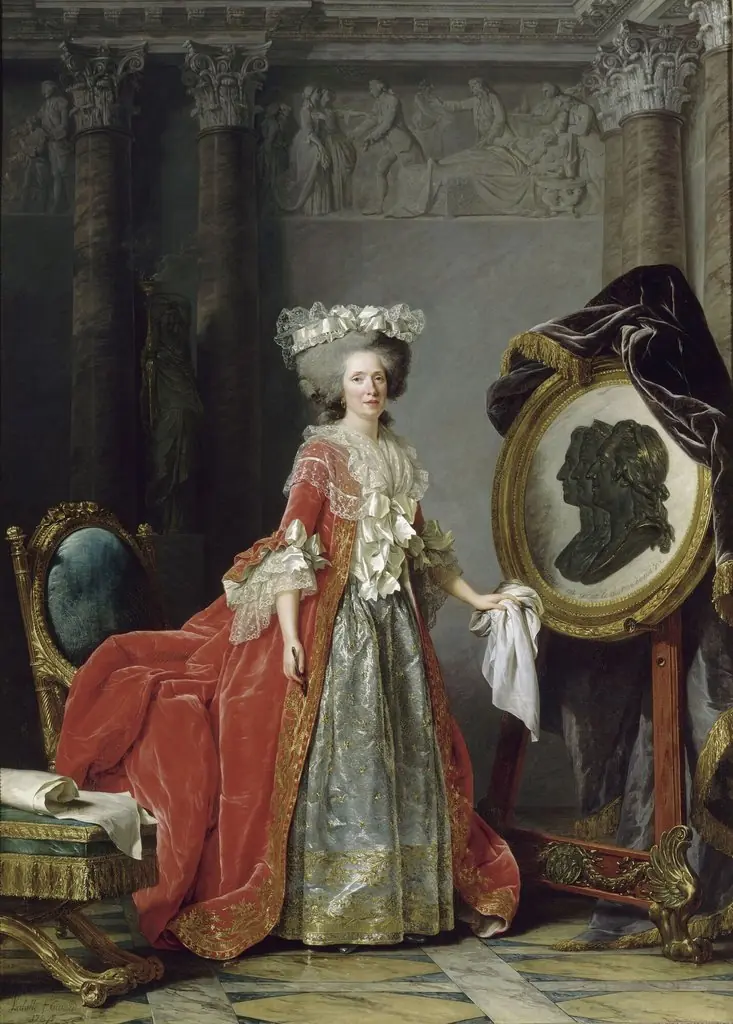 Marie-Adélaïde of France, known as Madame Adélaïde
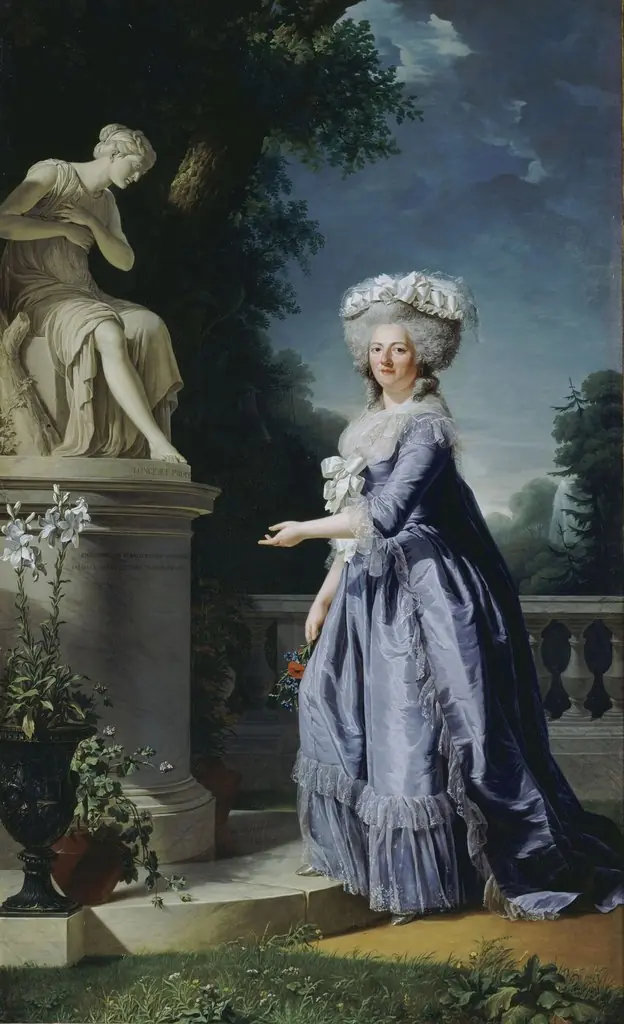 Madame Victoire of France
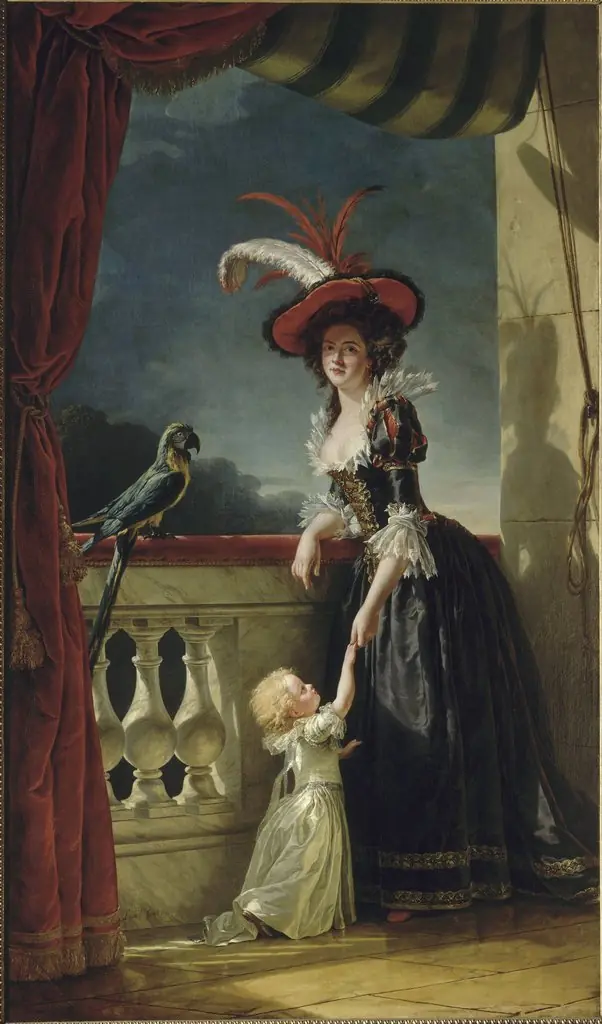 Portrait of Elisabeth of France, Duchess of Parma (1727-1759)
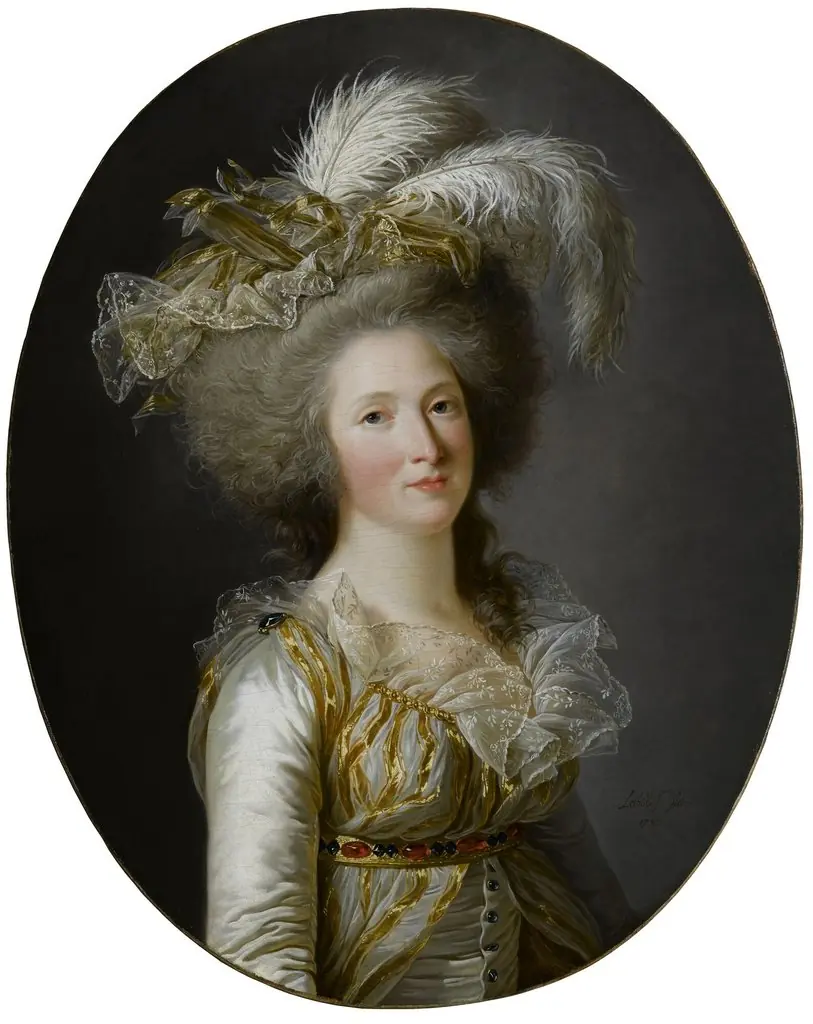 Elisabeth-Philippe-Marie-Hélène of France, known as Madame Elisabeth (1764-1794)
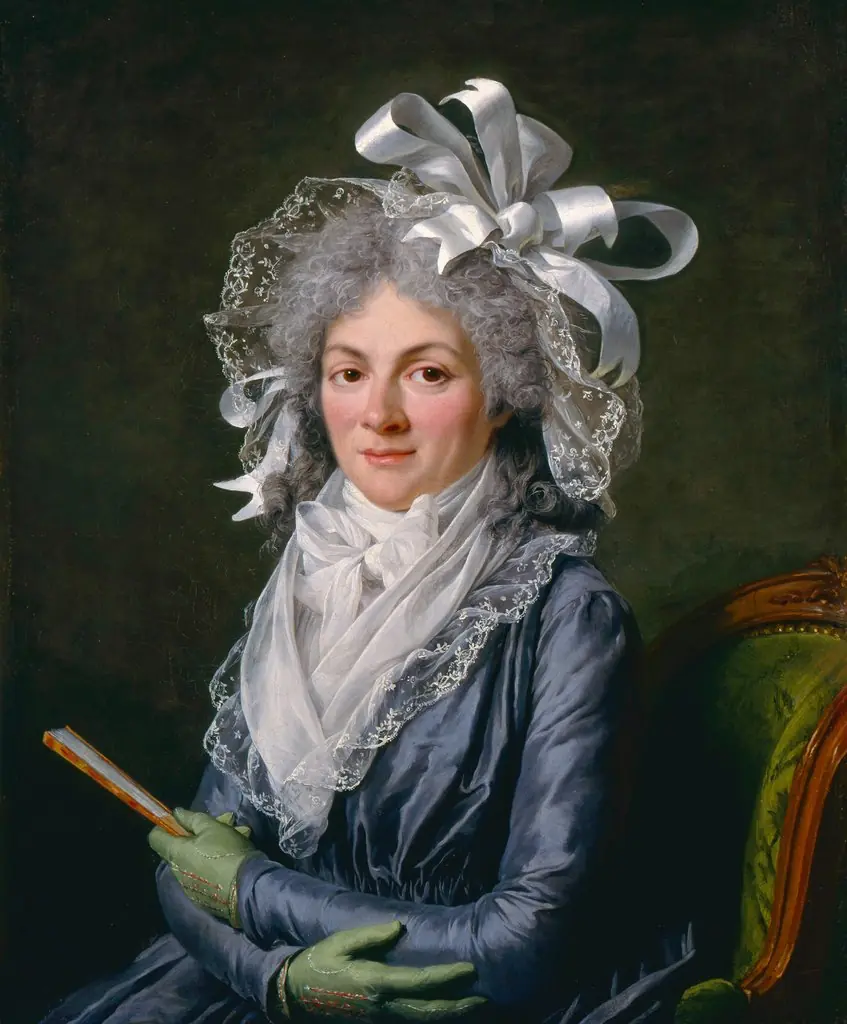 Portrait of Madame de Genlis
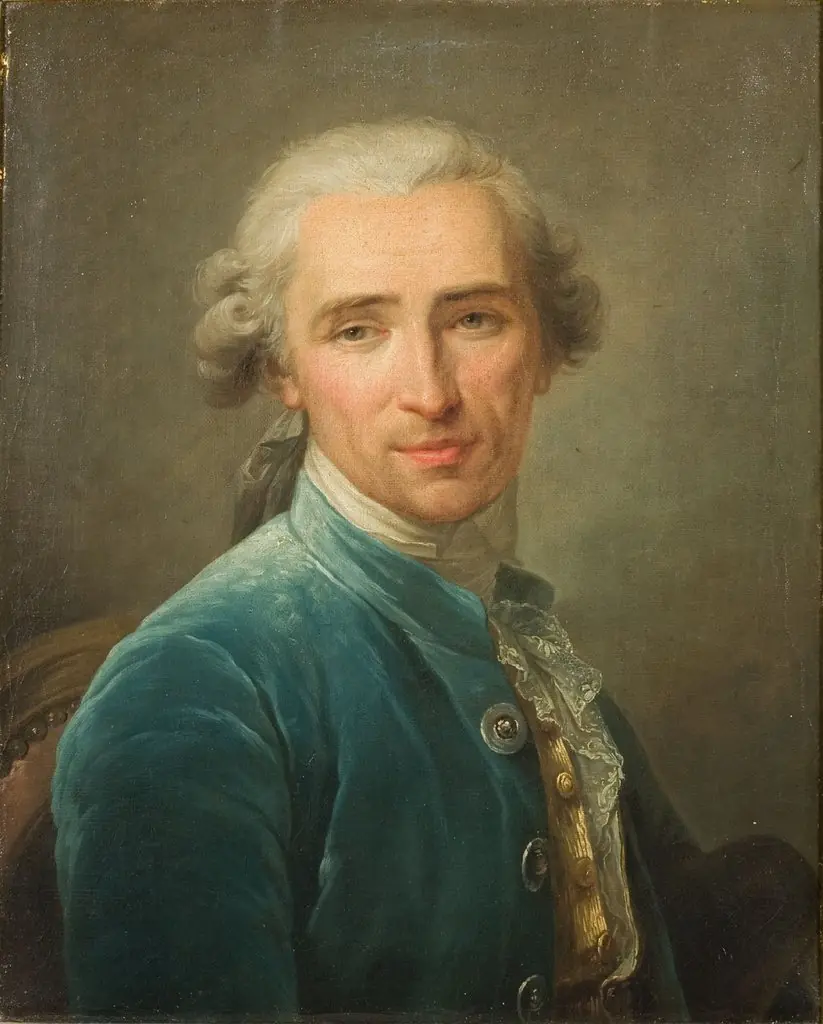 Portrait de Joseph Benoît Suvée
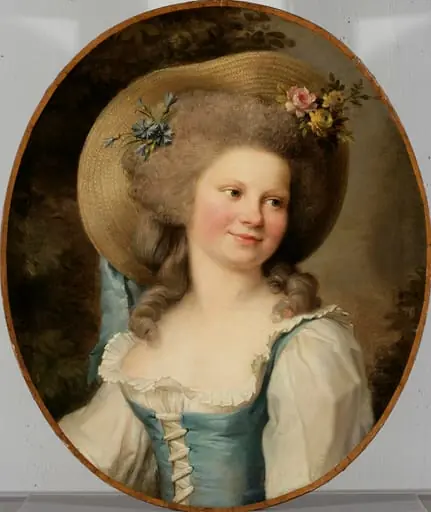 Mme Dugazon Babet'n roolissa
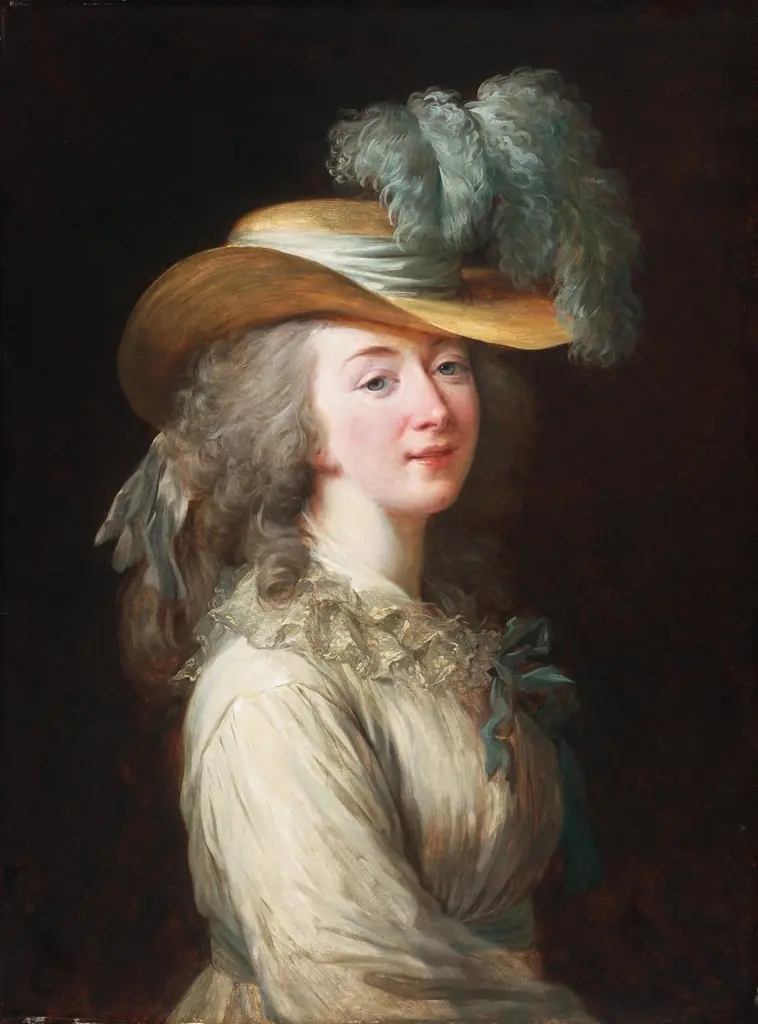 Portrait of Madame Du Barry
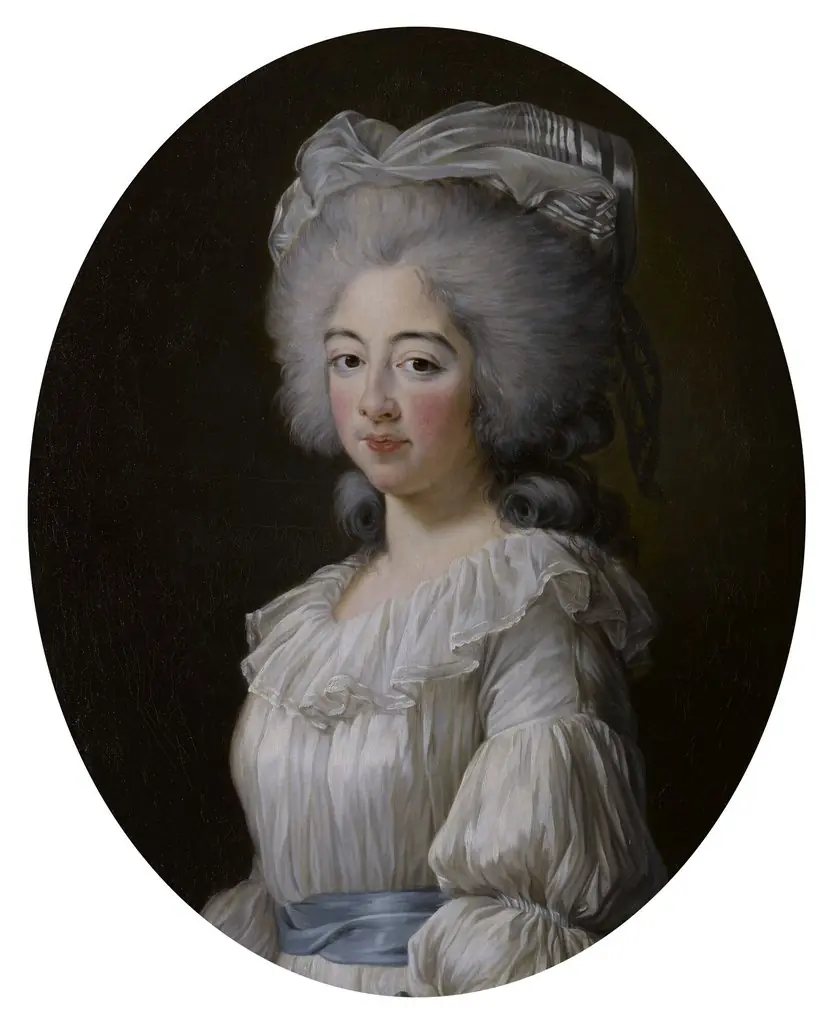 Portrait of Marie Joséphine of Savoy (1753-1810), Countess of Provence
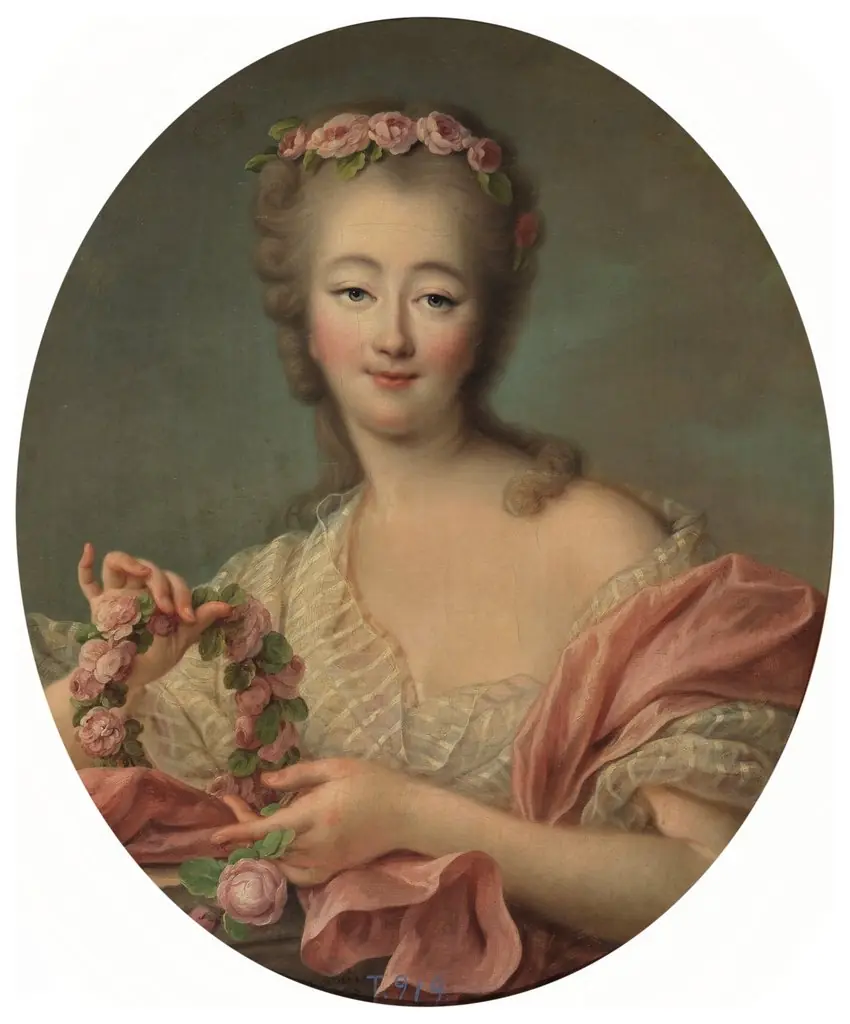 Portrait of Madame du Barry (1743-1793)
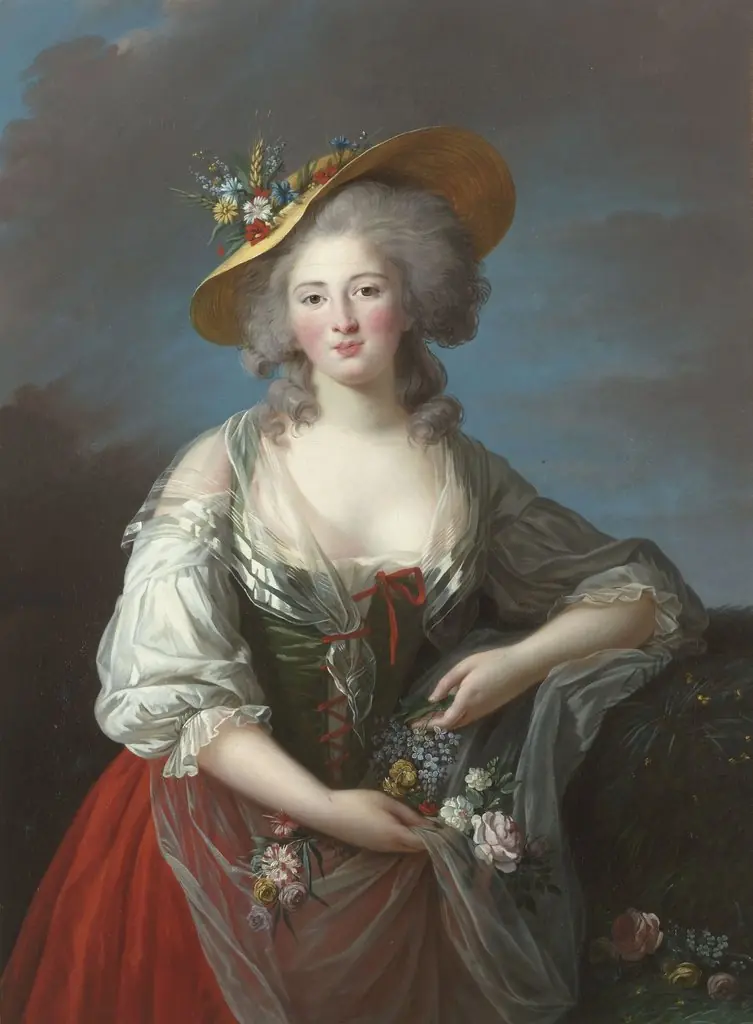 Elisabeth-Philippe-Marie-Hélène de France, dite Madame Elisabeth
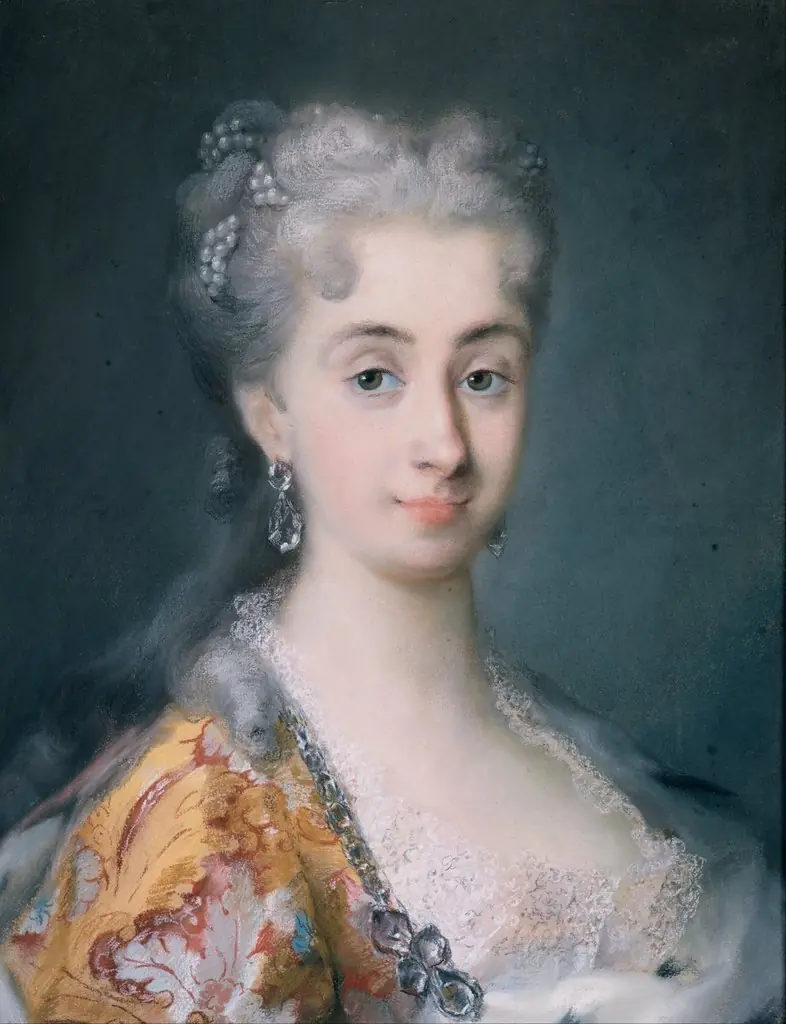 Lucrezia Mocenigo
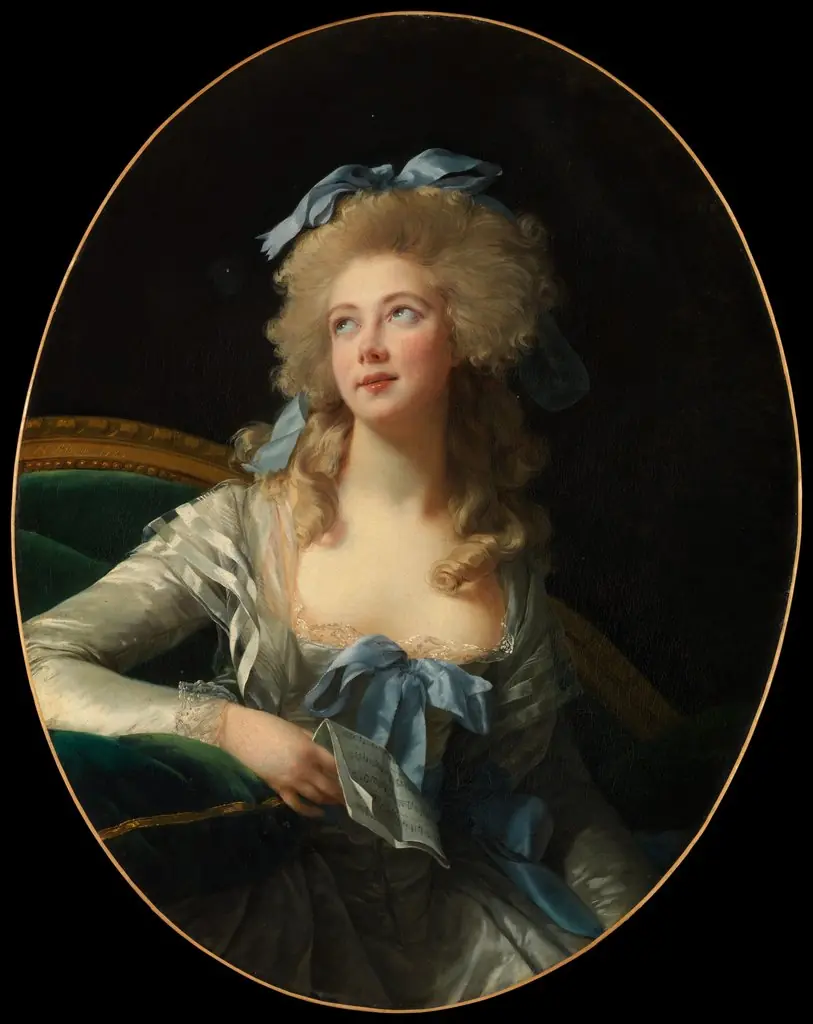 Madame Grand (Noël Catherine Verlée, 1761–1835)
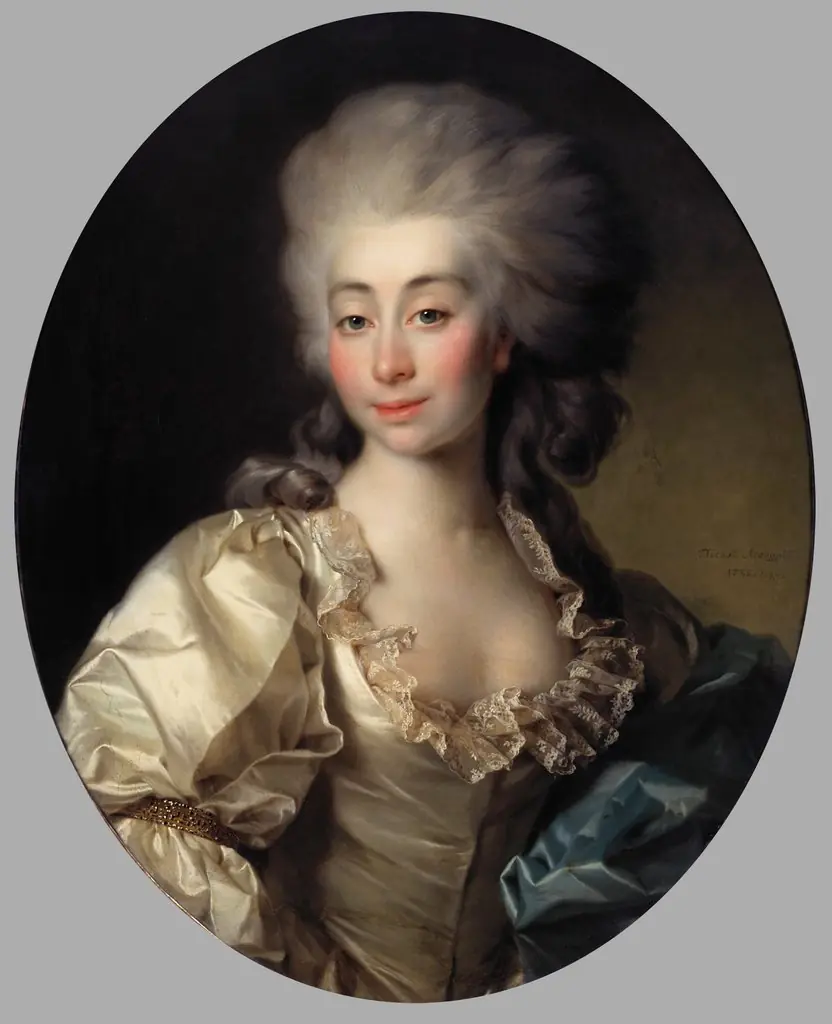 Portrait of Countess Ursula Mniszek
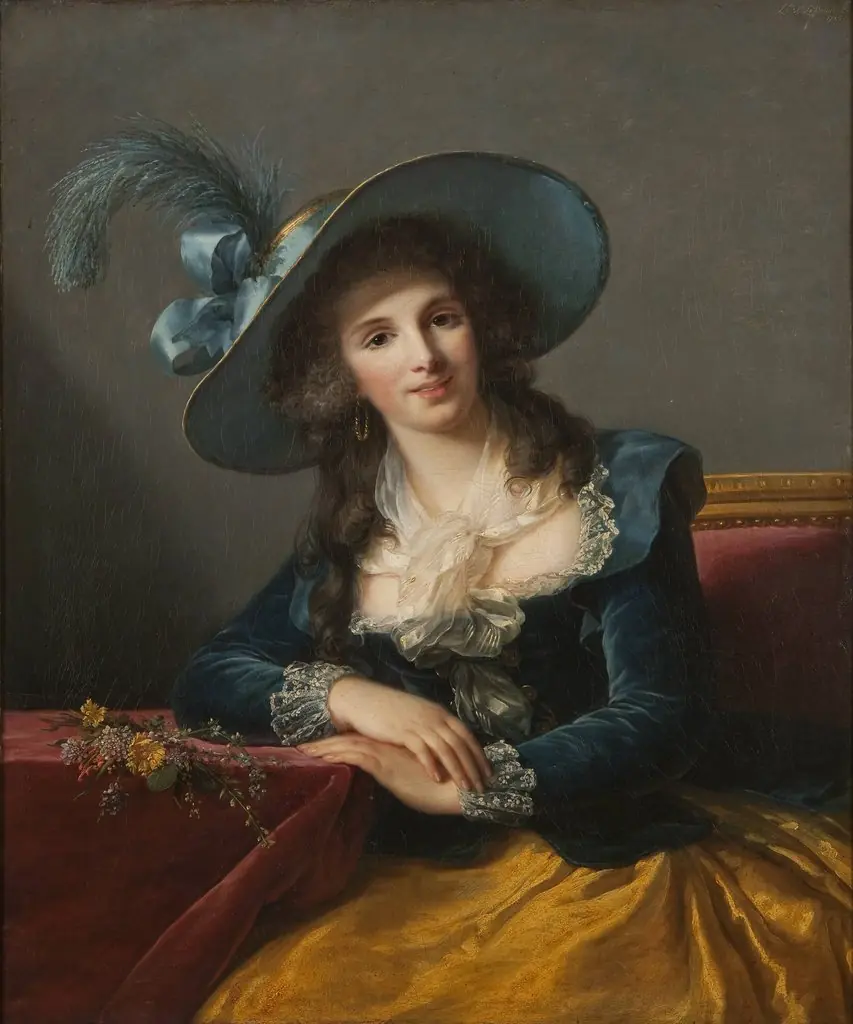 Antoinette-Elisabeth-Marie d'Aguesseau, Countess of Ségur
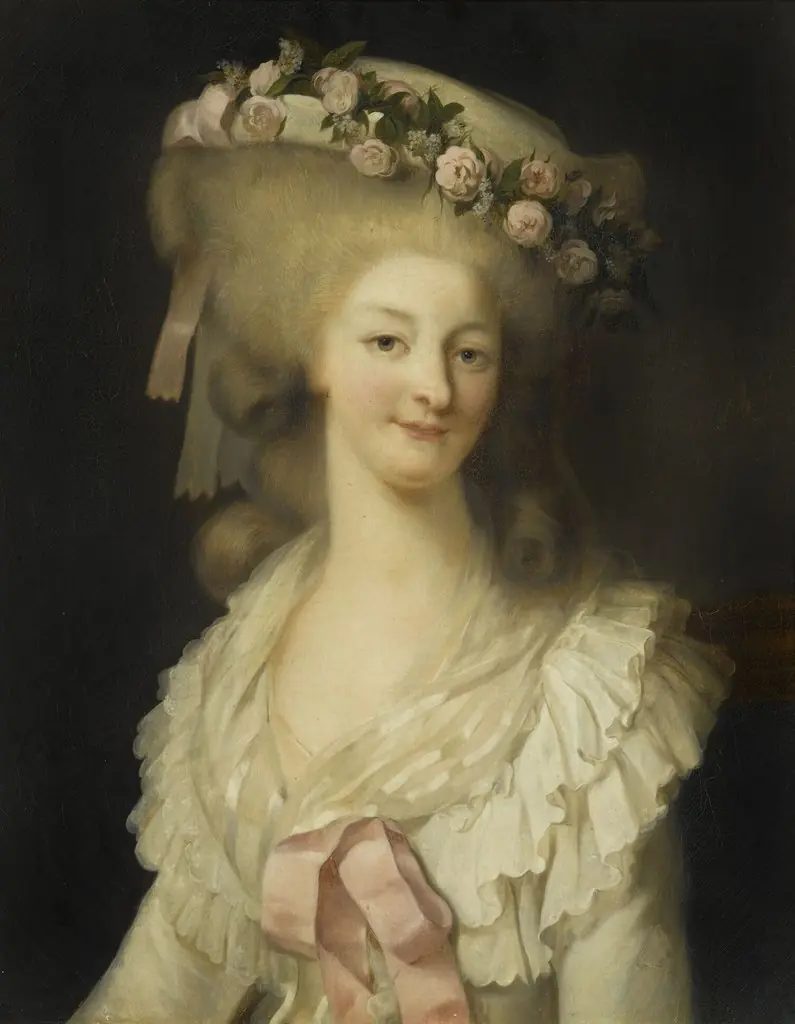 Marie-Thérèse-Louise de Savoie-Carignan, Princess of Lamballe
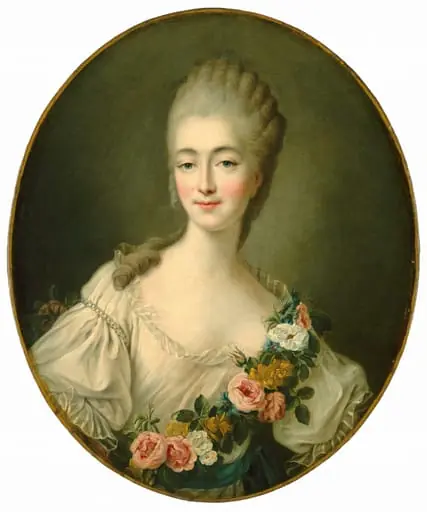 Jeanne Bécu, Comtesse du Barry
 Portrait of an Unknown Woman with a Rose
 Yolande-Martine-Gabrielle de Polastron, Duchess de Polignac