Artwork
H Beard Print Collection
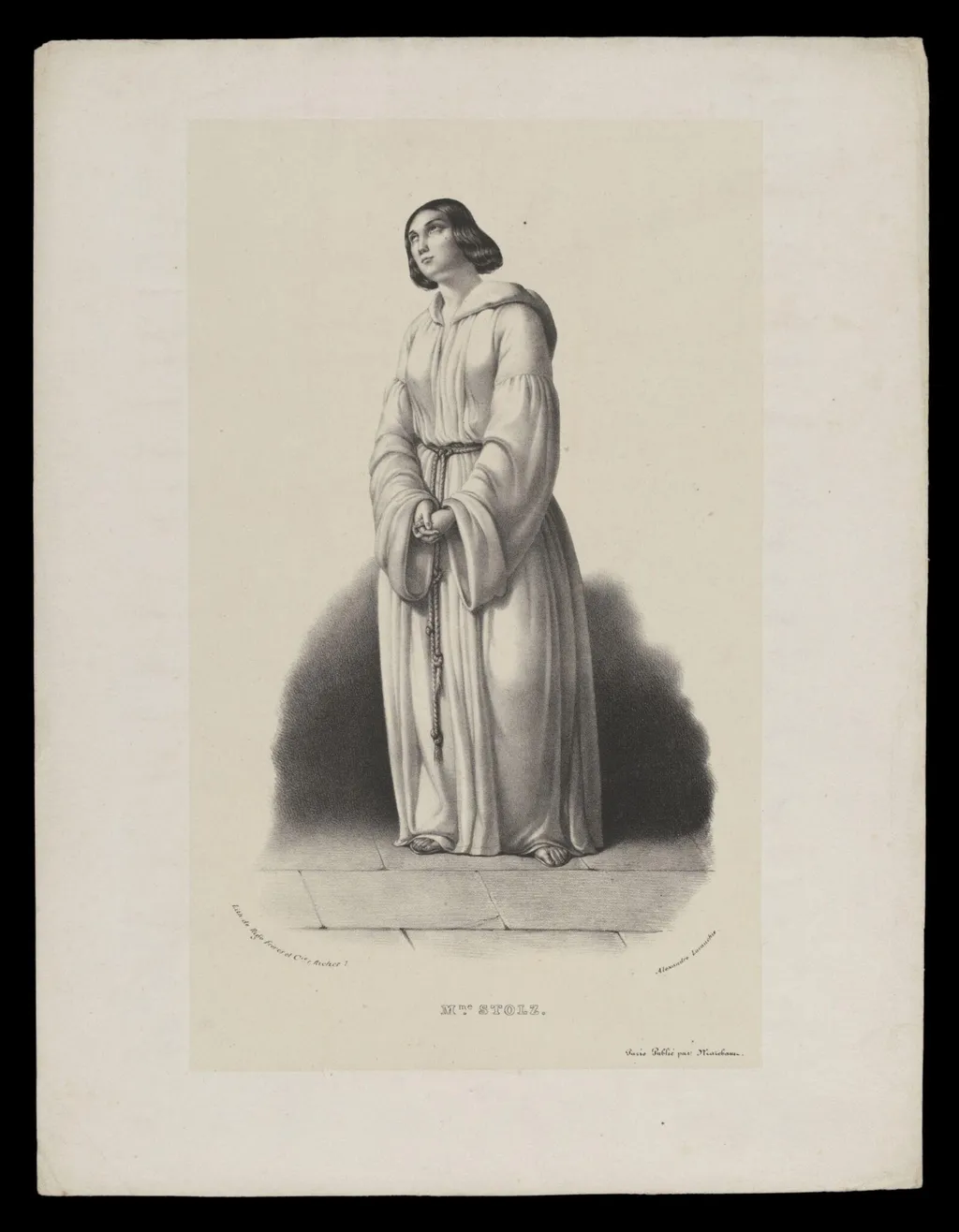
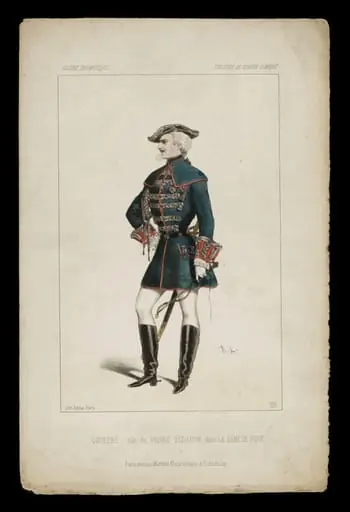
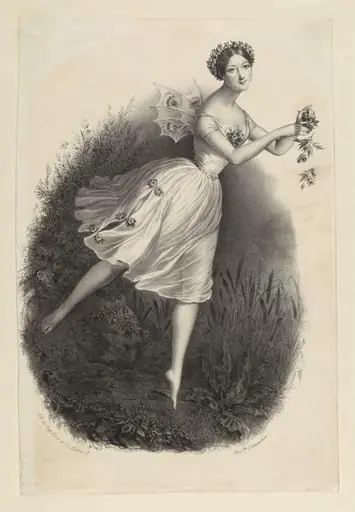
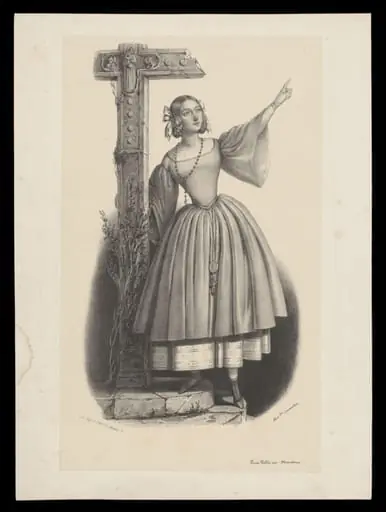
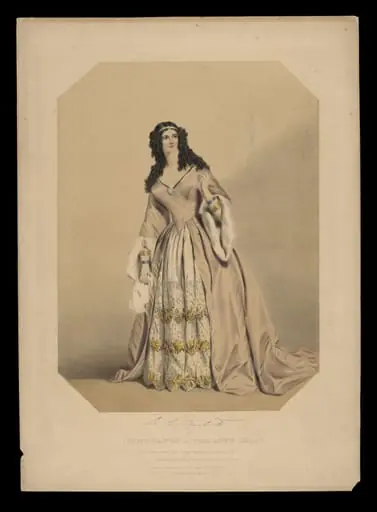
H Beard Print Collection is a print by the Romanticist artist Alexandre Lacauchie. It dates from 1841 and is held in the collection of the Victoria and Albert Museum. This print, part of the H.
About this work
The print is titled H Beard Print Collection, created by Alexandre Lacauchie in 1841.
It's a print, which is a common medium for artwork from this time.
The print depicts Rosine Stoltz as a nun, which suggests a focus on storytelling and drama, typical of the Romanticism movement.
Check out the movement Romanticism to learn more about this style of art.
Overview
It portrays the French opera singer Rosine Stoltz in the role of a nun, reflecting the period’s fascination with theatrical subjects.
This print, part of the H. Beard Print Collection, was produced in 1841 by Alexandre Lacauchie. It portrays the French opera singer Rosine Stoltz in the role of a nun, reflecting the period’s fascination with theatrical subjects. As a printed image, it was likely intended for wide distribution, serving both as entertainment and cultural documentation during a time when visual media reached broader audiences than painted works.
Subject & Meaning
Rosine Stoltz, a celebrated contralto of the Paris Opéra, is depicted in religious garb, suggesting a character from an operatic or dramatic work. The choice of a nun as subject evokes themes of sacrifice, inner conflict, and spiritual tension—common motifs in Romantic-era storytelling. The image does not portray an actual nun but rather a performer embodying a dramatic role, blurring the line between reality and theatrical representation.
Technique & Style
Executed as a print, the work employs line-based engraving or lithographic methods typical of mid-19th-century illustration. The composition emphasizes expressive gestures and detailed costume, aligning with Romanticism’s preference for emotional intensity and narrative clarity. Lighting and shading are used to model form and heighten drama, though the medium limits tonal depth compared to oil painting.
History & Provenance
The print originates from the H. Beard Collection, a significant assemblage of theatrical imagery compiled by the 19th-century British impresario Henry Beard. His collection preserved images of performers and stage productions, offering a visual archive of opera and theater culture. This piece entered the collection shortly after its creation, reflecting contemporary interest in celebrity performers and their roles.
Context
In 1841, Parisian opera was a dominant cultural force, and performers like Stoltz were public figures whose personas extended beyond the stage. Prints such as this one circulated among middle-class audiences, functioning as both memorabilia and cultural commentary. The depiction of religious figures in secular performance contexts mirrored broader societal tensions between faith, spectacle, and identity in post-revolutionary France.
Legacy
As part of the Beard Collection, this print contributes to the historical record of 19th-century performance culture. It preserves the visual representation of a prominent singer at the height of her career, offering insight into how theatrical roles were commodified and consumed. While not widely known today, such prints remain valuable resources for scholars studying the intersection of music, image, and public identity in the Romantic era.
Artist & collection
Artist
Alexandre Lacauchie made prints in the 19th century, mostly portraits and scenes that circulated widely.