Artwork
H Beard Print Collection
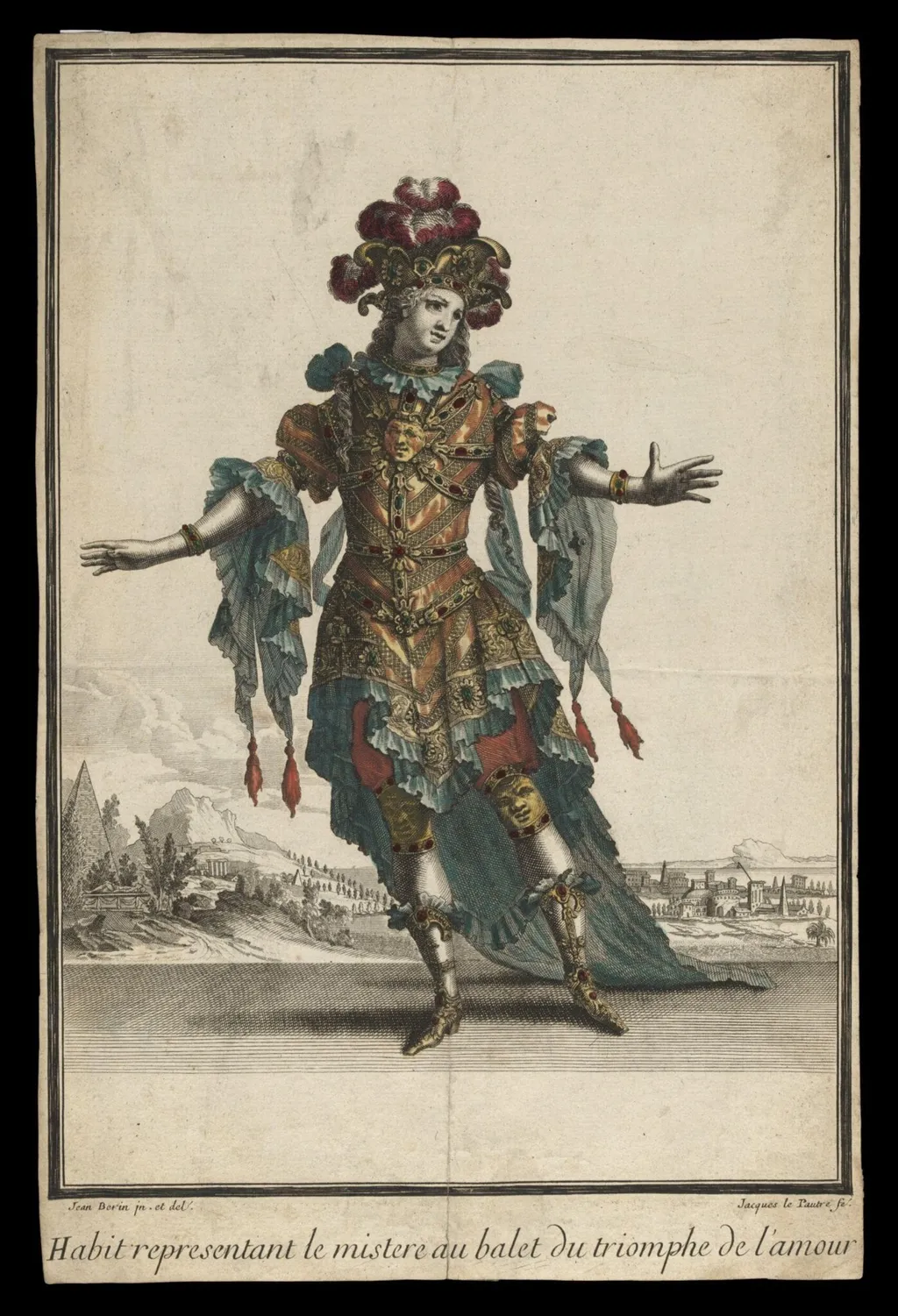
H Beard Print Collection is a print by Jacques le Pautre. It dates from 1650 and is held in the collection of the Victoria and Albert Museum. This hand-coloured engraving depicts a dancer in elaborate costume from the 1681 ballet *The Triumph of Love*.
About this work
This print shows Louis XIV on stage during a famous 1681 ballet called *The Triumph of Love*. Jacques Le Pautre made it as a colored engraving in the late 1600s.
The outfit is wild: a dark-blue tunic over red pants, metal face-plates on his chest and knees, and tall feathers in his hat.
Want to see more stage prints like this? Check out the Victoria and Albert Museum.
Overview
Created by Jacques Le Pautre, the print captures a moment from a court performance staged to honor the Dauphin’s marriage.
This hand-coloured engraving depicts a dancer in elaborate costume from the 1681 ballet *The Triumph of Love*. Created by Jacques Le Pautre, the print captures a moment from a court performance staged to honor the Dauphin’s marriage. The figure’s ornate attire and theatrical presence reflect the grandeur of French royal entertainment during the reign of Louis XIV, with the dancer likely portraying the monarch himself.
Subject & Meaning
The figure represents Louis XIV in his role as a dancer, a common practice among French royalty to assert divine authority through performance. The costume’s symbolic elements—closed-eye faces on metal plates, towering feathers, and layered fabrics—convey mythic grandeur, aligning the king with celestial or divine figures. The ballet’s theme of love’s triumph reinforced political harmony through allegory, merging personal celebration with state ideology.
Technique & Style
Executed as a detailed engraving with hand-applied color, the print combines precise line work with rich, layered pigments to mimic the opulence of stage costume. The textures of fabric, metal, and feathers are rendered with careful attention to pattern and depth. The composition emphasizes verticality and ornamentation, typical of late 17th-century French theatrical portraiture, where spectacle outweighed naturalism.
History & Provenance
The print originates from the 1681 performance at Saint-Germain-en-Laye, commemorating the Dauphin’s marriage to Marie-Anne of Bavaria. It was likely produced shortly after the event for court circulation or archival purposes. The work entered the Harry Beard Collection, a significant assemblage of theatrical ephemera, now held by the Victoria and Albert Museum, preserving rare visual records of early ballet.
Context
Ballet de cour in Louis XIV’s court fused dance, music, and costume into political theater. Performances were not mere entertainment but demonstrations of royal power, often featuring the king as lead dancer. *The Triumph of Love* exemplifies this tradition, using allegory to celebrate dynastic union. Such productions helped establish ballet as a formal art and reinforced the monarchy’s cultural dominance across Europe.
Legacy
This engraving survives as one of the few visual records of early French court ballet, offering insight into the intersection of performance, costume design, and royal propaganda. It contributes to the historical understanding of how dance functioned as a tool of statecraft. The print’s preservation in the Beard Collection ensures its continued role in scholarly study of Baroque theatrical culture.
Artist & collection
Artist
Jacques le Pautre didn’t just draw furniture—he made it dance. A Parisian craftsman in the late 1600s, he turned chairs and tables into swirling, leafy fantasies, etching them with the same restless energy he brought to…

 H Beard Print Collection
 H Beard Print Collection
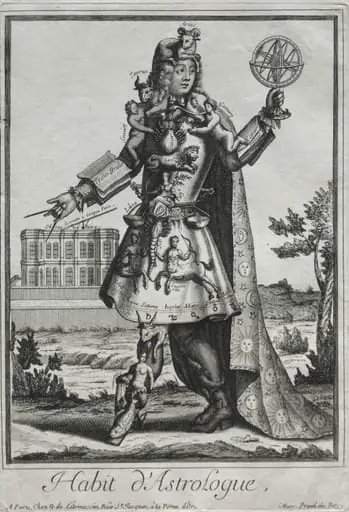 Fanciful Costumes: Costume of the Astrologer
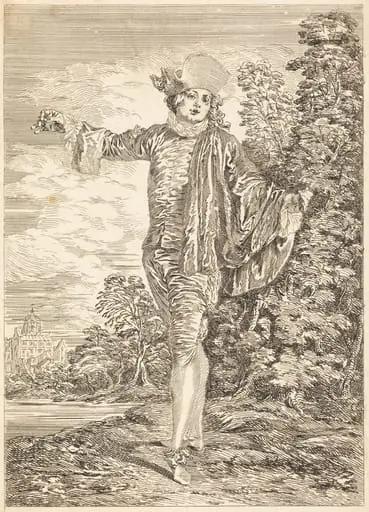 Indifferent (L'Indifférent)
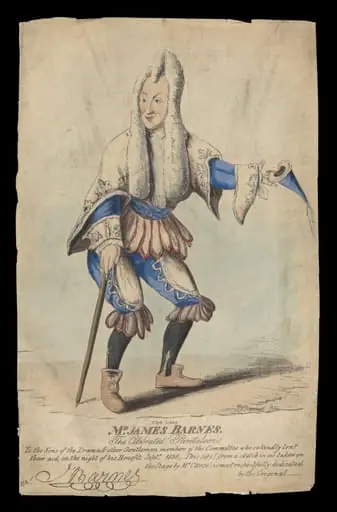 H Beard Print Collection
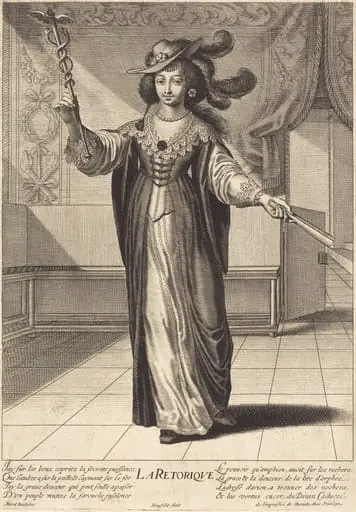 La Retorique (Rhetoric)
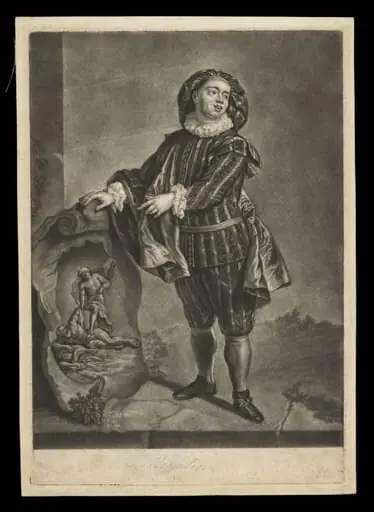 H Beard Print Collection
 H Beard Print Collection
 H Beard Print Collection
 Stanislaw Sobocki (?)
 H Beard Print Collection
 H Beard Print Collection