Artwork
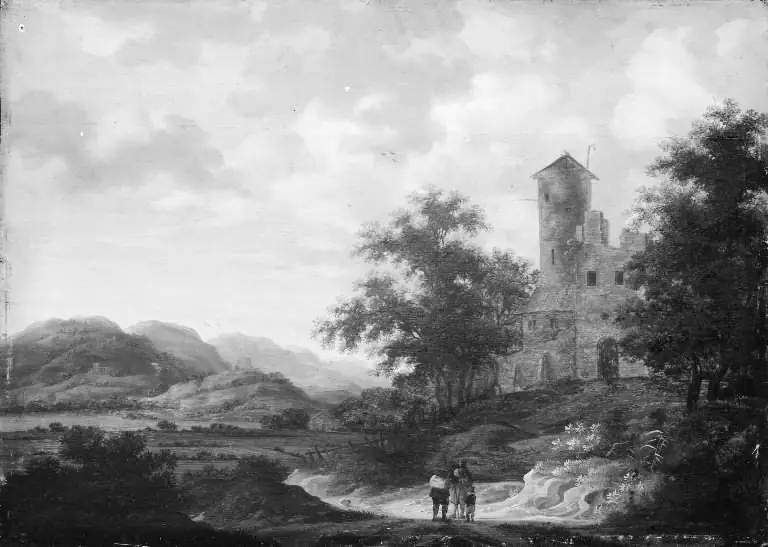
Peisaj cu turn rotund
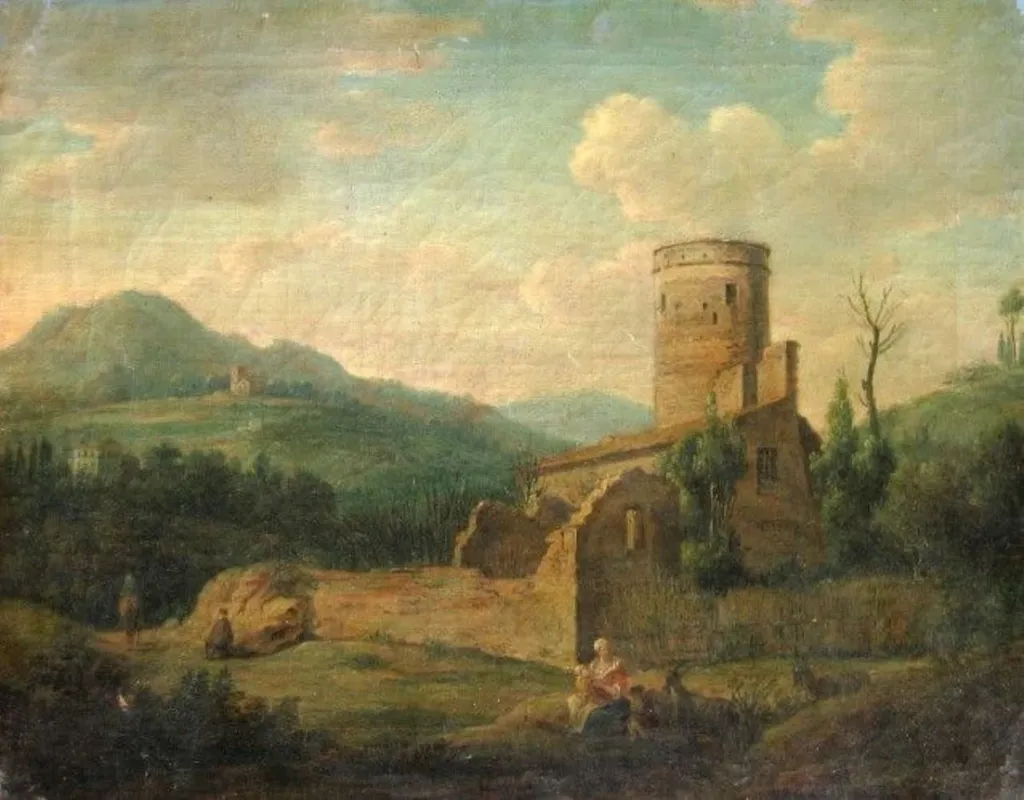
Peisaj cu turn rotund is an unspecified painting by the Baroque artist Hendrick Frans van Lint. It is held in the collection of the Brukenthal National Museum.
About this work
Overview
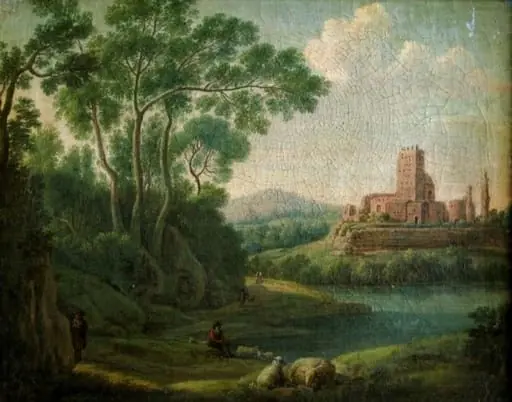
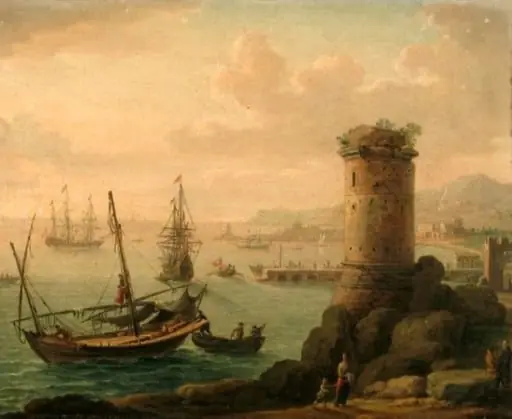
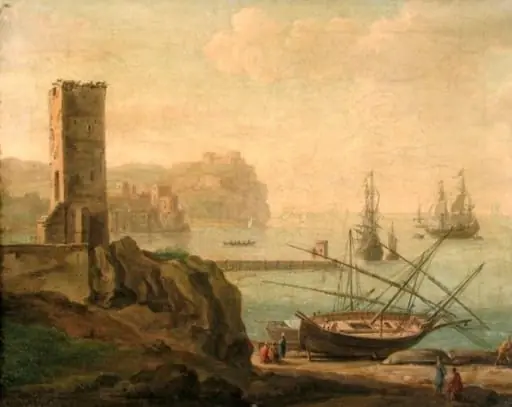
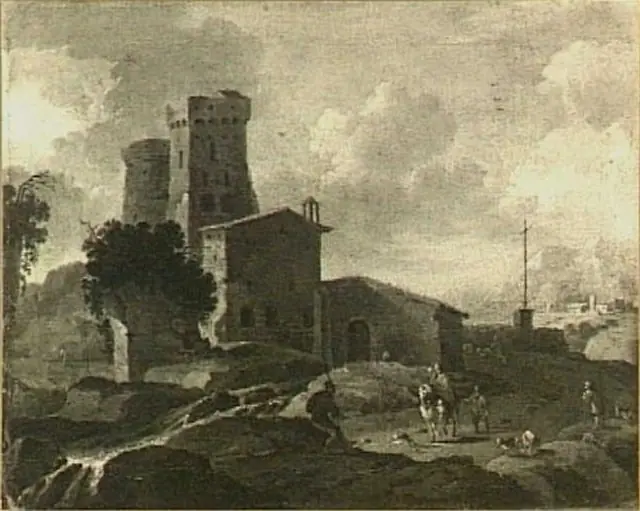
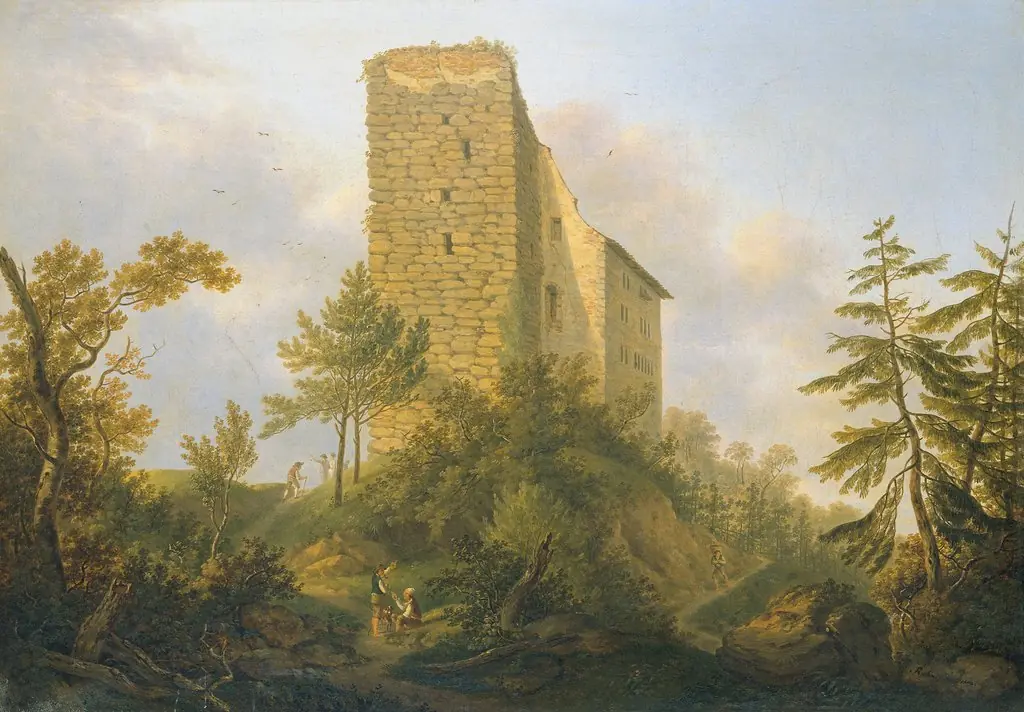
Hendrick Frans van Lint’s painting depicts a solitary round tower emerging from rolling green fields beneath a soft, overcast sky.
Hendrick Frans van Lint’s painting depicts a solitary round tower emerging from rolling green fields beneath a soft, overcast sky. Though executed in the Dutch tradition, the architecture evokes Roman antiquity. Van Lint, who never traveled beyond Italy, incorporated Italianate ruins into his landscapes, blending observed detail with imaginative reconstruction to create a serene, timeless atmosphere.
Subject & Meaning
The tower, though styled as Roman, is not a documented ruin but a fictionalized element drawn from van Lint’s familiarity with Italian architecture. Its isolation in the landscape suggests contemplation of time and decay. The absence of human figures or activity enhances the sense of quiet solitude, inviting reflection rather than narrative.
Technique & Style
Van Lint employed delicate brushwork and subtle tonal gradations to render the tower’s surface, catching light on its left flank while the surrounding terrain remains in muted shadow. The sky is rendered with soft, diffused clouds, contributing to a hazy, atmospheric effect. This approach prioritizes mood over topographical accuracy, aligning with the poetic sensibility of 18th-century landscape painting.
History & Provenance
The painting is attributed to Hendrick Frans van Lint, a Flemish artist active in Rome during the early 1700s. Though born in the Netherlands, he spent most of his career in Italy, where he developed a reputation for idealized views of classical ruins. This work likely originated in his Roman studio and entered collections through the Grand Tour trade.
Context
Van Lint worked within a broader European trend of romanticizing antiquity through landscape. His paintings catered to collectors who prized evocative, imaginary ruins over precise topography. Even as Dutch artists typically favored local scenes, van Lint’s fusion of Northern precision with Italianate subjects carved a unique niche in 18th-century art markets.
Legacy
Van Lint’s blend of realism and invention influenced later vedute painters and contributed to the enduring appeal of imagined classical landscapes. Though not widely celebrated today, his works remain examples of how artists synthesized observation and imagination to evoke emotional resonance, bridging Northern and Southern European traditions.
Artist & collection
Artist
Hendrick Frans van Lint painted views of crumbling buildings and harbors in soft, faded colors.