Artwork
Landscape in the Style of Juran
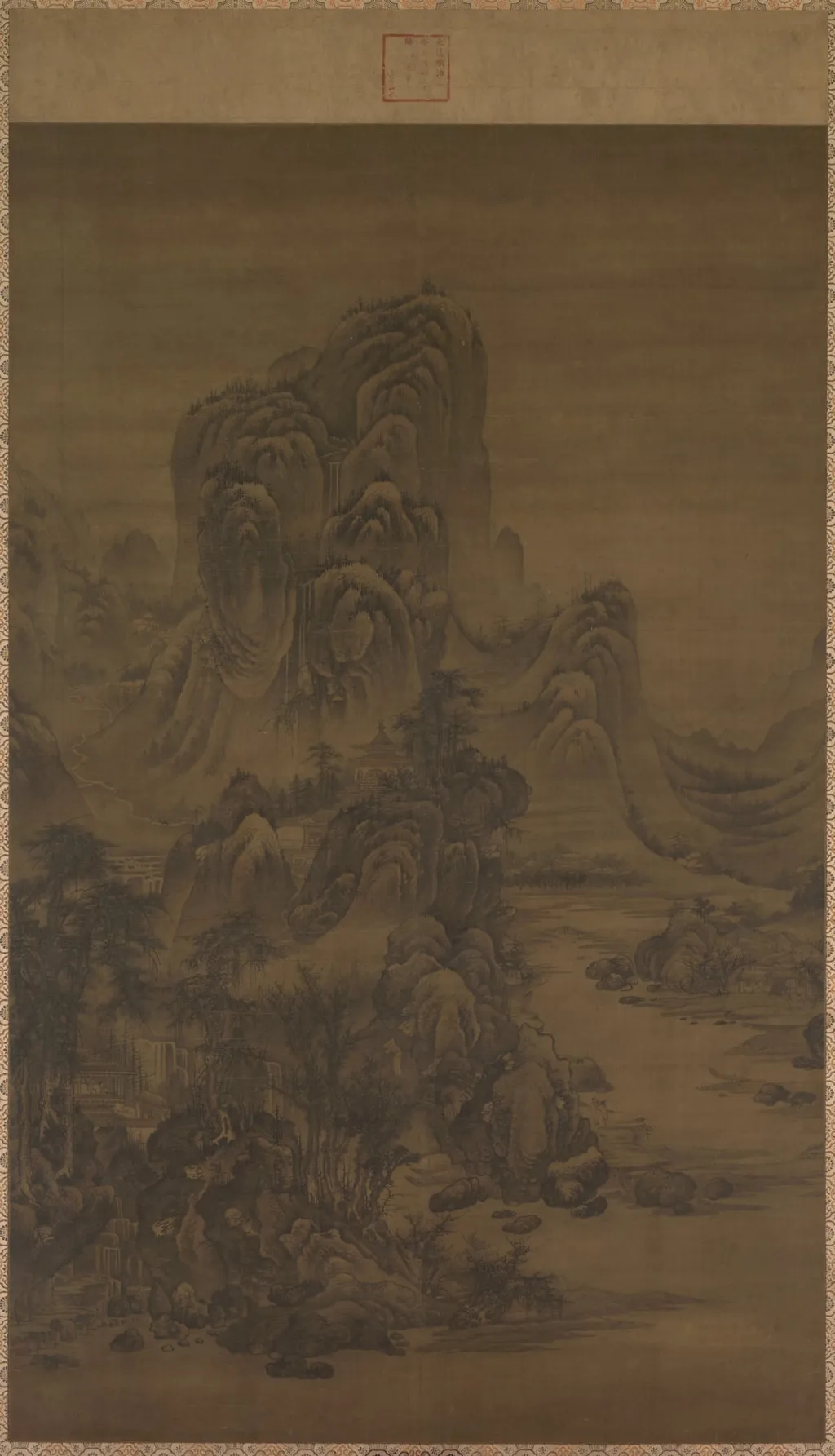
Landscape in the Style of Juran is an unspecified painting by the Ming dynasty painting artist Liu Du. It dates from 1506 and is held in the collection of the Cleveland Museum of Art.
About this work
Overview
Painted in 1506 by Liu Du, this landscape draws inspiration from the tradition of Juran, a Southern Song dynasty painter known for atmospheric mountain scenes.
Painted in 1506 by Liu Du, this landscape draws inspiration from the tradition of Juran, a Southern Song dynasty painter known for atmospheric mountain scenes. The work is part of the Cleveland Museum of Art’s collection and exemplifies the Ming dynasty’s continued engagement with earlier artistic models. Its subdued palette and evocative composition reflect a deliberate reverence for past masters while asserting the artist’s personal interpretation of nature.
Subject & Meaning
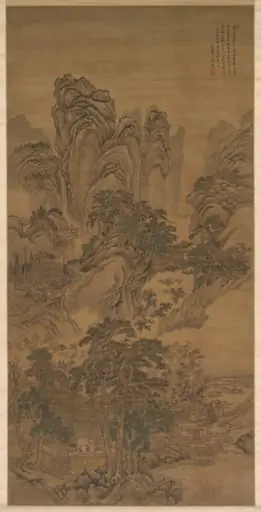
The painting depicts a mist-shrouded mountain range with towering, irregular peaks, a solitary pavilion nestled at the base of a cliff, and a meandering path or stream cutting through the foreground. These elements evoke a contemplative solitude, suggesting a retreat from worldly concerns. The absence of human figures reinforces a sense of quietude, aligning the scene with Daoist ideals of harmony with nature and the ineffable beauty of the wild.
Technique & Style
Liu Du employs loose, rapid brushwork to suggest the texture of rock, cloud, and foliage, avoiding precise definition in favor of suggestive forms. The monochromatic tones—dominated by gray, brown, and muted green—create a unified, hazy atmosphere. Subtle washes imply depth and volume, while the faint blue-gray sky adds a sense of distance. This technique prioritizes mood over detail, echoing the expressive brush traditions of Southern Song ink painting.
History & Provenance
The painting entered the Cleveland Museum of Art’s collection in the 20th century, though its earlier ownership history remains undocumented. It was likely produced during Liu Du’s active years in the early Ming court, where artists often revived Song dynasty styles to assert cultural continuity. Its survival into modern times reflects its status as a respected, if understudied, example of Ming literati landscape painting.
Context
In early 16th-century China, painters frequently revisited the styles of revered Song masters like Juran as a way to connect with a perceived golden age of artistic refinement. Liu Du’s work fits within this revivalist trend, where imitation was not mere copying but a form of dialogue with the past. Such landscapes were appreciated by scholar-officials who valued their spiritual resonance over decorative appeal.
Legacy
Liu Du’s painting contributes to the broader narrative of Ming-era literati painting, where stylistic homage served as both artistic discipline and philosophical expression. Though not widely known outside scholarly circles, it remains a quiet testament to the enduring influence of Song aesthetics. Its presence in a major Western museum underscores its role in cross-cultural appreciation of Chinese ink traditions.
Artist & collection

 北宋 佚名 倣范寬山水圖 軸|Landscape in the style of Fan Kuan
 宋許道寧畫雪景 軸
 Sunset Glow over a Fishing Village, from Eight Views of Xiao-Xiang
 Fishing on an Autumn River
 Winter Landscape
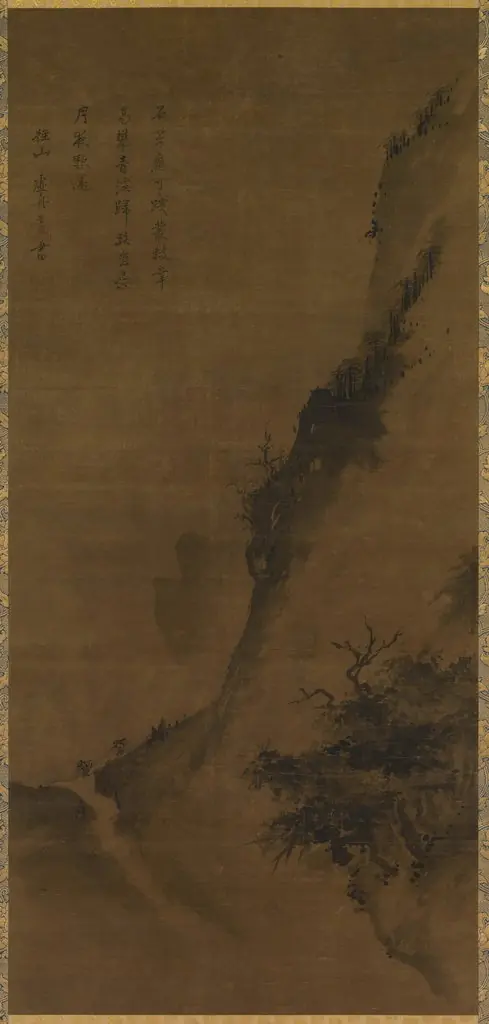 Landscape with Woodcutters Returning Home
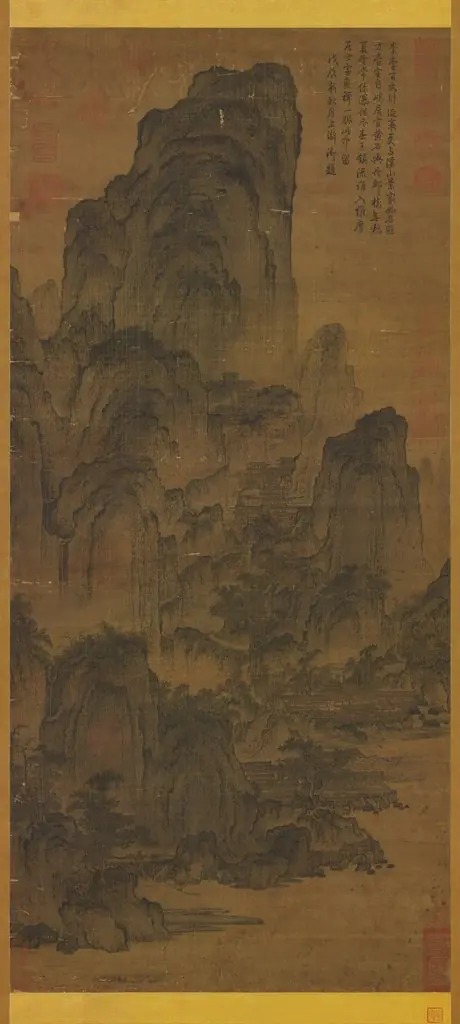 Pavilions Among Streams and Mountains
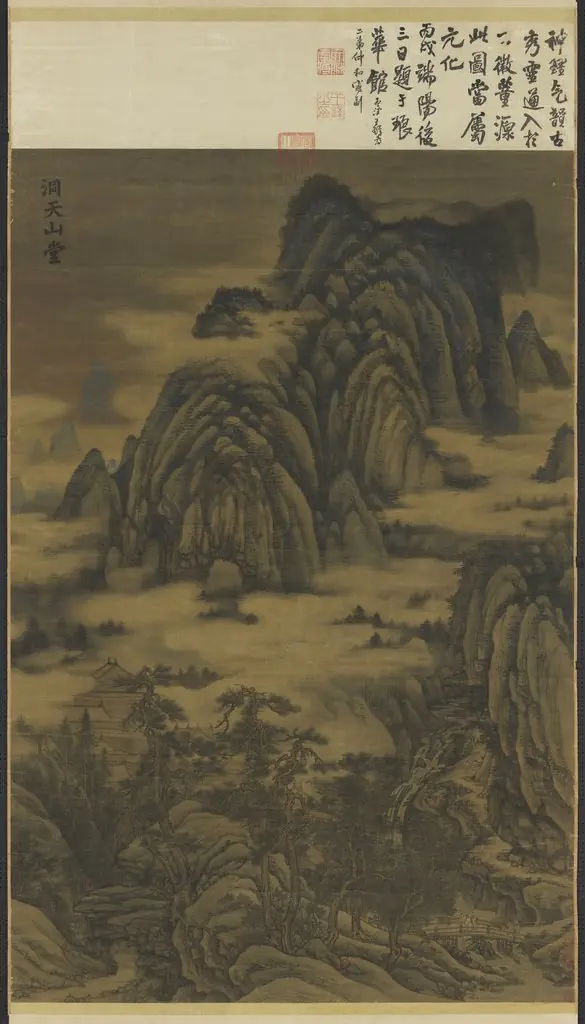 The Immortal Paradise Building in the Mountain
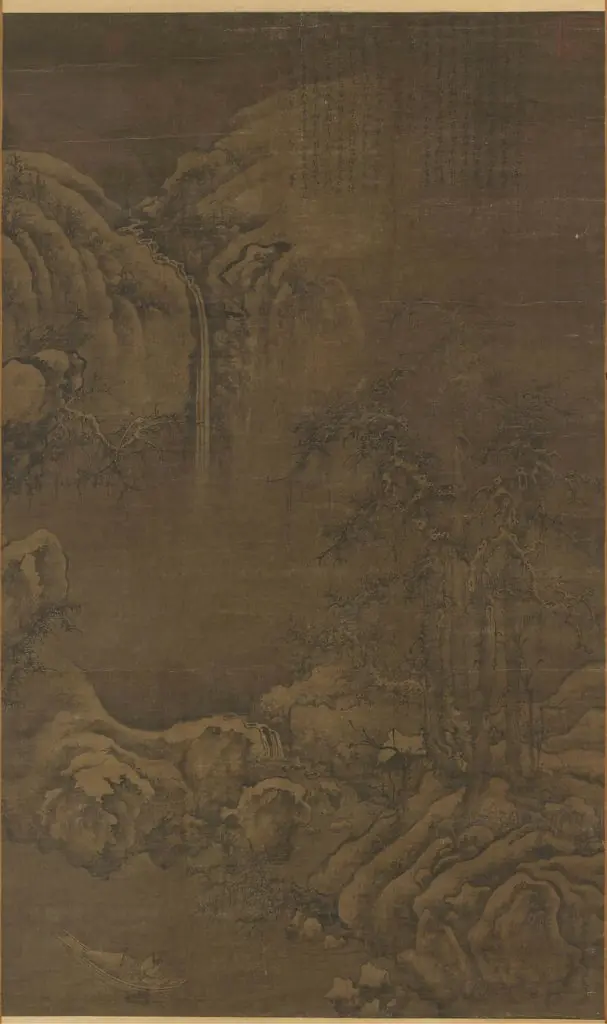 Fishing Boat on a Wintry River
 Landscape
 五代南唐董源洞天山堂 軸
 宋郭熙早春圖 軸