Artwork
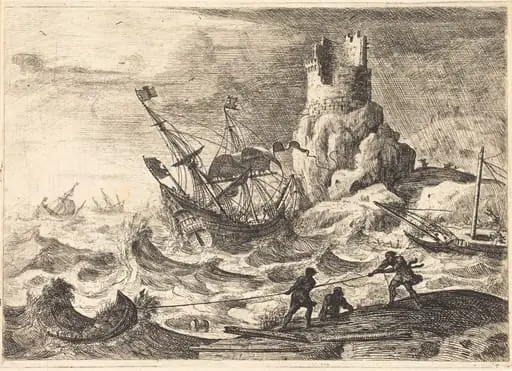
The Tempest (La Tempête)
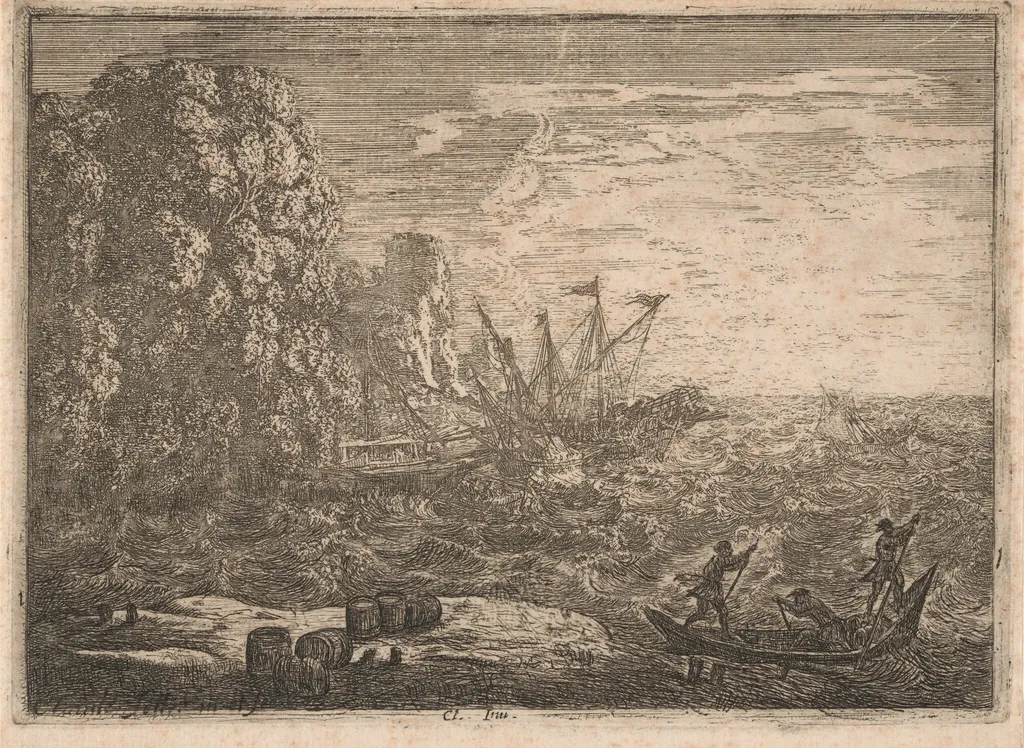
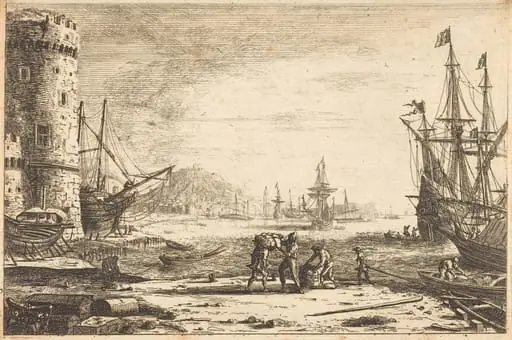
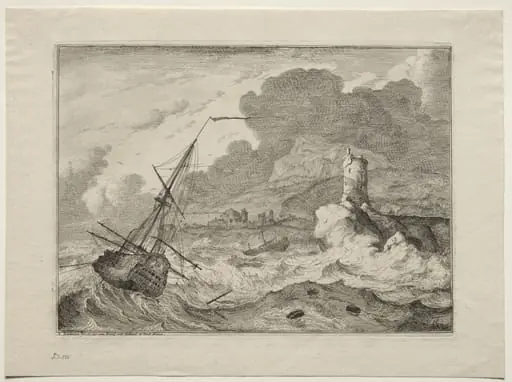
The Tempest (La Tempête) is an ink print by the Baroque artist Claude Lorrain. It dates from 1630 and is held in the collection of the National Gallery of Art.
About this work
Overview
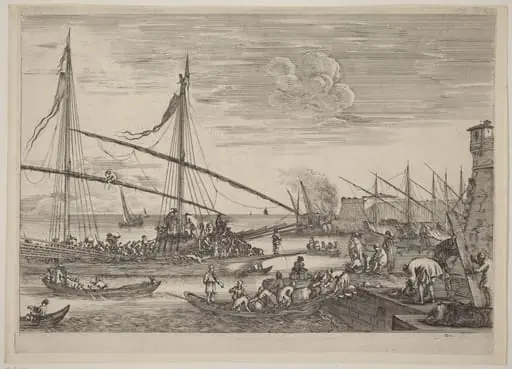
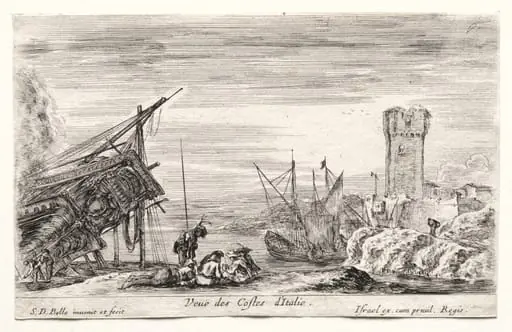
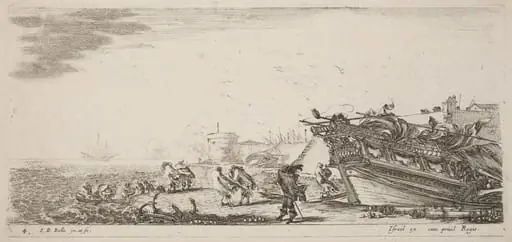
The Tempest is an etching on laid paper created by Claude Lorrain around 1630. It is a black-and-white print depicting a turbulent seascape.
Subject & Meaning
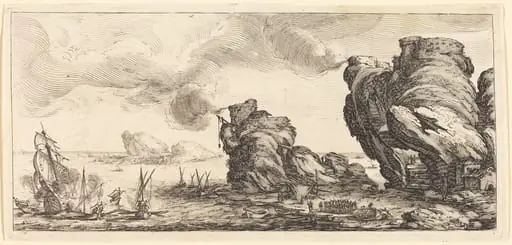
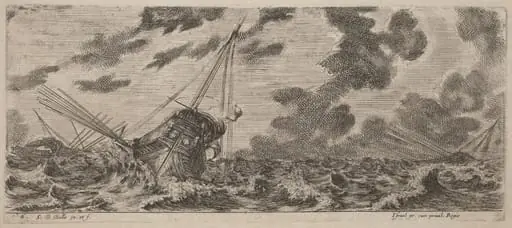
The scene shows a stormy sea with a ship in distress and people on shore struggling with barrels. A larger ship is wrecked near rocks, and a town is visible in the background under a dark sky. The work references a dramatic, possibly biblical or classical, narrative.
Technique & Style
The etching features fine lines that convey texture, such as the movement of water and the tangling of ropes. The technique involves scraping ink into a metal plate to create the image, allowing for detailed renderings of landscape and figures.
History & Provenance
Claude Lorrain, a French artist of the Baroque era, spent most of his life in Italy. The Tempest is now part of the collection at the National Gallery of Art in Washington.
Artist & collection

Artist
Claude Lorrain (French: ; born Claude Gellée , called le Lorrain in French; traditionally just Claude in English; c.