Artwork
Landscape
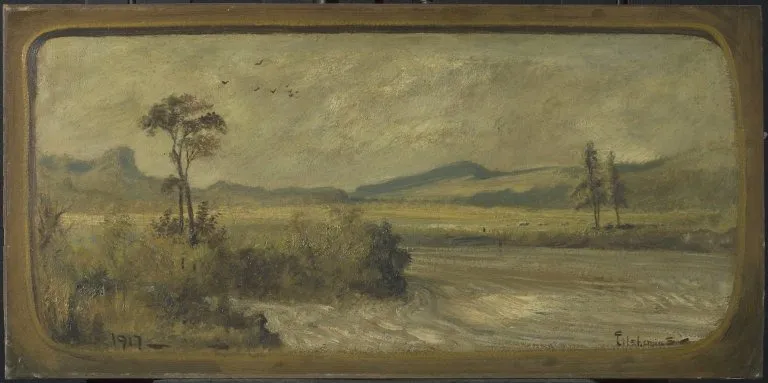
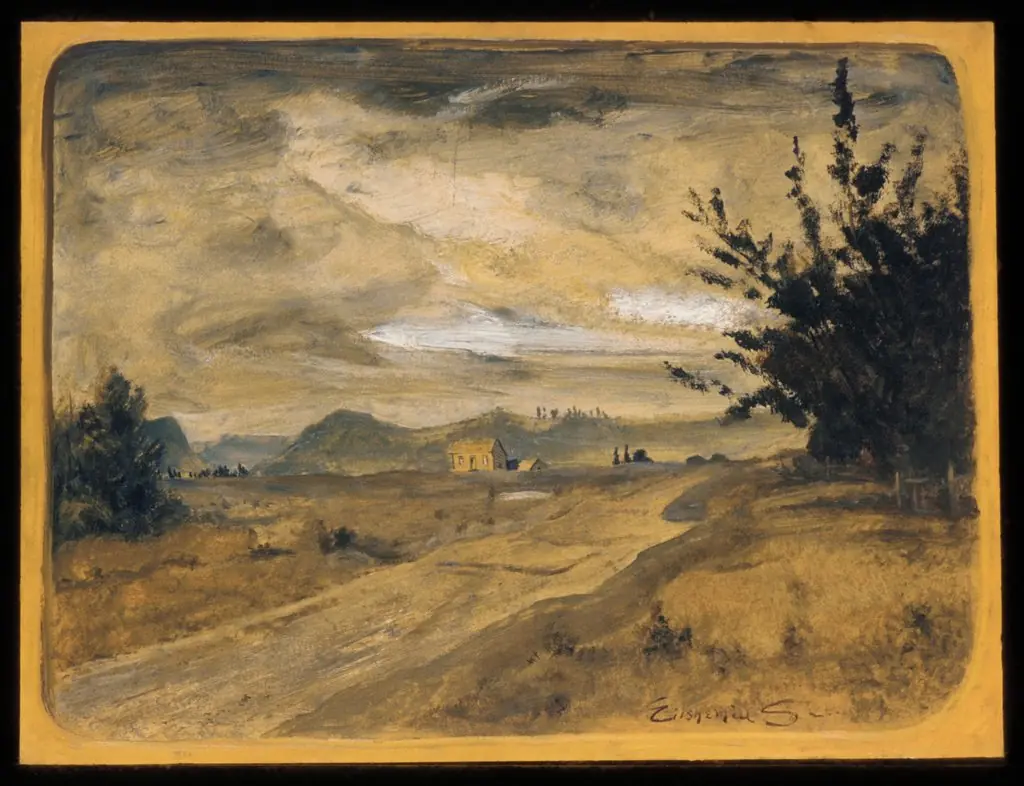
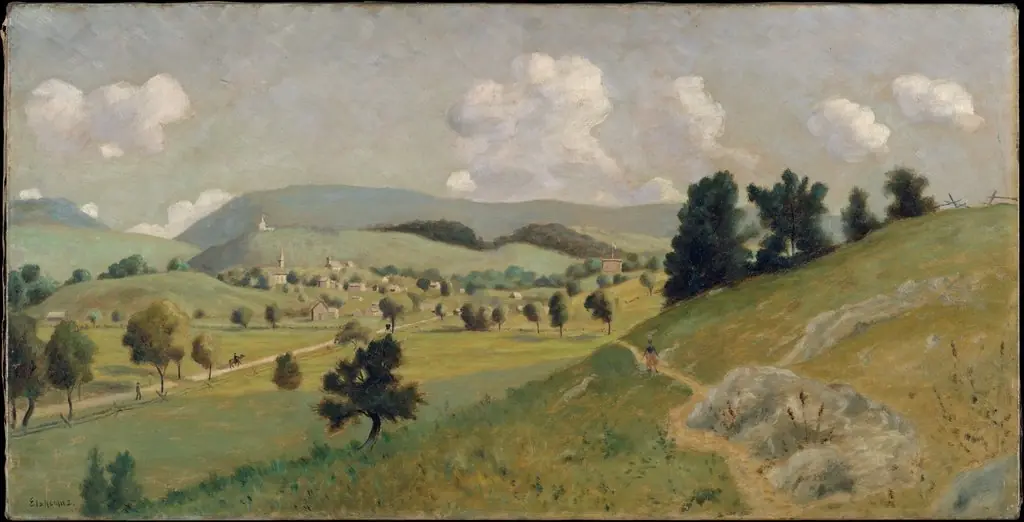
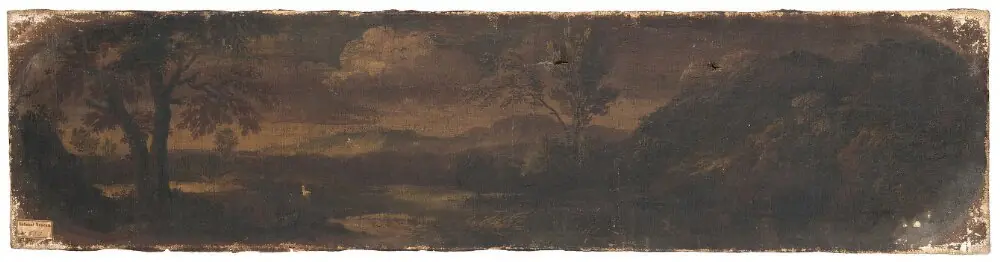
Landscape is an oil painting by the American Impressionist artist Louis Eilshemius. It dates from 1917 and is held in the collection of the Brooklyn Museum.
About this work
Overview
Though sometimes associated with American Impressionism, his approach diverged in its quiet, introspective tone.
Louis Michel Eilshemius painted this oil-on-canvas landscape in 1917, a work that reflects his personal vision rather than strict adherence to any formal movement. Though sometimes associated with American Impressionism, his approach diverged in its quiet, introspective tone. The painting resides today in the Brooklyn Museum, part of a broader body of work that includes writing and music, revealing an artist whose creative impulses spanned multiple disciplines.
Subject & Meaning
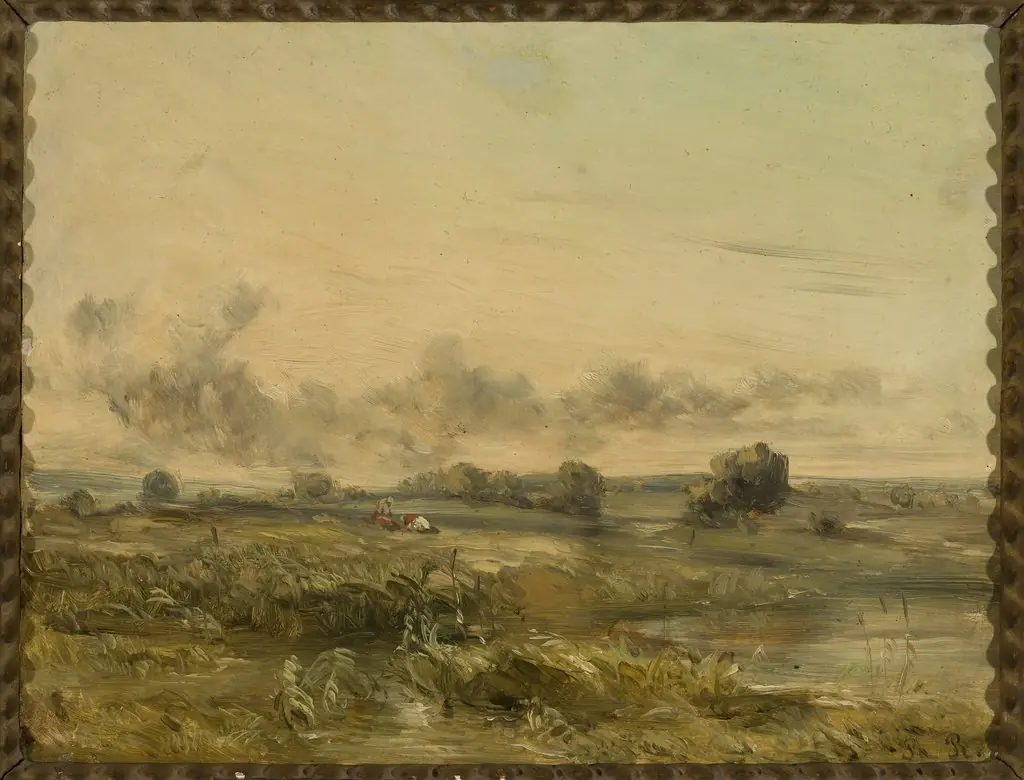
The scene presents a tranquil rural expanse: low shrubs and scattered trees frame a gentle rise of hills beneath a soft, overcast sky. Small birds in the upper distance suggest fleeting motion, contrasting with the stillness of the land. There is no human presence, no narrative, only an atmosphere of solitude. The composition invites quiet reflection, emphasizing mood over detail, as if capturing a moment suspended between memory and perception.
Technique & Style
Eilshemius employed oil paint with a restrained palette of muted greens, grays, and soft blues, blending tones to dissolve hard edges. Brushwork is loose yet deliberate, creating a hazy, atmospheric effect that blurs the boundary between earth and sky. The lack of sharp definition and the absence of dramatic light reinforce a dreamlike stillness, distinguishing his style from the brighter, more structured approaches of his contemporaries.
History & Provenance
Created in 1917, the painting entered the Brooklyn Museum’s collection through documented acquisition, though its earlier ownership remains unrecorded in public sources. Eilshemius, largely unrecognized during his lifetime, produced work in relative isolation, and many of his paintings were retained by him or passed to close associates. Its inclusion in a major institution reflects later scholarly reassessment of his unique contribution to early 20th-century American art.
Context
While American Impressionism flourished in the late 19th and early 20th centuries, Eilshemius worked apart from its mainstream circles, avoiding exhibitions and public engagement. His landscapes avoid the bustling scenes or vibrant light favored by peers, instead favoring quiet, solitary vistas. This withdrawal from the art world, coupled with his literary and musical pursuits, positioned him as an eccentric figure whose work gained attention only decades after his death.
Legacy
Eilshemius’s landscapes, including this 1917 work, are now recognized for their emotional subtlety and departure from conventional aesthetics. Though he never achieved fame in his lifetime, later critics and curators have acknowledged his role in expanding the possibilities of American landscape painting beyond realism and impressionism. His quiet, introspective style continues to resonate with viewers drawn to art that prioritizes mood over spectacle.
Artist & collection
Artist
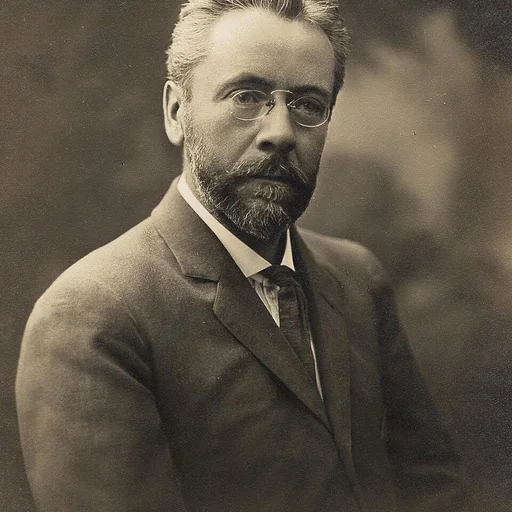
Louis Michel Eilshemius (February 4, 1864 – December 29, 1941) was an American painter, primarily of landscapes and nudes. He also wrote musical compositions, verse, novels, short stories, and published periodicals.

 Landscape
 Hen's Castle, Lough Corrib, County Galway
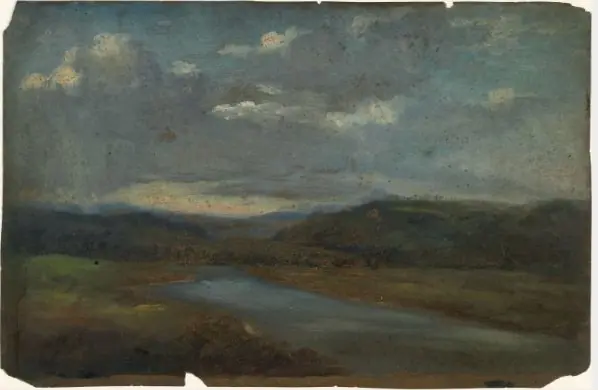 On the River Avon, County Wicklow
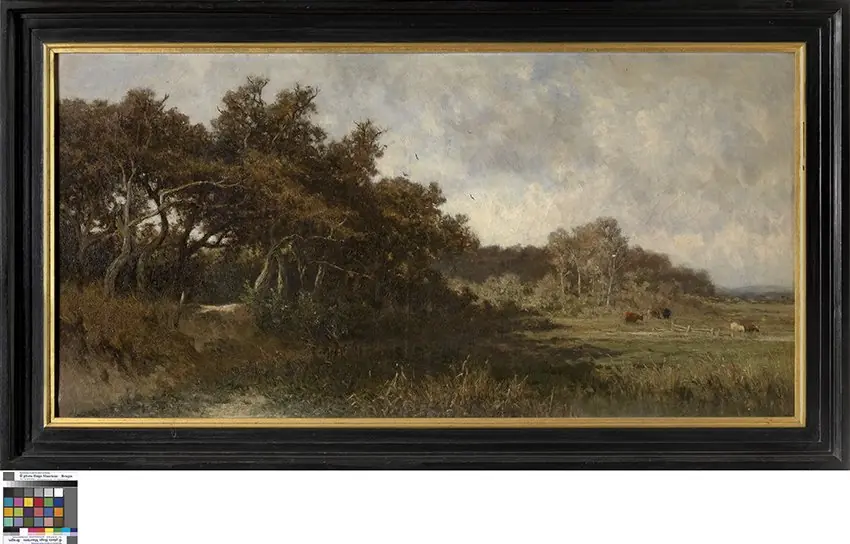 Landschap met koeien
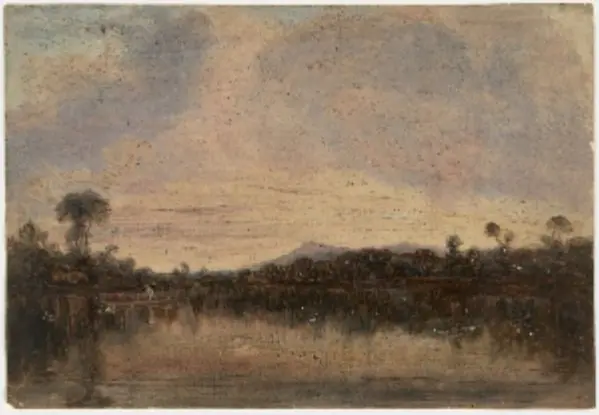 Boatmen on a Lake
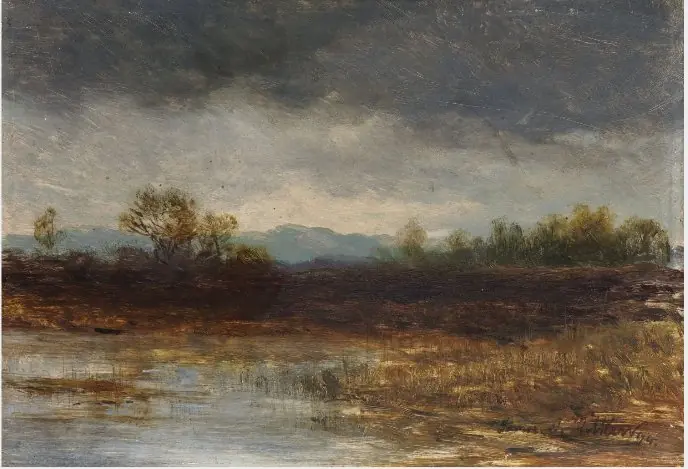 A Water's Edge
 A Clearing in the Woods
 Hampstead Heath, Looking Toward Harrow
 Trees
Trees The Great and Little Sugarloaf Mountains, County Wicklow
 Landscape
 View from Dosseringen near the Sortedam Lake Looking Towards Nørrebro. Study