Artwork
The Monastery of Vallombrosa and the Arno Valley Seen from Paradisino
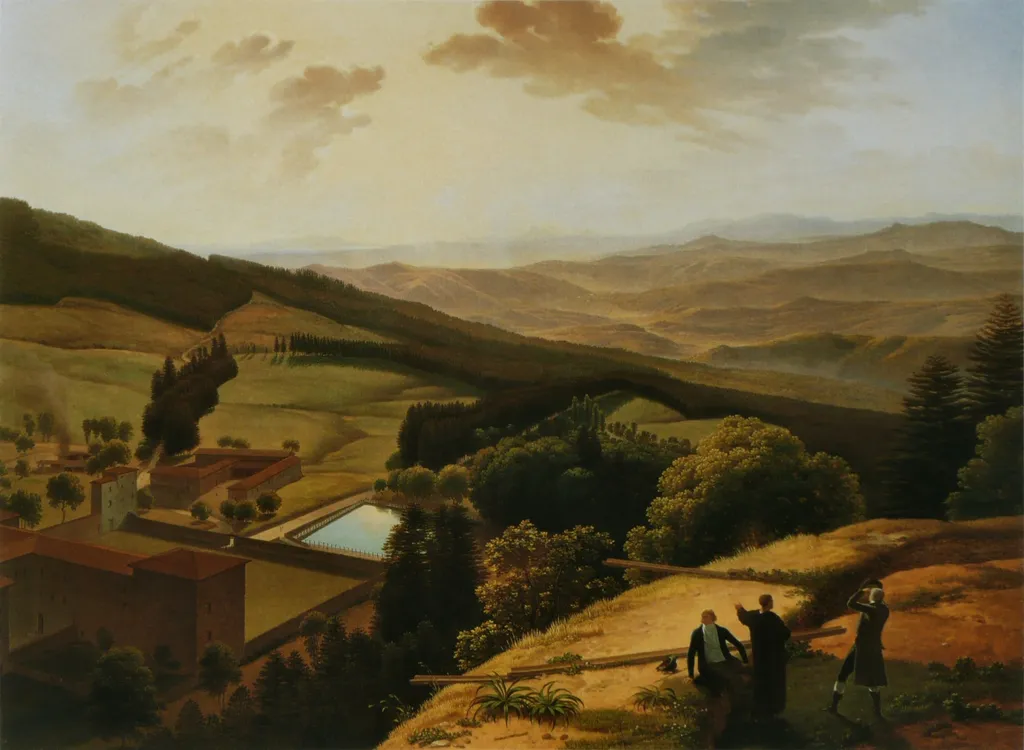
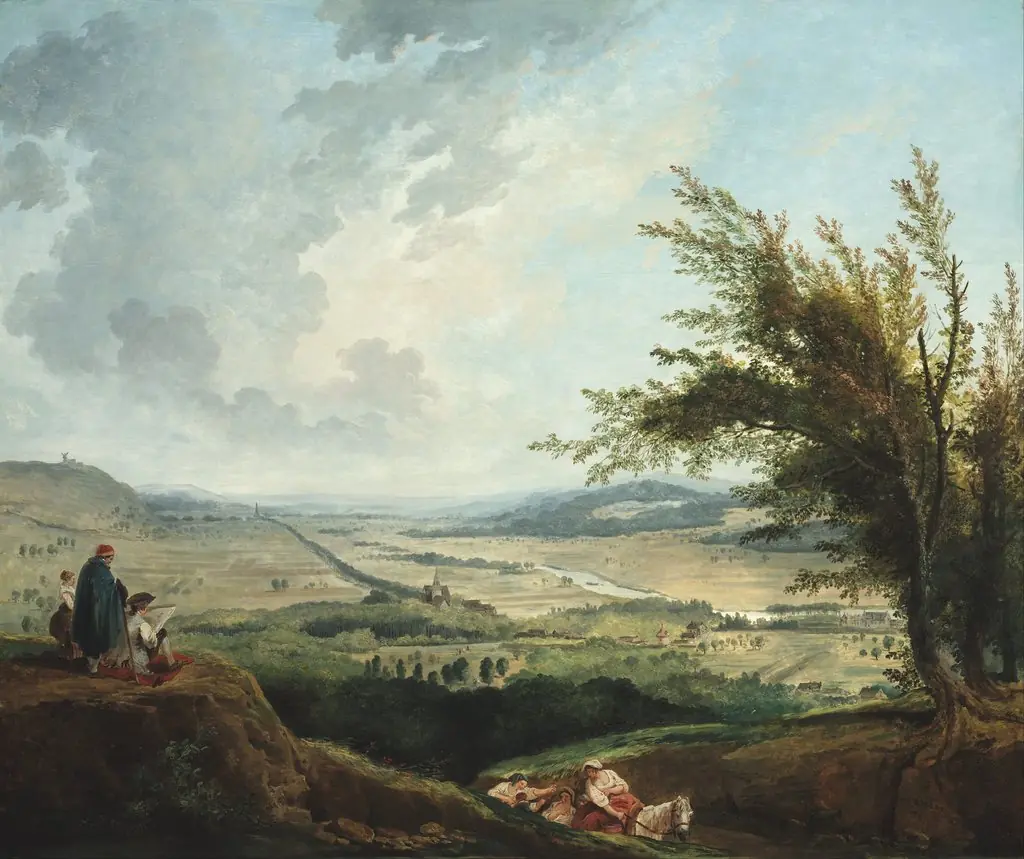
The Monastery of Vallombrosa and the Arno Valley Seen from Paradisino is an oil painting by the French Romanticist artist Louis Gauffier. It dates from 1799 and is held in the collection of the Philadelphia Museum of Art.
About this work
Overview
Gauffier, who settled in Italy after winning the Prix de Rome in 1779, rendered the scene with careful attention to atmospheric depth and topographical detail.
Painted in 1799 by the French artist Louis Gauffier, this oil on canvas depicts a tranquil vista of the Arno Valley as seen from the elevated vantage of Paradisino. Gauffier, who settled in Italy after winning the Prix de Rome in 1779, rendered the scene with careful attention to atmospheric depth and topographical detail. The work belongs to the Philadelphia Museum of Art’s collection and exemplifies his sustained engagement with Italian landscapes during his decades abroad.
Subject & Meaning
The painting presents the Vallombrosa monastery nestled among wooded hills, viewed from a distance across the valley. Three figures in the foreground stand on a rise, one gesturing toward the distant structure, suggesting contemplation or orientation. Their presence introduces a human scale to the vastness of nature, reinforcing a quiet reverence for the landscape rather than narrative drama. The scene evokes solitude and observation, typical of Romantic-era sensibilities toward the natural world.
Technique & Style
Gauffier employed soft, layered brushwork to convey the diffused light of a partly cloudy sky and the subtle transitions between foreground foliage and distant hills. The red-tiled roof of the monastery stands out against the muted greens and browns of the valley, creating a focal point without artificial emphasis. Atmospheric perspective is carefully managed, with cooler tones and reduced detail receding into the distance, a technique rooted in classical landscape traditions but rendered with a gentle Romantic sensibility.
History & Provenance
Created during Gauffier’s extended stay in Italy, the painting reflects his mature style developed after his 1779 Prix de Rome victory. He produced numerous landscapes during this period, often commissioned by patrons drawn to the Italian countryside. The work entered the Philadelphia Museum of Art’s collection in the 20th century, likely through acquisition from a European dealer or collector, though its immediate post-creation provenance remains undocumented.
Context
In the late 18th century, French artists traveling to Italy were drawn to its classical ruins and pastoral scenery as subjects for study and aesthetic refinement. Gauffier’s work aligns with this tradition, yet his focus on unpopulated, serene vistas distinguishes him from more dramatic Romantic contemporaries. The Vallombrosa monastery, a center of monastic life since the 11th century, offered both spiritual resonance and visual harmony, appealing to artists seeking quietude in nature.
Legacy
Though Gauffier is not widely known today, his landscapes represent a quiet bridge between 18th-century academic traditions and early Romanticism. This painting, like others from his Italian period, contributes to the broader European discourse on landscape as a subject worthy of serious artistic attention. Its preservation in a major American museum ensures continued access to his nuanced, understated vision of the Italian countryside.
Own this work as a print
Artist & collection
Artist
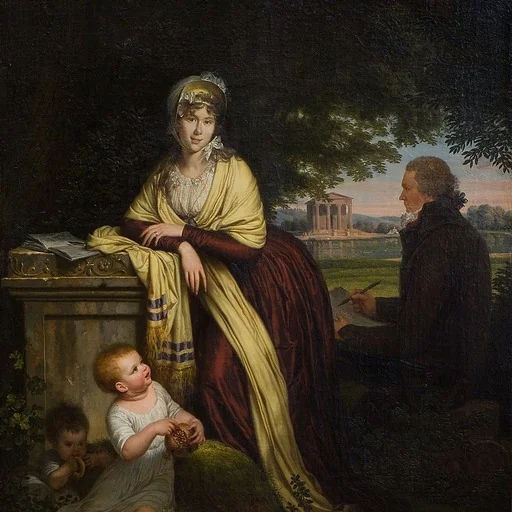
Louis Gauffier (1762–1801) was a French painter. Born in Poitiers, he studied in Paris with the history painter Hughes Taraval before entering the Prix de Rome competition which he won in 1779 for Christ and the Woman…

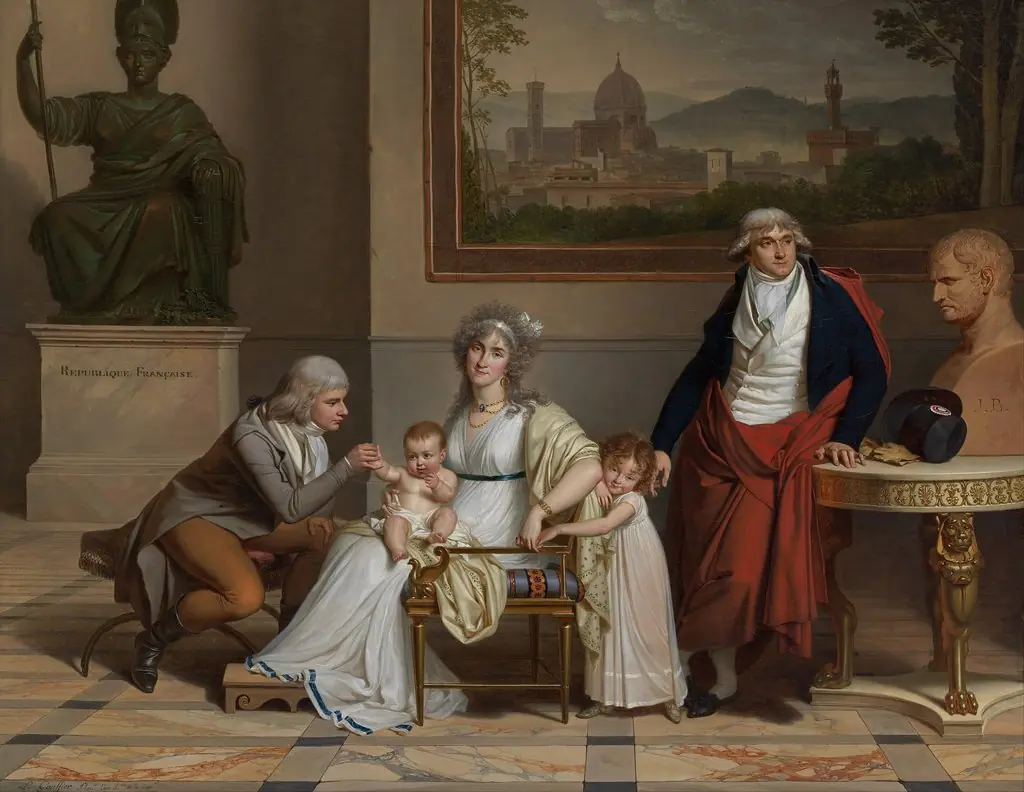 The family of André-François, Count Miot de Melito, (1762-1841) consul of France to Florence
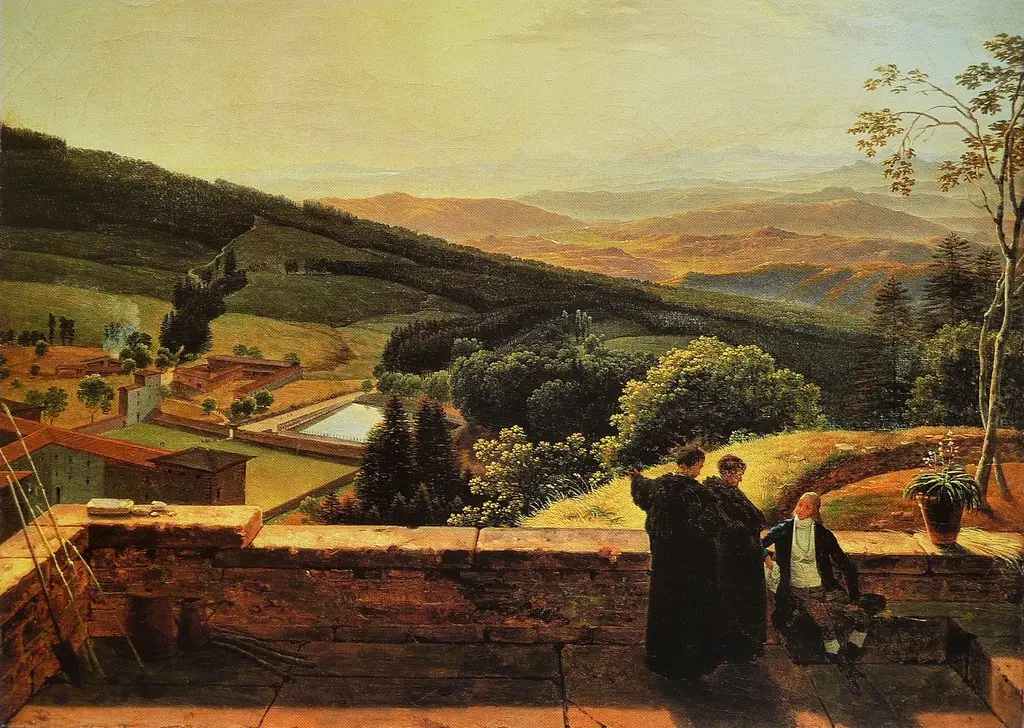 La vallée de l'Arno vue depuis le Paradisino de Vallombrosa
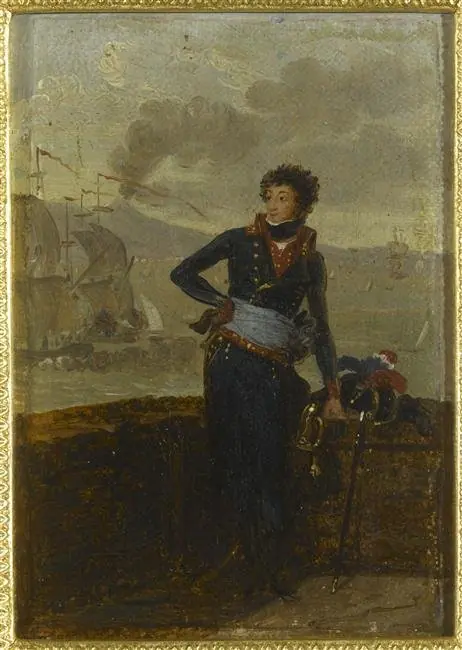 Victor Léopold Berthier (1770-1807), général de division, devant la baie de Naples
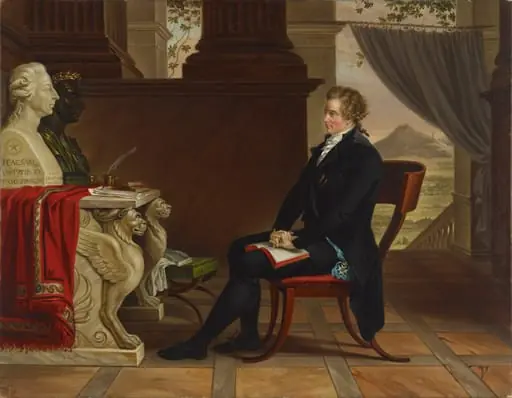 Kreivi Gustaf Mauritz Armfelt mietiskelemässä Kustaa III:n ja Caesarin rintakuvien edessä
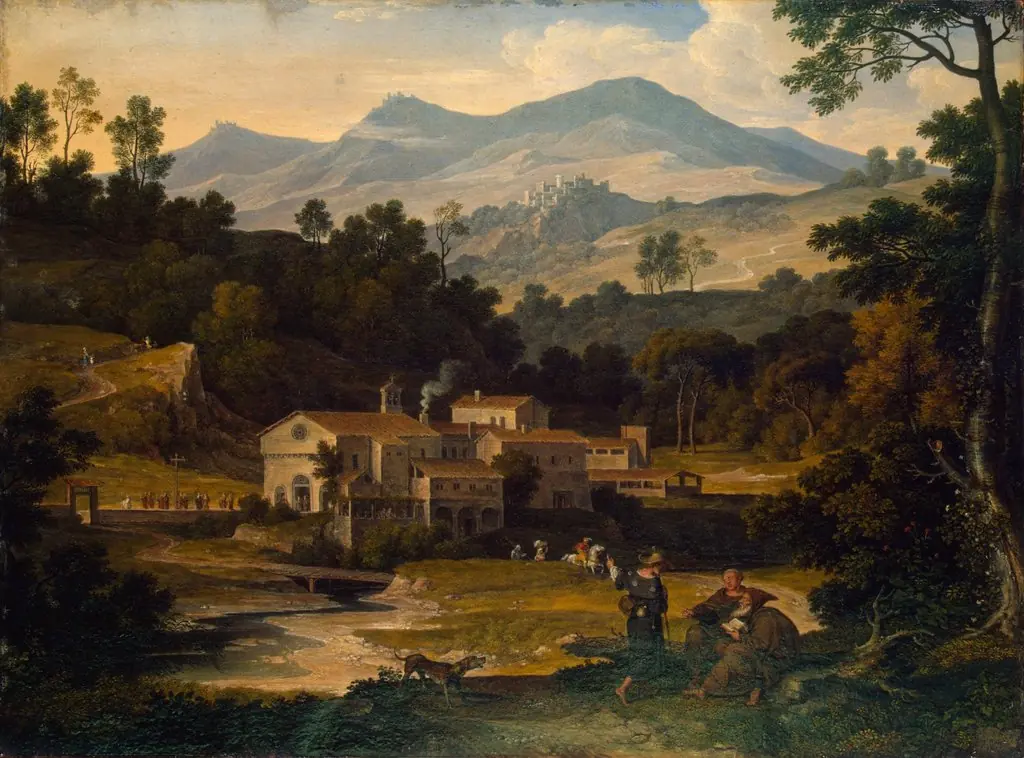 Monastery of San Francesco di Civitella in the Sabine Mountains
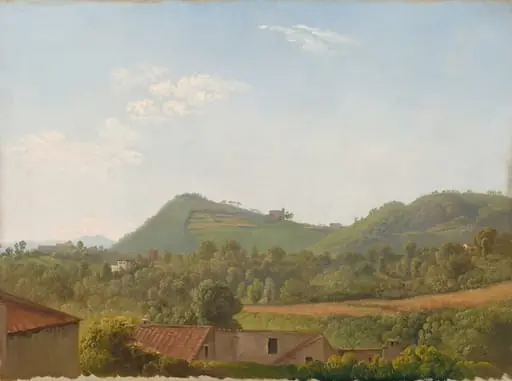 View near Naples
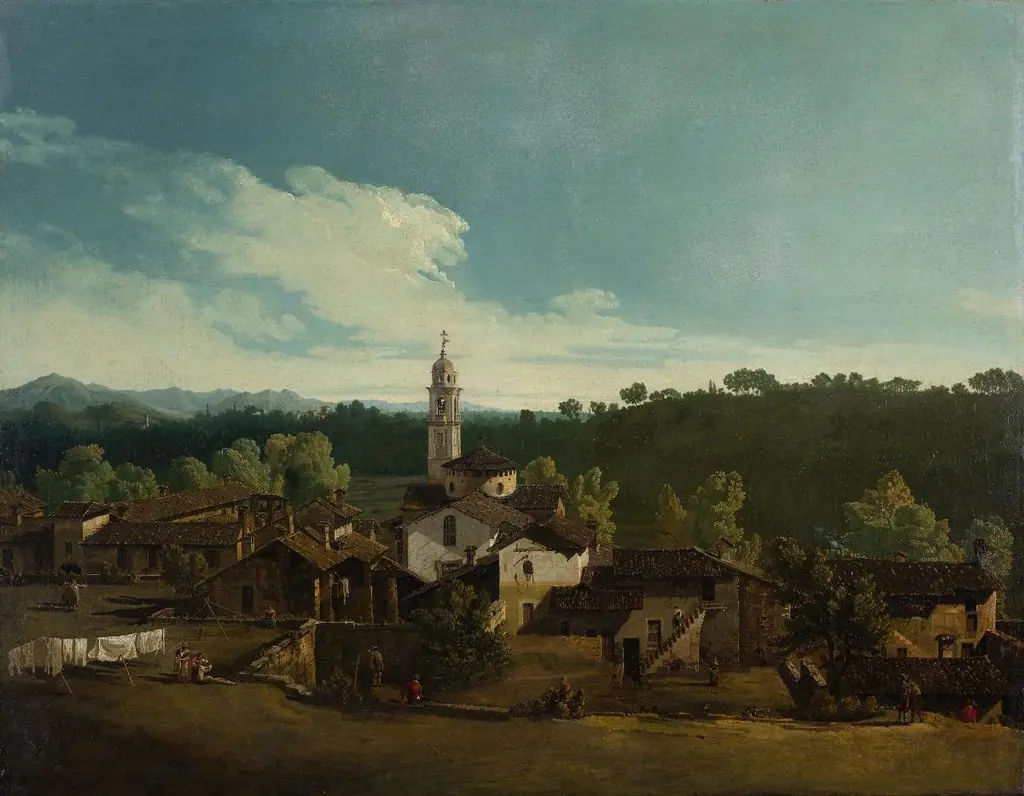 Veduta di Gazzada
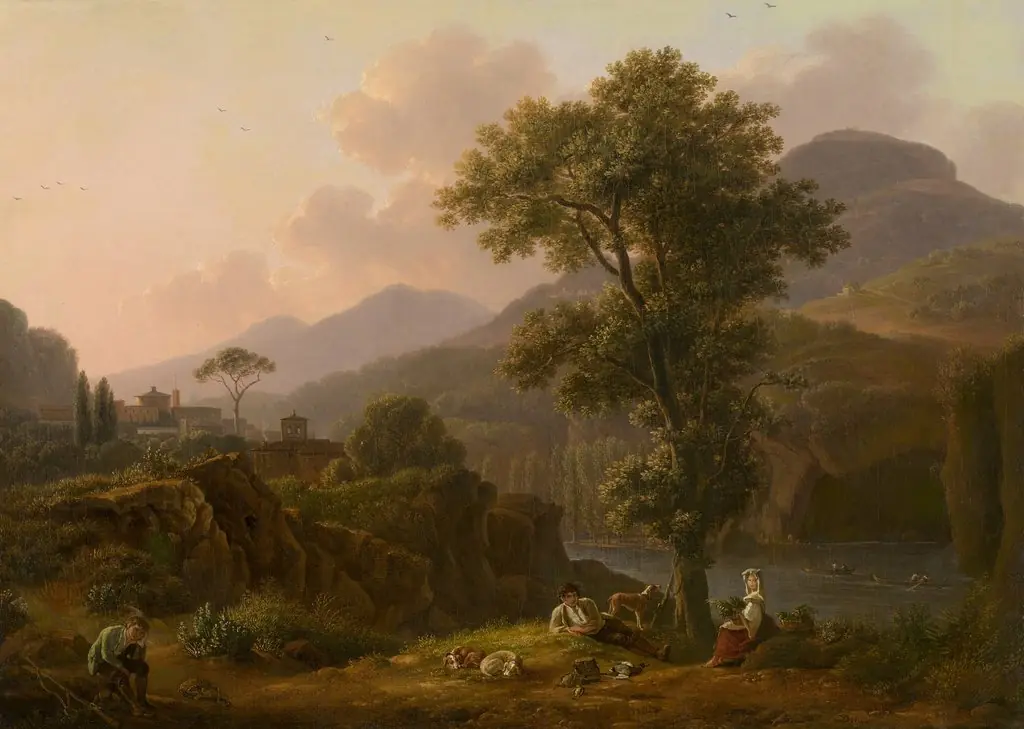 Italian Landscape
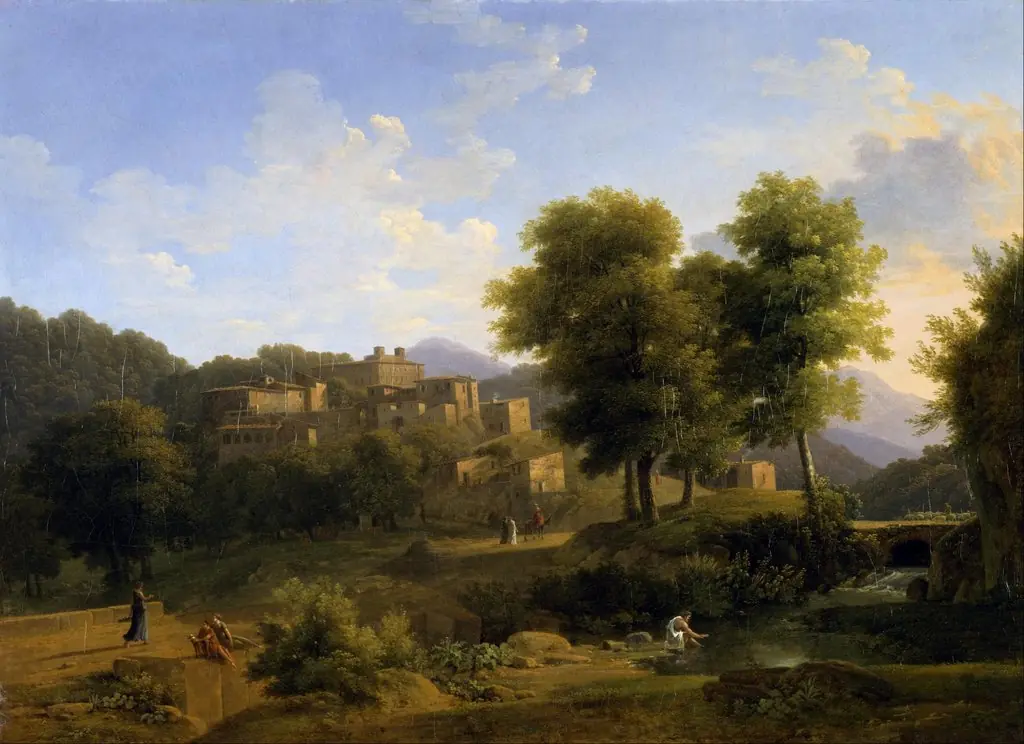 View of a Town in the Sabine Hills
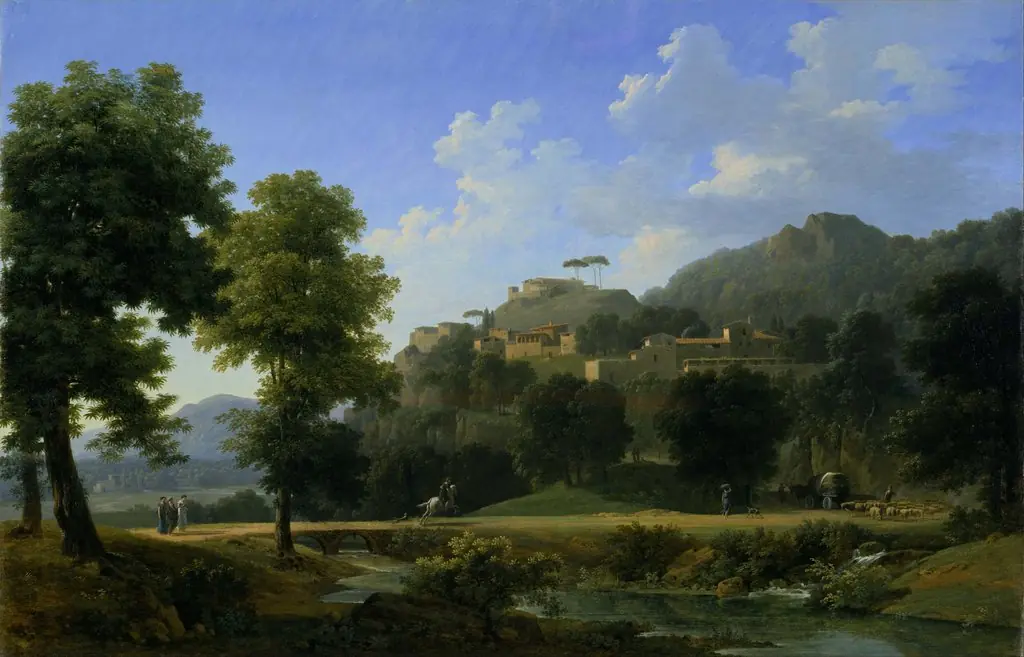 Italian Landscape (Le Paysage d'Italie)
 Umgebung der Ruine Habsburg
 Landscape at Tivoli, with a Scene from the Grape Harvest
 Vue des aqueducs romains sur les hauteurs de Saint-Just
 Landscape near Tivoli with Vintager Scens
 An Extensive Landscape Near Paris