Artwork
Edwin Booth's Boat House, Near Newport, August 6, 1884
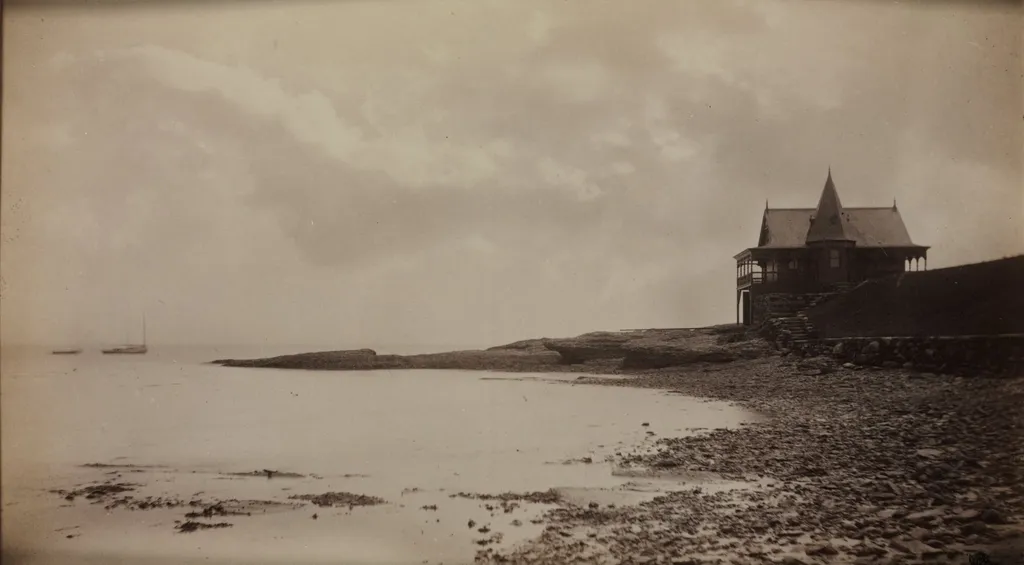
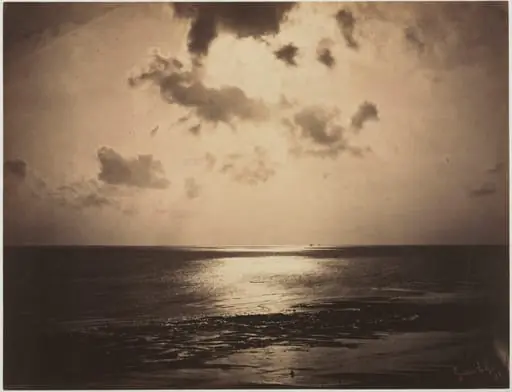
Edwin Booth's Boat House, Near Newport, August 6, 1884 is a photography by the Impressionist artist Louise Deshong Woodbridge. It dates from 1884 and is held in the collection of the Cleveland Museum of Art.
About this work
Overview
Taken on August 6, 1884, this photograph captures Edwin Booth’s boathouse near Newport, Rhode Island, framed by a rugged coastline and a vast, overcast sky. Created by socialite and amateur photographer Mary Woodbridge, the image reflects her early interest in natural light and atmospheric nuance. It stands as a quiet yet deliberate study of place, emphasizing mood over narrative.
Subject & Meaning
The boathouse, modest and distant, serves not as a focal point of activity but as a marker of human presence within a wilder landscape. Its small scale against the expansive shore and sky underscores the quiet solitude of the coast. The scene conveys no drama or event—only the stillness of a summer afternoon, where nature’s scale overshadows human structures.
Technique & Style
Woodbridge employed careful exposure to capture subtle gradations of light across the sky and wet rocks. Her approach prioritized tonal harmony over sharp detail, using the soft diffusion of cloud cover to unify the composition. The result is a balance between documentary precision and poetic atmosphere, anticipating later pictorialist tendencies without overt stylization.
History & Provenance
The photograph was made during Woodbridge’s active years as an amateur photographer, between 1884 and 1915. It entered the collection of the Cleveland Museum of Art, where it is recognized as a representative example of her work. No record suggests it was exhibited publicly at the time, but its preservation reflects its quiet significance within early American photographic practice.
Context
Her approach diverged from the formal portraiture and architectural studies common among contemporaries, favoring landscape as a medium for quiet observation.
In the 1880s, photography was increasingly used by amateurs to explore aesthetic qualities beyond mere documentation. Woodbridge’s work aligns with this shift, engaging with light and weather as compositional elements rather than incidental conditions. Her approach diverged from the formal portraiture and architectural studies common among contemporaries, favoring landscape as a medium for quiet observation.
Legacy
Though not widely known today, Woodbridge’s photographs contribute to an understudied strand of late 19th-century American photography that valued atmosphere and tonal subtlety. Her use of natural light to evoke mood, without theatricality or manipulation, offers a restrained counterpoint to the more dramatic styles of the era, influencing later photographers who sought poetry in the everyday.
Artist & collection

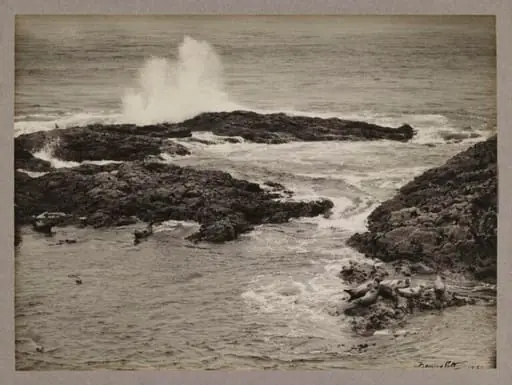 The Seal Harbour
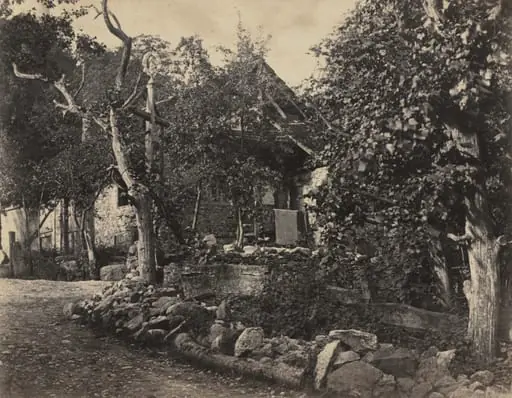 Rural Scene with Stone Building and Cross
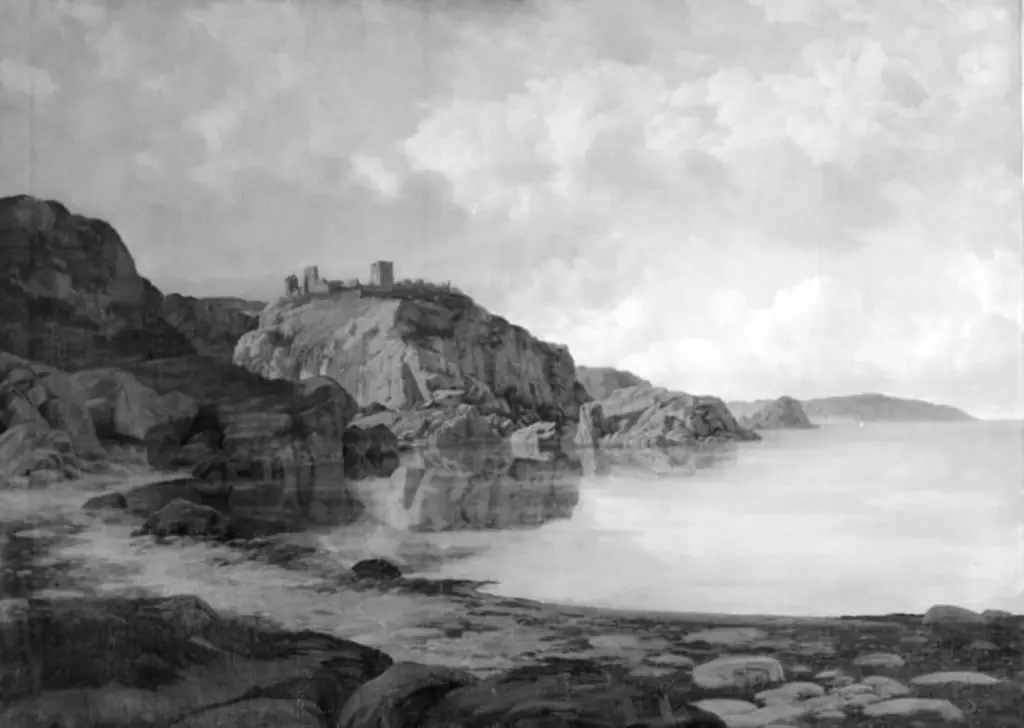 Hammershus på Bornholm
 Hammershus på Bornholm
 Hampstead Heath
 Landscape at Ellekilde in North Zealand. Sunset.
 The Beach at Refsnæs, Zealand
 Studie fra Furesøen
 Unidentified landscape
 Vejle Eng. Eftermiddag
 The Sound at Strandmøllen
 An Effect of the Sun, Normandy