Artwork
The Reverend Septimus C. H. Hansard (1823–1895)
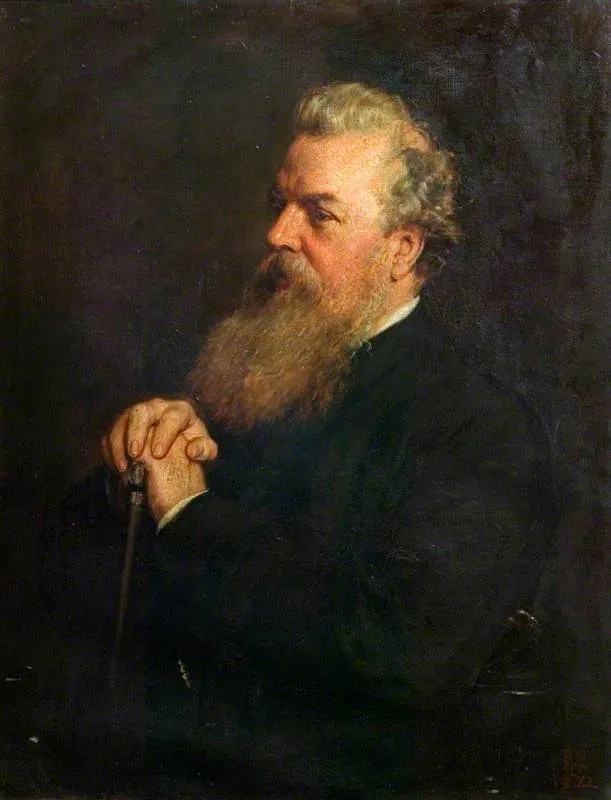
The Reverend Septimus C. H. Hansard (1823–1895) is an oil painting by the Impressionist artist Lowes Cato Dickinson. It dates from 1893 and is held in the collection of the Victoria and Albert Museum. The Reverend Septimus C.
About this work
Overview
The Reverend Septimus C. H. Hansard is an 1893 oil painting by Lowes Cato Dickinson, portraying its subject in a formal, professional light. The work reflects Impressionist influences.
Subject & Meaning
The painting depicts Reverend Septimus C. H. Hansard, distinguished by his long, bushy beard and mustache, dressed formally in a dark jacket and white shirt, holding a cane. His attire and hairstyle suggest a professional or clerical persona.
Technique & Style
Dickinson employs a dark background to create depth, using chiaroscuro to highlight the subject's lighter hair and clothing, aligning with Impressionist principles through this contrast.
History & Provenance
Created in 1893 by Lowes Cato Dickinson, a portrait painter, Christian socialist, and educator, the painting is now part of the Victoria and Albert Museum's collection.
Context
Dickinson's background, including teaching alongside notable figures like John Ruskin and Dante Gabriel Rossetti, and founding the Working Men's College, contextualizes the painting within a broader social and artistic movement.
Artist & collection
Artist
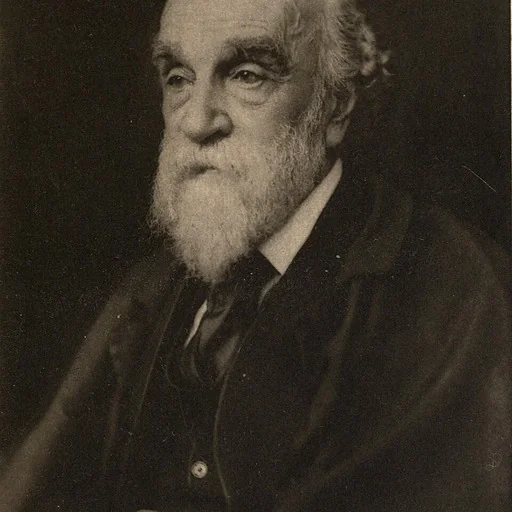
Lowes Cato Dickinson (27 November 1819 – 15 December 1908) was an English portrait painter and Christian socialist. He taught drawing with John Ruskin and Dante Gabriel Rossetti. He was a founder of the Working Men's College in London.

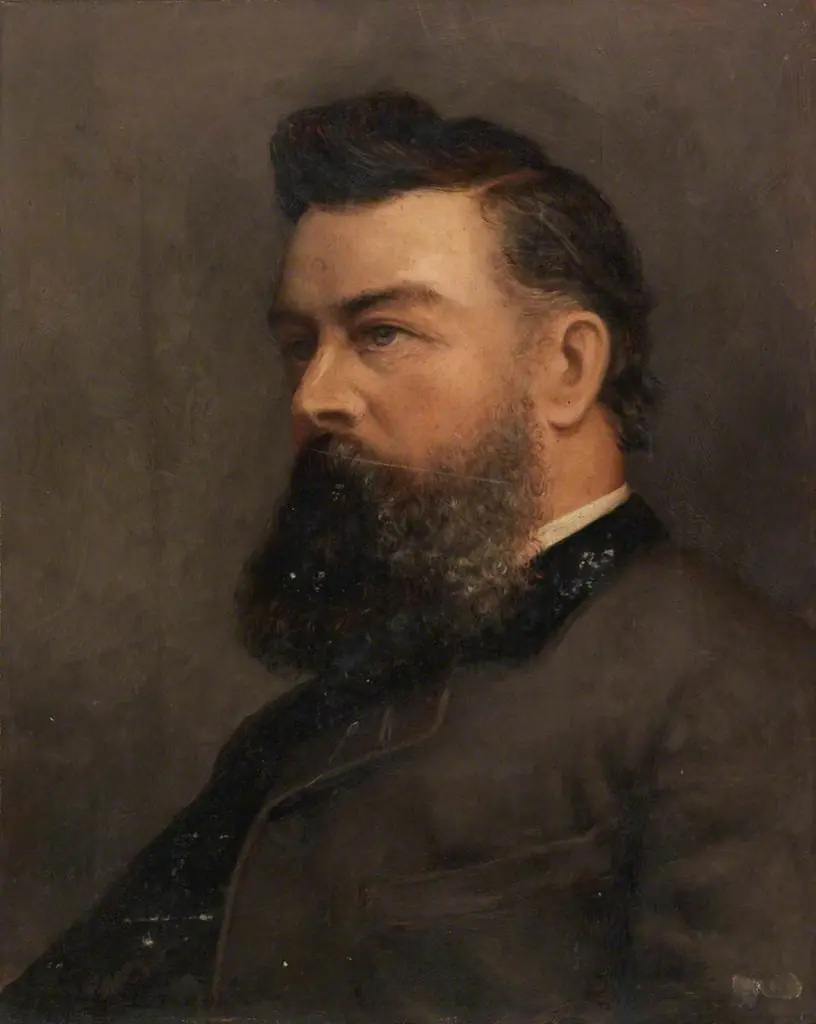 George Parfitt (c.1835–1886)
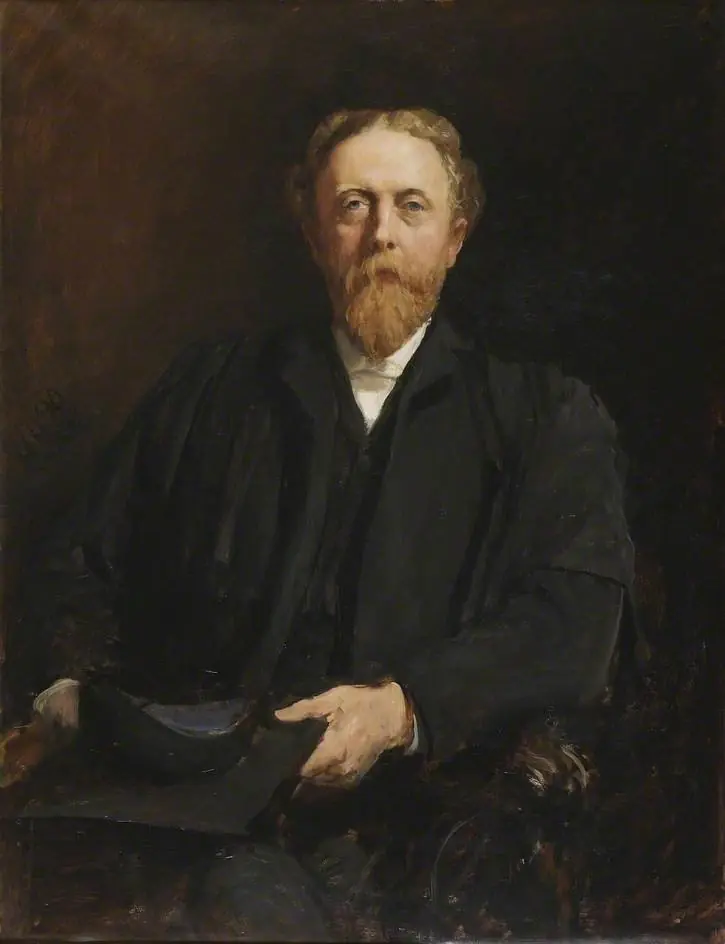 Study of the Revd Henry George Woods, D.D.
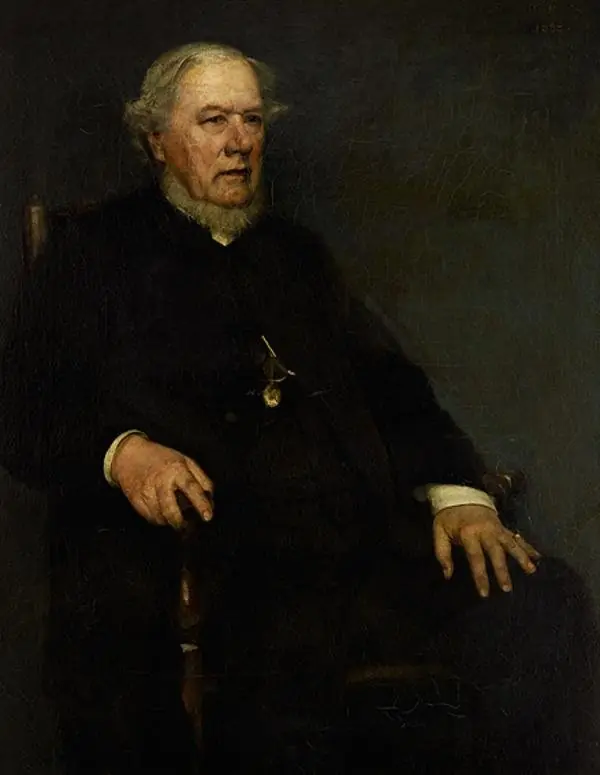 Revd Dr Andrew Gardiner (died 1892)
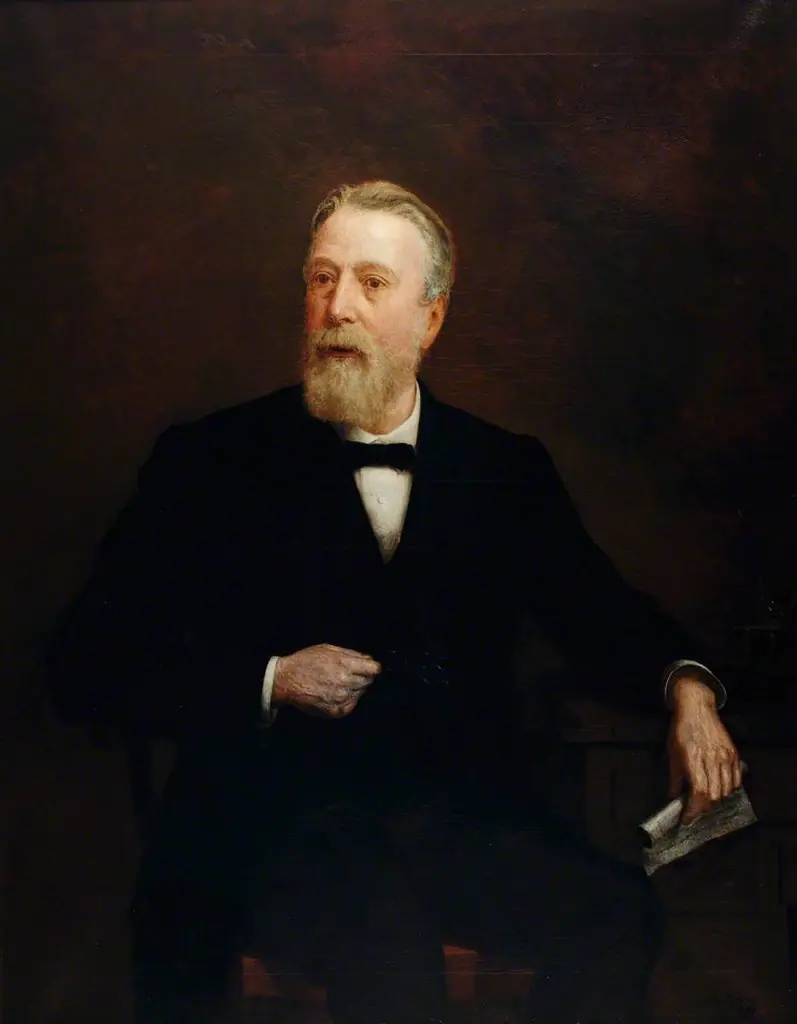 David Duncan
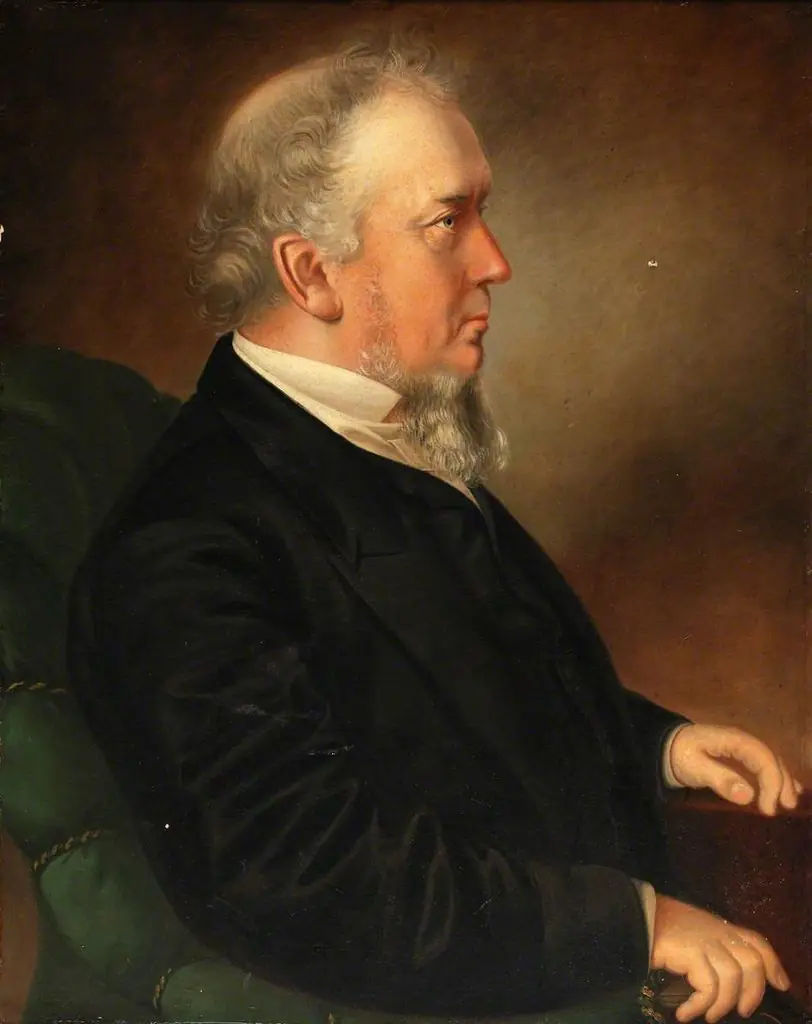 Portrait of a Minister
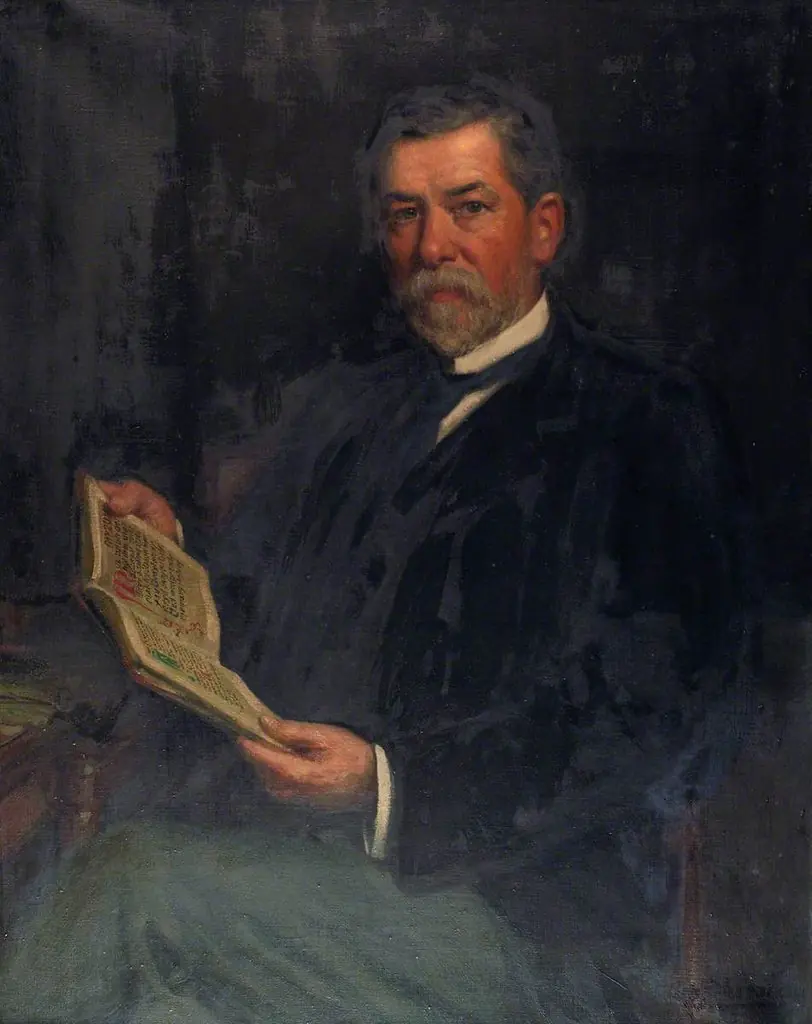 J. Gwenogvryn Evans (1852–1930), MA, DLitt
 Portrait of Mervyn Wingfield, 7th Viscount Powerscourt (1844-1904)
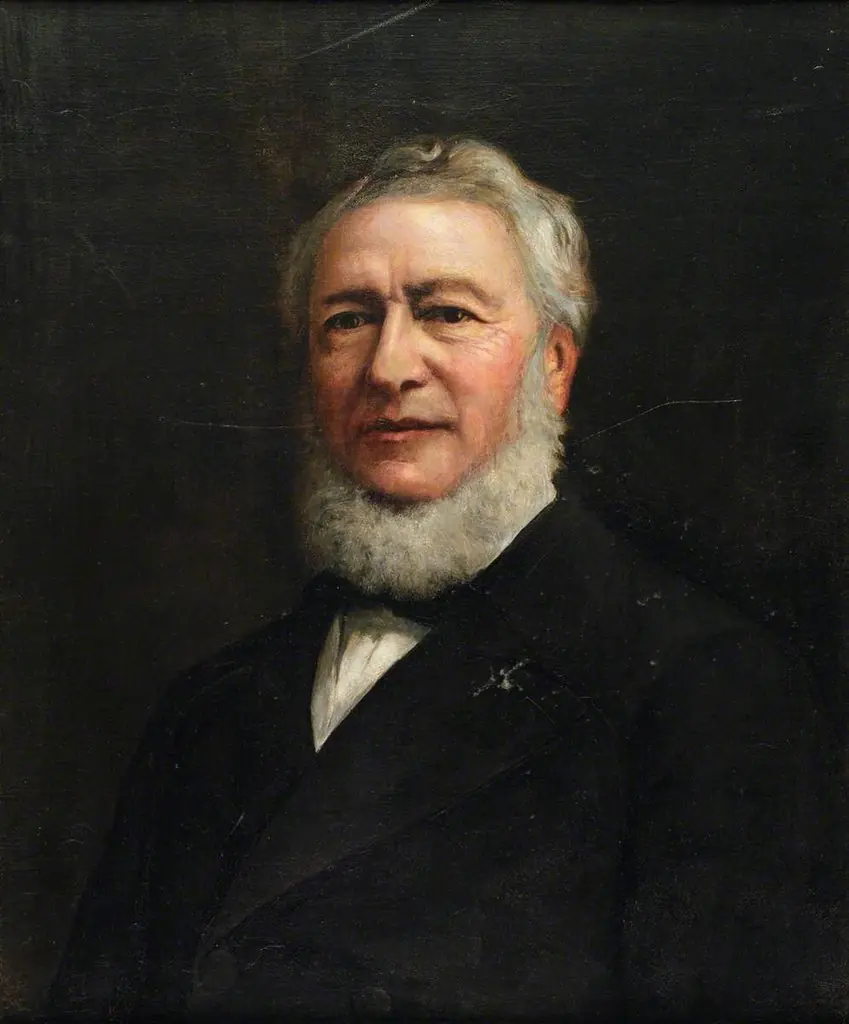 Reverend Richard Davies (1818–1896), Aelod seneddol Rhyddfrydol Môn (1868–1886)
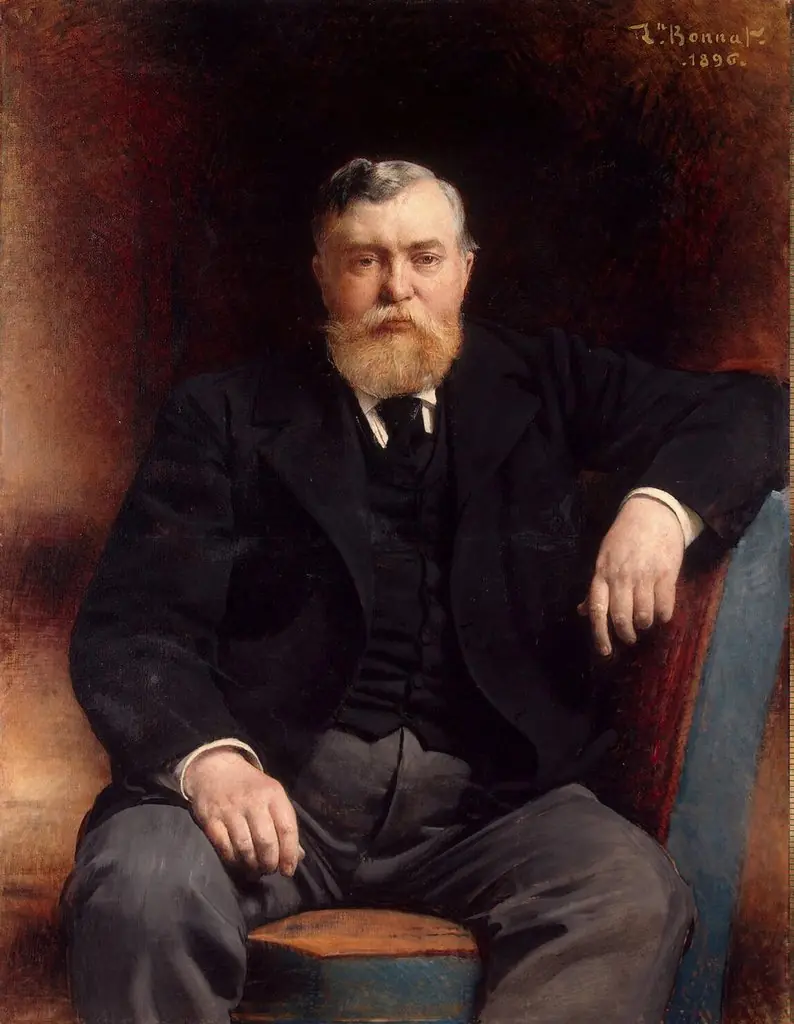 Portrait of Prince Vyacheslav Tenishev
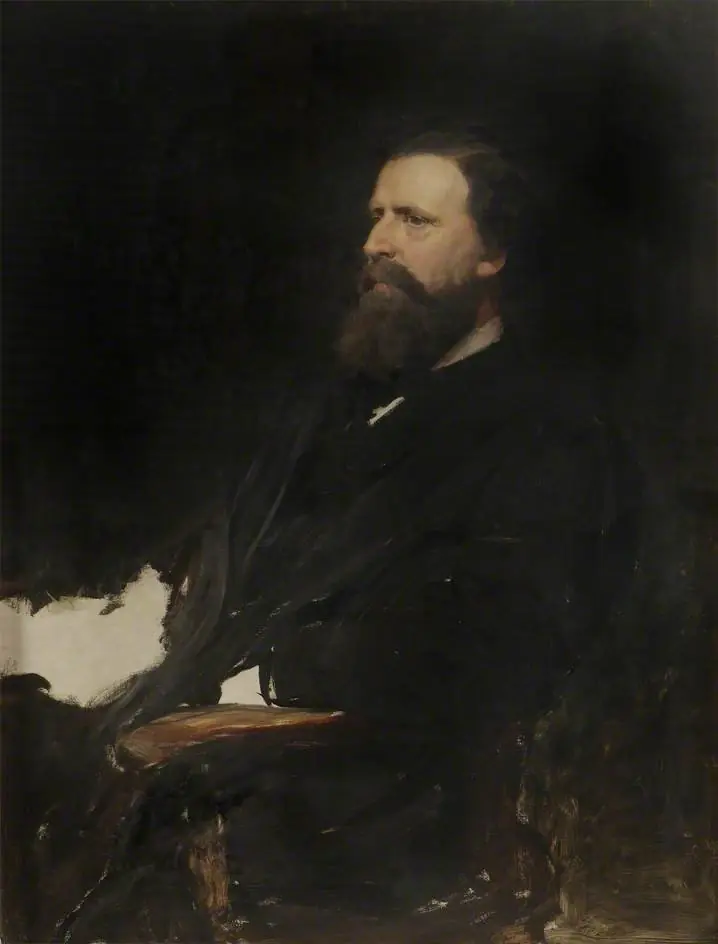 Study of Alexander Macdonald
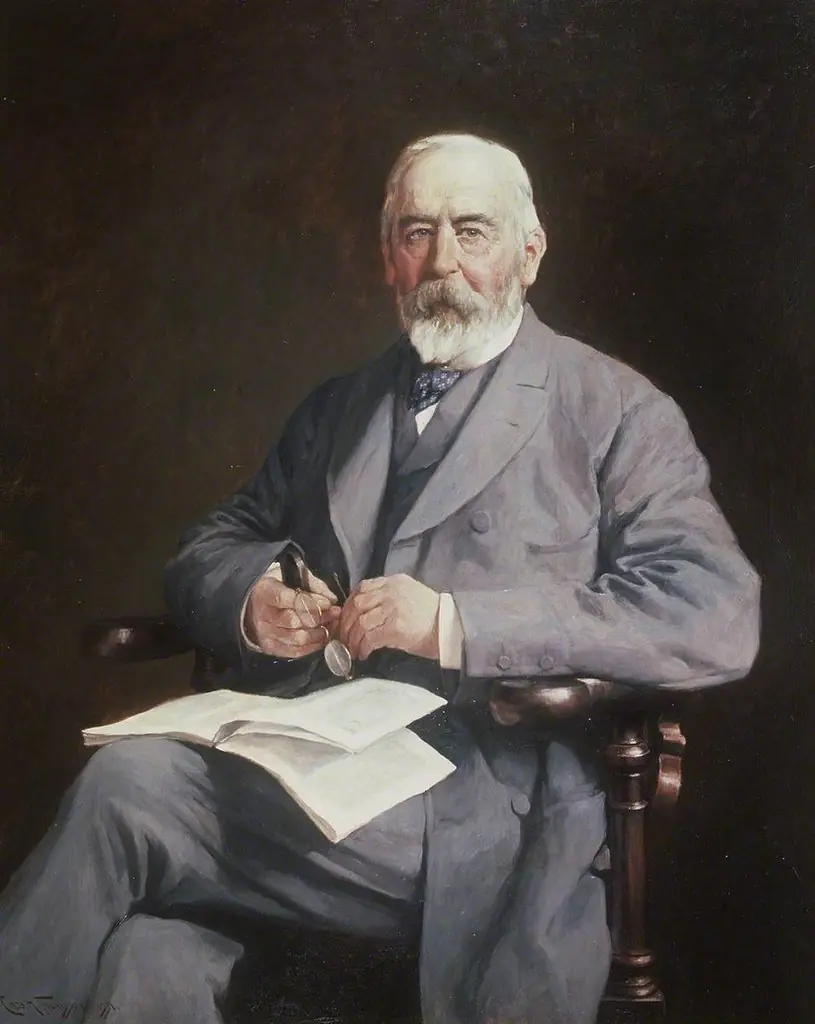 The Right Honourable Stuart Rendel (1834–1913), 1st Baron Rendel
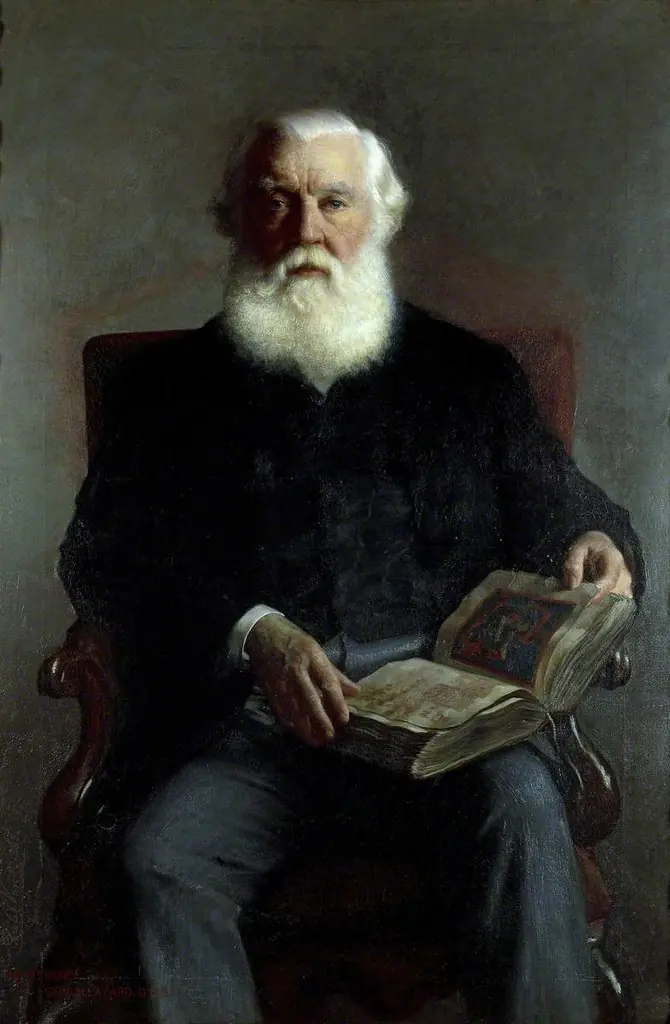 Sir Austen Henry Layard (1817–1894)