Artwork
Adam and Eve
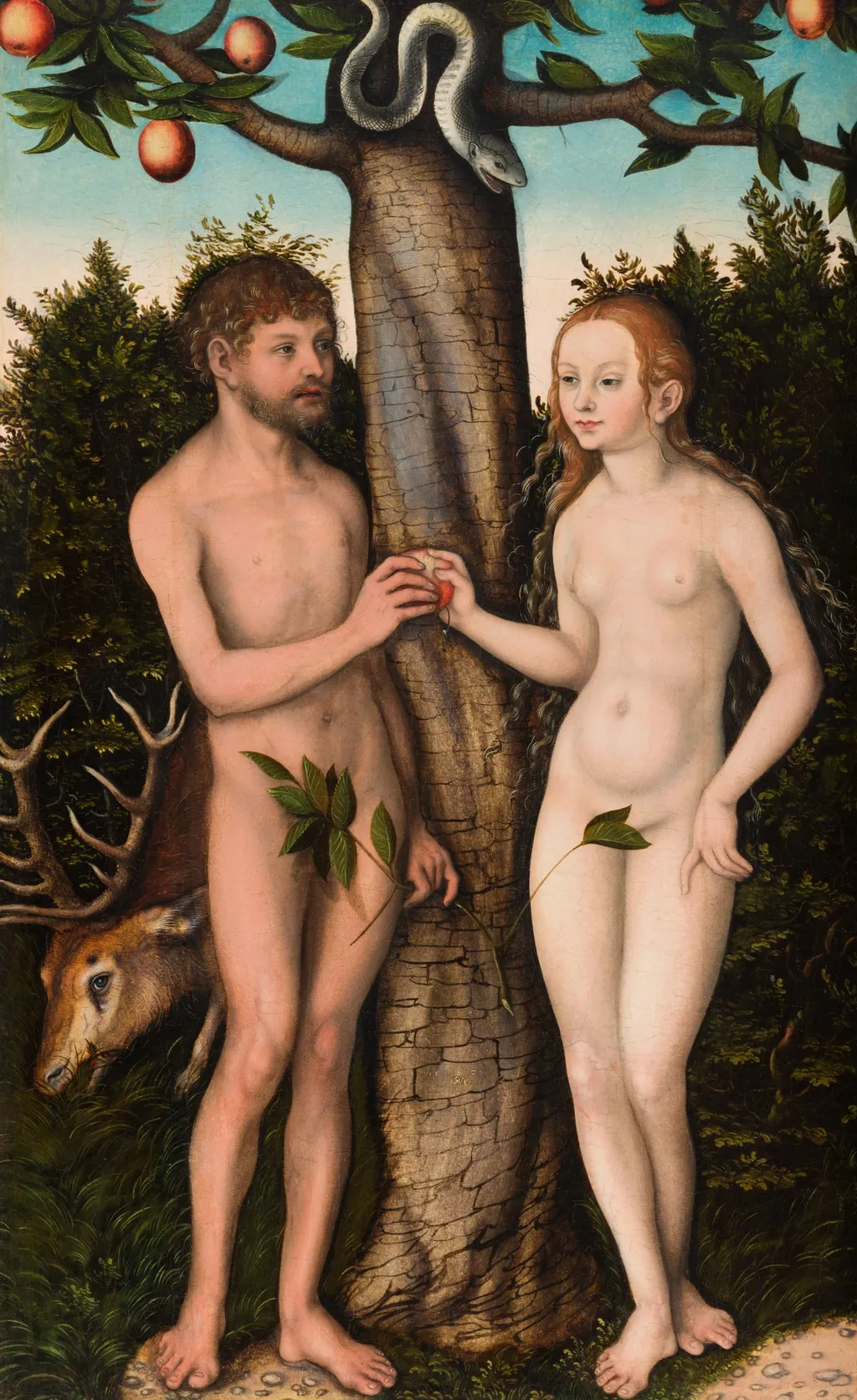
Adam and Eve is a paint painting by Lucas Cranach the Elder. It dates from 1528 and is held in the collection of the Detroit Institute of Arts.
About this work
Overview
Lucas Cranach the Elder’s 1528 oil painting titled “Adam and Eve” presents the biblical pair in a natural setting. The work, now part of the Detroit Institute of Arts collection, portrays the figures nude amid a verdant forest, emphasizing the moment of temptation with an apple and a serpent.
Subject & Meaning
The composition captures the pivotal episode from Genesis in which Adam and Eve encounter the forbidden fruit. The man, positioned on the left, grasps an apple, while the woman on the right reaches toward it, underscoring themes of desire, knowledge, and the ensuing fall of humanity.
Technique & Style
Cranach employs a realistic approach, rendering the bark, foliage, and skin with meticulous detail. The palette relies on muted, earthy tones, allowing the figures to emerge from the surrounding greenery. Fine brushwork conveys the texture of leaves and the sheen of flesh, while the serpent coils subtly around a tree trunk.
History & Provenance
Created in 1528, the painting reflects Cranach’s mature period in the German Renaissance. It entered the Detroit Institute of Arts’ holdings in the 20th century, though earlier ownership records are sparse. Its presence in a major American museum attests to the work’s continued scholarly and public interest.
Context
Cranach, a court painter to the Electors of Saxony, frequently addressed religious subjects, often aligning with Reformation ideas. This rendition of the Eden narrative aligns with contemporary theological debates, using familiar iconography—the apple and serpent—to communicate moral instruction within a visually accessible framework.
Own this work as a print
Artist & collection
Artist
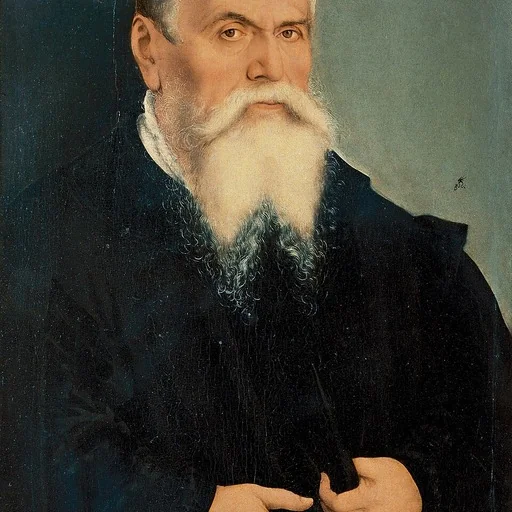
Lucas Cranach the Elder was a German Renaissance painter and printmaker in woodcut and engraving.