Artwork
Saint Jerome in a Landscape
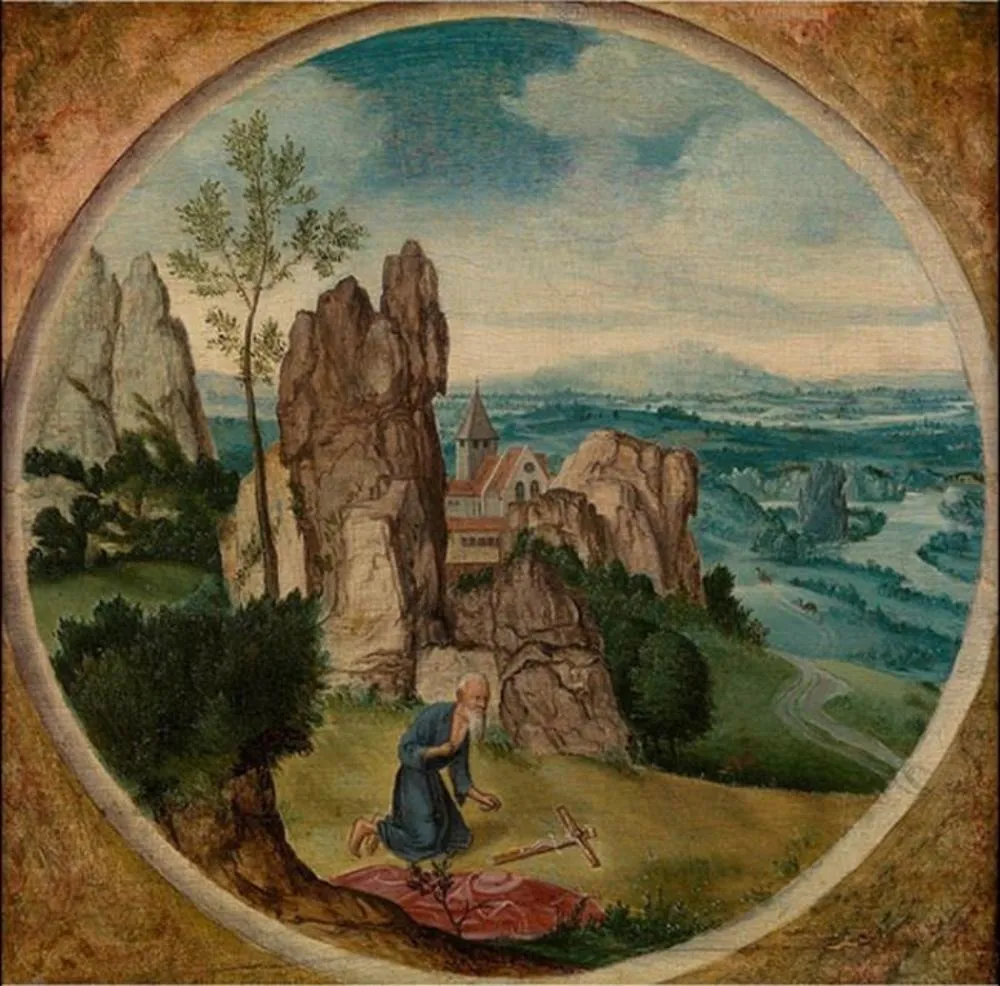
Saint Jerome in a Landscape is an oil painting by the Northern Renaissance artist Lucas Gassel. It dates from 1550 and is held in the collection of the Royal Museum of Fine Arts Antwerp.
About this work
Overview
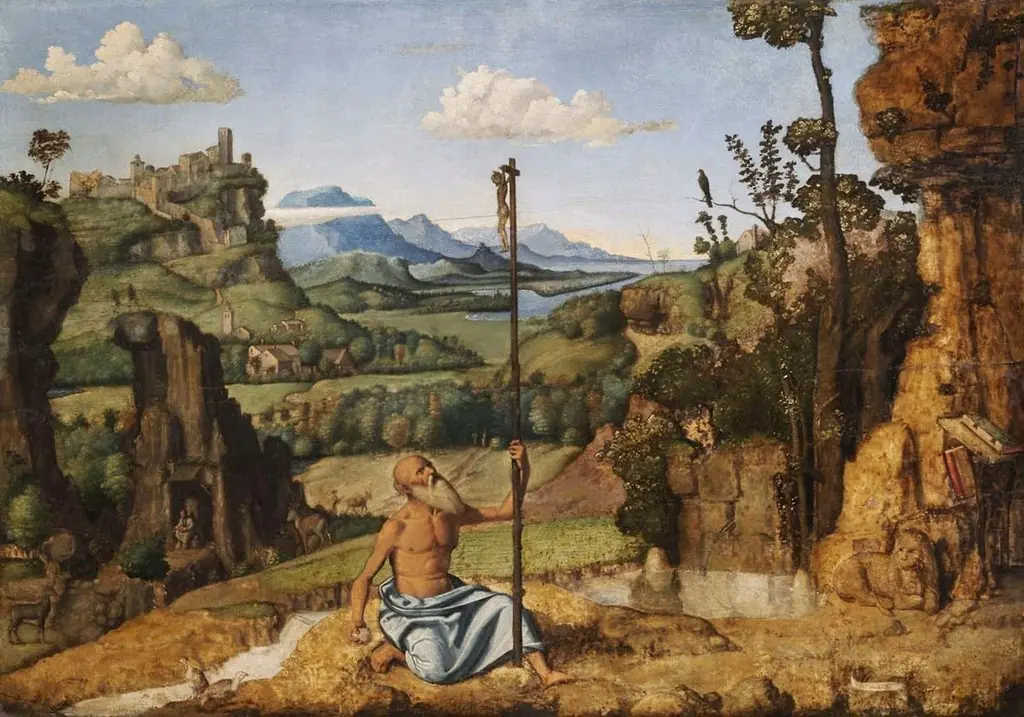
Painted around 1550, this oil on panel work by Lucas Gassel presents Saint Jerome within a meticulously rendered natural environment.
Painted around 1550, this oil on panel work by Lucas Gassel presents Saint Jerome within a meticulously rendered natural environment. As a Flemish artist active in Brussels, Gassel was part of a generation that expanded the role of landscape in religious art. The painting combines devotional imagery with topographical detail, reflecting a broader northern Renaissance trend toward integrating sacred figures into believable, atmospheric settings.
Subject & Meaning
Saint Jerome is shown in quiet contemplation, kneeling on a red cloth amid rocky terrain. The cross placed before him signals his spiritual devotion and scholarly solitude, consistent with his traditional iconography as a translator of the Bible. The surrounding landscape, devoid of dramatic action, emphasizes introspection. The inclusion of a distant village and winding path subtly suggests the world he has withdrawn from, reinforcing themes of asceticism and divine focus.
Technique & Style
Gassel employed oil paint to achieve subtle gradations of light and texture, enhancing the realism of rock surfaces, foliage, and atmospheric perspective. The sky, rendered in soft blues and whites, recedes gently behind the foreground, creating depth without artificial staging. Details like the texture of the cloth and the delicate rendering of distant architecture reflect a careful observation of nature, characteristic of northern Renaissance draftsmanship and attention to environmental fidelity.
History & Provenance
The painting has been held since at least the 19th century by the Royal Museum of Fine Arts Antwerp, where it remains part of its permanent collection. Gassel, known also for designing prints for Hieronymus Cock, likely produced this work during his mature period in Brussels. While few of his paintings survive, this piece stands as a representative example of his contribution to Flemish landscape painting before the rise of specialized genre scenes.
Context
In mid-16th century Flanders, religious subjects were increasingly set within expansive, naturalistic landscapes, moving away from purely symbolic backdrops. Artists like Gassel responded to growing interest in the natural world, influenced by humanist ideals and the rise of cartographic precision. This painting reflects a shift where the environment itself became a vessel for spiritual meaning, not merely a setting.
Legacy
Gassel’s integration of landscape and religious narrative helped pave the way for later Flemish painters who treated nature as an autonomous subject. Though less celebrated than contemporaries like Bruegel, his work contributed to the development of landscape as a serious artistic domain. This painting remains a quiet but significant marker in the transition from devotional panel to environmental storytelling in northern European art.
Artist & collection
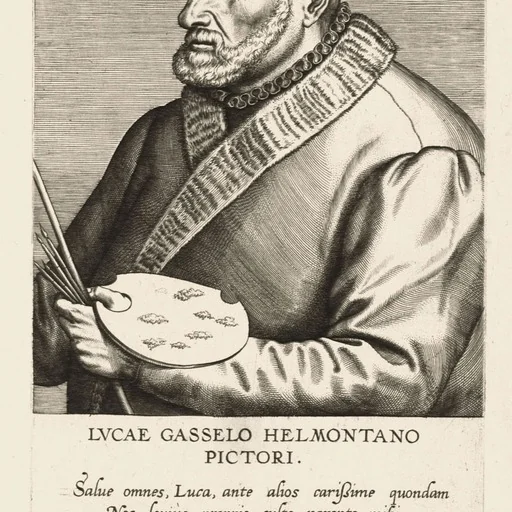
Artist
Lucas Gassel or Lucas van Gassel (Deurne, c. 1485 – Brussels, 1568 or 1569) was a Flemish Renaissance painter and draughtsman known for his landscapes. He helped further develop and modernize the landscape tradition in…