Artwork
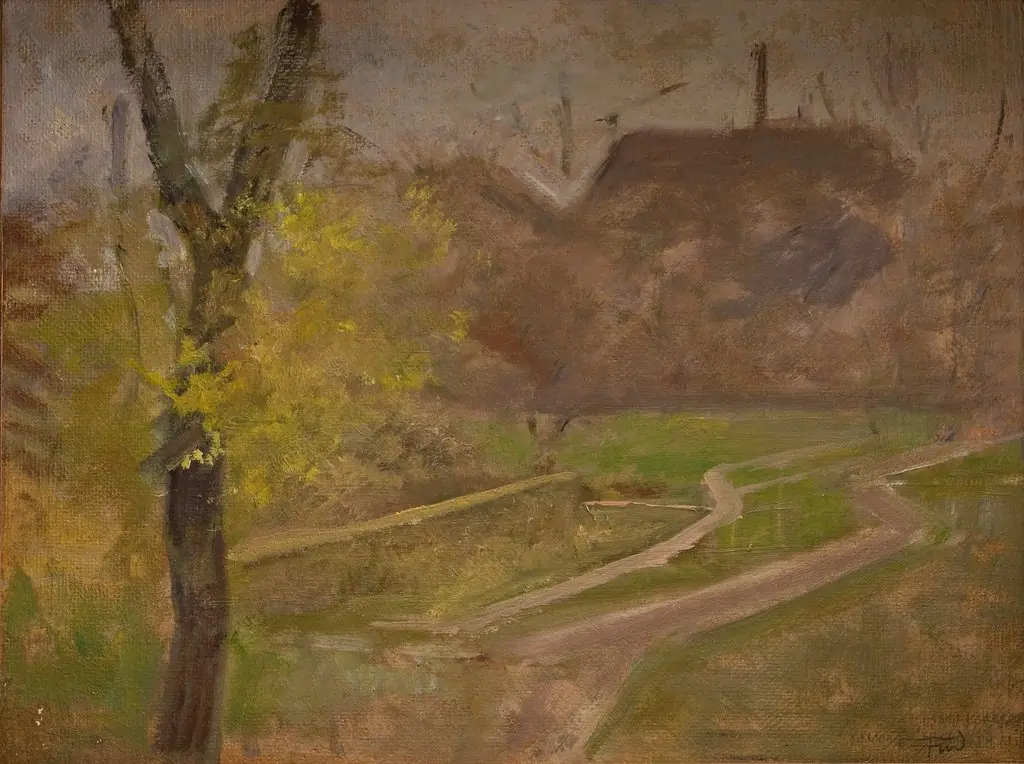
Landskab. Næstved
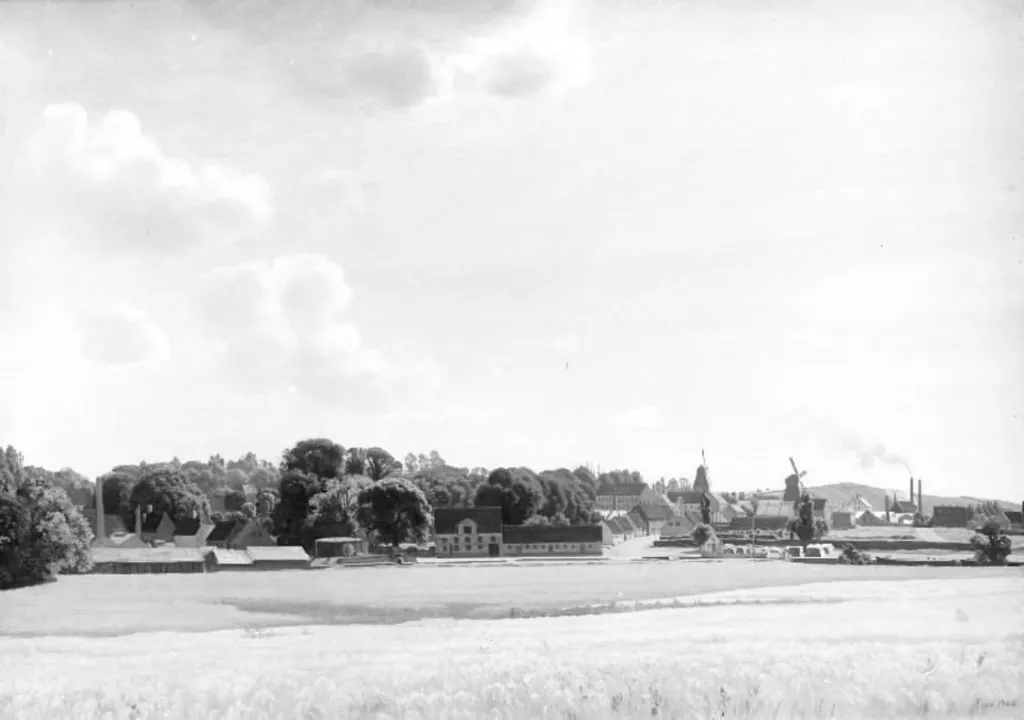
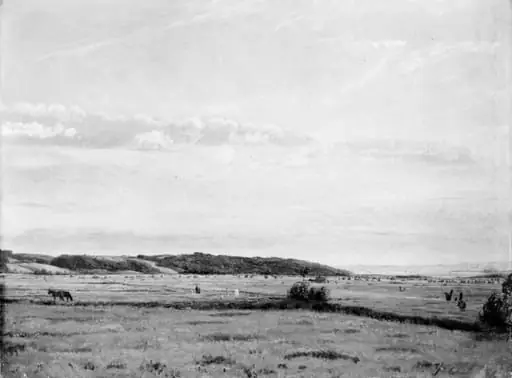
Landskab. Næstved is an oil painting by the Post-Impressionist artist Ludvig Find. It dates from 1900 and is held in the collection of the Statens Museum for Kunst. Landskab.
About this work
Overview
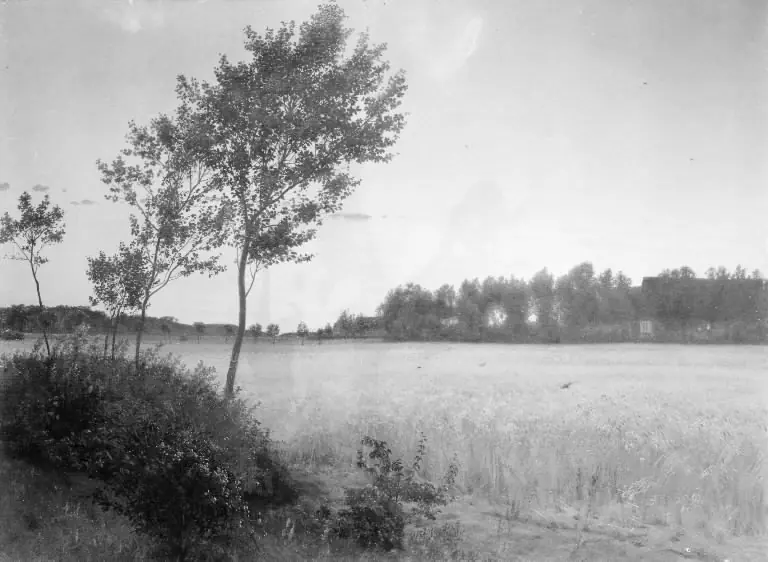
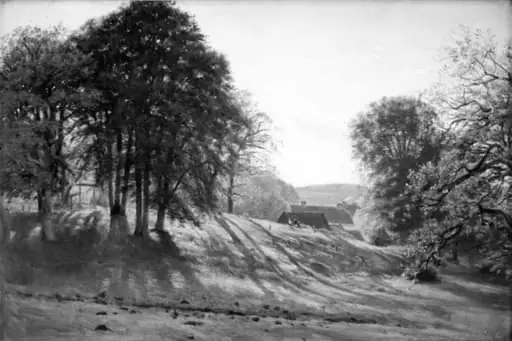
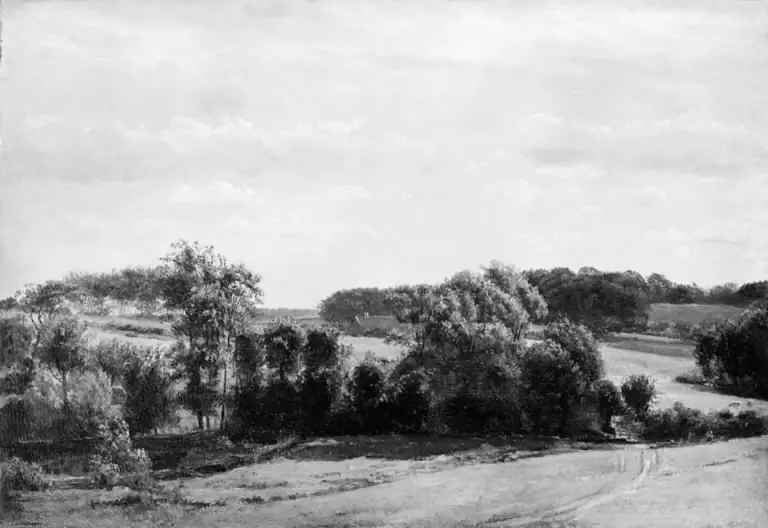
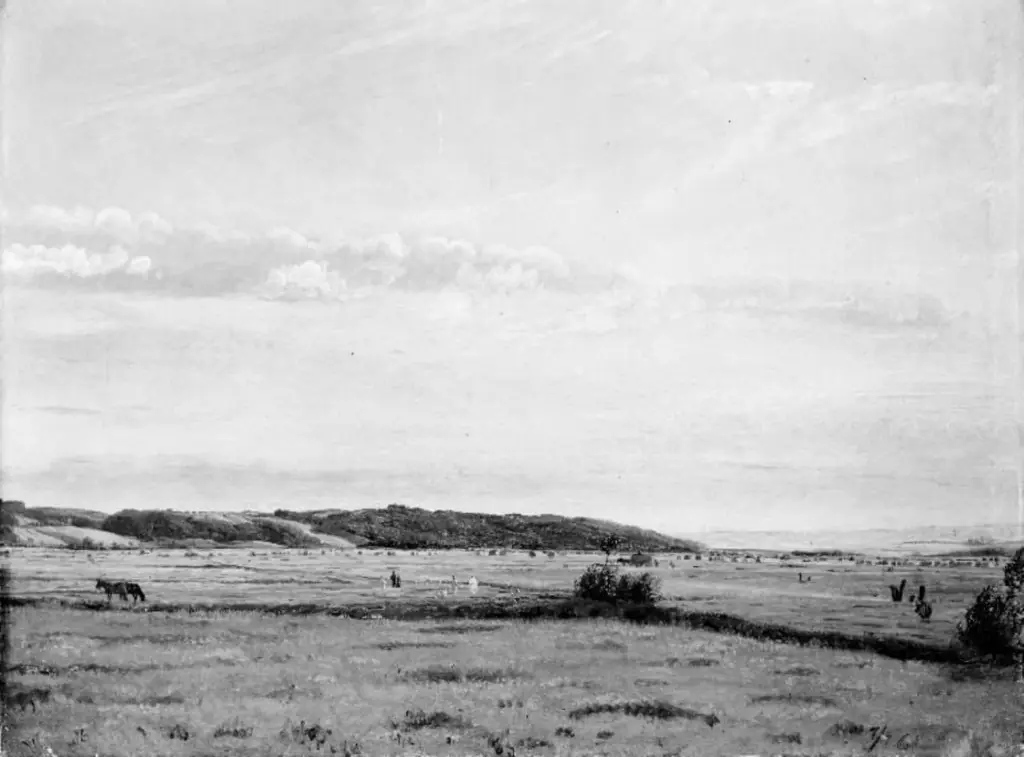
Landskab. Næstved is an oil painting completed in 1900 by Danish artist Ludvig Find. It portrays a quiet rural scene near the town of Næstved and is part of the collection at Statens Museum for Kunst. The work reflects Find’s interest in capturing the Danish countryside with subtle realism, avoiding dramatic flourish in favor of measured observation.
Subject & Meaning
The painting presents a tranquil agricultural landscape with a distant village nestled behind a broad, open field. No human figures are present, emphasizing stillness and the quiet rhythm of rural life. The composition invites contemplation, suggesting harmony between land and settlement without overt narrative or symbolism.
Technique & Style
Find employs soft transitions between light and shadow to model forms and suggest spatial depth. The warm, diffused sunlight unifies the scene, enhancing the sense of atmosphere. Brushwork is restrained, with careful attention to tonal gradations rather than bold strokes, aligning with a quiet, observational approach to landscape painting.
History & Provenance
Created in 1900, the painting entered the collection of Statens Museum for Kunst shortly after its completion. It has remained in public ownership since, with no record of private ownership or significant exhibition history beyond its inclusion in Danish national collections. Its preservation reflects institutional interest in early 20th-century Danish realism.
Context
Landskab. Næstved emerged during a period when Danish artists were turning away from romanticized landscapes toward more subdued, everyday scenes. Find’s work aligns with a national trend of documenting local environments with sincerity, influenced by French Realism and the Skagen painters’ focus on natural light and rural life.
Legacy
Though not widely reproduced or critically celebrated, the painting stands as a representative example of early 20th-century Danish landscape painting. It contributes to the understanding of how regional artists interpreted their surroundings with restraint, preserving a quiet visual record of Denmark’s rural character during a time of modernization.
Artist & collection