Artwork
Baby
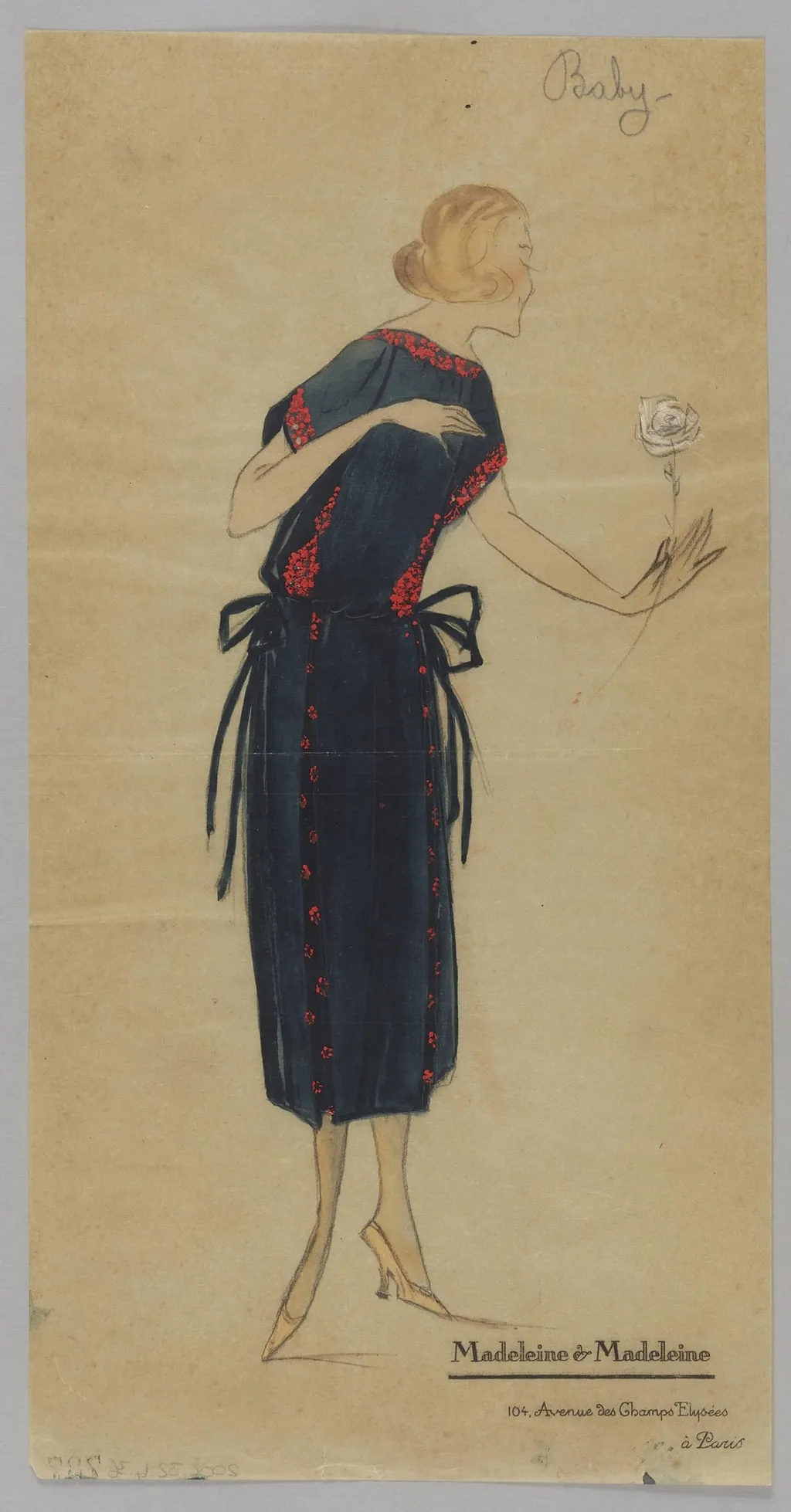
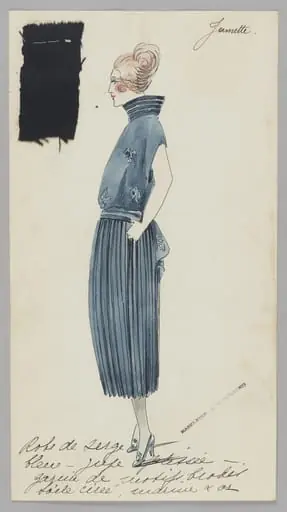
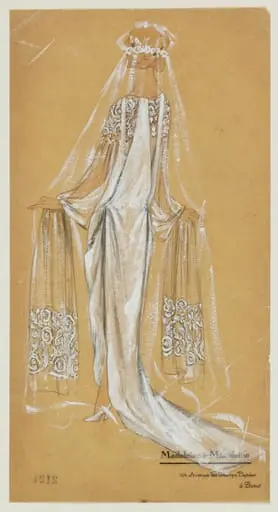
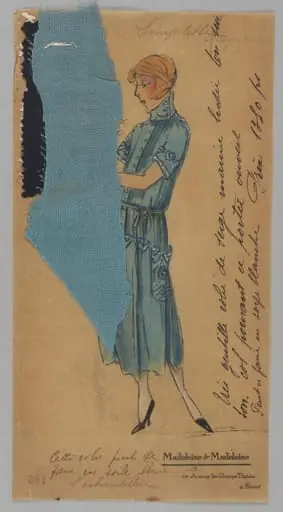
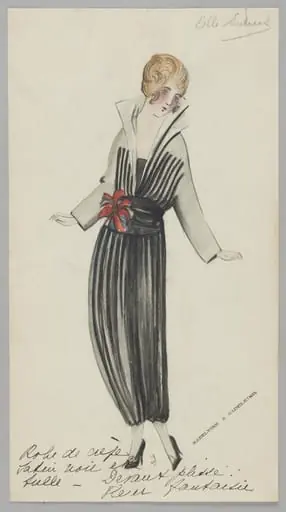
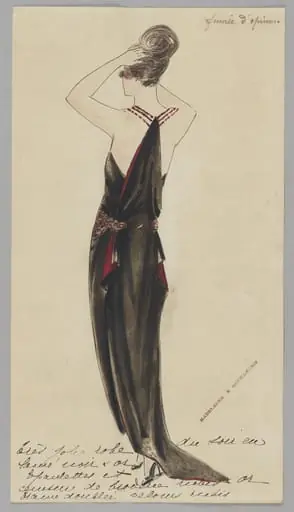
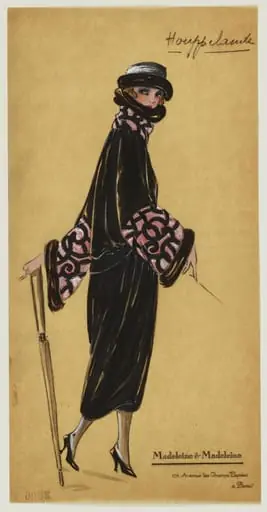
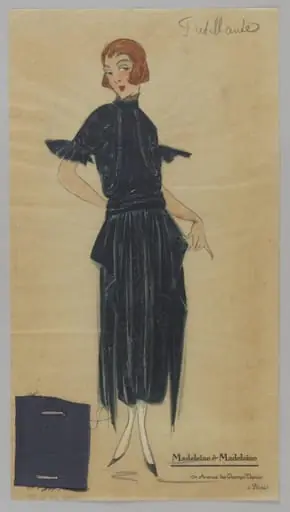
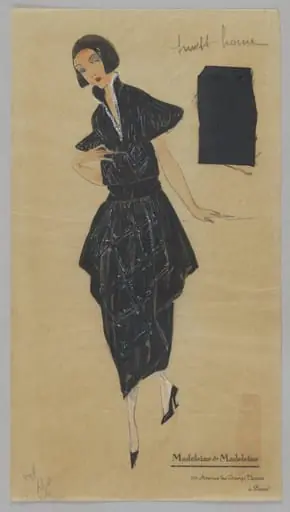
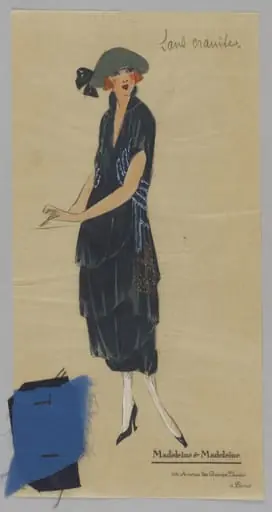
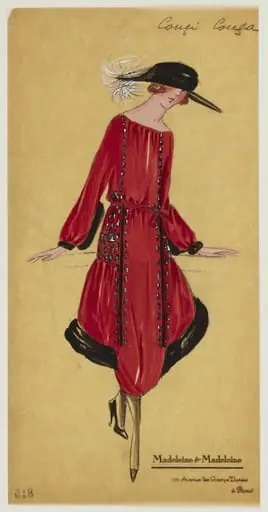
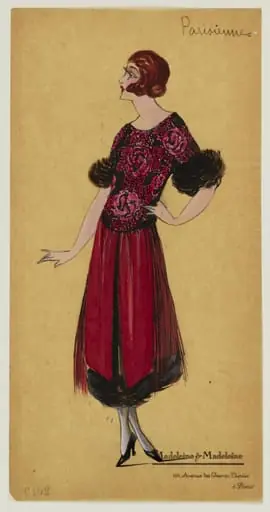
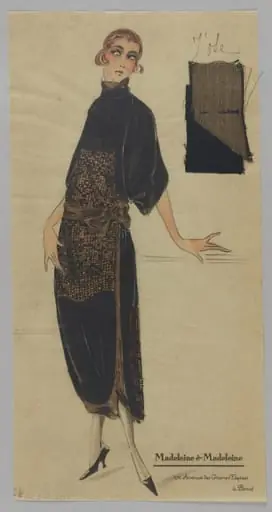
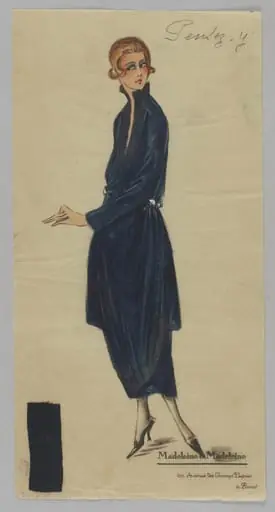
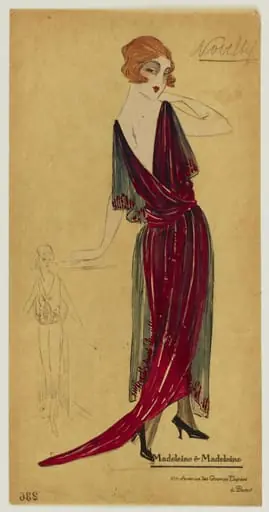
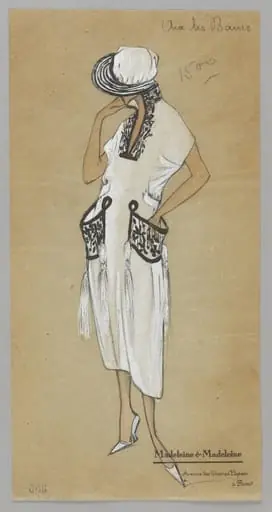
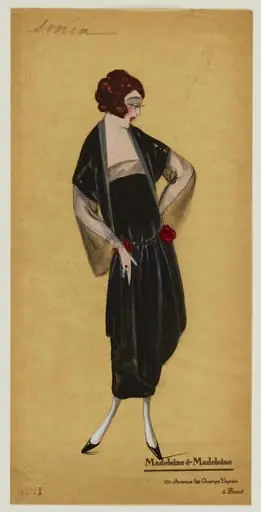
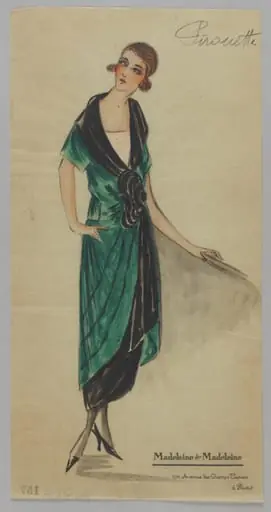
Baby is a drawing by Madeleine & Madeleine. It dates from 1924 and is held in the collection of the Palais Galliera - Musée de la Mode de la Ville de Paris.
About this work
Overview
The title 'Baby' appears in the upper corner, while the artists' names are signed below, indicating a personal or intimate context for the work.
Created in 1924 by the collaborative duo Madeleine & Madeleine, this ink drawing depicts a woman seen from behind, dressed in a dark gown adorned with red embroidery. The piece is held in the collection of the Museum of Ethnography. Its informal, rapid execution suggests a study rather than a finished portrait. The title 'Baby' appears in the upper corner, while the artists' names are signed below, indicating a personal or intimate context for the work.
Subject & Meaning
The figure, identified only as 'Baby,' is rendered without a visible face, emphasizing posture and attire over identity. The white rose she holds may suggest mourning, purity, or a private ritual. The detailed embroidery on the dress hints at cultural or regional dress traditions, though no specific origin is documented. The absence of facial features invites interpretation focused on clothing, gesture, and the quiet presence of the subject.
Technique & Style
Executed in loose, fluid ink lines, the drawing conveys immediacy and spontaneity. Details such as the embroidered dots on the sleeves and waistband are carefully rendered, contrasting with the sketchy treatment of the figure’s form. The low-heeled shoes and tied belt are noted with precision, suggesting the artists prioritized textile accuracy over anatomical refinement. The overall effect is intimate and observational, typical of personal sketches rather than formal portraiture.
History & Provenance
The work entered the Museum of Ethnography’s collection following the artists’ lifetime, though its prior ownership is unrecorded. Madeleine & Madeleine were known for documenting everyday figures and dress, often in informal settings. The drawing’s modest scale and unassuming nature suggest it was part of a private archive, later acquired for its ethnographic value rather than artistic prominence.
Context
In the 1920s, artists across Europe increasingly turned to everyday subjects and vernacular dress as sources of cultural documentation. Madeleine & Madeleine contributed to this trend by recording individuals in domestic or regional attire, often without context or names. This drawing reflects a broader interest in material culture, where clothing became a record of identity, class, and regional custom.
Legacy
Though not widely exhibited, the drawing remains a quiet example of early 20th-century ethnographic sketching. Its value lies in its unembellished attention to textile detail and the anonymity of its subject. It contributes to a body of work that prioritizes observation over narrative, offering insight into how dress was recorded and understood by artists seeking to preserve the ordinary.
Artist & collection
Artist
These artists left a small but striking set of 1924 drawings and designs that mix fashion and line.
Museum
Palais Galliera - Musée de la Mode de la Ville de Paris
Continue through works from the same source collection.