Artwork
Mother of the Artist
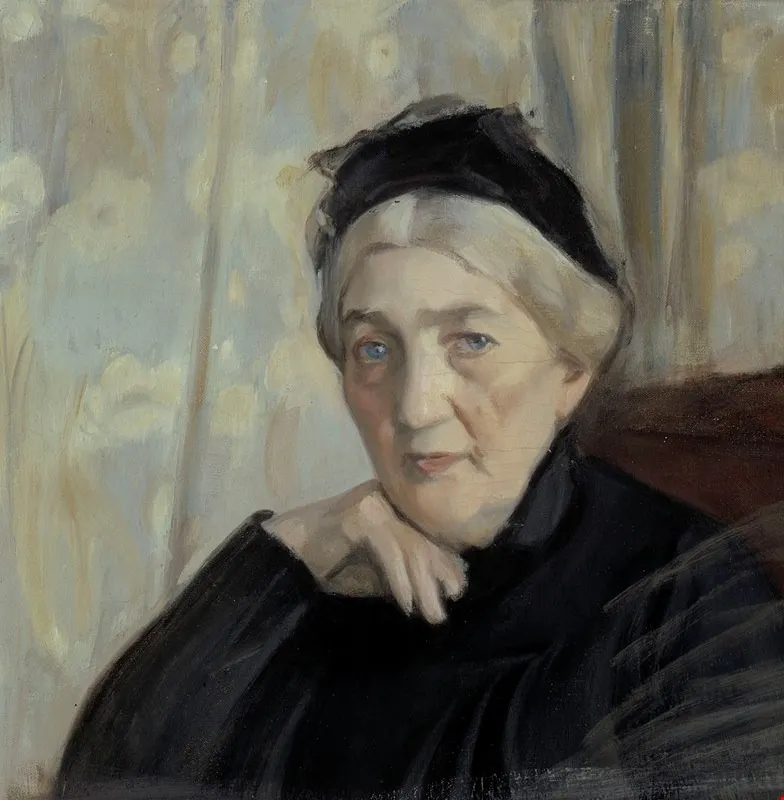
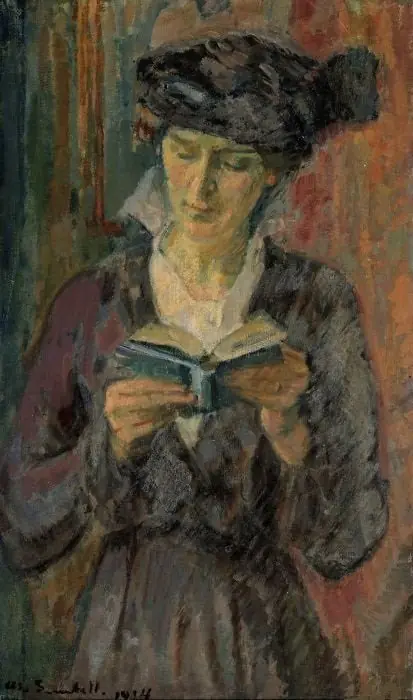
Mother of the Artist is an oil painting by Magnus Enckell. It dates from 1904 and is held in the collection of the Finnish National Gallery.
About this work
Overview
Enckell, a key figure in Finnish modernism, was associated with the Septem group, which championed expressive color.
Magnus Enckell painted *Mother of the Artist* in 1904 using oil on canvas. The work belongs to the Ateneum Art Museum’s collection in Helsinki and reflects a pivotal phase in the artist’s career, when his palette shifted toward more vivid tones. Though rooted in symbolism, the painting avoids overt mysticism, focusing instead on quiet psychological presence. Enckell, a key figure in Finnish modernism, was associated with the Septem group, which championed expressive color.
Subject & Meaning
The subject is the artist’s mother, depicted in direct gaze and stillness. Her grey hair and blue eyes contrast with the dark dress and headband, emphasizing solemnity. The composition avoids narrative detail, inviting contemplation rather than storytelling. Her expression is neither warm nor cold, but inward, suggesting a private emotional world. The painting functions as a personal tribute, stripped of idealization, grounded in quiet observation.
Technique & Style
Enckell employed thick, deliberate brushwork to define form, particularly in the folds of the black dress and the texture of the hair. The background is rendered in muted tones, allowing the figure to emerge with clarity. Color is used not for decoration but to modulate mood: the cool blues and greys of the face contrast with the deep blacks of clothing, creating a restrained tonal harmony. The style merges symbolic restraint with emerging modernist sensitivity to light and surface.
History & Provenance
Painted in 1904, the work entered the Ateneum’s collection shortly after its completion, reflecting its early recognition within Finnish artistic circles. Enckell’s growing reputation as a colorist and symbolist placed him at the center of Helsinki’s cultural life. The painting remained in institutional hands throughout the 20th century, with no documented private ownership, underscoring its status as a culturally significant work within Finland’s national art heritage.
Context
In early 20th-century Finland, artists were redefining national identity through art, moving away from academic traditions. Enckell, alongside the Septem group, embraced color as an emotional language, influenced by French Post-Impressionism and Nordic symbolism. *Mother of the Artist* emerges from this milieu—not as a national allegory, but as an intimate portrait that aligns with broader efforts to express inner life through visual means.
Legacy
The painting remains a touchstone in discussions of Finnish symbolist portraiture. While Enckell’s broader oeuvre includes mythological and allegorical themes, this work stands out for its restraint and psychological depth. It influenced later Finnish artists seeking to balance personal expression with formal discipline. Today, it is studied as an example of how intimacy and modernity converged in Nordic art at the turn of the century.
Artist & collection
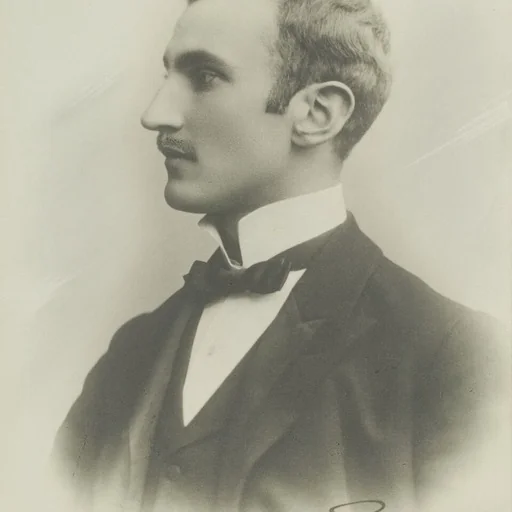
Artist
Knut Magnus Enckell (9 November 1870 – 27 November 1925) was a Finnish symbolist painter.

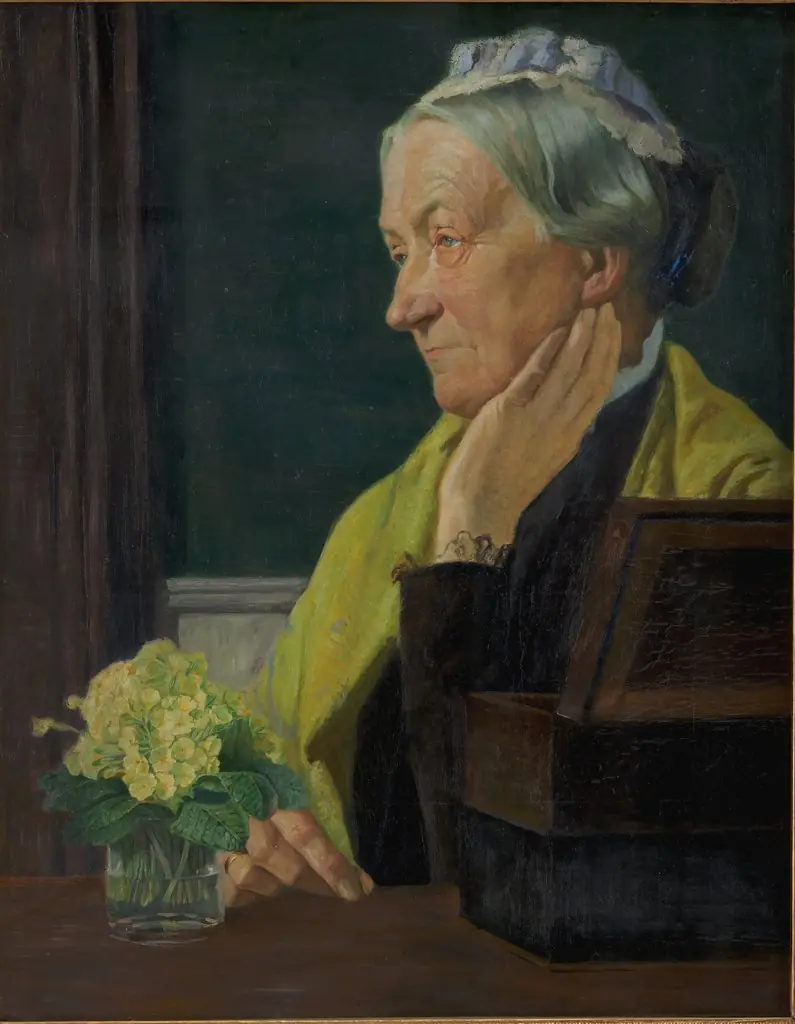 Ane Marie Rohde, née Schmidt. The artist's mother.
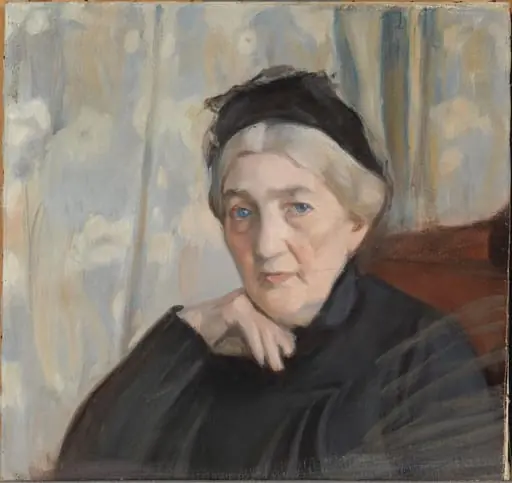 Taiteilijan äiti
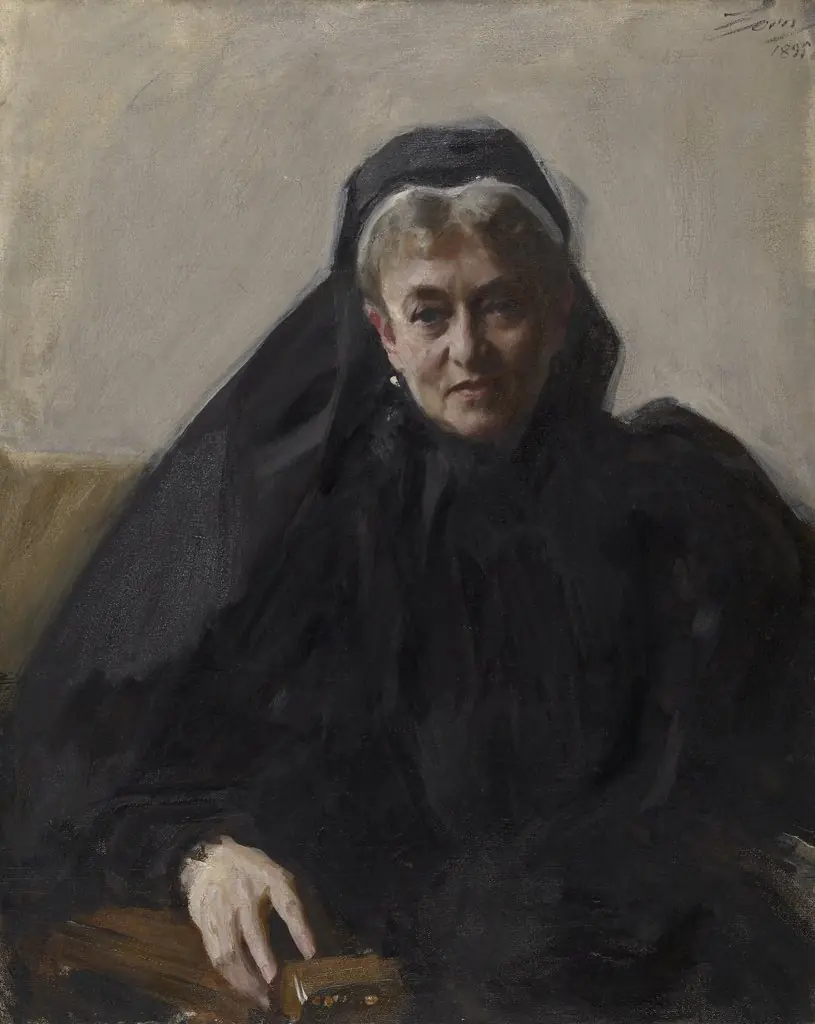 Maria Sheldon Scammon
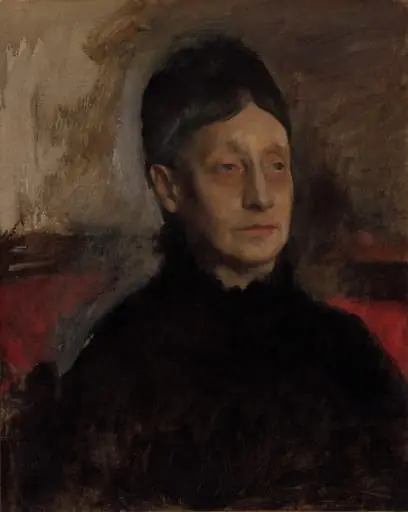 Stefanina Primicile Carafa, Marchioness of Cicerale and Duchess of Montejasi
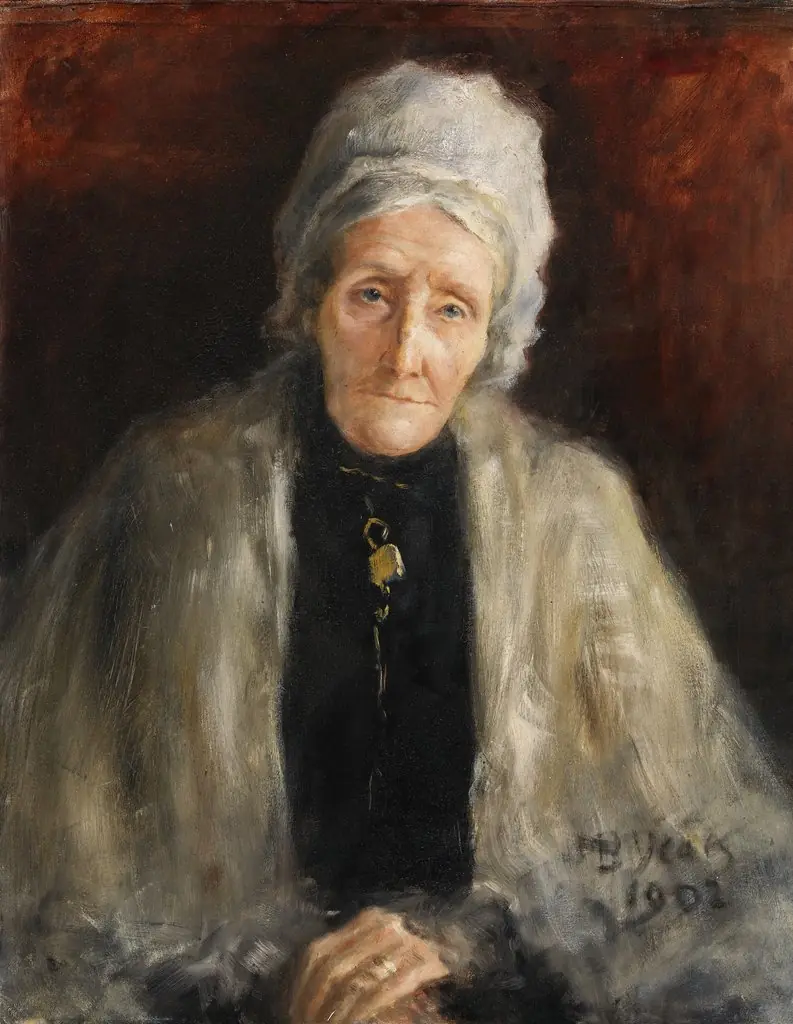 Portrait of Miss K. Leney
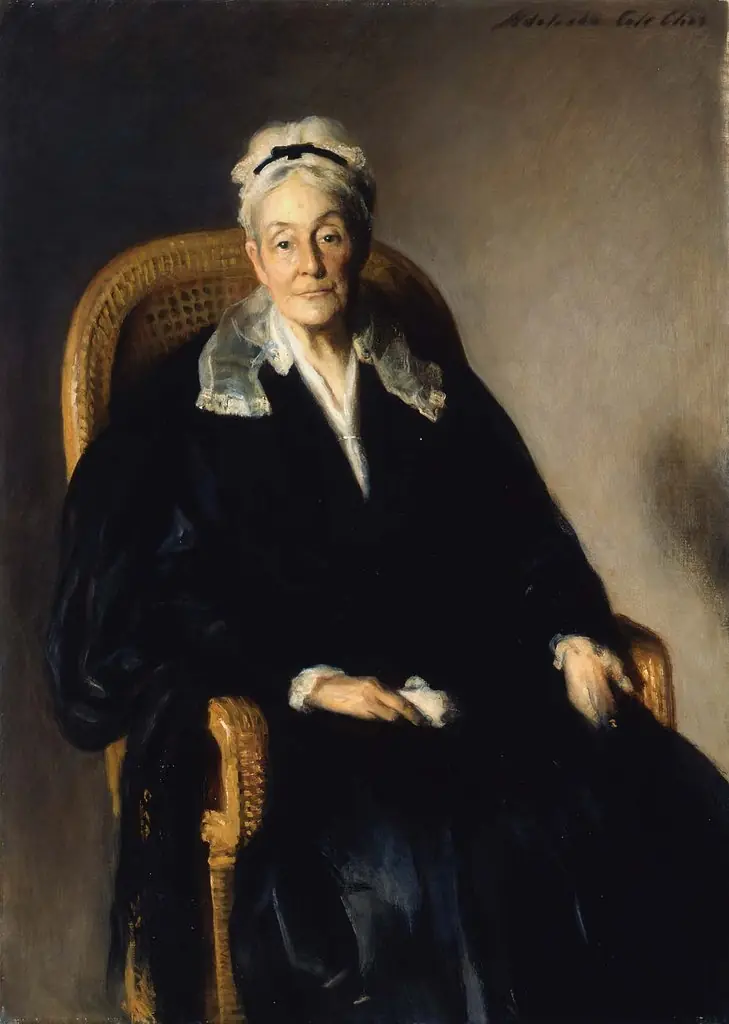 Emily E. Blanchard Shepherd
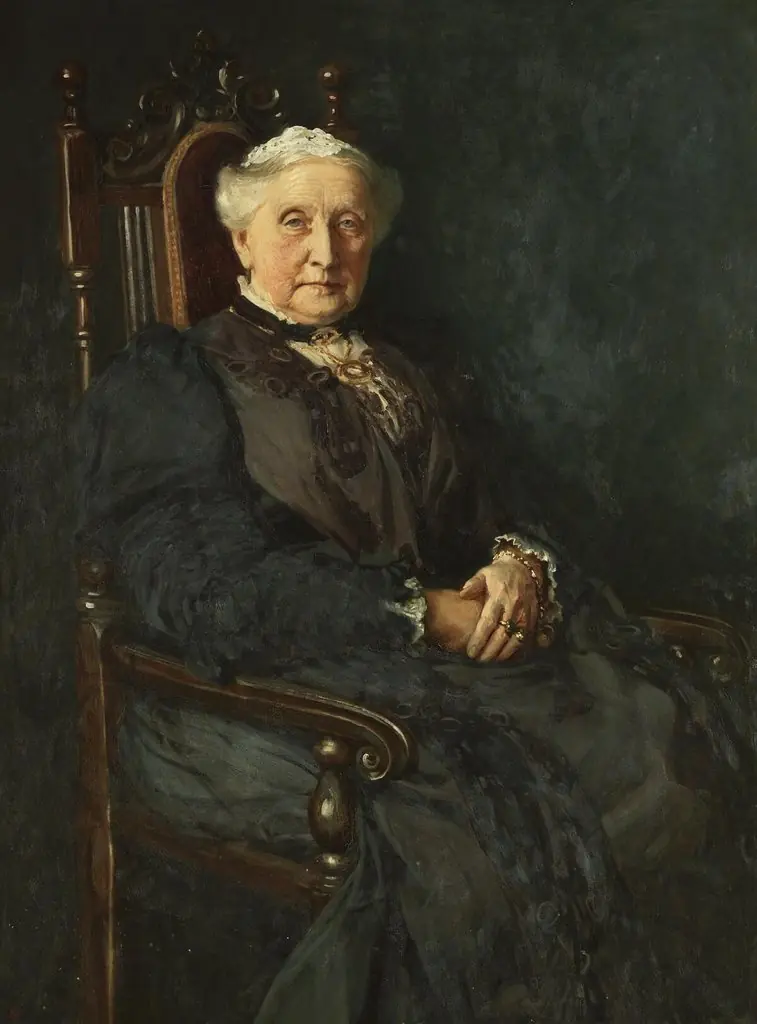 Mrs Elizabeth Poole-Hughes
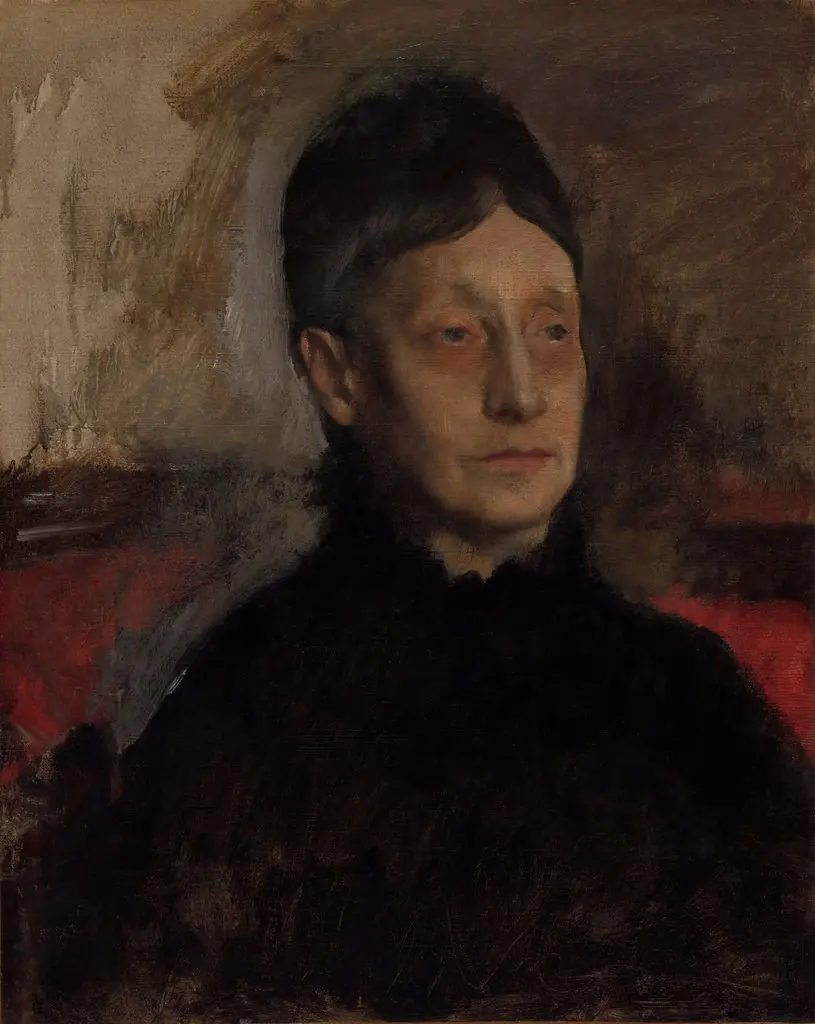 Stefanina Primicile Carafa, Marchioness of Cicerale and Duchess of Montejasi
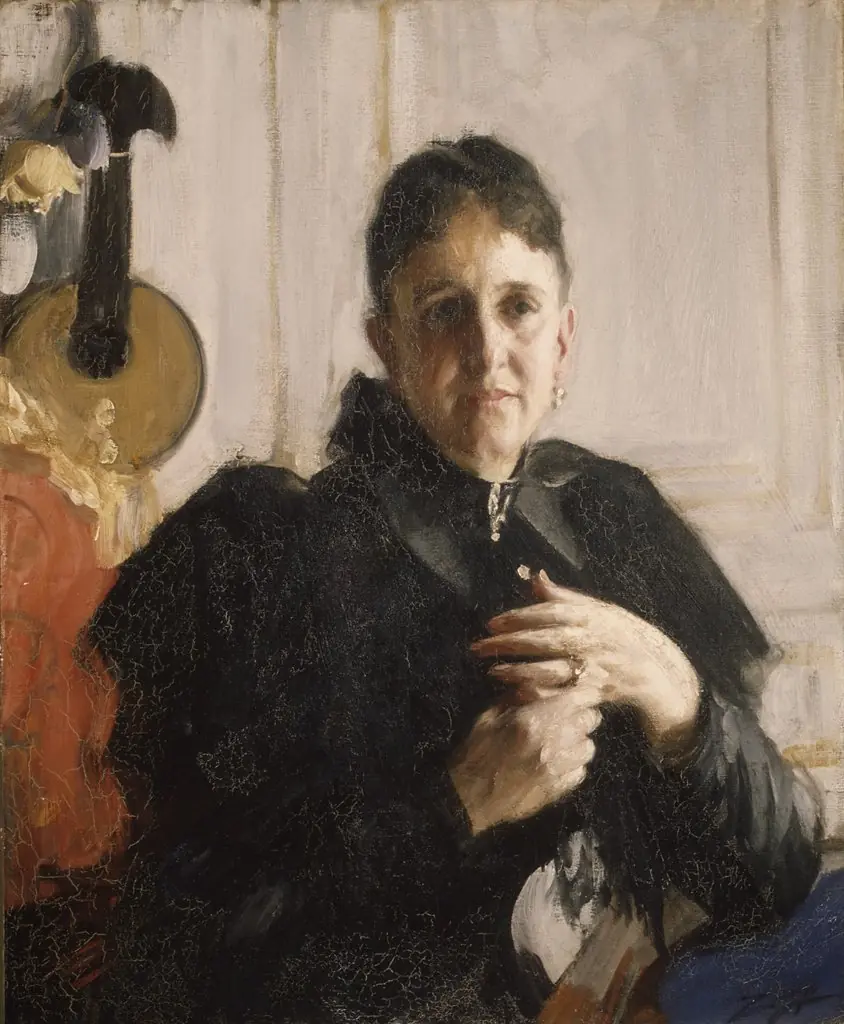 Mrs. John Crosby Brown (Mary Elizabeth Adams, 1842–1918)
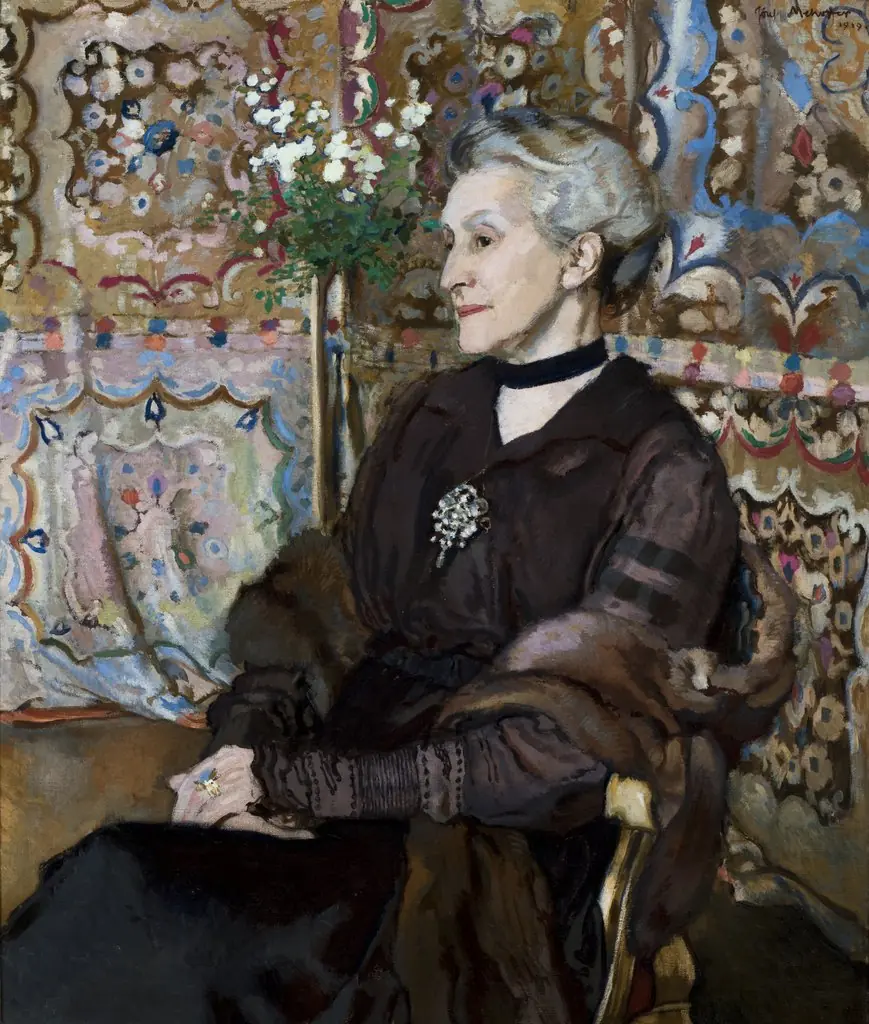 Portrait of Celina Sarowa