Artwork
Άτιτλο
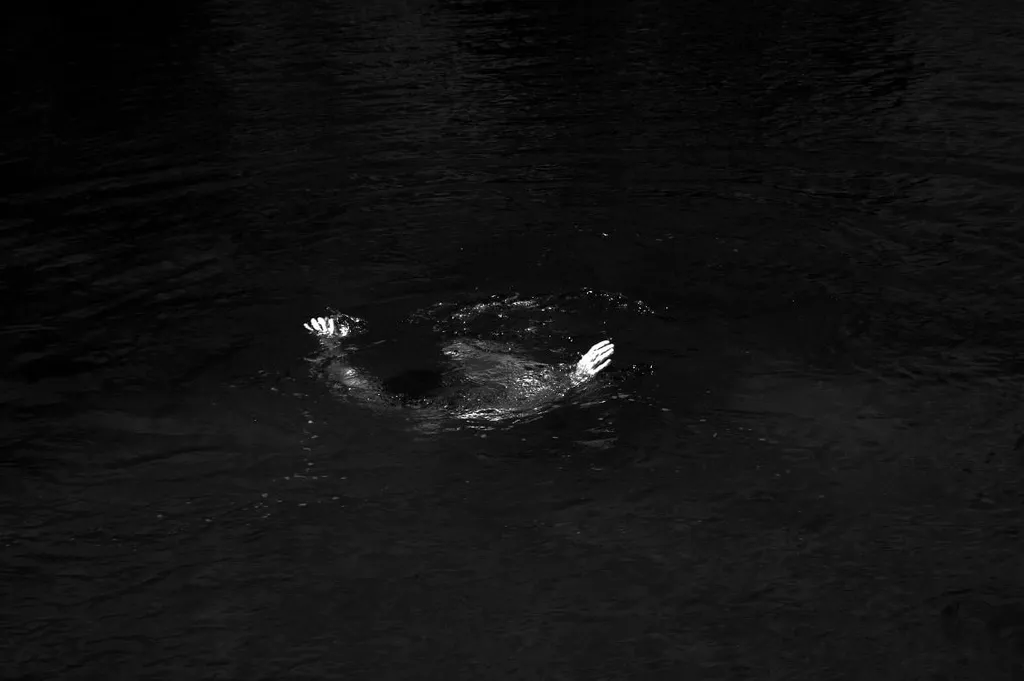
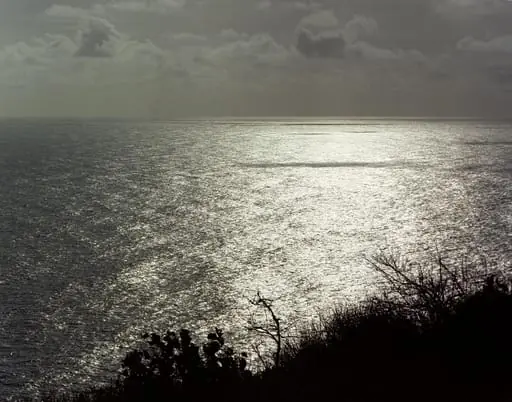
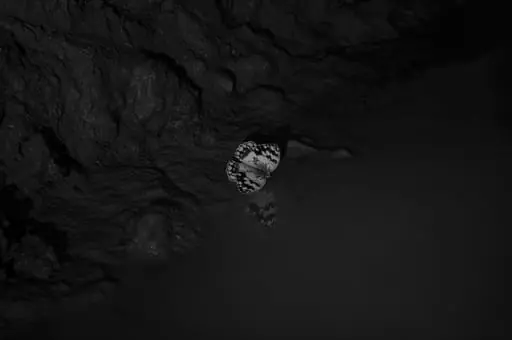
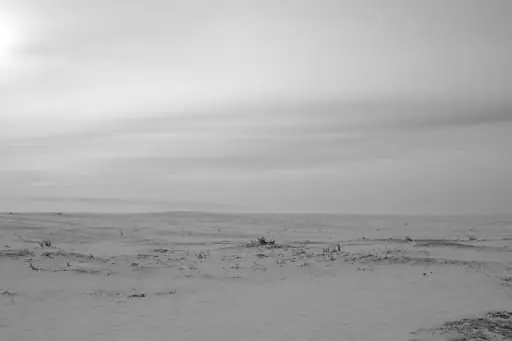
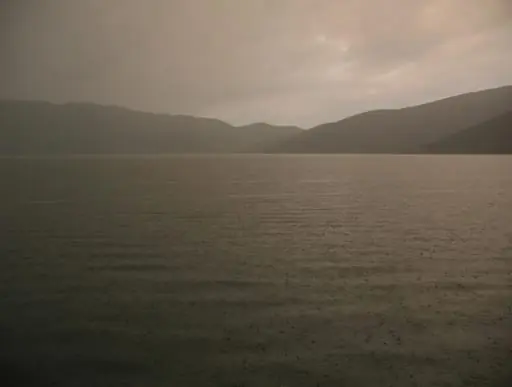
Άτιτλο is a photography by MARIA MAVROPOULOU. It dates from 2009 and is held in the collection of the Athens School of Fine Arts.
About this work
Overview
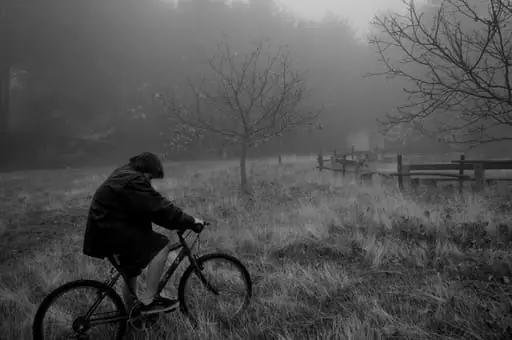
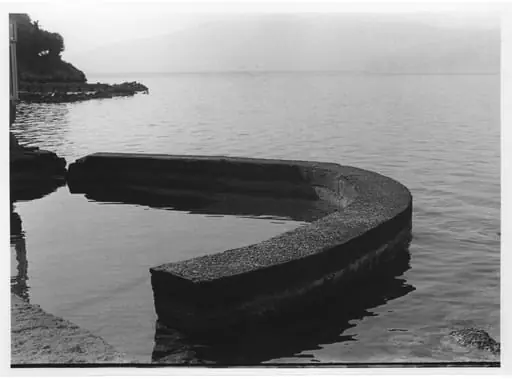
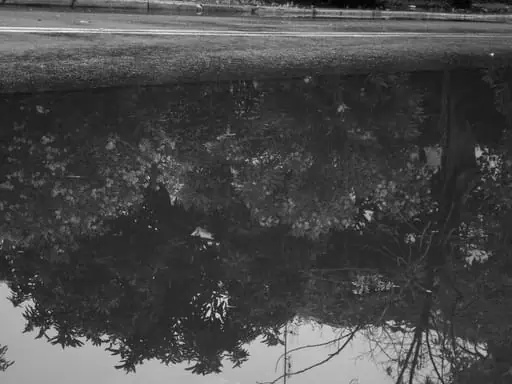
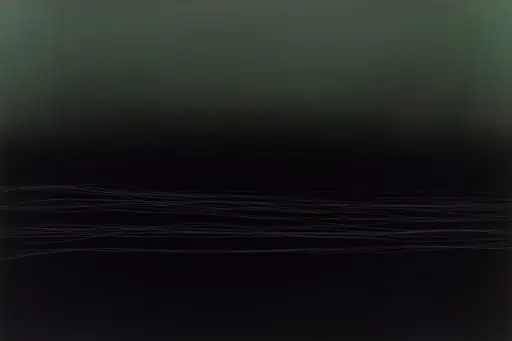
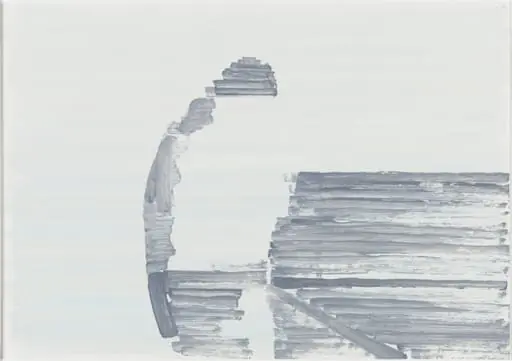
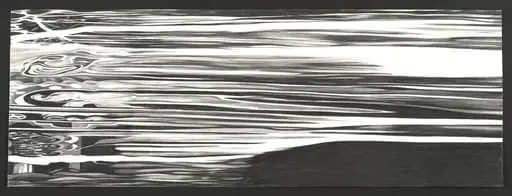
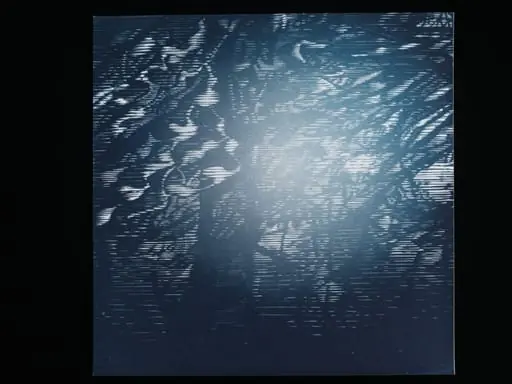
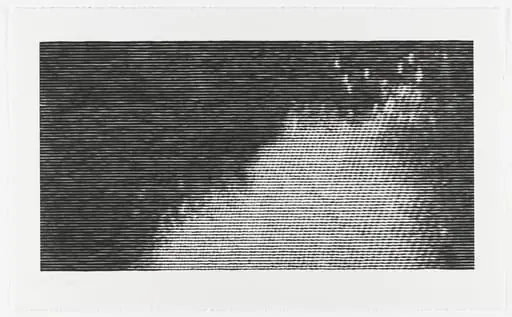
Created in 2009 by Maria Mavropoulou, this untitled work is part of the Museum of Ethnography’s collection. It presents a submerged figure whose arms extend just above the water’s surface, the rest of the body hidden beneath. The composition focuses narrowly on the interaction of light and liquid, eliminating narrative context to emphasize stillness and absence.
Subject & Meaning
The figure is rendered not as a distinct individual but as a silhouette of limbs, suggesting vulnerability or surrender. The absence of the face and torso invites contemplation of anonymity, isolation, or inner quietude. The water, acting as both barrier and veil, transforms the body into an abstract presence—more felt than seen—evoking themes of concealment and quiet endurance.
Technique & Style
Mavropoulou employs a restrained palette dominated by deep blues and near-black tones, with light introduced only where it breaks the surface. Brushwork is minimal, allowing the water’s ripples to emerge through subtle gradations. The lack of detail in the figure and the focus on atmospheric effects align the work with contemplative realism, prioritizing mood over literal representation.
History & Provenance
The work entered the Museum of Ethnography’s collection shortly after its creation in 2009. There is no public record of prior ownership or exhibition history beyond its inclusion in the museum’s contemporary holdings. Its acquisition reflects the institution’s interest in modern visual expressions of human experience, particularly those engaging with solitude and the natural element.
Context
Mavropoulou’s practice often explores the body in relation to environment, especially water as a symbol of transition or memory. This piece aligns with broader Mediterranean artistic inquiries into liminality and the unseen, where natural elements become metaphors for psychological states. It emerges from a period when Greek artists increasingly turned to minimalist, emotionally resonant imagery.
Legacy
Though not widely reproduced, the work has contributed to discussions within the museum’s contemporary program about the representation of the body in non-narrative form. Its quiet intensity has influenced later artists in the region who favor understated compositions to convey emotional depth, reinforcing a trend toward introspective visual language in Greek contemporary art.
Artist & collection
Artist