Artwork
Jigger Jagger
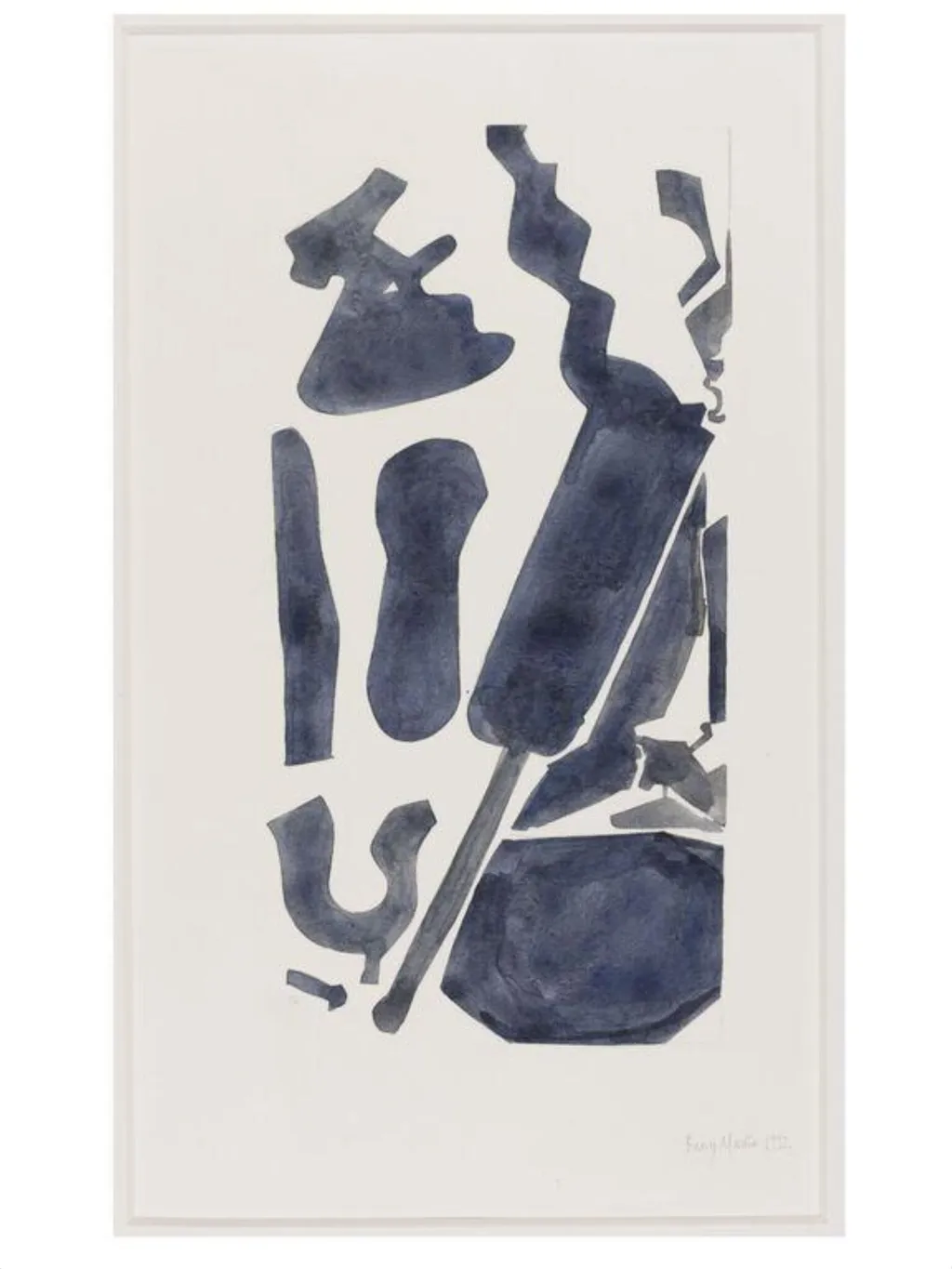
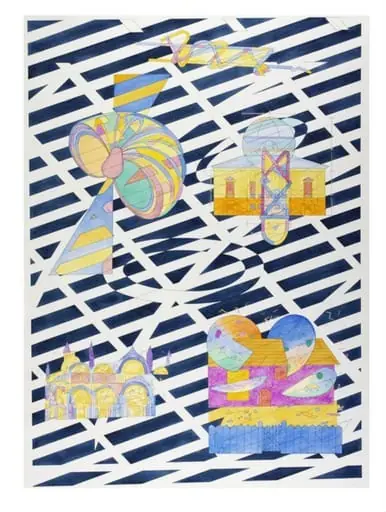
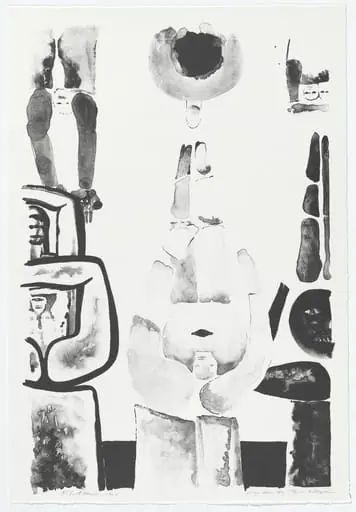
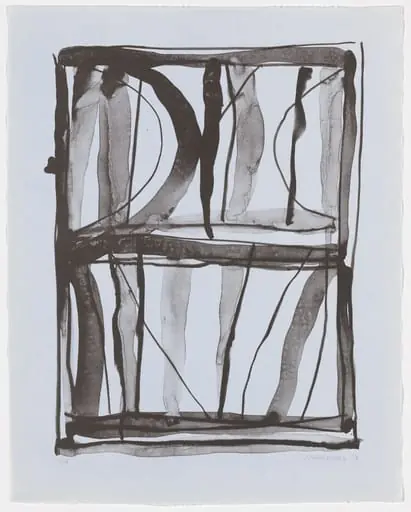
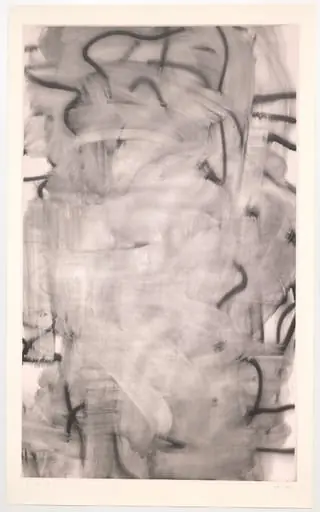
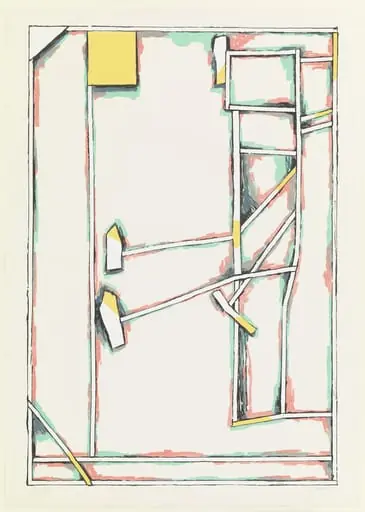
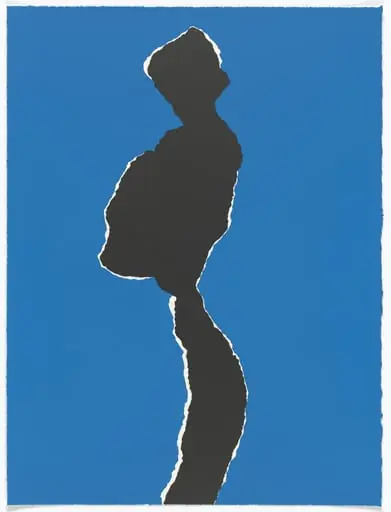
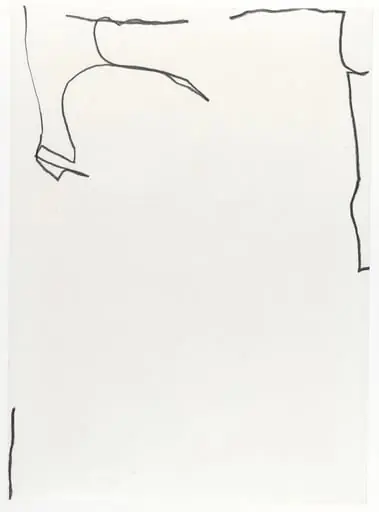
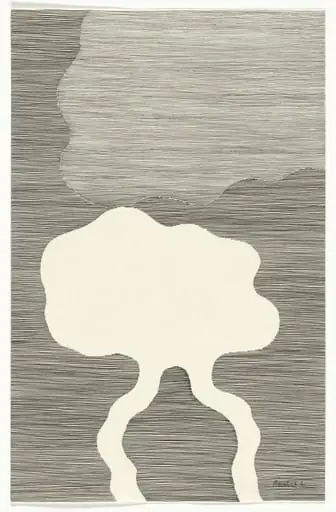
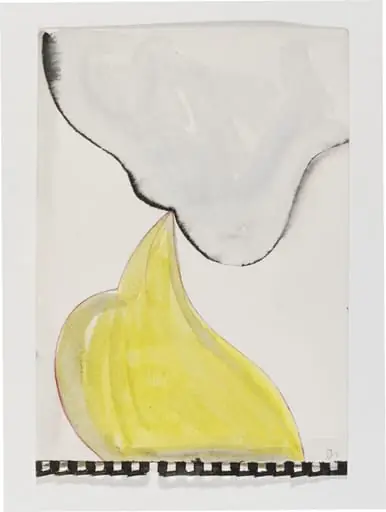
Jigger Jagger is a drawing by Barry Martin. It dates from 1988 and is held in the collection of the Victoria and Albert Museum.
About this work
You see a drawing with simple shapes and lines.
It's interesting because Barry Martin worked on it over several years, from 1985 to 1992. He used drawing as a way to record and observe, and also as a way to create something on its own.
You can learn more about similar styles by looking at the work of artist: Martin, Barry.
Overview
Though he engaged with kinetic sculpture, film, and performance, drawing remained central—not merely preparatory, but a self-sufficient mode of thought.
Barry Martin, trained at Goldsmith’s and St Martin’s in the 1960s, has consistently prioritized drawing across decades and media. Though he engaged with kinetic sculpture, film, and performance, drawing remained central—not merely preparatory, but a self-sufficient mode of thought. This work, dated between 1985 and 1992, exemplifies his long-term engagement with form, evolving through iterative revision rather than single-session completion.
Subject & Meaning
'Jigger Jagger' presents no representational subject. Instead, it consists of abstract, recurring geometric motifs that Martin developed and transformed over years. These forms function as visual variables, akin to linguistic elements, allowing him to explore structure, repetition, and change. The title suggests a playful, almost linguistic rhythm, reinforcing the idea of drawing as a symbolic system rather than an image-making practice.
Technique & Style
The drawing employs minimal, precise lines and simplified shapes, avoiding shading or texture. Martin’s process involved repeated refinement, with forms layered and altered over time. The result is a dense yet controlled composition where each mark carries the weight of prior decisions. The work reflects a methodical, almost scientific approach, treating drawing as an analytical tool rather than expressive gesture.
History & Provenance
This drawing is part of a broader gift from Barry Martin to the V&A, spanning his career from the 1960s to the 1990s. It joins other works in the collection, including E.315–321–2006, which together trace his evolving visual language. The extended timeframe of its creation—seven years—underscores Martin’s commitment to drawing as a prolonged inquiry, not a finished product.
Context
Martin’s practice emerged alongside conceptual and systems-based art movements of the late 20th century, where process and structure often superseded representation. His work aligns with contemporaries who treated drawing as a cognitive act, akin to notation or code. Unlike expressive abstraction, his forms are derived from internal logic, reflecting a broader interest in perception, pattern, and rule-based generation.
Legacy
Martin’s sustained focus on drawing as an intellectual discipline has influenced later generations of artists who treat the medium as a site for inquiry rather than illustration. His works, preserved in institutional collections, serve as case studies in the autonomy of drawing—demonstrating how repeated, deliberate mark-making can generate meaning without recourse to narrative or imagery.
Artist & collection
Artist
Barry Martin was a British artist associated with the kinetic art movement of the 1960s, in which physical movement was incorporated into art.