Artwork
Nicolas Louis Faret
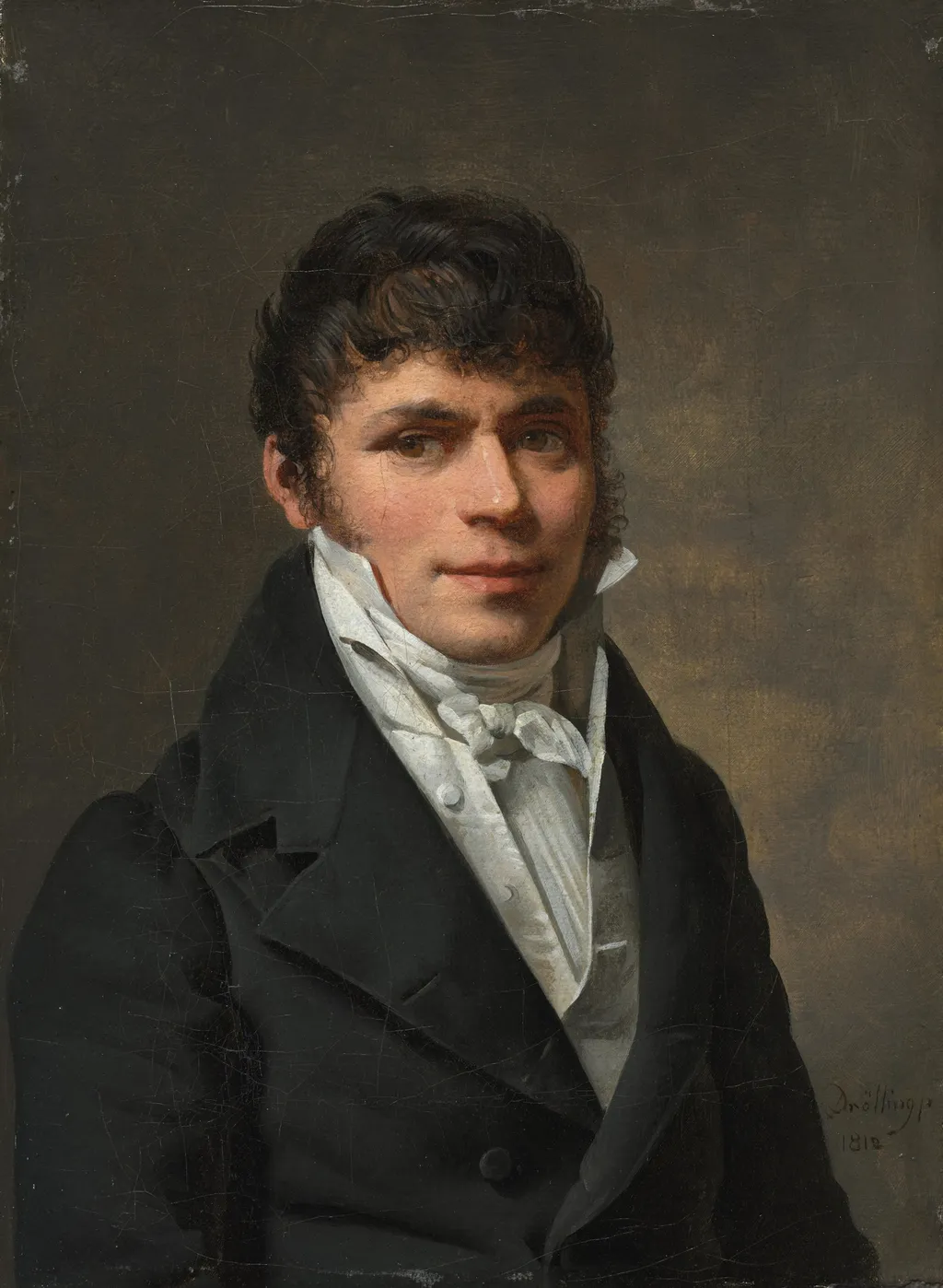
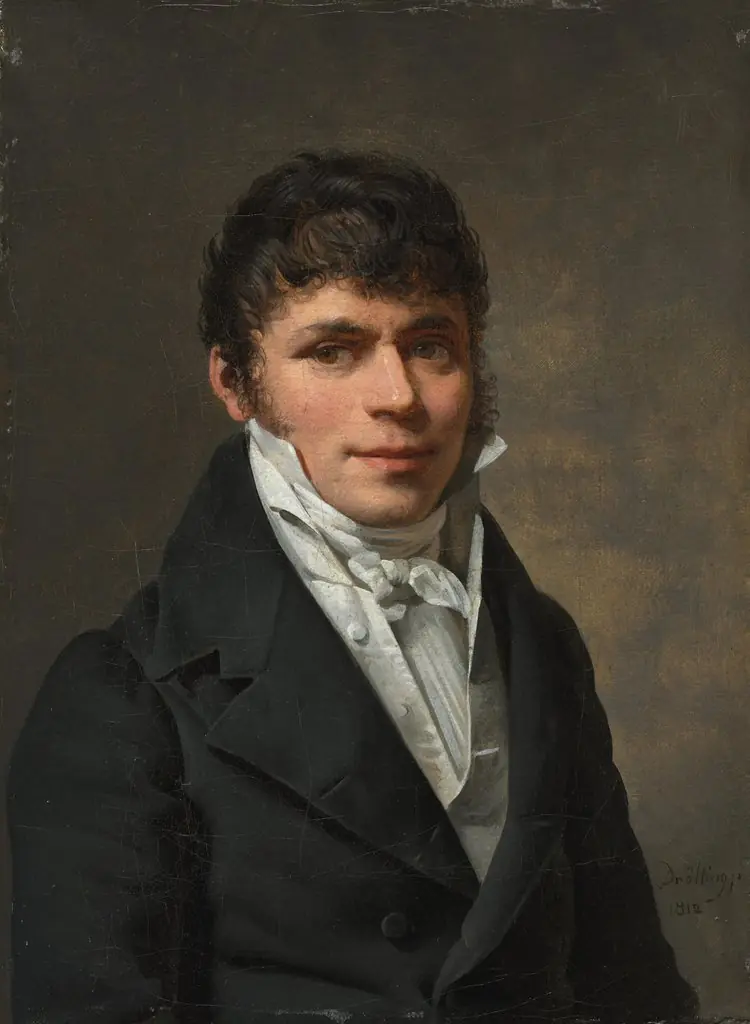
Nicolas Louis Faret is an oil painting by the Neoclassicist artist Martin Drolling. It dates from 1812 and is held in the collection of the Cleveland Museum of Art.
About this work
The painting depicts a man with dark, curly hair and brown eyes, dressed in a black coat with a white cravat and a white shirt underneath.
The painting depicts a man with dark, curly hair and brown eyes, dressed in a black coat with a white cravat and a white shirt underneath. The background is a muted brown color.
The man's attire and hairstyle suggest a formal portrait from the early 19th century. The artist's use of oil paint creates a sense of depth and texture in the subject's clothing and facial features.
To learn more about the artistic techniques used in this portrait, explore the technique of chiaroscuro.
Overview
Created in 1812 by French artist Martin Drolling, this oil portrait presents Nicolas Louis Faret. The work resides in the Cleveland Museum of Art and exemplifies the neoclassical aesthetic that dominated French painting at the turn of the 19th century.
Subject & Meaning
The sitter is shown with dark, curly hair and brown eyes, attired in a black coat, white shirt and cravat. The restrained pose and formal dress convey the conventions of early‑19th‑century portraiture, emphasizing status and personal dignity.
Technique & Style
Executed in oil, Drolling renders the fabrics and flesh with subtle modelling, achieving depth through careful gradations of light and shadow. The muted brown backdrop isolates the figure, while the handling of texture reflects the period’s neoclassical emphasis on clarity and controlled realism.
History & Provenance
Martin Drolling, active from the late 1700s through the early 1800s, was noted for both portraiture and genre scenes. The painting entered the collection of the Cleveland Museum of Art, where it remains on view as part of the museum’s European holdings.
Context
The portrait aligns with the broader French neoclassical movement, which favored restrained composition and an emphasis on moral virtue. Drolling’s work, produced during the post‑Revolutionary era, mirrors the period’s taste for dignified, sober representation of individuals.
Own this work as a print
Artist & collection
Artist
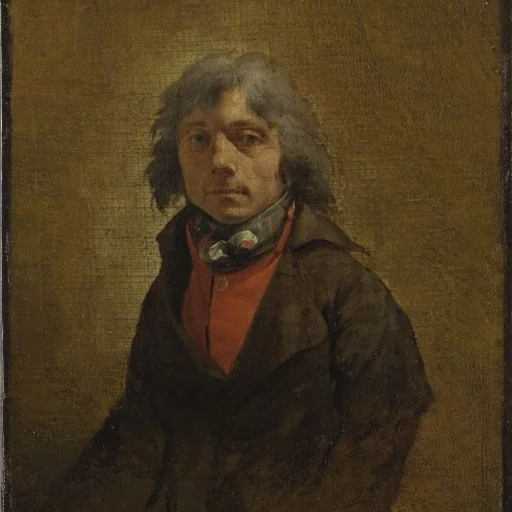
Martin Drolling, or Drolling the Elder (Oberhergheim, 19 September 1752 – Paris, 16 April 1817), was a French painter.