Artwork
Eddystone Lighthouse
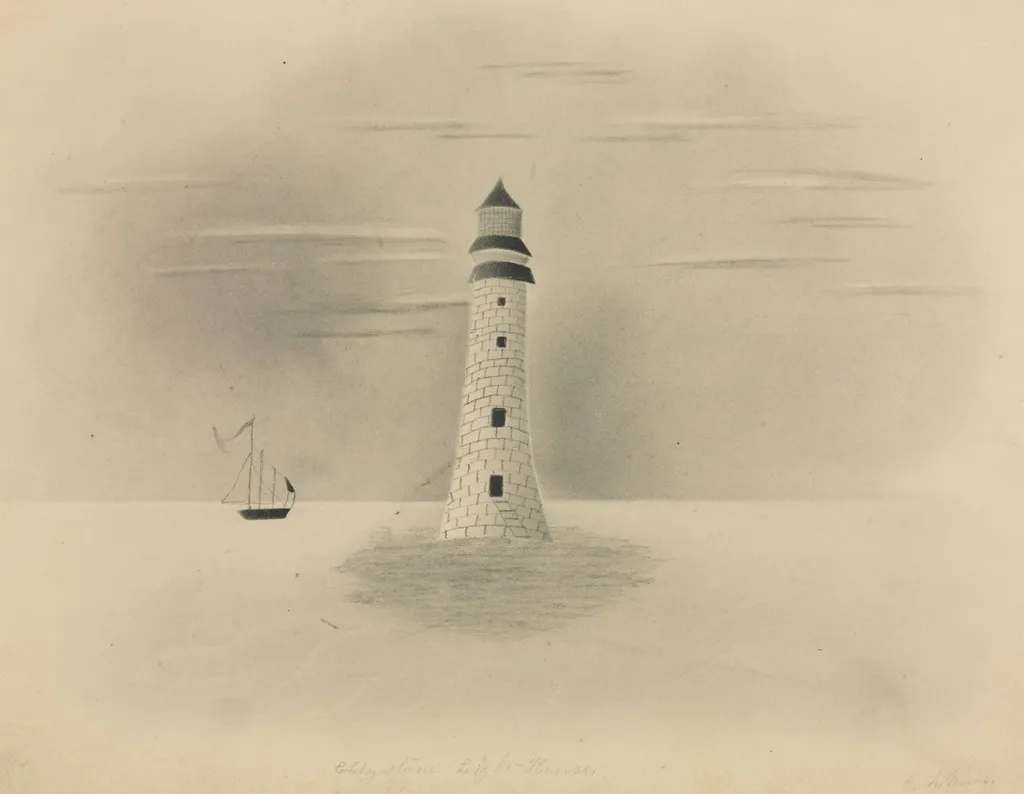
Eddystone Lighthouse is a drawing by the Romanticist artist Mary Altha Nims. It dates from 1840 and is held in the collection of the Cleveland Museum of Art.
About this work
Overview
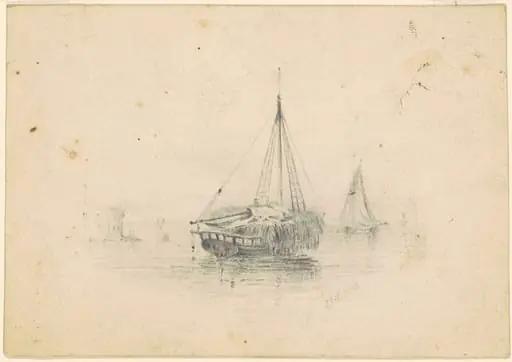
Created in 1840 by Mary Altha Nims, this pencil drawing depicts the Eddystone Lighthouse, a structure situated on a rocky outcrop in the English Channel.
Created in 1840 by Mary Altha Nims, this pencil drawing depicts the Eddystone Lighthouse, a structure situated on a rocky outcrop in the English Channel. Executed with restrained precision, the work captures the lighthouse in isolation against a vast, muted seascape. The drawing is part of the collection at The Cleveland Museum of Art, where it is valued for its quiet observation and topographical clarity.
Subject & Meaning
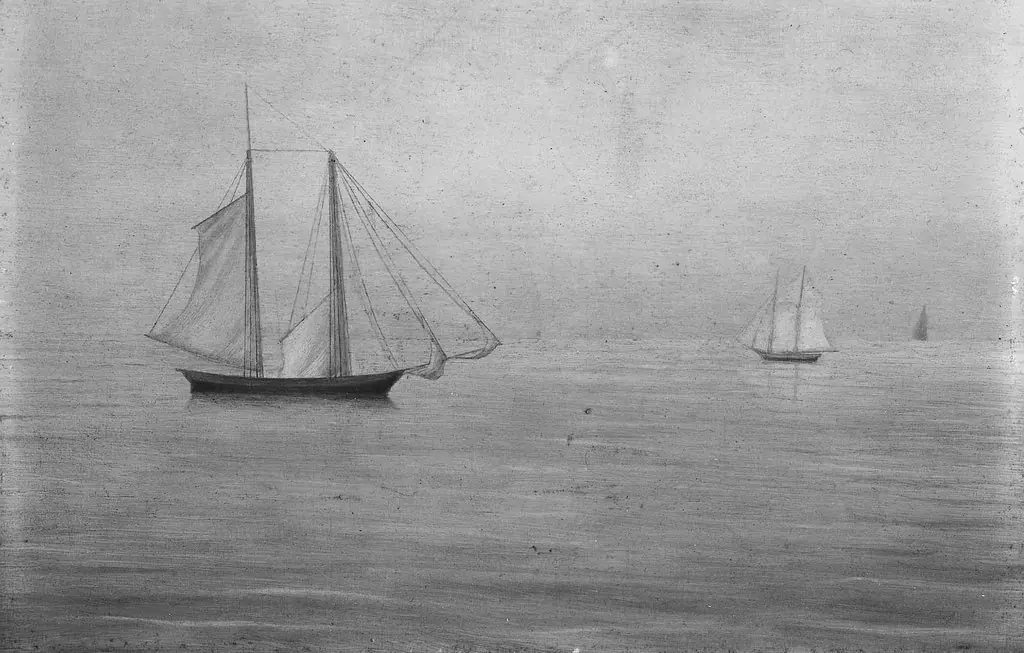
The Eddystone Lighthouse, a real navigational aid off the coast of Devon, is rendered not as a symbol of human triumph but as a modest, enduring presence amid the sea. Its simple form—stacked stone blocks topped by a low roof—emphasizes function over grandeur. The lone sailboat and overcast sky suggest solitude and the quiet rhythm of maritime life, reinforcing a contemplative tone rather than heroic narrative.
Technique & Style
Nims employed soft, delicate pencil strokes to model form and atmosphere, avoiding sharp contrasts or dramatic shading. The composition is sparse, with minimal detail in the water and sky, allowing the lighthouse to anchor the scene. This restrained approach reflects a preference for quiet observation over expressive flourish, aligning with early 19th-century topographical drawing traditions.
History & Provenance
The drawing was completed in 1840, during a period when detailed architectural and landscape studies were common among amateur and professional artists alike. It entered the collection of The Cleveland Museum of Art through documented acquisition, though its earlier ownership history remains unrecorded. The artist’s inscription confirms the subject’s identity, grounding the work in a specific, known location.
Context
In the early 1840s, British artists and surveyors increasingly documented coastal infrastructure as part of national infrastructure projects. Nims’s drawing fits within this trend, though it lacks the grandeur of official commissions. Its intimacy and lack of embellishment suggest a personal, perhaps travel-related sketch, made by someone attentive to the quiet dignity of utilitarian structures.
Legacy
While not widely exhibited or studied, the drawing offers a quiet counterpoint to the more dramatic Romantic landscapes of its time. It preserves a moment in the history of maritime architecture through understated observation. Its preservation in a major museum underscores the value placed on modest, factual renderings as historical documents of place and engineering.
Artist & collection