Artwork
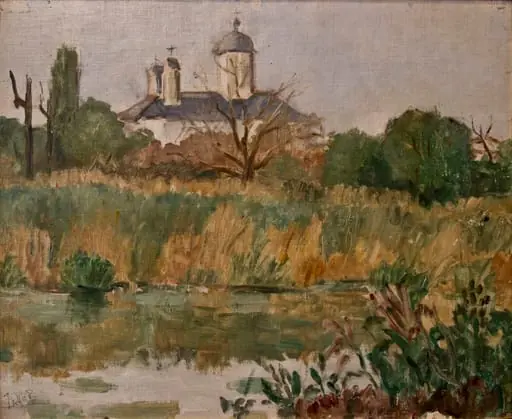
Peisaj cu catedrală
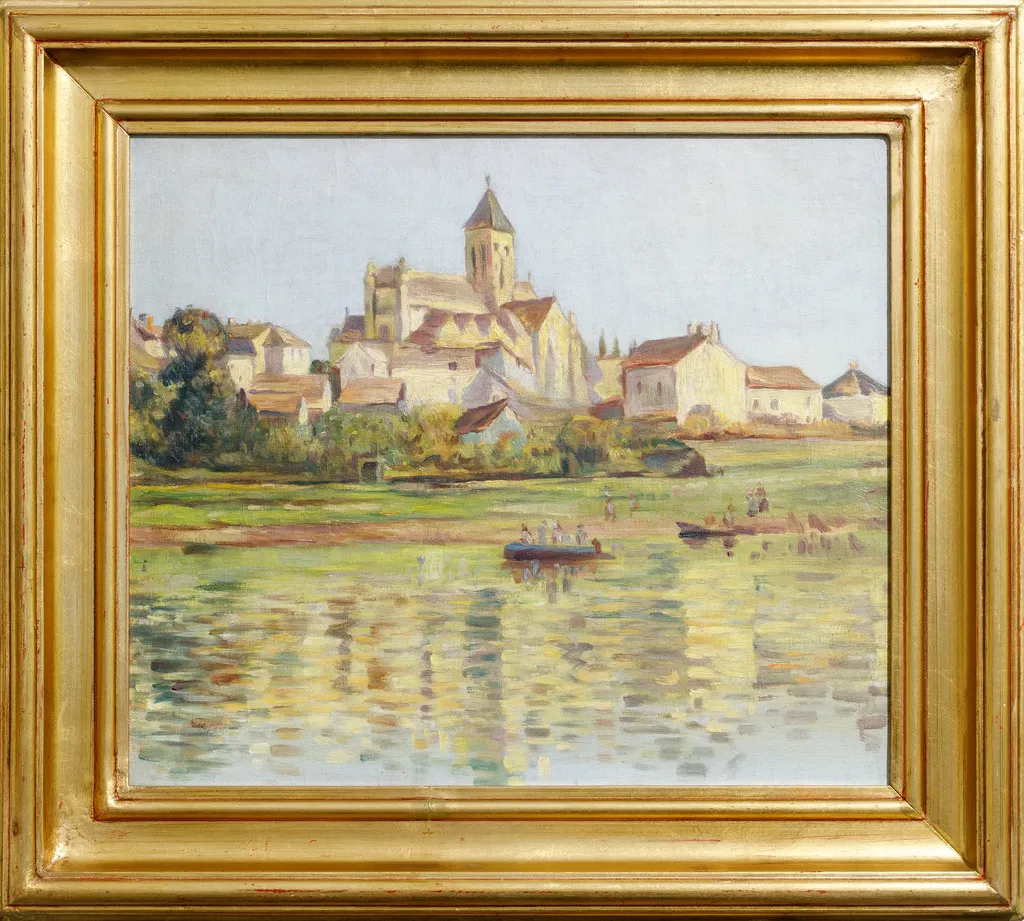
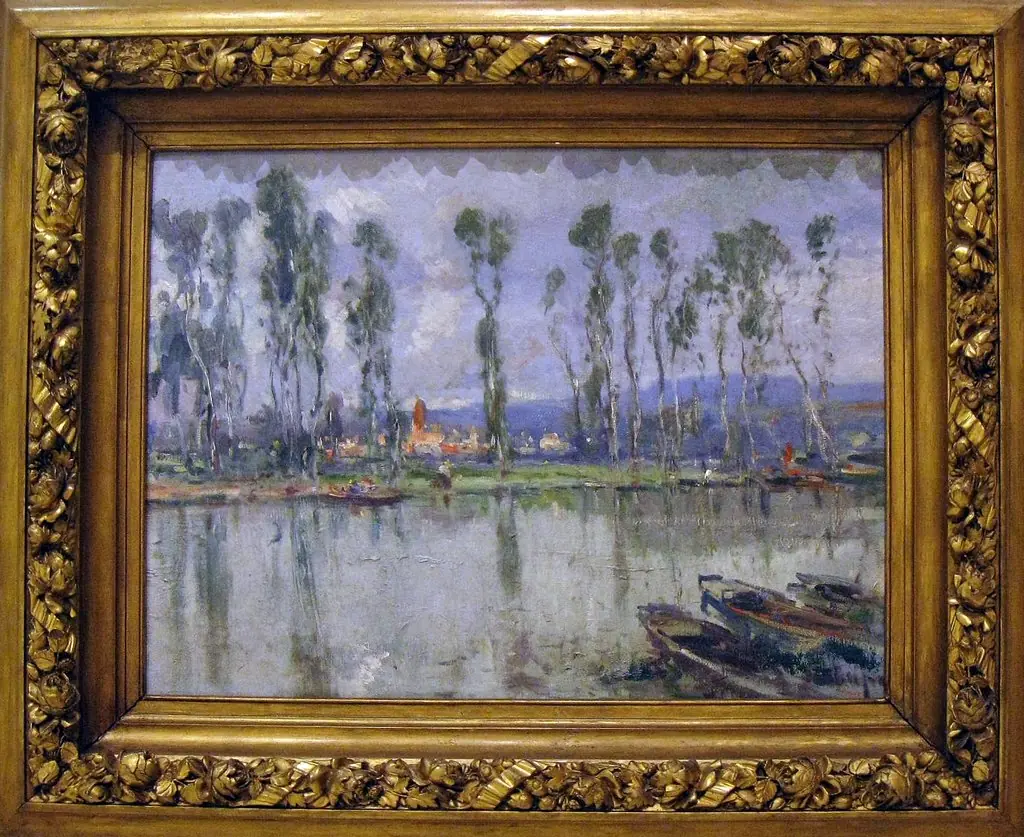
Peisaj cu catedrală is a print by Maxime-Emile-Louis Maufra. It dates from 1850 and is held in the collection of the National Museum of Art of Romania.
About this work
Overview
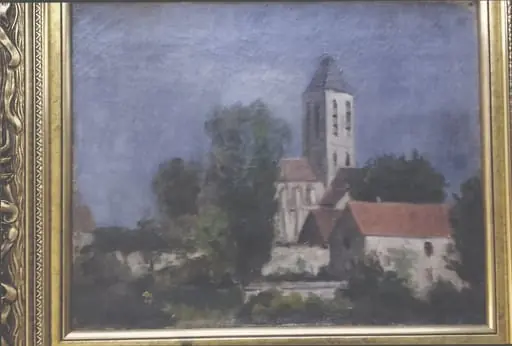
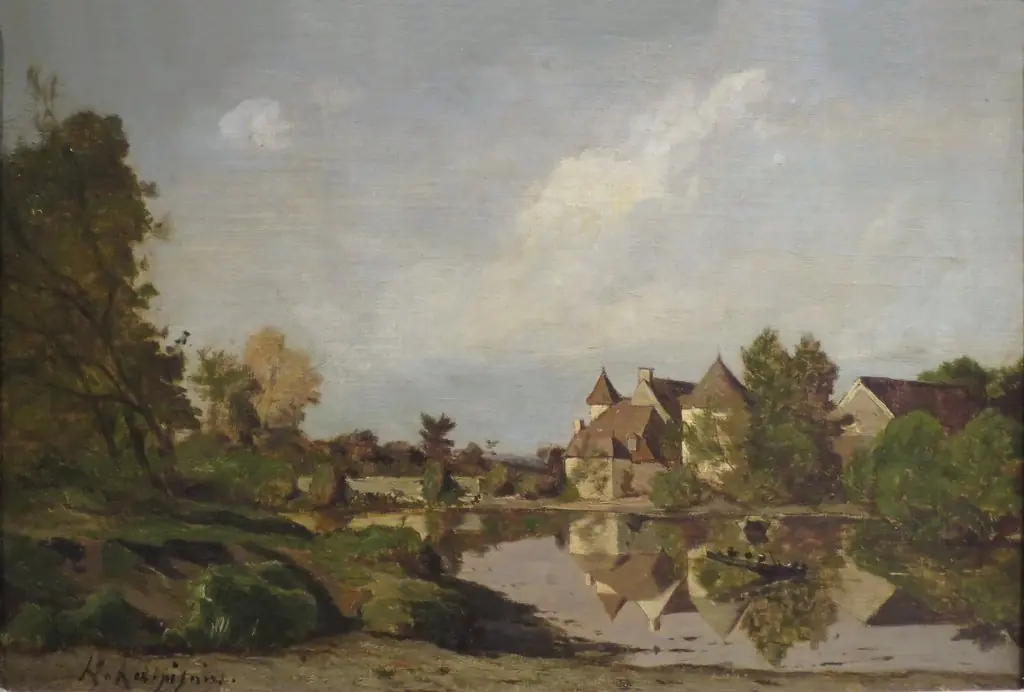
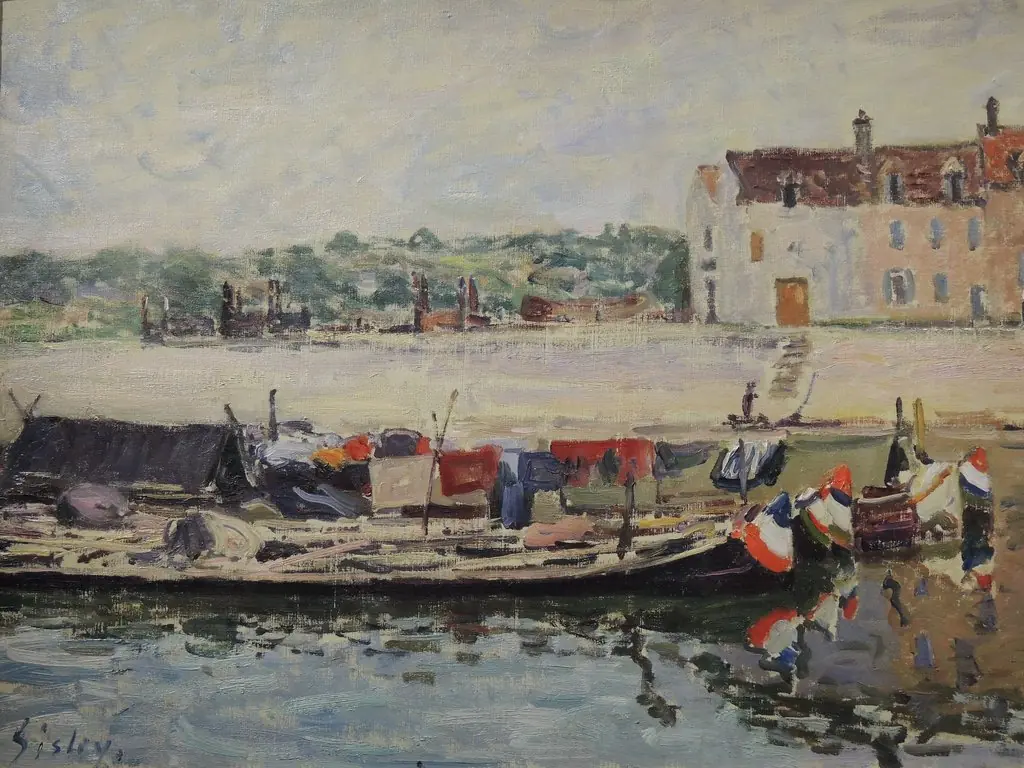
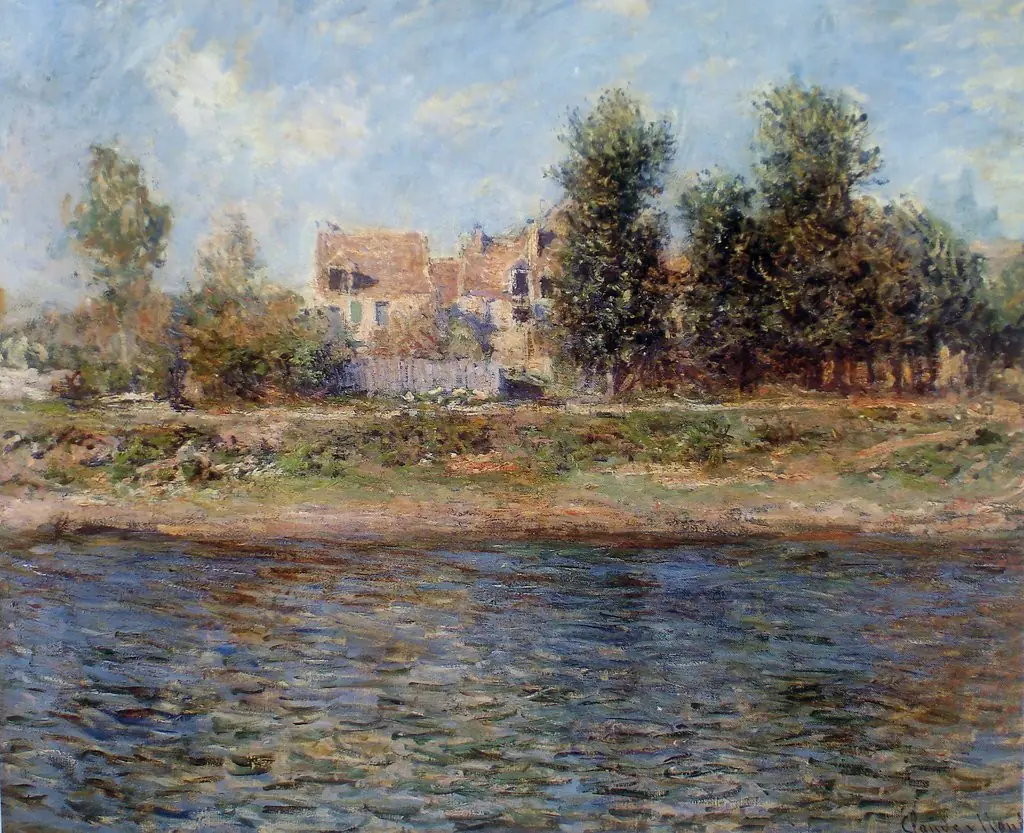
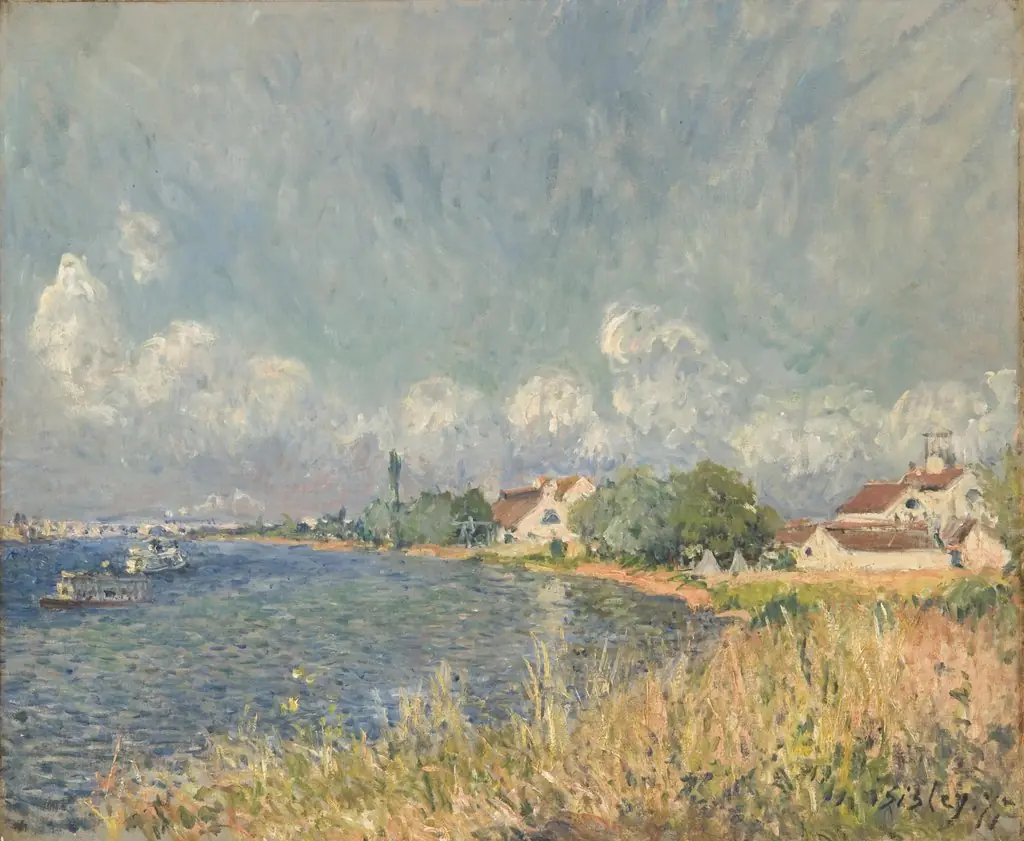
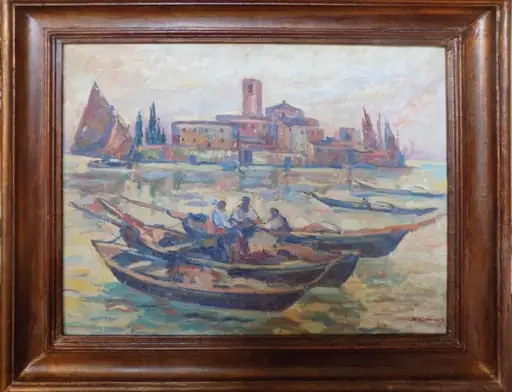
Painted around 1850 by Maxime-Emile-Louis Maufra, this landscape captures a tranquil riverside scene with minimal detail and a focus on atmosphere. The composition centers on gentle water, scattered boats, and a distant cathedral, all rendered with a loose, spontaneous hand. The work reflects an early engagement with outdoor painting, prioritizing light and mood over precise representation.
Subject & Meaning
The scene depicts a quiet rural riverside, with modest homes featuring red-tiled roofs and a large church rising behind them. The cathedral, not the focal point, serves as a subtle anchor to the landscape, suggesting the presence of community and faith without overt symbolism. The stillness of the water and the soft lighting evoke a moment of calm, unembellished daily life.
Technique & Style
Maufra employed loose, fluid brushwork and a restrained palette of warm tones to convey the scene’s ambiance. Details are suggested rather than defined—rooftops, trees, and ripples are implied with swift strokes. This approach aligns with early plein-air practices, where the artist sought to capture transient effects of light and weather directly from nature.
History & Provenance
Created circa 1850, the painting predates the formal emergence of Impressionism but shares its observational ethos. Maufra, a lesser-known figure of the period, worked within regional French traditions, and this work likely originated from his personal studies along rural waterways. Its survival suggests private collection or local patronage rather than public exhibition.
Context
In mid-19th century France, artists increasingly turned to landscapes outside academic studios. While urban scenes and historical subjects dominated official salons, painters like Maufra explored quieter, unidealized locales. This work reflects a growing interest in naturalism and direct observation, laying groundwork for later movements that valued spontaneity over polish.
Legacy
Though not widely exhibited or reproduced, the painting exemplifies a quiet transition in French landscape painting. Its emphasis on atmosphere over narrative, and its sketch-like execution, anticipate the plein-air methods that would later define Impressionism. Maufra’s approach, while modest, contributes to the broader shift toward modern visual perception in 19th-century art.
Artist & collection
Artist
Maufra made bold, textured landscapes that caught the rugged coasts and cliffs of Brittany in the late 1800s.