Artwork
Twilights Have the Softness of Old Paintings
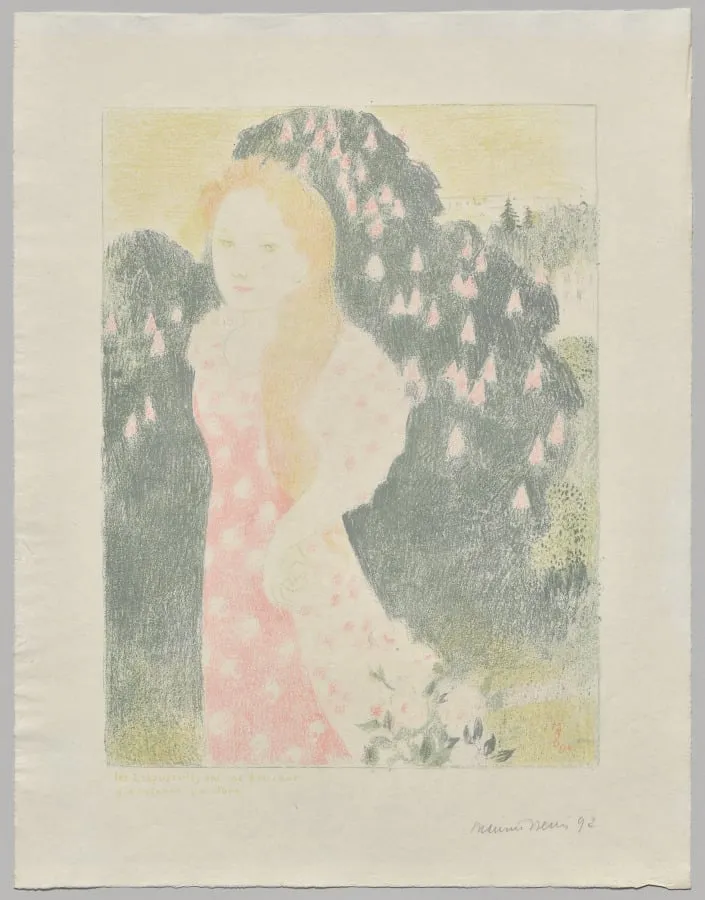
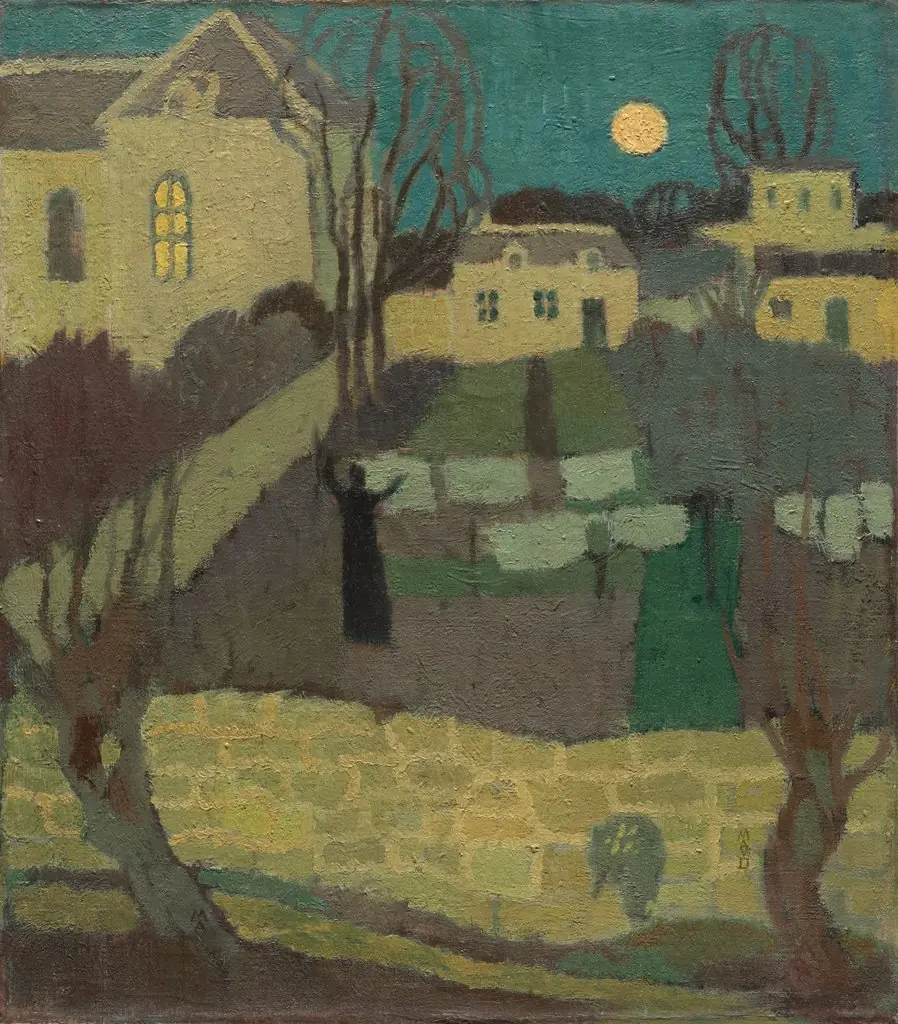
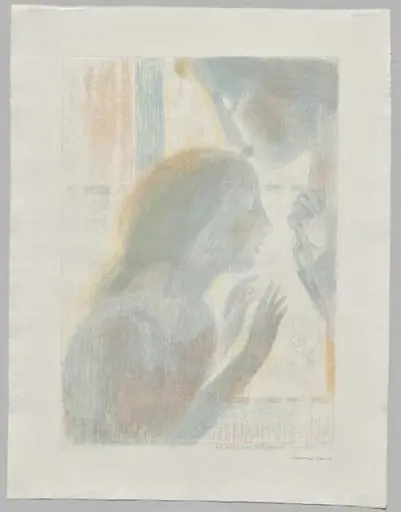
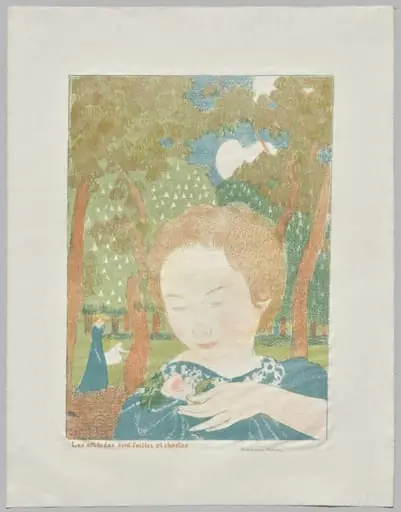
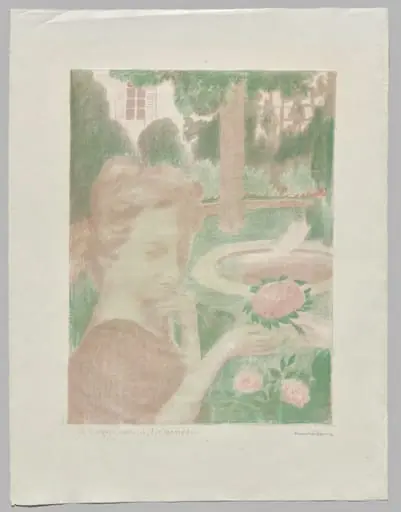
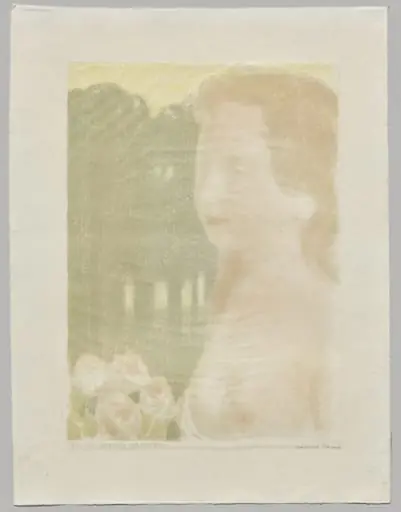
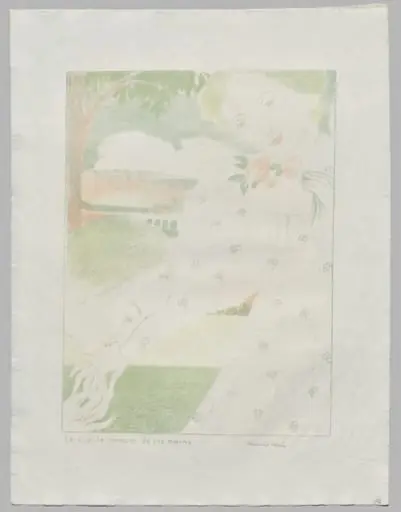
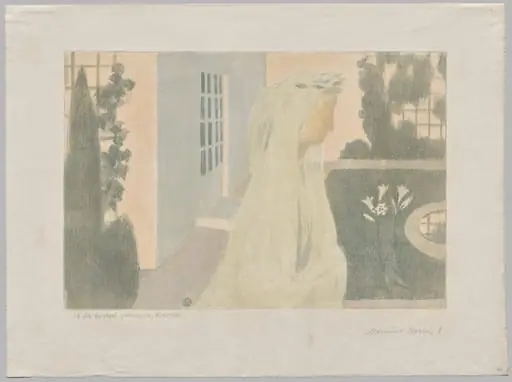
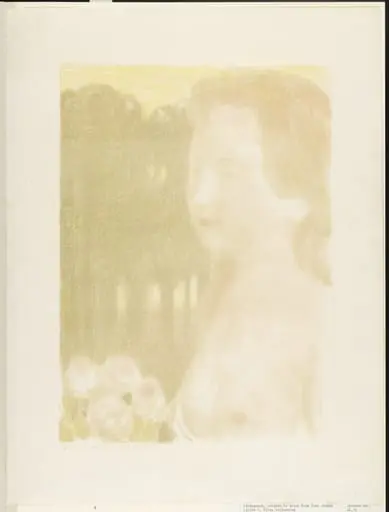
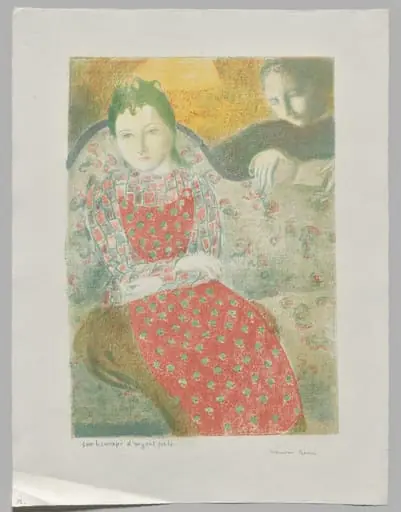
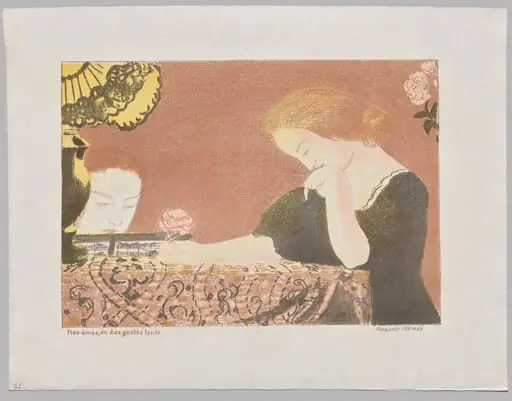
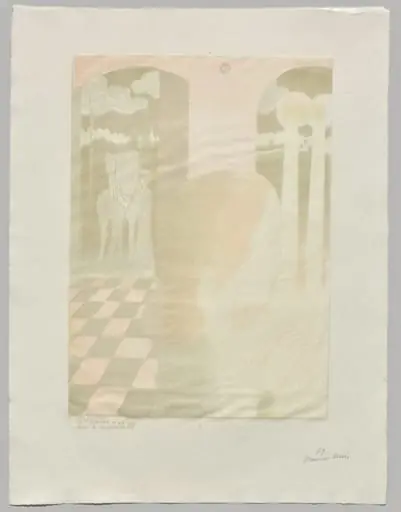
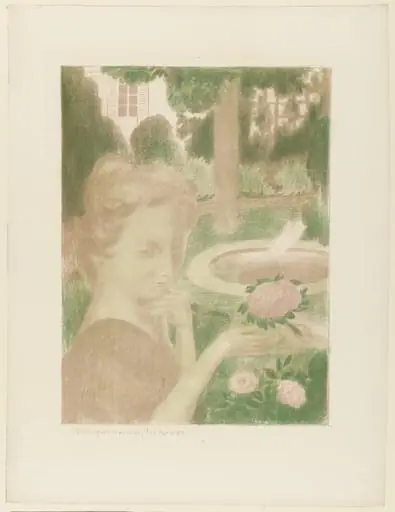
Twilights Have the Softness of Old Paintings is a print by the Impressionist artist Maurice Denis. It dates from 1899 and is held in the collection of the Cleveland Museum of Art.
About this work
Overview
This print is one of a series created by Maurice Denis in the early 1890s, produced as part of his engagement with the Nabis group.
This print is one of a series created by Maurice Denis in the early 1890s, produced as part of his engagement with the Nabis group. It reflects a departure from naturalism, favoring intimate, emotionally charged imagery rendered in muted tones. The work belongs to a private visual diary, where personal devotion and artistic experimentation converge through the quiet depiction of his wife, Marthe, in domestic and twilight settings.
Subject & Meaning
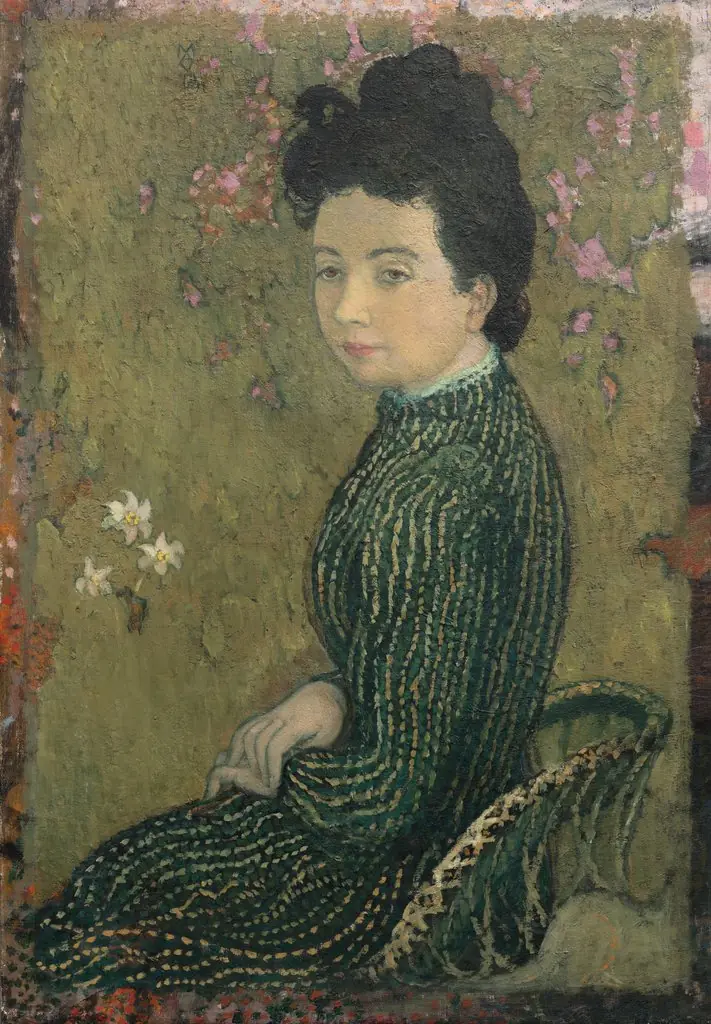
The figure of Marthe, seated alone under trees at dusk, serves as a quiet anchor in the composition. Denis drew titles for these works from his personal journal, infusing the scenes with lyrical introspection rather than narrative clarity. The imagery invites contemplation, not description—emphasizing mood over event, memory over moment. The absence of sharp detail suggests an inner landscape, where emotion replaces literal representation.
Technique & Style
Denis employed simplified forms and flattened space, rejecting perspective in favor of decorative harmony. Soft washes of blue, pink, and green evoke the hush of twilight, with no hard outlines to define figures or foliage. The tonal delicacy recalls the atmospheric blending of sfumato, though applied through printmaking rather than oil. This restrained palette and gentle gradation enhance the sense of reverie, aligning the work with Symbolist ideals of suggestion over statement.
History & Provenance
Created around 1892–1893, this print was part of a limited series produced during Denis’s early Nabis period, when he and his peers sought to merge art with spiritual and personal expression. The prints were likely distributed among close associates and collectors, circulating in private circles before entering institutional collections. Their intimate nature ensured they were never widely reproduced, preserving their sense of exclusivity and personal resonance.
Context
Denis’s work emerged alongside broader shifts in late 19th-century French art, as painters moved away from realism toward symbolic and subjective modes. The Nabis, influenced by Gauguin and Japanese woodcuts, valued emotional truth over optical accuracy. In this context, Denis’s prints functioned as visual poems—intended not for public spectacle but for quiet, private reflection, aligning art with the rhythms of daily and inner life.
Legacy
Though less known than his paintings, this series of prints helped define Denis’s early voice and influenced later artists interested in the emotional potential of printmaking. The quiet, meditative quality of these works anticipated 20th-century movements that prioritized introspection and abstraction. Their enduring appeal lies in their restraint—offering no answers, only the space for the viewer’s own stillness.
Artist & collection
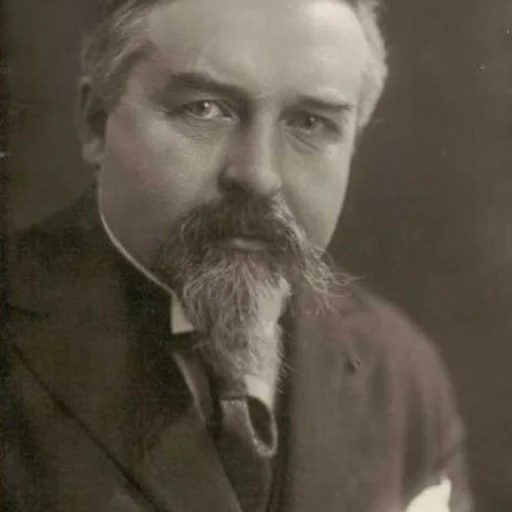
Artist
Maurice Denis (French: ; 25 November 1870 – 13 November 1943) was a French painter, decorative artist, and writer.