Artwork
A Watermill
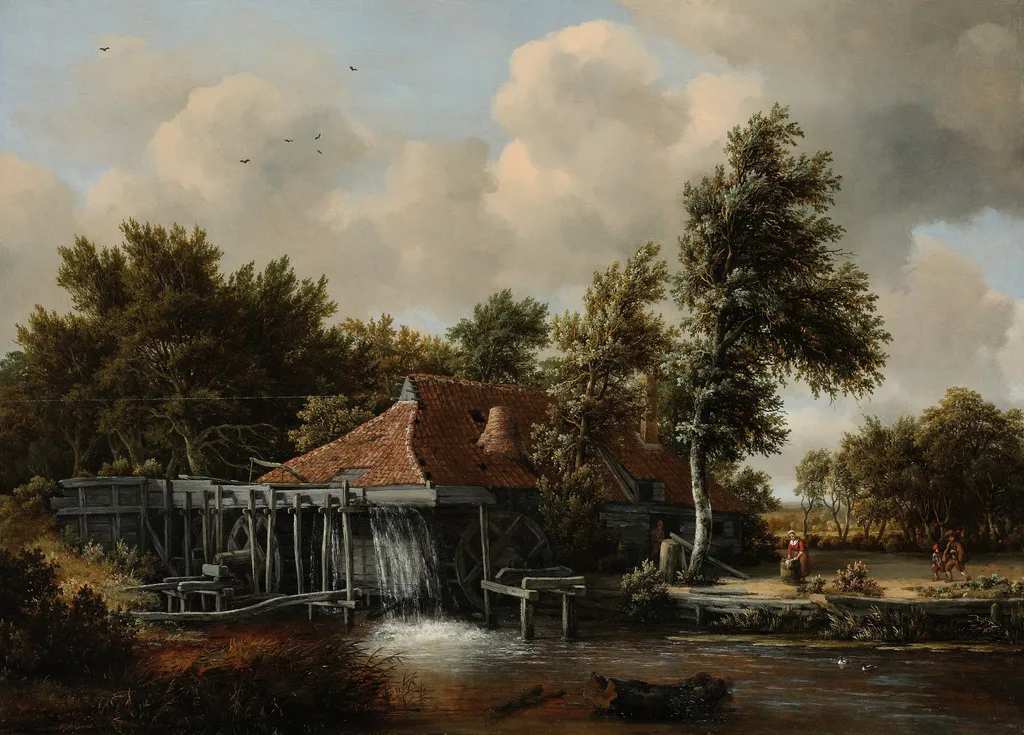
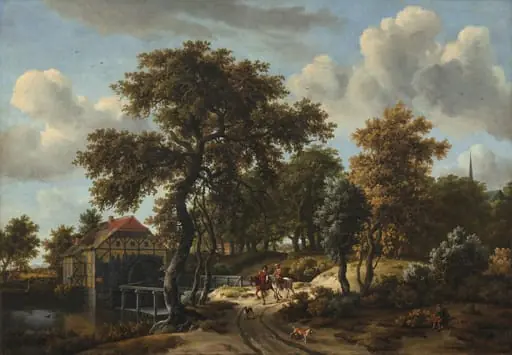
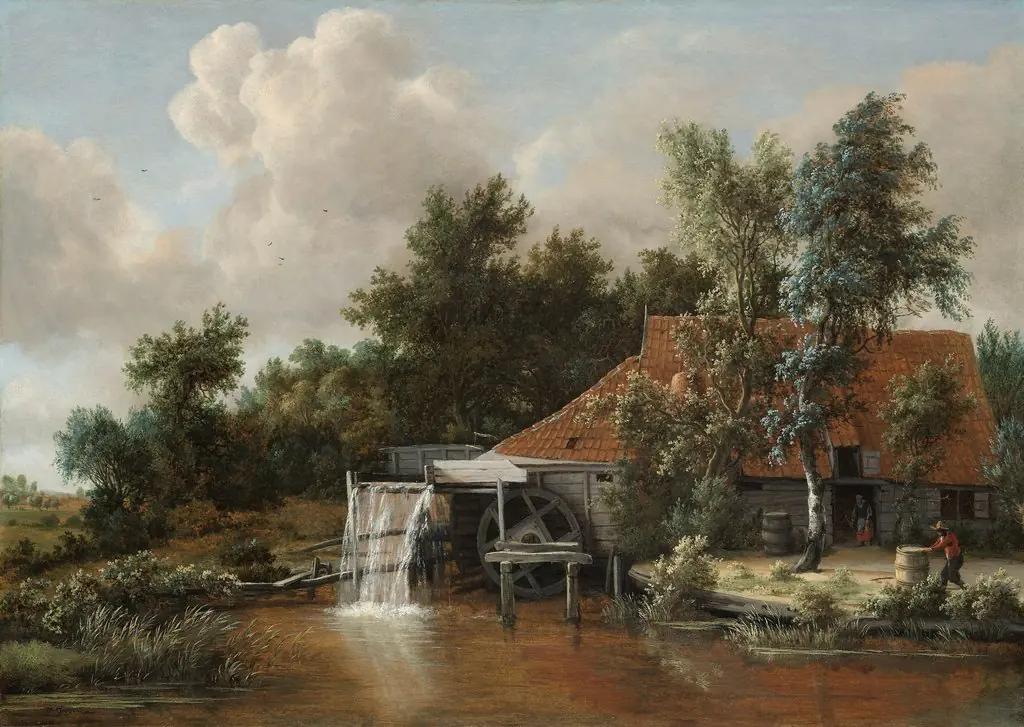
A Watermill is an oil painting by the Dutch Golden Age artist Meindert Hobbema. It dates from 1664 and is held in the collection of the Rijksmuseum.
About this work
Overview
Meindert Hobbema’s oil painting *A Watermill* (1664) presents a tranquil rural scene centred on a modest wooden mill beside a flowing stream. The composition is set within a gently rolling, tree‑filled landscape, characteristic of the artist’s later work, and is now part of the Rijksmuseum’s collection.
Subject & Meaning
The canvas captures a functional watermill with its red‑tiled roof and turning wheel, framed by a narrow path where a few figures stroll. The surrounding woods and open sky suggest a harmonious relationship between human industry and the natural environment, a theme frequently explored in Dutch Golden Age landscape art.
Technique & Style
Hobbema renders the scene with meticulous attention to the play of light on water and foliage, using layered brushwork to convey the translucency of the stream and the texture of leaves. Atmospheric perspective is achieved through progressively cooler tones in the background, creating a convincing sense of depth.
History & Provenance
A pupil of Jacob van Ruisdael, Hobbema painted *A Watermill* during the mature phase of his career, when he favoured sunlit forest vistas with architectural elements. The work entered the Rijksmuseum’s holdings in the 20th century, where it remains on display as an example of Dutch Golden Age landscape painting.
Own this work as a print
Artist & collection
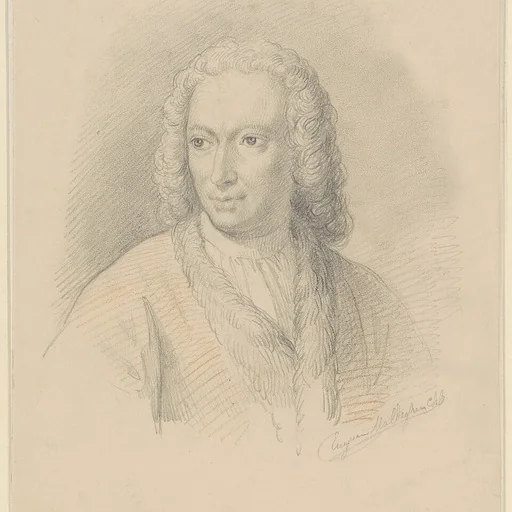
Artist
Meindert Lubbertszoon Hobbema (bapt. 31 October 1638 – 7 December 1709) was a Dutch Golden Age painter of landscapes, specializing in views of woodland, although his most famous painting, The Avenue at Middelharnis…