Artwork
Village Street under Trees
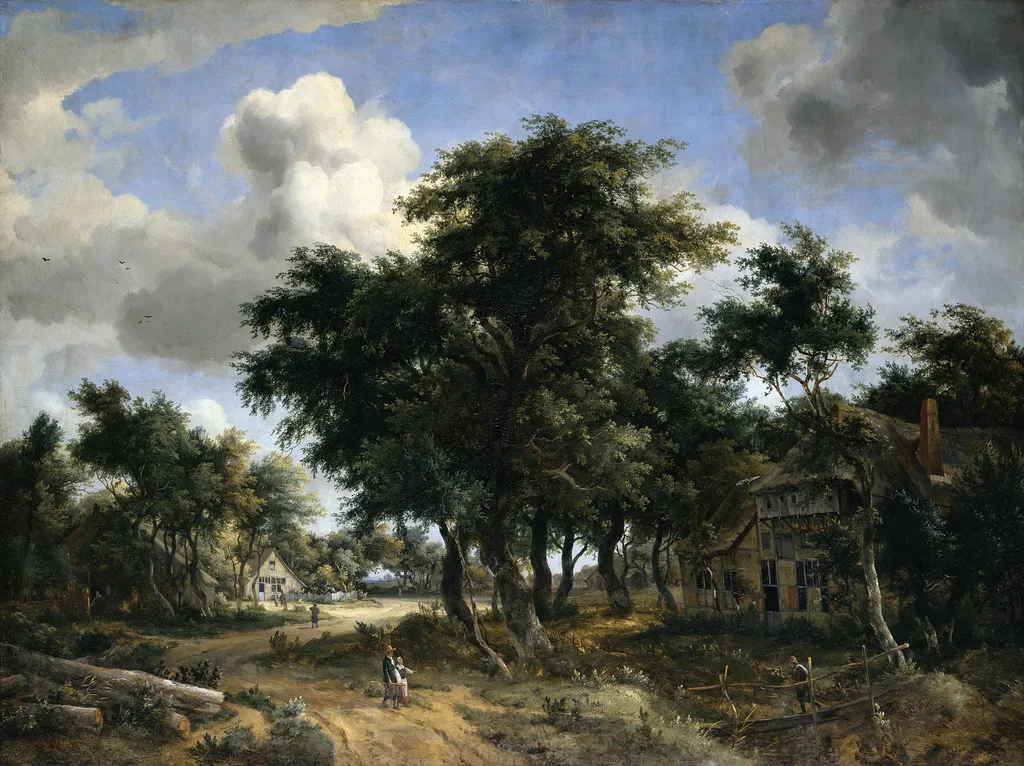
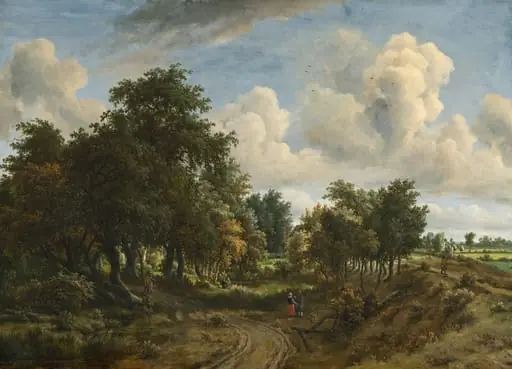
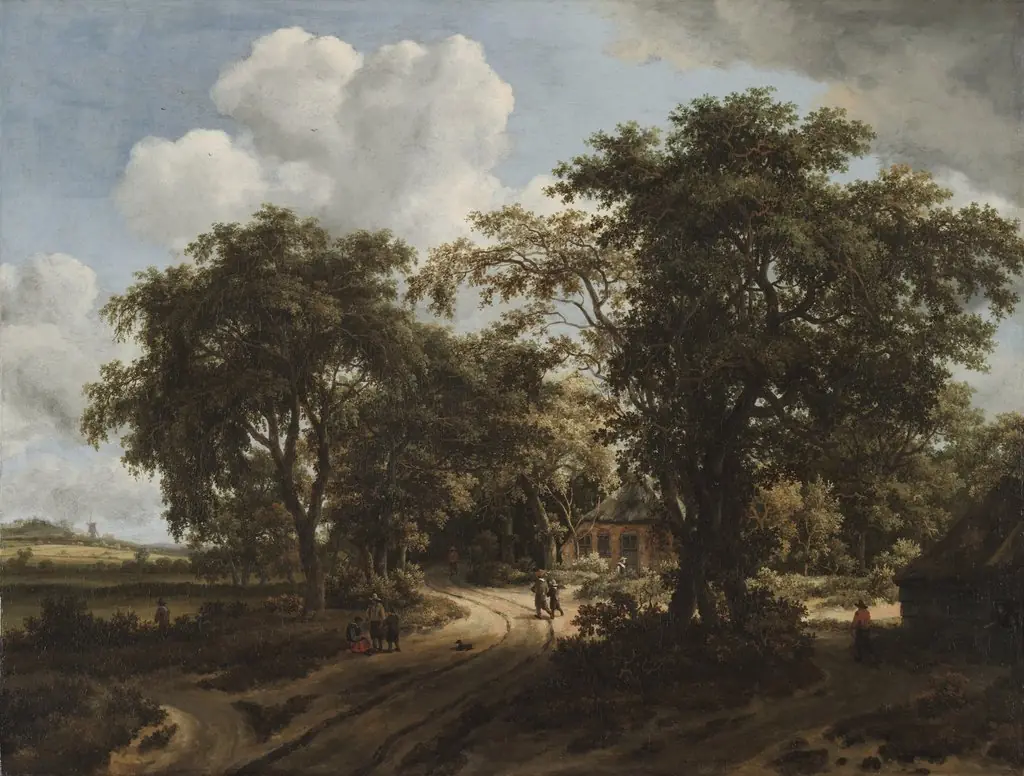
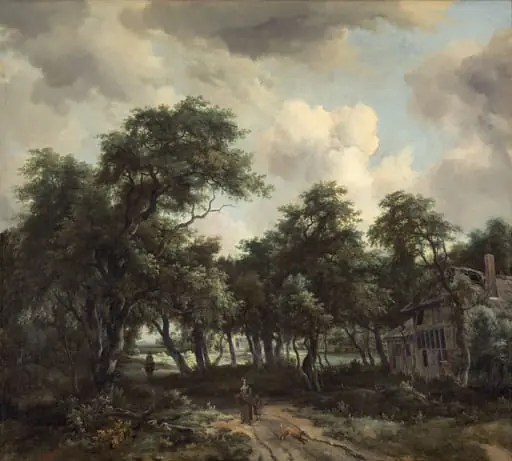
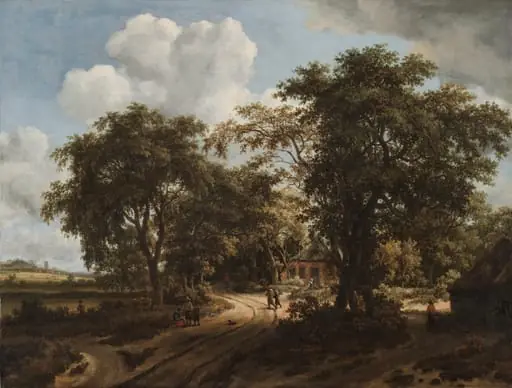
Village Street under Trees is an oil painting by the Dutch Golden Age artist Meindert Hobbema. It dates from 1663 and is held in the collection of the Gemäldegalerie Berlin.
About this work
Overview
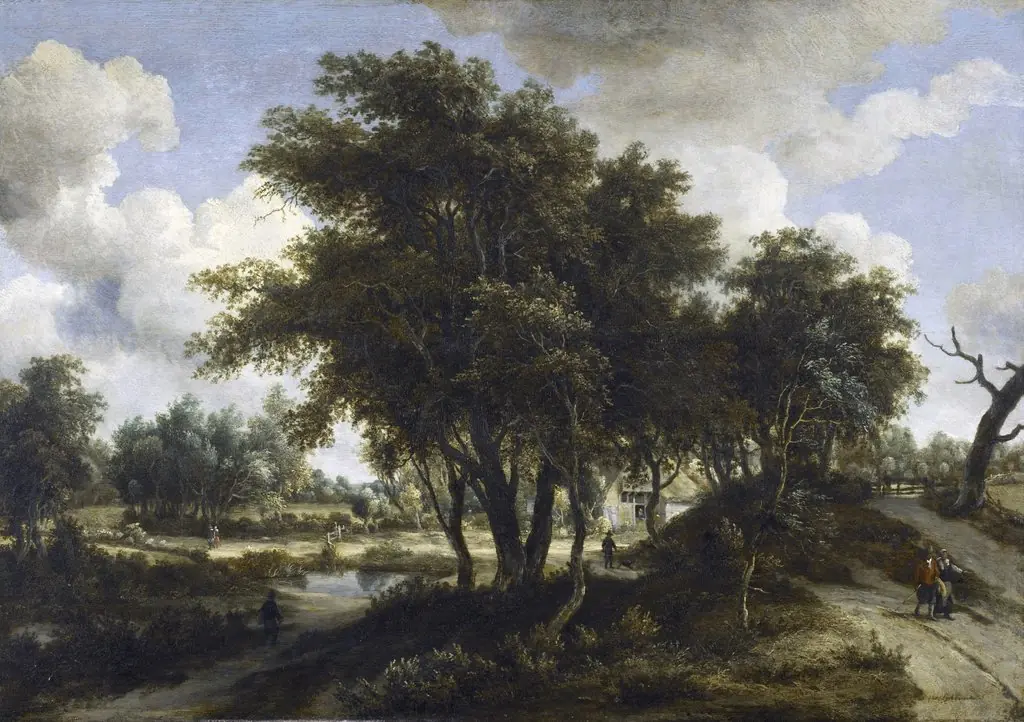
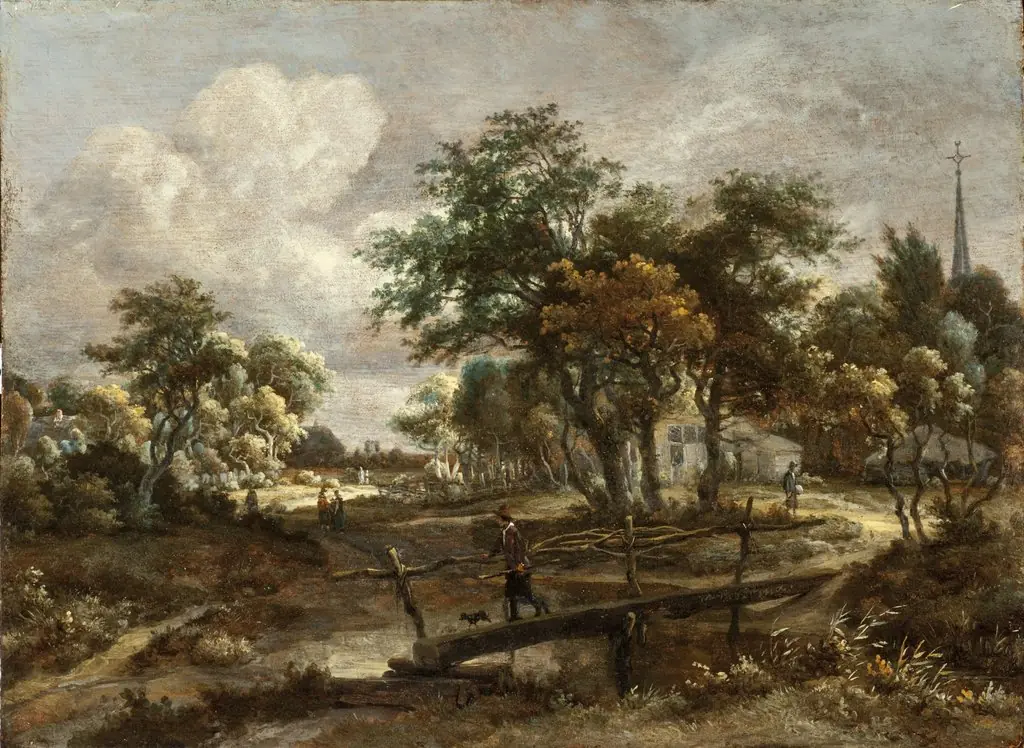
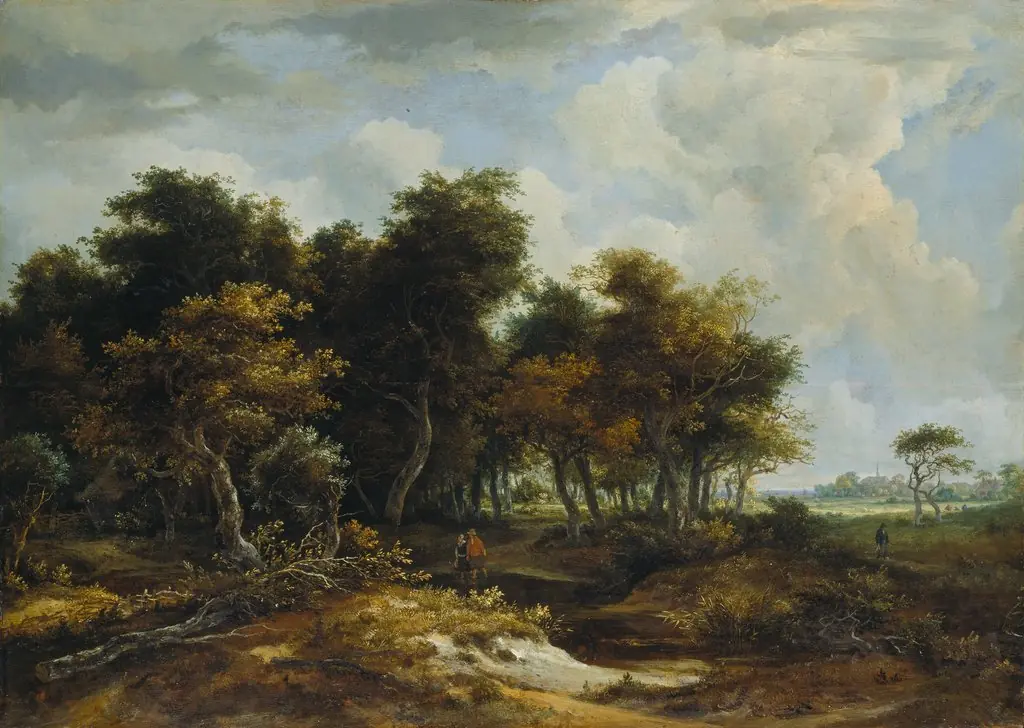
Created in 1663 by Dutch painter Meindert Hobbema, this oil work portrays a tranquil lane winding through a modest settlement. Tall, leafy trees flank the narrow road, their branches forming a natural canopy that filters the daylight. Small dwellings peek from between the trunks, while a few figures animate the otherwise still scene.
Subject & Meaning
The composition centers on everyday rural life, emphasizing the relationship between human activity and the surrounding woodland. A man accompanied by a child walks along the path, and another individual tends to a fence, suggesting routine labor and familial presence. The interplay of light and shade underscores the passage of time and the quiet rhythm of village existence.
Technique & Style
Hobbema employs a layered glazing method, applying thin, translucent washes to achieve luminous depth and subtle tonal shifts. This approach renders the dappled sunlight that pierces the foliage, creating contrasts between bright patches and shadowed recesses. The painter’s precise handling of foliage and atmospheric perspective reflects the Dutch Golden Age’s attention to naturalistic detail.
History & Provenance
The painting forms part of the Gemäldegalerie’s collection in Berlin, where it has been displayed since its acquisition. Hobbema, a pupil of Jacob van Ruisdael, developed a reputation for forested landscapes with modest human elements, and this work exemplifies his mature style during the mid‑17th‑century Dutch artistic flourishing.
Own this work as a print
Artist & collection
Artist
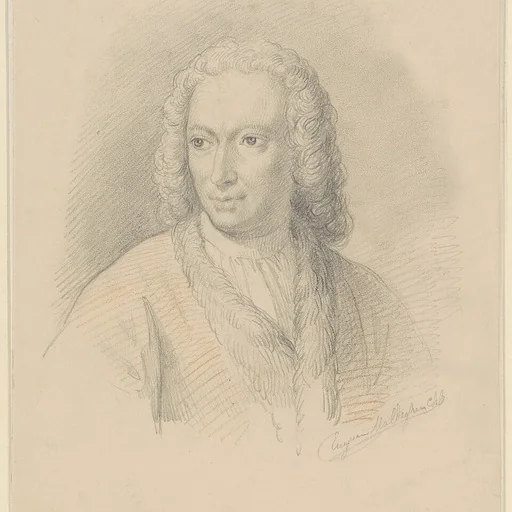
Meindert Lubbertszoon Hobbema (bapt. 31 October 1638 – 7 December 1709) was a Dutch Golden Age painter of landscapes, specializing in views of woodland, although his most famous painting, The Avenue at Middelharnis…