Artwork
Portrait of the philosophers S.N. Bulgakov and P.A. Florensky
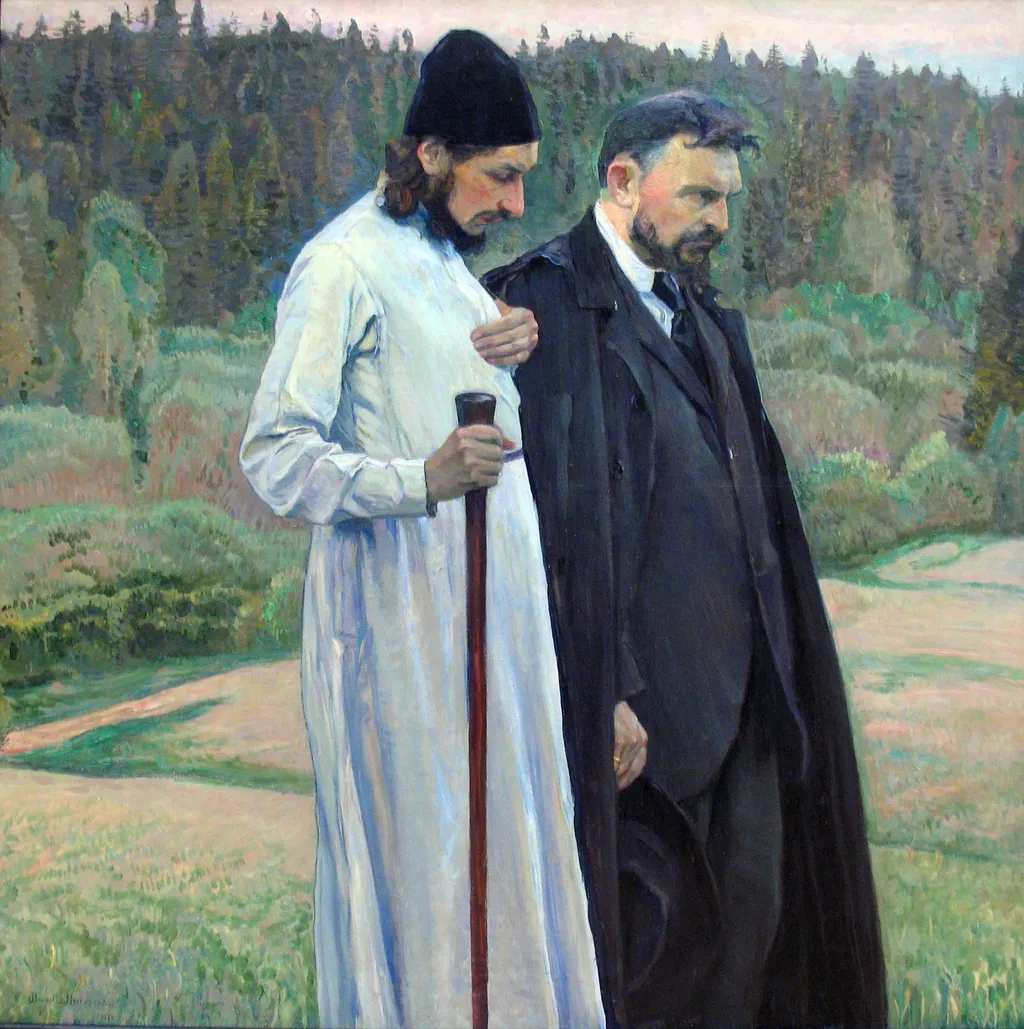
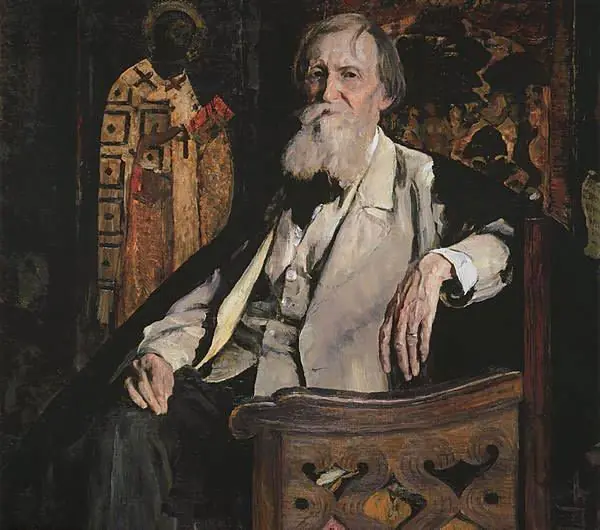
Portrait of the philosophers S.N. Bulgakov and P.A. Florensky is an oil painting by the Realist artist Mikhail Nesterov. It dates from 1917 and is held in the collection of the Tretyakov Gallery.
About this work
Overview
Nesterov, known for his spiritual themes and ties to both the Peredvizhniki and Mir iskusstva movements, rendered the scene with quiet realism.
Painted in 1917 by Mikhail Nesterov, this oil portrait captures two Russian Orthodox intellectuals, Sergei Bulgakov and Pavel Florensky, as they walk together through a forest. Nesterov, known for his spiritual themes and ties to both the Peredvizhniki and Mir iskusstva movements, rendered the scene with quiet realism. The work is part of the Tretyakov Gallery’s permanent collection, reflecting its cultural significance in early 20th-century Russian art.
Subject & Meaning
The portrait depicts Bulgakov, in a white robe and staff, and Florensky, in a dark overcoat, walking side by side along a forest path. Their attire and posture suggest a contemplative journey—Bulgakov’s white garment evokes monastic simplicity, while Florensky’s bowed gaze implies introspection. The setting, neither urban nor sacred, positions them as thinkers in transition, embodying the spiritual and philosophical currents of Russia on the brink of revolution.
Technique & Style
Nesterov employed thick, textured brushwork to render fabric and foliage, emphasizing material presence without overt detail. Light filters through the trees in soft, directional beams, creating chiaroscuro that defines form and mood. The palette of muted greens and blues, punctuated by the white robe, enhances the atmospheric depth. The composition avoids theatricality, favoring a restrained, meditative tone consistent with Nesterov’s spiritual realism.
History & Provenance
Completed in 1917, the painting was acquired by the Tretyakov Gallery shortly after its creation. Nesterov had a longstanding relationship with the gallery, which actively collected works reflecting Russia’s intellectual and religious life. The portrait’s survival through the revolutionary period and Soviet era underscores its perceived cultural value, even as its subjects faced political and ecclesiastical persecution.
Context
Painted during the collapse of the Russian Empire, the work reflects a moment when religious philosophy offered an alternative to political upheaval. Bulgakov and Florensky were central figures in the Russian religious renaissance, advocating for a synthesis of faith and reason. Nesterov’s choice to portray them in nature, rather than in academic or ecclesiastical settings, aligns with a broader cultural turn toward spiritual introspection amid societal fracture.
Legacy
The portrait endures as a quiet testament to the intellectual and spiritual resilience of pre-revolutionary Russia. It preserves the likeness of two thinkers whose ideas were later suppressed, yet whose influence persisted in diaspora and underground circles. Nesterov’s restrained depiction avoids heroism, instead offering a dignified, human presence that continues to resonate in discussions of Russian identity and faith.
Artist & collection
Artist
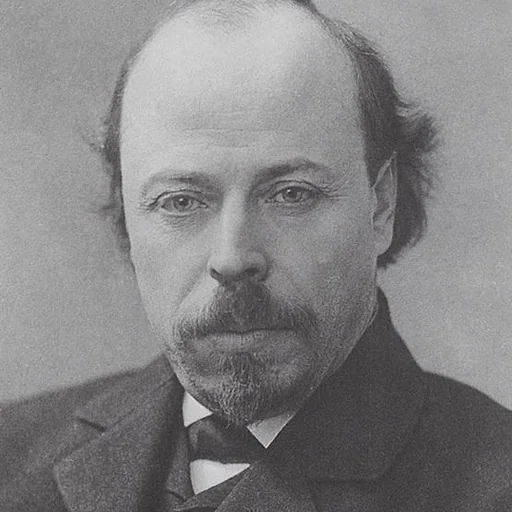
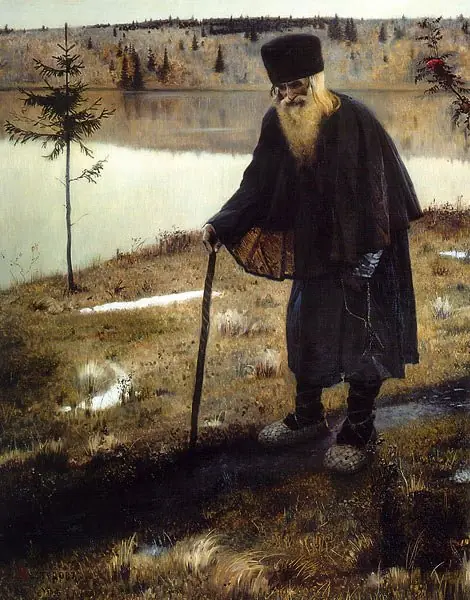
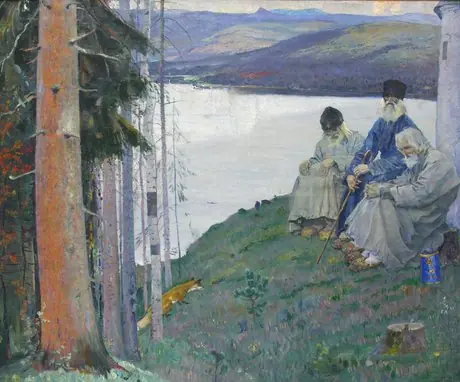
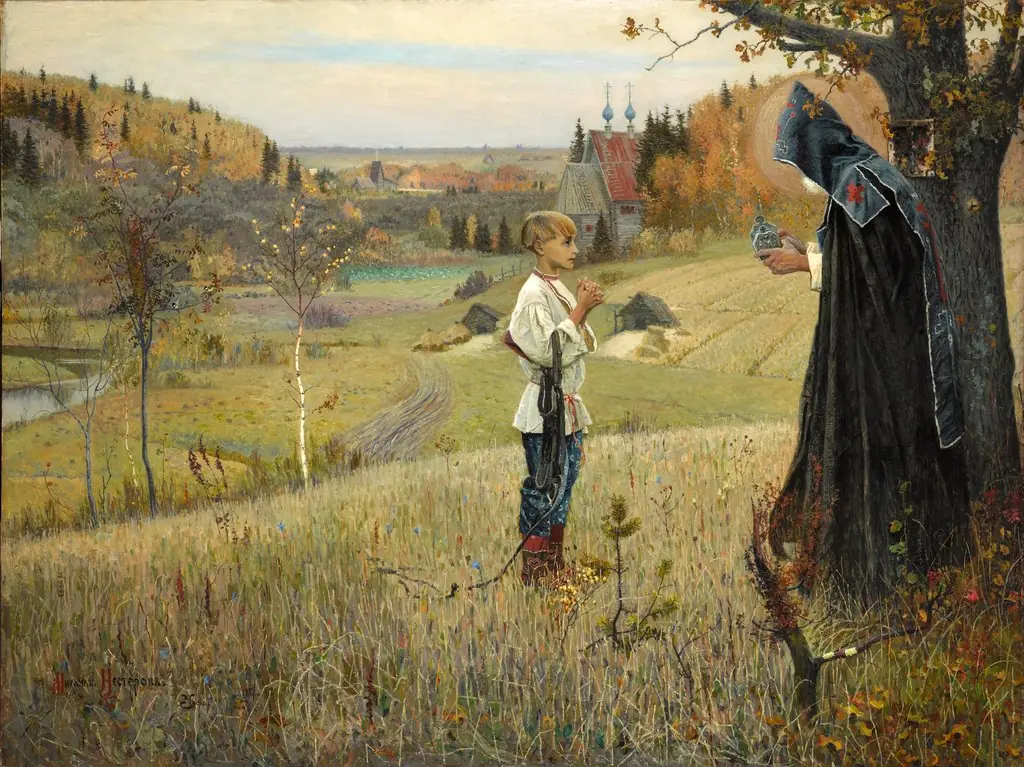
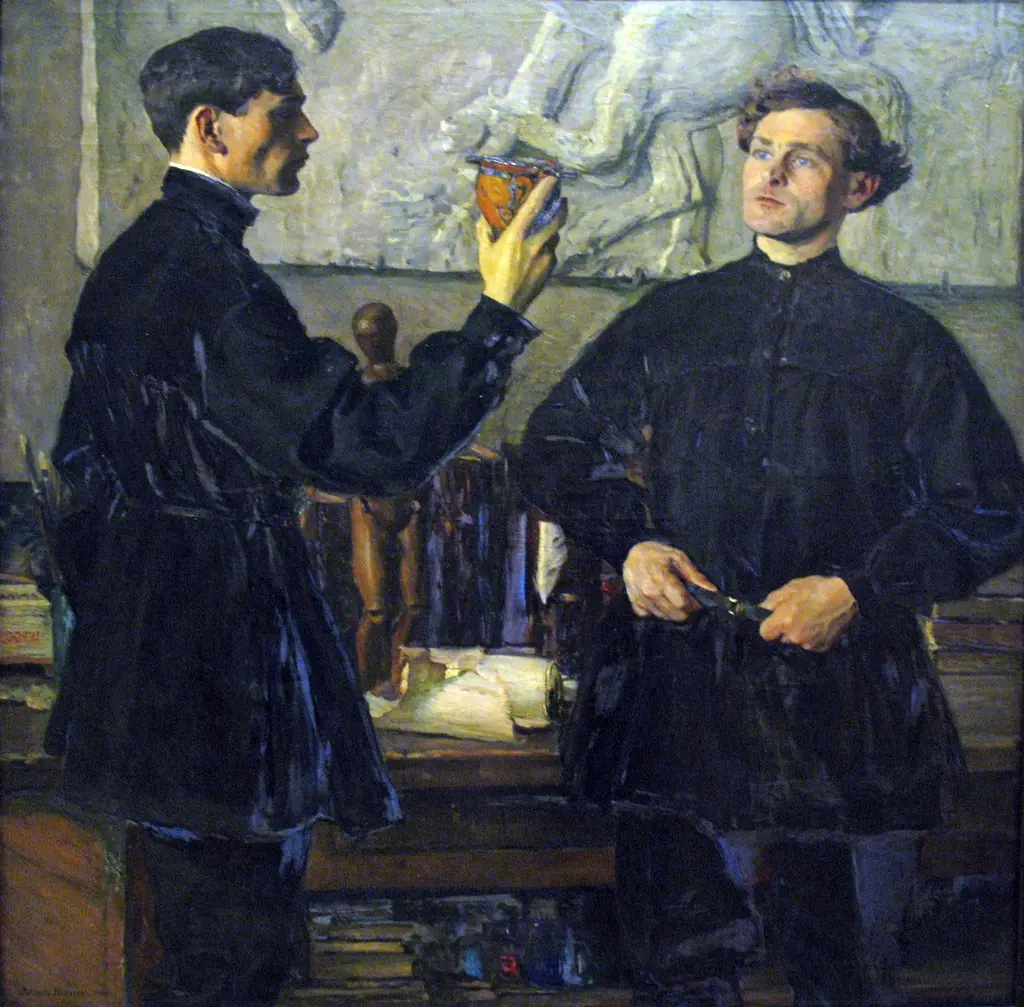
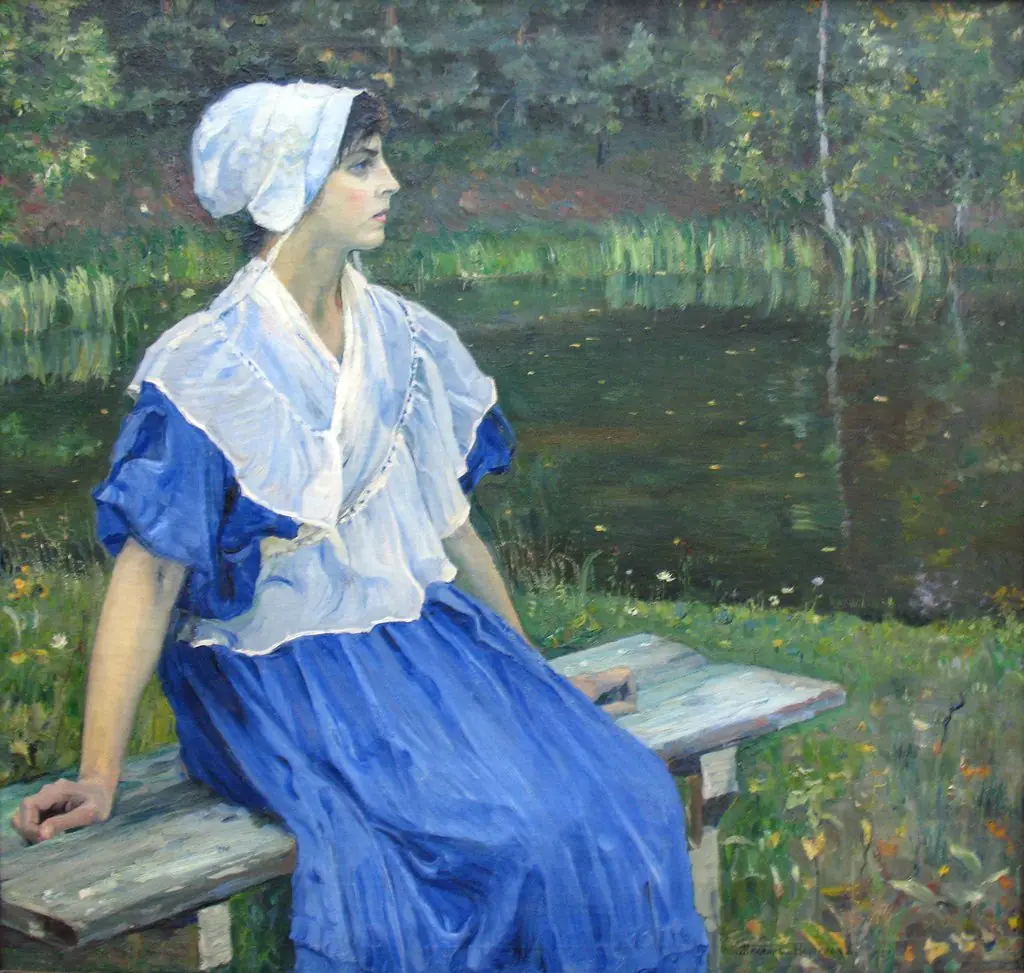
Mikhail Vasilyevich Nesterov (Russian: Михаил Васильевич Нестеров; 31 May 1862 – 18 October 1942) was a Russian and Soviet painter; associated with the Peredvizhniki and Mir iskusstva.

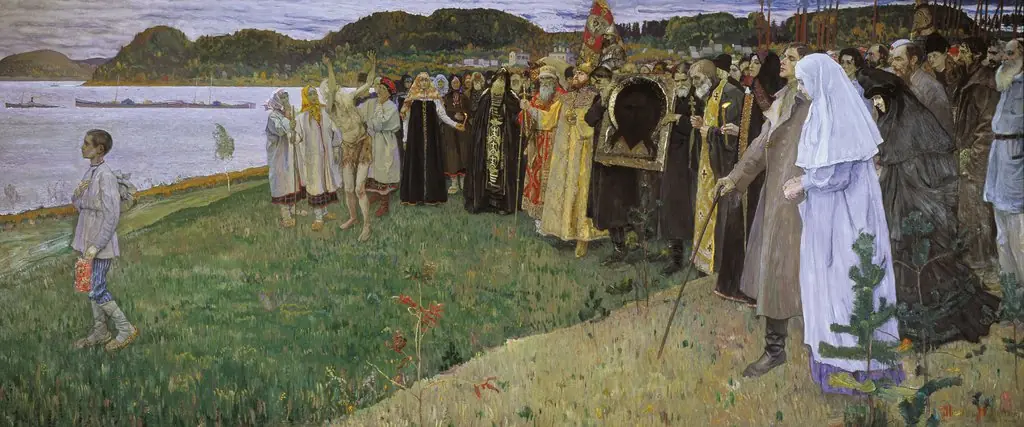 In Russia. Soul of the people.
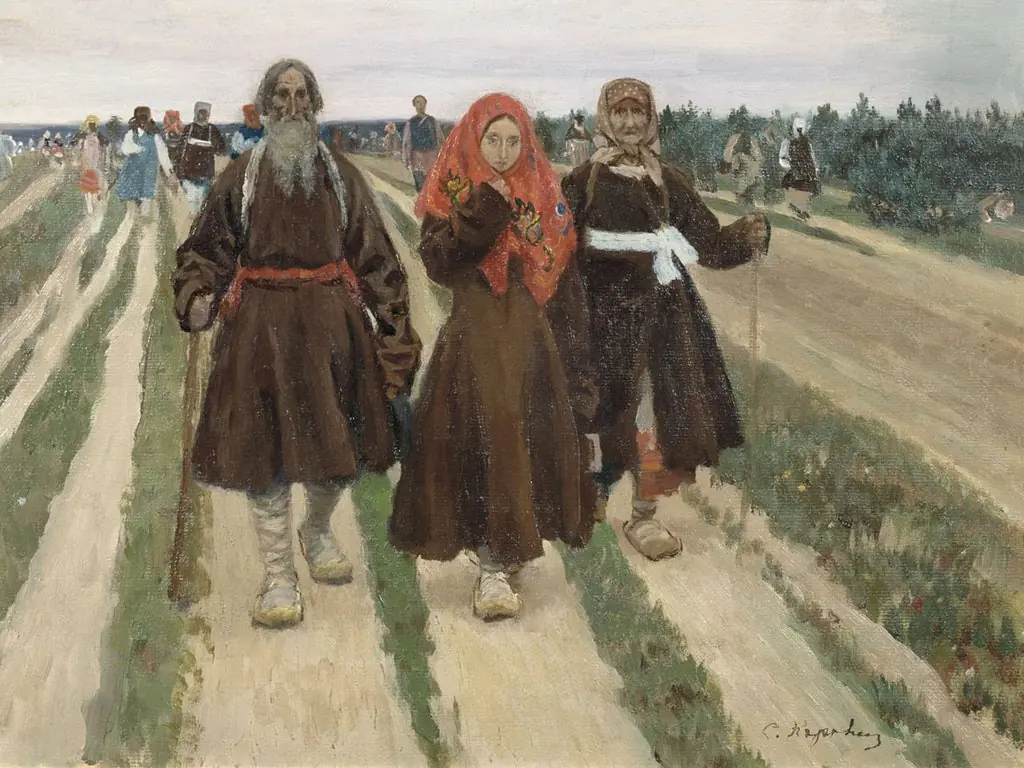 To the Pentecost
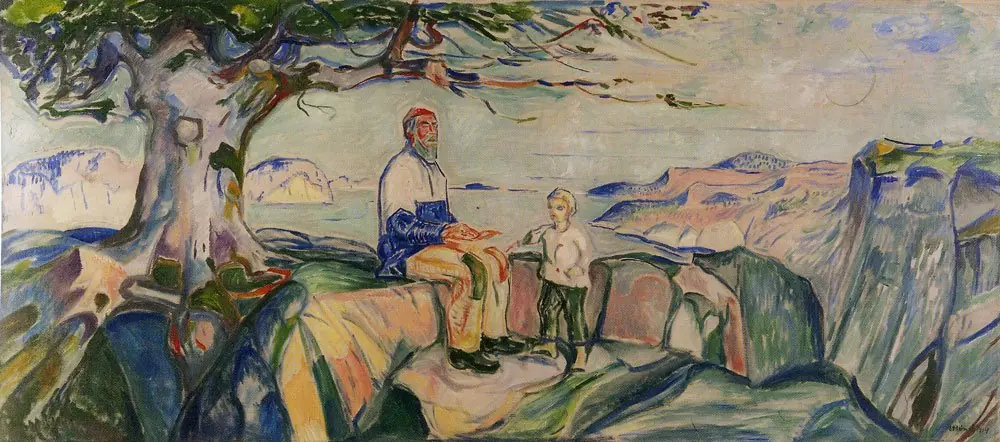
 History
 People outside a Church. Harboøre, Jutland
 People outside a Church. Harboøre, Jutland
 Portrait of Stanisław Witkiewicz with Wojciech Roj
 History
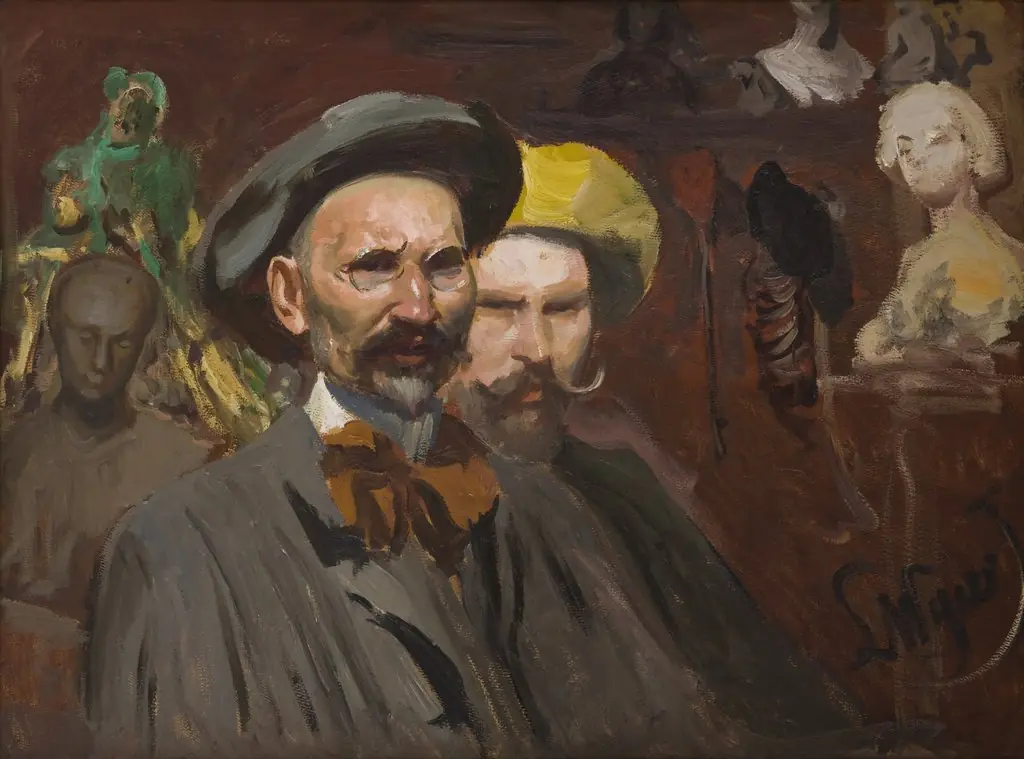 Self-Portrait with Konstanty Laszczka
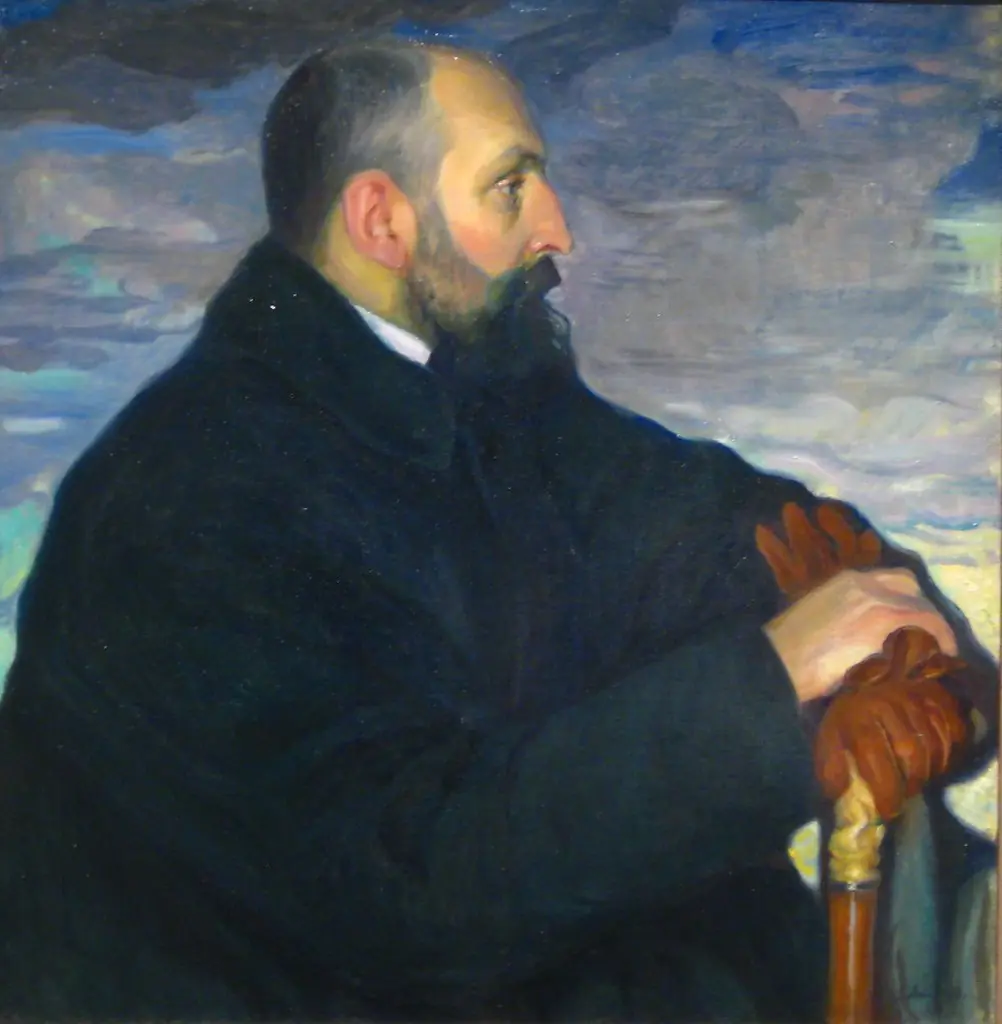 Portrait of the Artist Dmitry Kardovsky
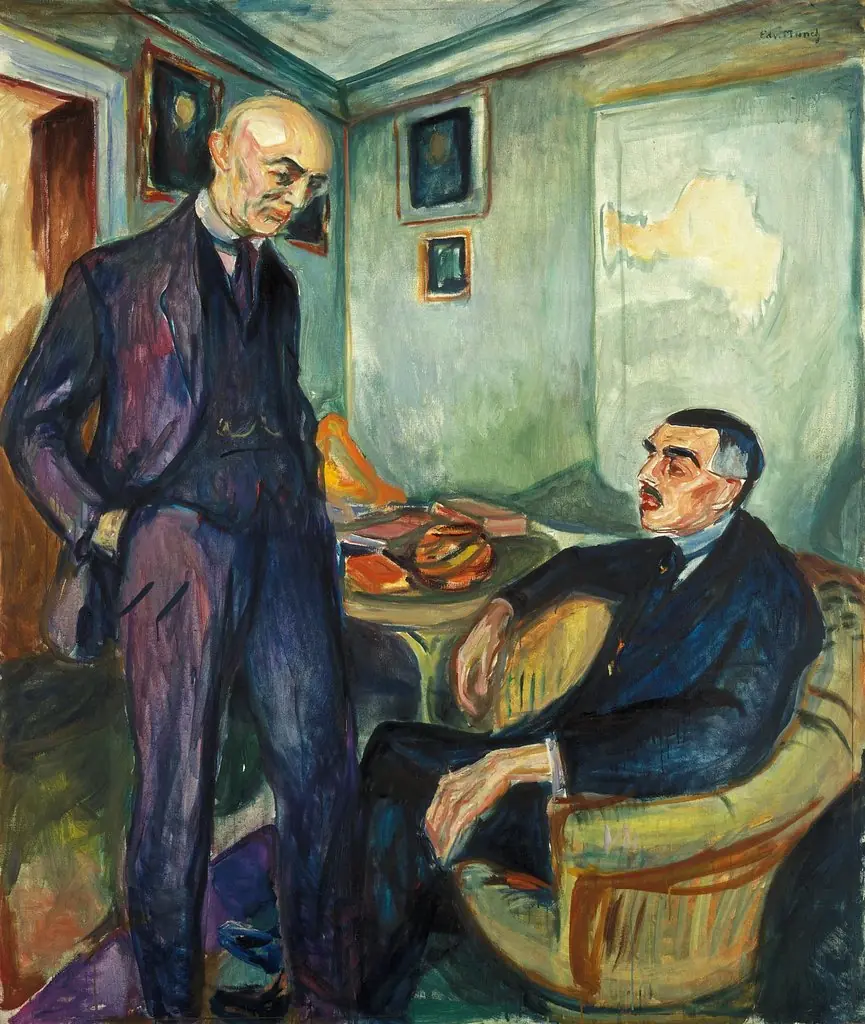 Lucien Dedichen and Jappe Nilssen