Artwork
Guy Little Theatrical Photograph
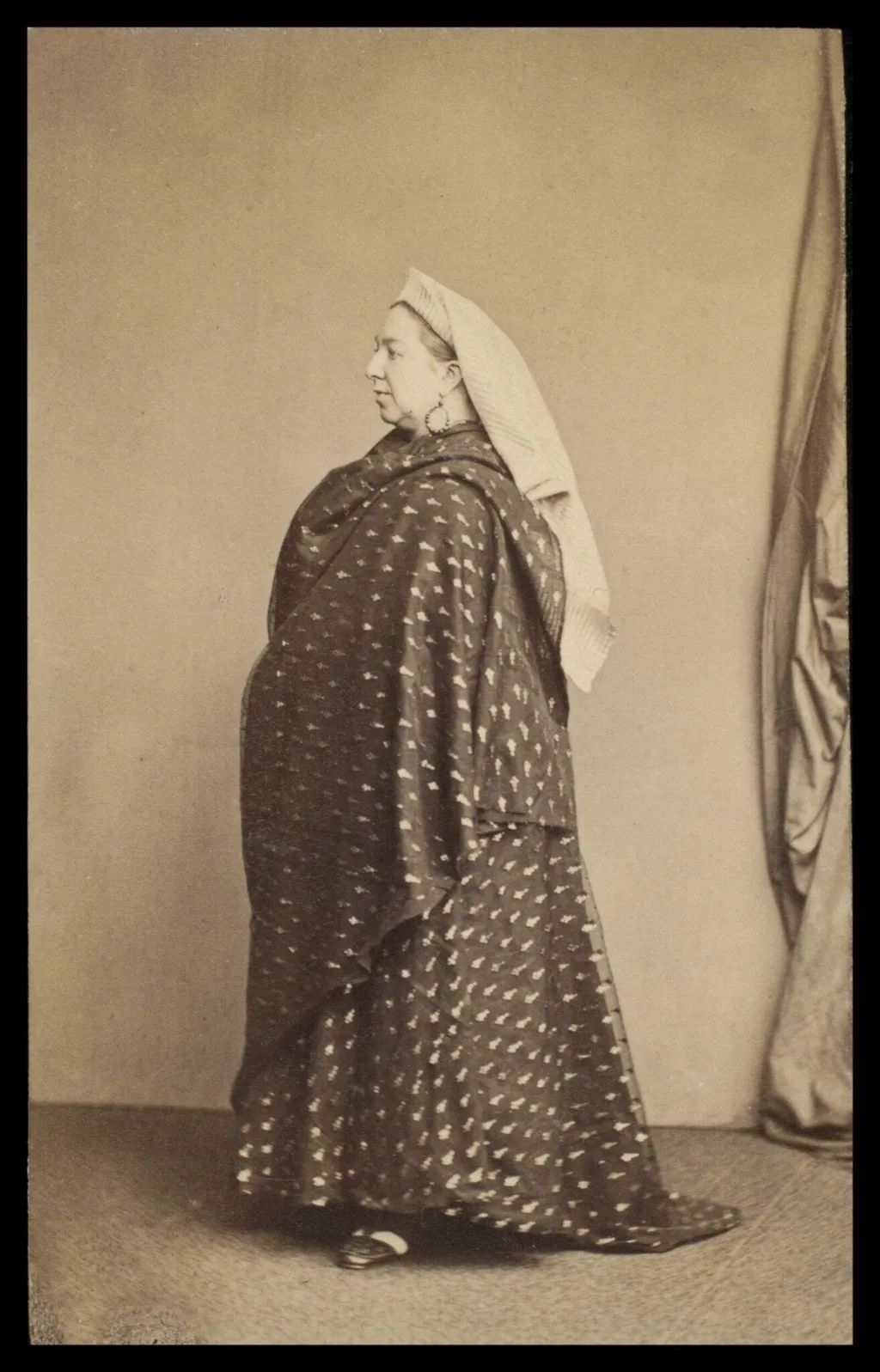
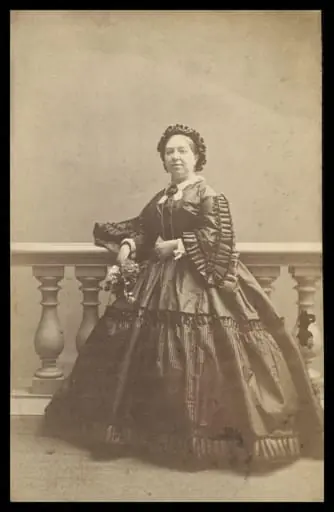
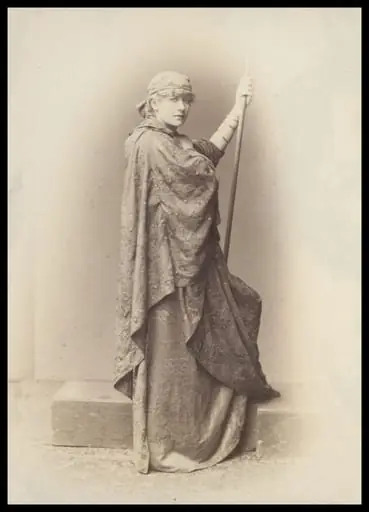
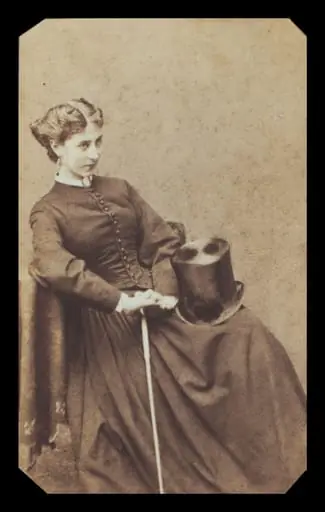
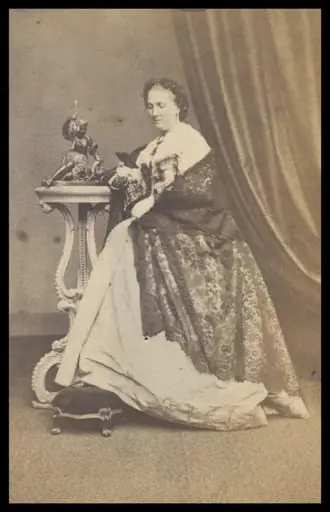
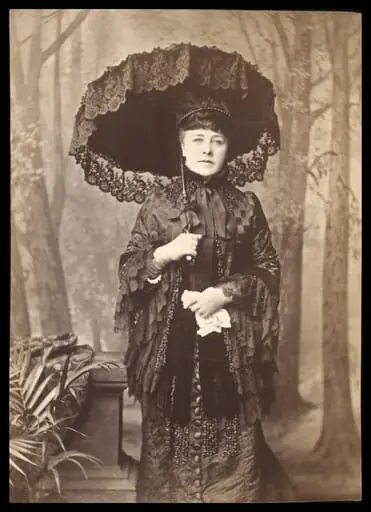
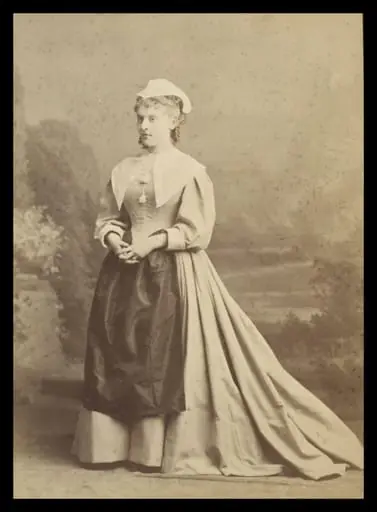
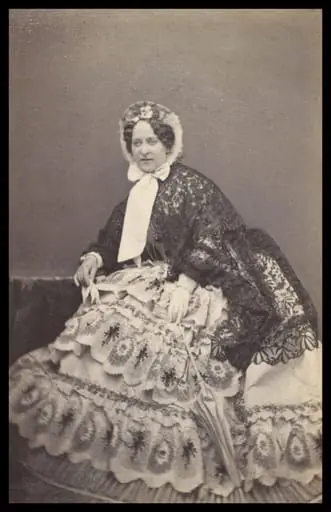
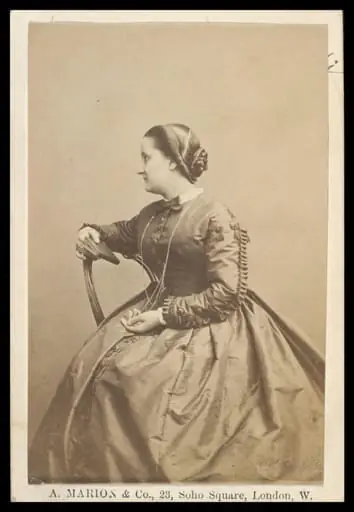
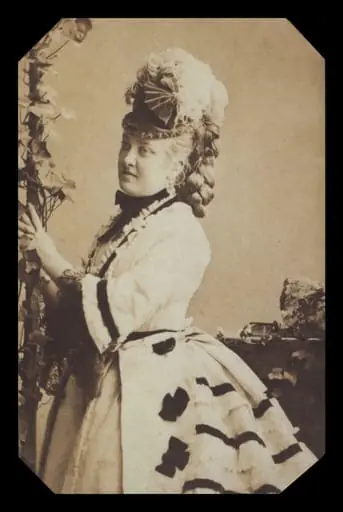
Guy Little Theatrical Photograph is a photographic photography by the Impressionist artist Moira & Haigh. It dates from 1864 and is held in the collection of the Victoria and Albert Museum. This photograph of actress Louisa Pyne is an albumen print on card, originally produced as a carte de visite.
About this work
Overview
This photograph of actress Louisa Pyne is an albumen print on card, originally produced as a carte de visite.
This photograph of actress Louisa Pyne is an albumen print on card, originally produced as a carte de visite. It was created by the studio Moira & Haigh during the height of the format’s popularity in the 1860s. The image was later removed from its original backing and mounted in an album compiled by Guy Tristram Little, a legal professional and avid collector of photographic memorabilia. His collection, donated to the V&A after his death in 1953, includes hundreds of such theatrical portraits.
Subject & Meaning
Louisa Pyne was a prominent soprano and stage performer in mid-Victorian England, known for her roles in operettas and comic operas. This portrait captures her in theatrical costume, reflecting her public identity as a performer. Such images served as tangible connections between audiences and stars, allowing fans to possess a physical likeness of their favorites. Unlike painted portraits, photographs offered a sense of immediacy and authenticity, reinforcing the growing cultural fascination with celebrity.
Technique & Style
The image was produced using the albumen printing process, which involved coating paper with egg white and salt, then sensitizing it with silver nitrate. It was printed from a glass negative, a standard method for achieving sharp detail in the era. The photograph was mounted on a stiff card, bearing the photographer’s imprint, and sized to fit the carte de visite format—approximately 2.5 by 4 inches. The composition is formal, with Pyne posed frontally, emphasizing clarity and recognition over dramatic expression.
History & Provenance
The photograph was part of a personal album assembled by Guy Tristram Little, who collected theatrical photographs and other ephemera. Little, a solicitor and executor of Gabrielle Enthoven’s estate, inherited her extensive theatrical archive. Upon his death, he bequeathed his collection to the Victoria and Albert Museum, where it became a foundational component of the Theatre Collections. The image’s removal from its original mount suggests it was reorganized for personal curation rather than commercial display.
Context
During the 1860s, cartes de visite became a mass phenomenon, with millions produced annually. They were exchanged like social tokens and collected in albums, much like modern photo albums or trading cards. Theatrical figures were among the most popular subjects, as public interest in the stage surged. This format democratized access to celebrity imagery, shifting cultural consumption from elite portraiture to affordable, reproducible photographs accessible to the middle class.
Legacy
Little’s collection preserved a vast array of Victorian theatrical imagery that might otherwise have been lost. His curation helped establish the V&A’s Theatre Collections as a key resource for studying performance history. The survival of this photograph, along with thousands of others, offers insight into how audiences engaged with performers before the advent of film or broadcast media. It stands as a material artifact of early visual fandom and the evolving relationship between public figures and their admirers.
Artist & collection
Artist
Moira and Haigh spent their evenings at London’s Theatre Royal sneaking backstage to photograph actors mid-change, their bulky camera hidden under a coat like contraband.