Artwork
(Des)Ordres
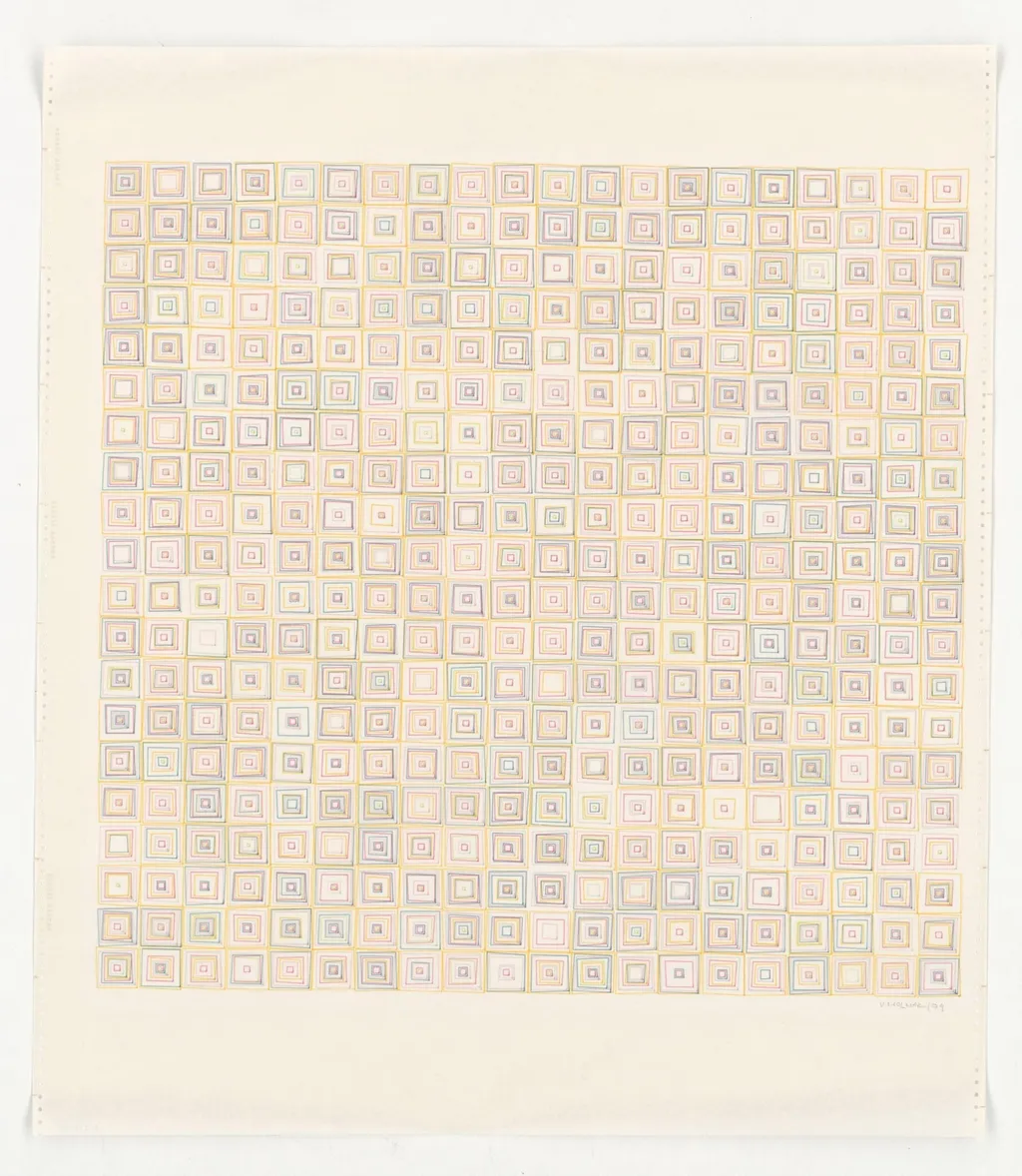
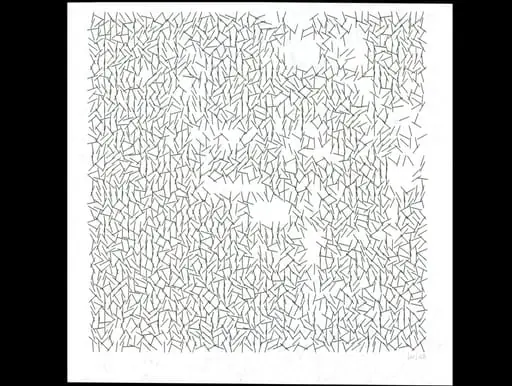
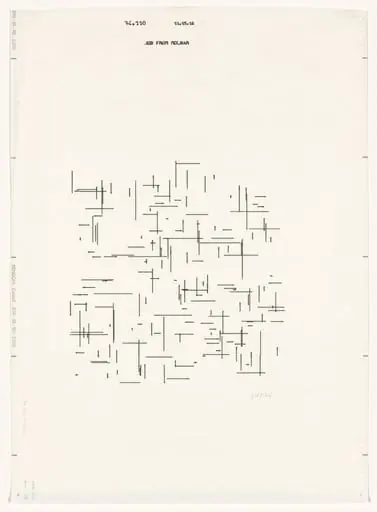
(Des)Ordres is a drawing by Vera Molnar. It dates from 1974 and is held in the collection of the Victoria and Albert Museum.
About this work
Overview
Using programmed instructions, Molnár generated geometric forms with mechanical precision, then introduced controlled randomness to disrupt their symmetry.
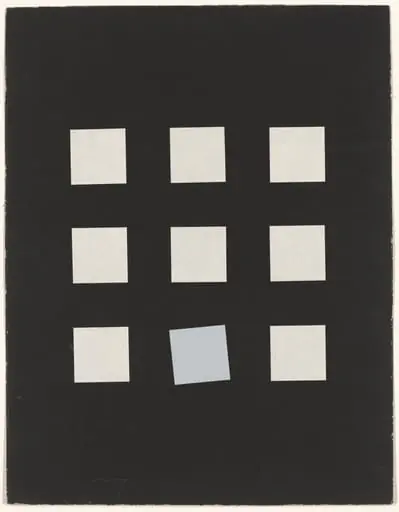
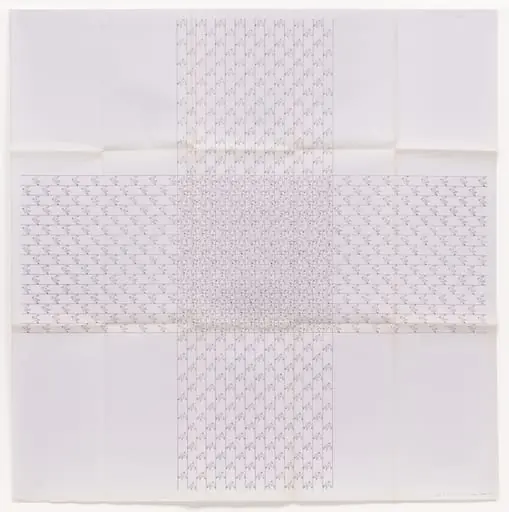
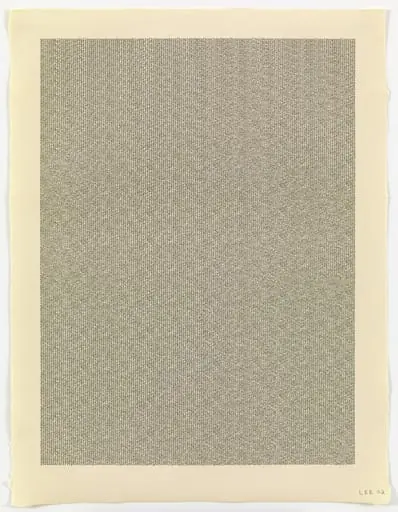
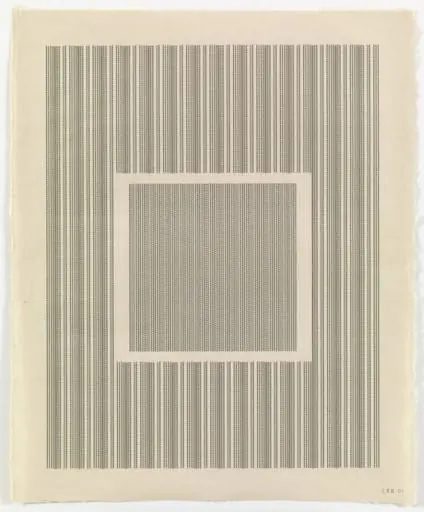
Created in 1974 in Paris, (Des)Ordres is a plotter drawing by Vera Molnár, part of a series exploring algorithmic variation. Using programmed instructions, Molnár generated geometric forms with mechanical precision, then introduced controlled randomness to disrupt their symmetry. The work reflects her interest in the interplay between human intention and machine unpredictability, positioning the computer as a collaborator rather than a mere tool.
Subject & Meaning
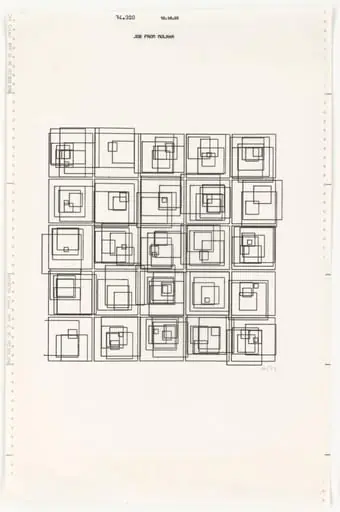
The piece centers on concentric squares, their orderly arrangement subtly disturbed by randomized shifts in position and scale. These disruptions evoke a sense of instability within structure, suggesting tension between predictability and chaos. Molnár’s focus is not on visual spectacle but on the conceptual tension inherent in systems—how small deviations can alter perception without destroying form.
Technique & Style
Executed with a plotter, the drawing relies on precise line work produced by computer-controlled pen movement. Molnár’s algorithm dictated the initial grid of squares, then introduced probabilistic variations to their spacing and alignment. The result is a static image that implies motion, as if the shapes are in subtle flux, bridging the rigidity of code with the organic feel of irregularity.
History & Provenance
(Des)Ordres was produced during Molnár’s early engagement with computer-generated art, a period when few artists explored algorithmic processes. It entered the museum collection in 2011 as part of a broader acquisition of pioneering digital works. The piece is cataloged under E.271-2011, reflecting its status as a significant artifact in the history of generative art.
Context
In the 1970s, Molnár was among the first artists to use computers for artistic creation, working outside mainstream trends. Her approach contrasted with purely aesthetic uses of technology, instead emphasizing conceptual inquiry into systems and chance. (Des)Ordres emerged alongside early developments in algorithmic art in Europe, contributing to a quiet but influential shift in how art could be made.
Legacy
The work stands as an early example of how artists could harness computational logic to question notions of control and spontaneity. Molnár’s method influenced later generations working in generative and algorithmic art, demonstrating that machines could extend, not replace, artistic reasoning. Her focus on process over product helped redefine the boundaries of drawing in the digital age.
Artist & collection
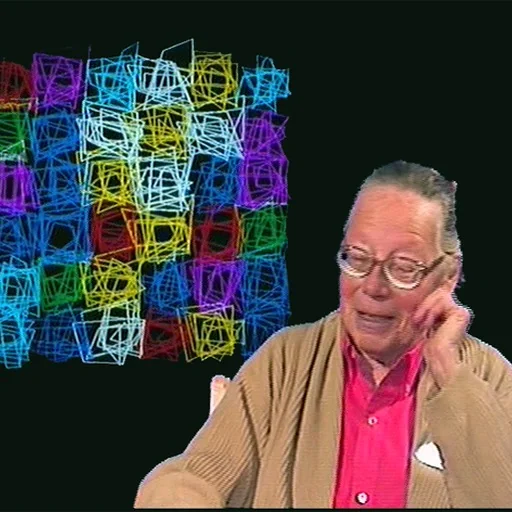
Artist
Vera Molnár was a Hungarian media artist who lived and worked in Paris, France. Molnár is widely considered to have been a pioneer of the generative art aspect of computer art. She was one of the first women to use…