Artwork
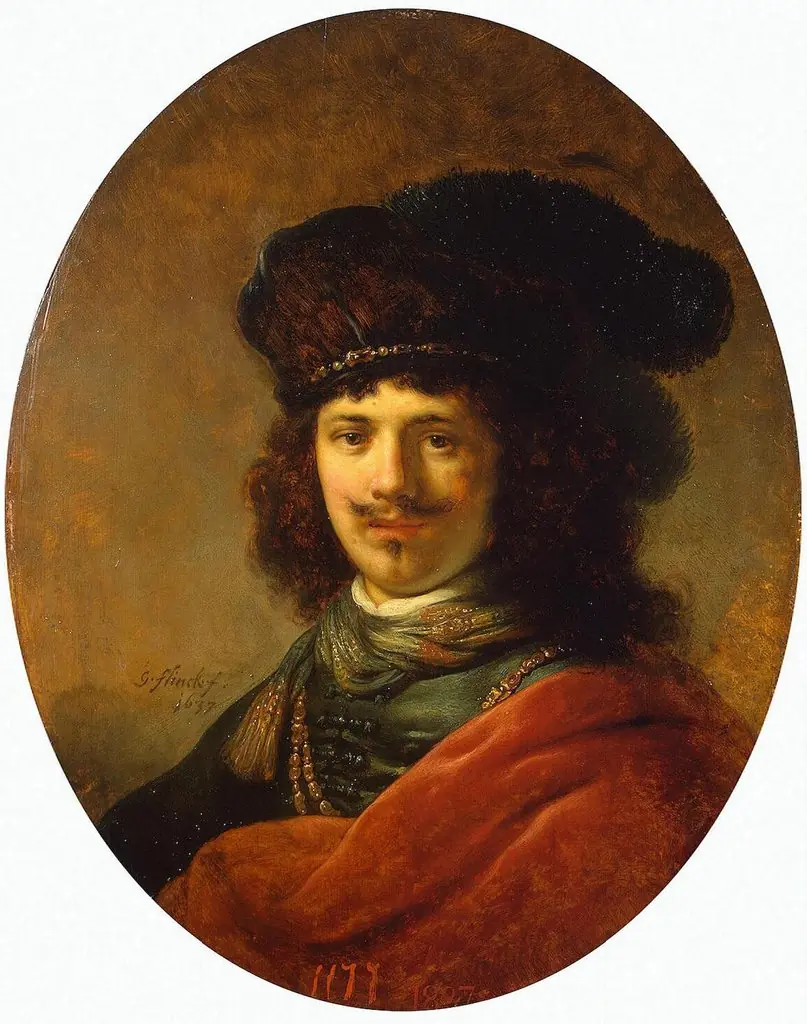
Portrait of a man in a high fur hat
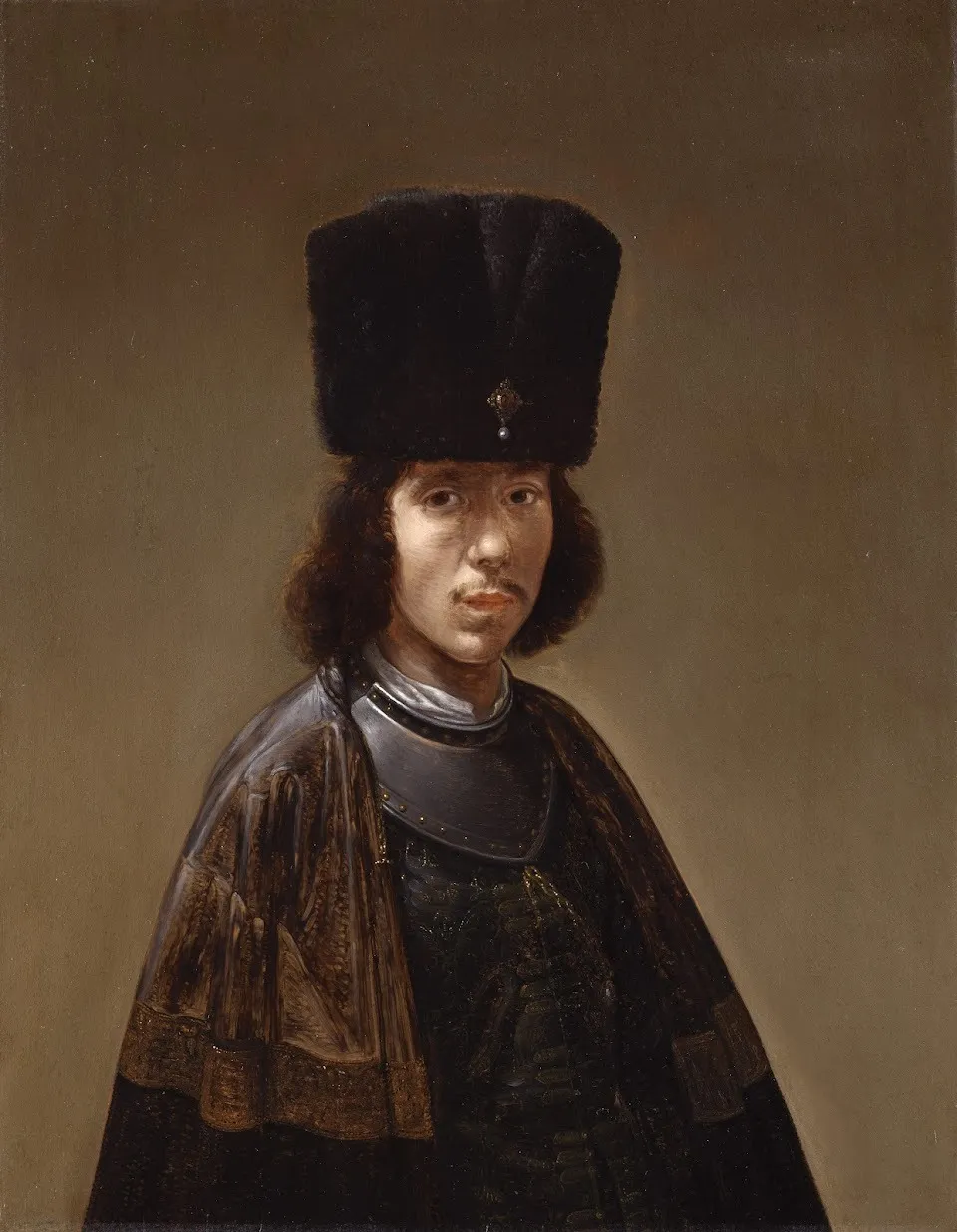
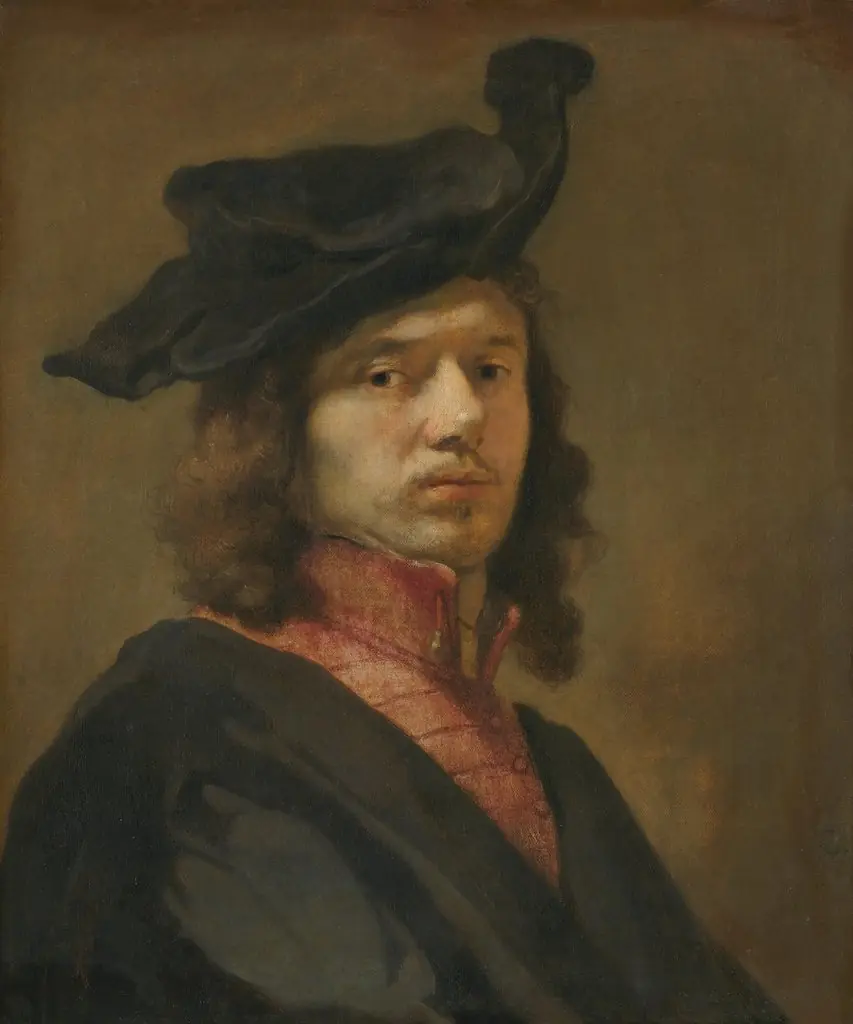
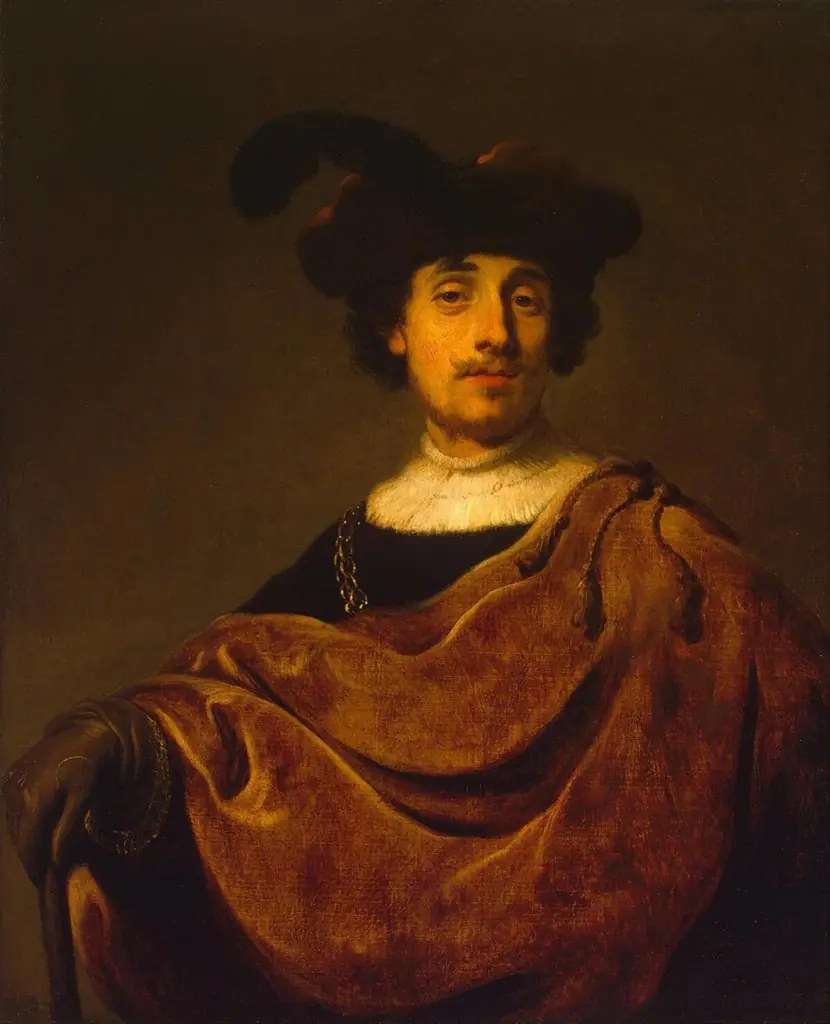
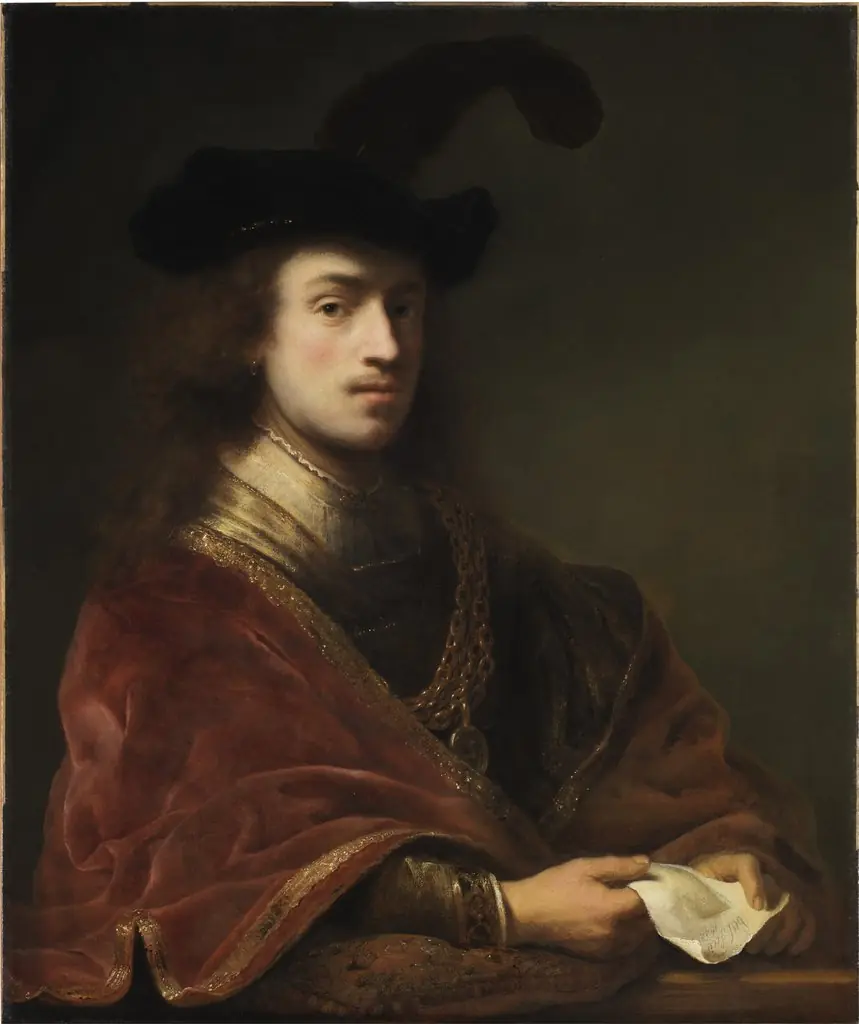
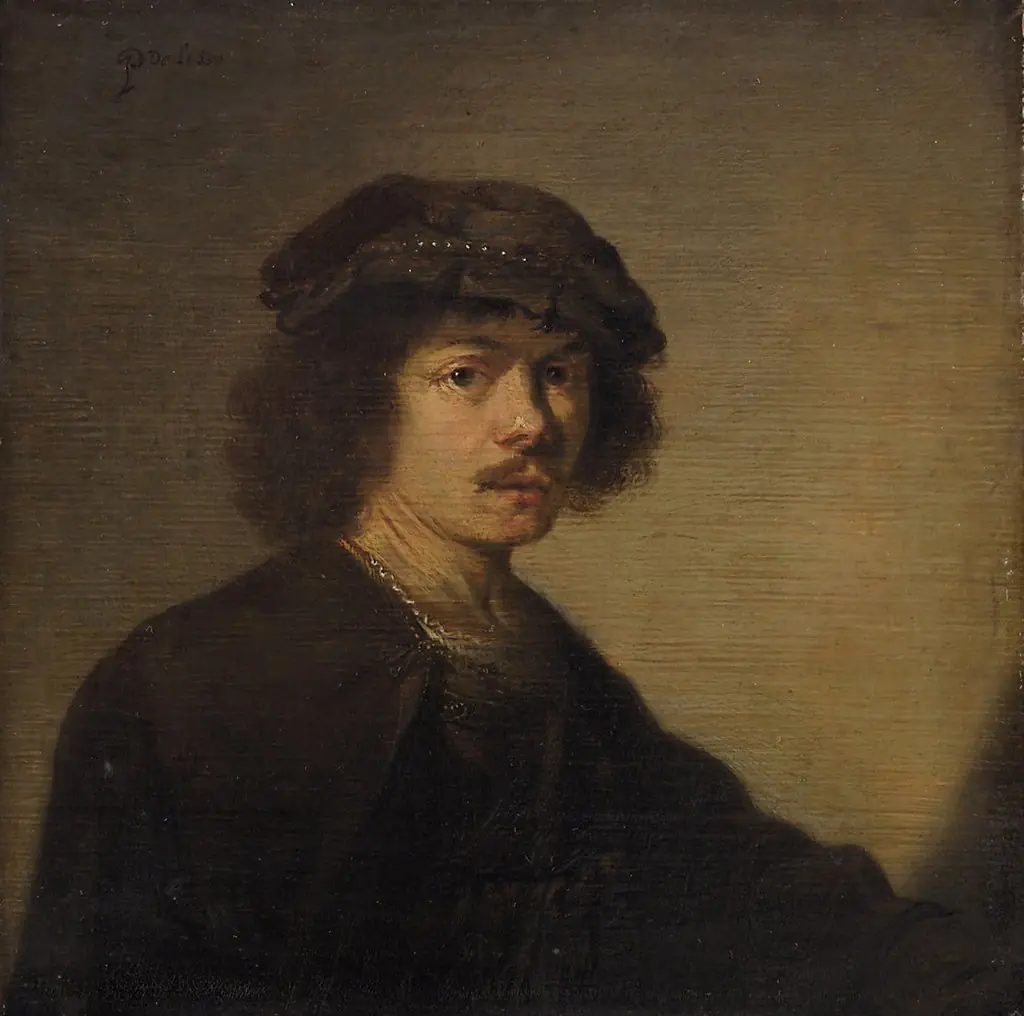
Portrait of a man in a high fur hat is an oil painting by the Dutch Golden Age artist Monogrammist IS. It dates from 1638 and is held in the collection of the J. Paul Getty Museum.
About this work
Overview
Painted in 1638, this oil portrait is attributed to the artist known as Monogrammist IS. It presents a seated male figure against a dark, unadorned background, emphasizing the subject’s attire and expression. The work is part of the J. Paul Getty Museum’s collection and exemplifies the quiet intensity characteristic of Dutch portraiture from the early 17th century.
Subject & Meaning
His high fur hat and black cloak edged in gold suggest social prominence, possibly indicating military or civic rank.
The man is depicted with a stern, composed demeanor, his short beard and direct gaze conveying authority. His high fur hat and black cloak edged in gold suggest social prominence, possibly indicating military or civic rank. The absence of symbolic objects or elaborate settings focuses attention on personal presence rather than status markers, reflecting a shift toward psychological realism in portraiture.
Technique & Style
The artist employs chiaroscuro to model the face and garments, using sharp contrasts between light and shadow to define form. The metallic pin on the hat and the gold trim of the cloak catch the light with subtle sheen, while the dark background recedes, isolating the figure. Brushwork is precise yet unobtrusive, favoring texture over ornamentation.
History & Provenance
The painting entered the J. Paul Getty Museum’s collection through established acquisition channels, though its early ownership history remains undocumented. Attributed to Monogrammist IS—a pseudonym for an unidentified artist active in the Netherlands—the work is dated by stylistic comparison to other signed pieces from the same period.
Context
Created during the Dutch Golden Age, this portrait aligns with a broader trend of depicting individuals with restrained dignity rather than flamboyant display. While many contemporaries emphasized wealth through jewelry or interiors, this work conveys status through fabric, silhouette, and expression, reflecting Calvinist values of modesty and introspection.
Legacy
Though the artist’s identity remains obscure, the portrait contributes to the understanding of anonymous painters who shaped Dutch portraiture. Its emphasis on psychological presence over external display influenced later generations, reinforcing the value of understated realism in Northern European art.
Artist & collection