Artwork
Self-Portrait
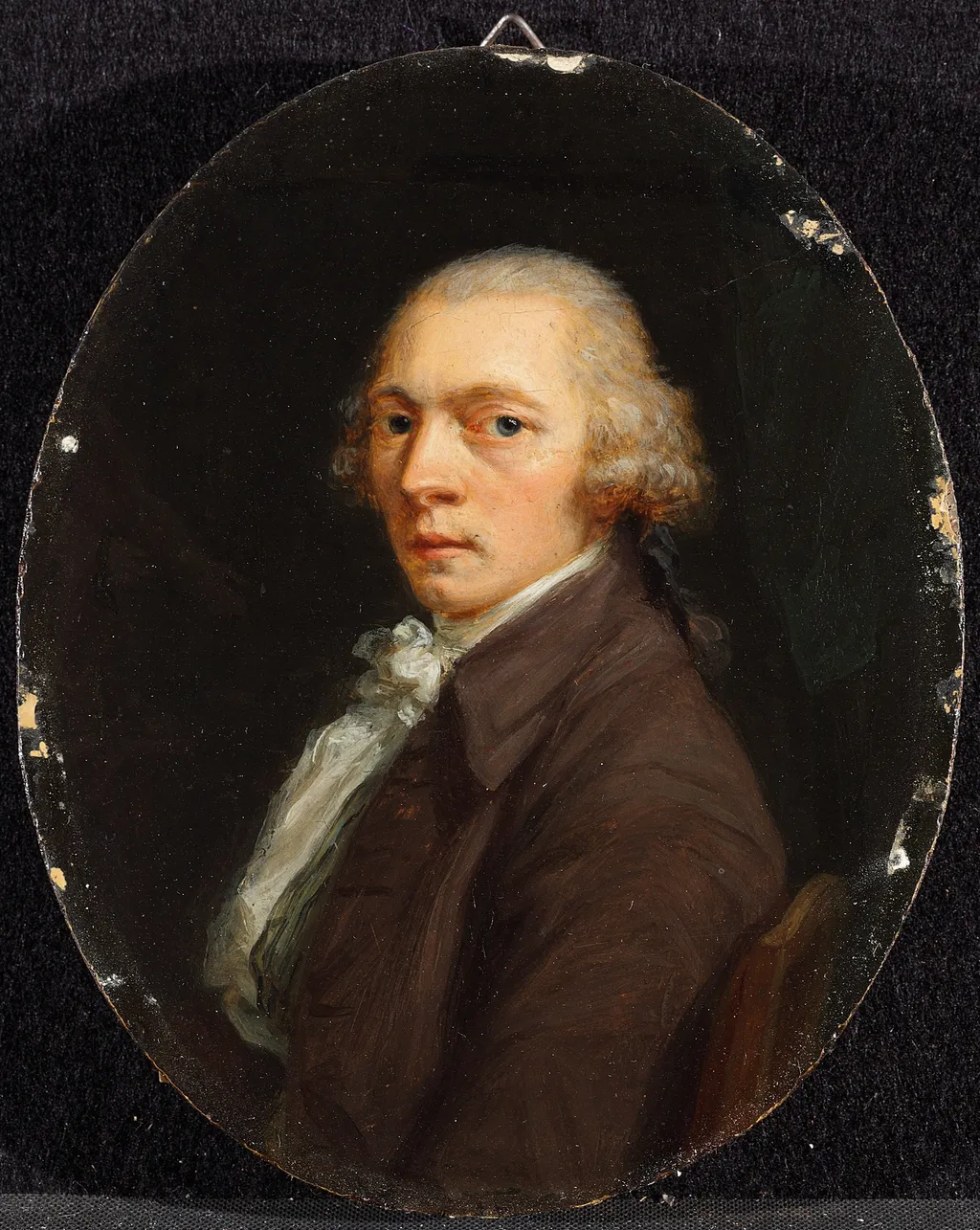
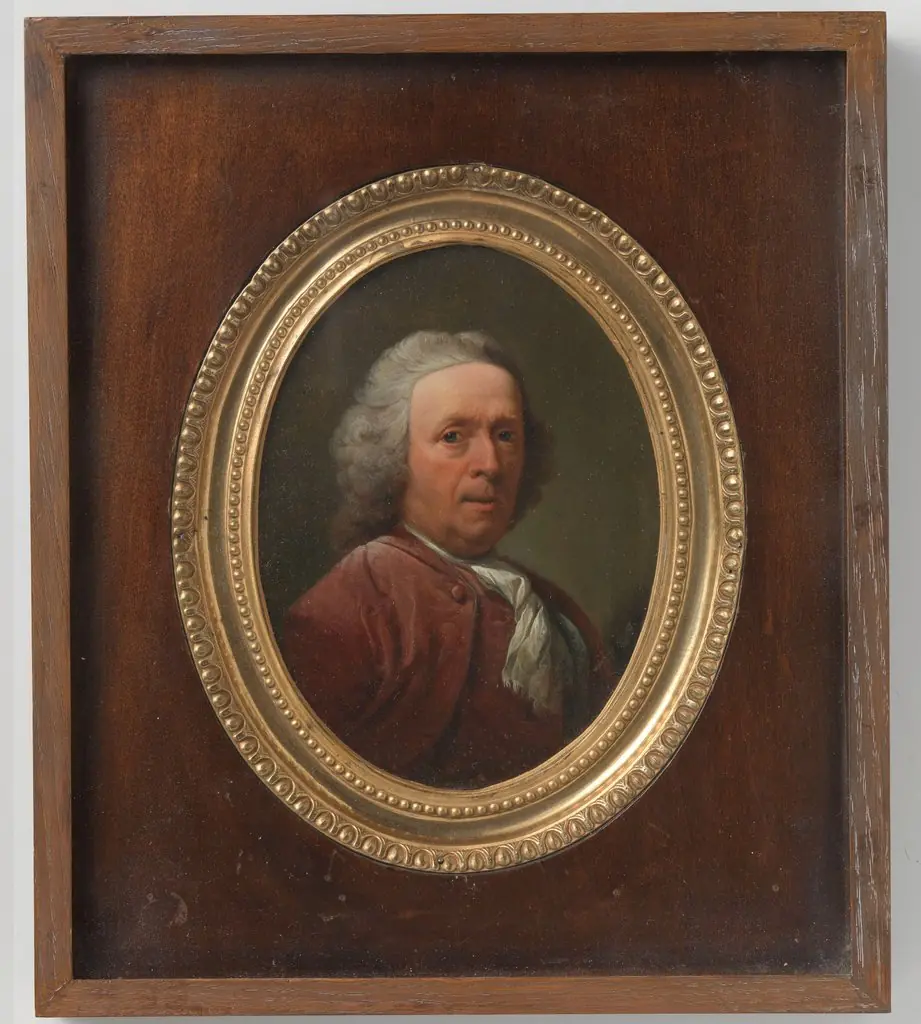
Self-Portrait is an unspecified painting by the Biedermeier artist Moritz Kellerhoven. It dates from 1798 and is held in the collection of the Gemäldegalerie Berlin.
About this work
Overview
Painted in 1798, this self-portrait by Moritz Kellerhoven presents the artist in mid-life, rendered in oil on canvas. It resides in the Gemäldegalerie Berlin, part of the city’s public art collection. The composition is tightly framed, focusing on the upper torso and face, with no extraneous elements to distract from the subject’s presence.
Subject & Meaning
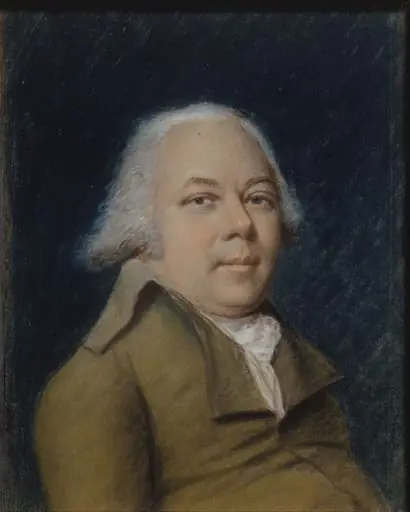
Kellerhoven depicts himself with quiet composure, his white hair and crisp white cravat suggesting a man of refinement and professional standing. His neutral gaze, direct yet unemotional, conveys introspection rather than theatricality. The portrait functions as a record of identity, not a display of status or ambition, reflecting the modest self-presentation common among artists of the period.
Technique & Style
The painting employs chiaroscuro to model the face and clothing, with subtle gradations of light defining the contours of the jaw, neck, and cravat. The dark, unmodulated background isolates the figure, enhancing three-dimensionality. Brushwork is restrained and precise, favoring clarity over flourish, aligning with the Neoclassical preference for restraint and formal balance.
History & Provenance
The work entered the Gemäldegalerie Berlin’s collection in the 19th century, likely through institutional acquisition or donation. Its continuous presence in the museum suggests early recognition of its documentary value. No significant alterations or reworkings are recorded, and the painting remains in stable condition.
Context
Created during the late Enlightenment, the portrait reflects a cultural shift toward individual self-representation among artists. Unlike Baroque self-portraits emphasizing genius or grandeur, Kellerhoven’s approach is understated, aligning with emerging ideals of professionalism and quiet dignity in artistic practice.
Legacy
Though not widely reproduced or celebrated in broader art history, the portrait remains a representative example of German artist self-representation at the turn of the 19th century. It contributes to the understanding of how artists documented their own image without resorting to symbolism or embellishment.
Artist & collection

 Portrait of Ivan Grigorevich, Count Chernyshev
 Self-portrait of Bacciarelli in a redingote
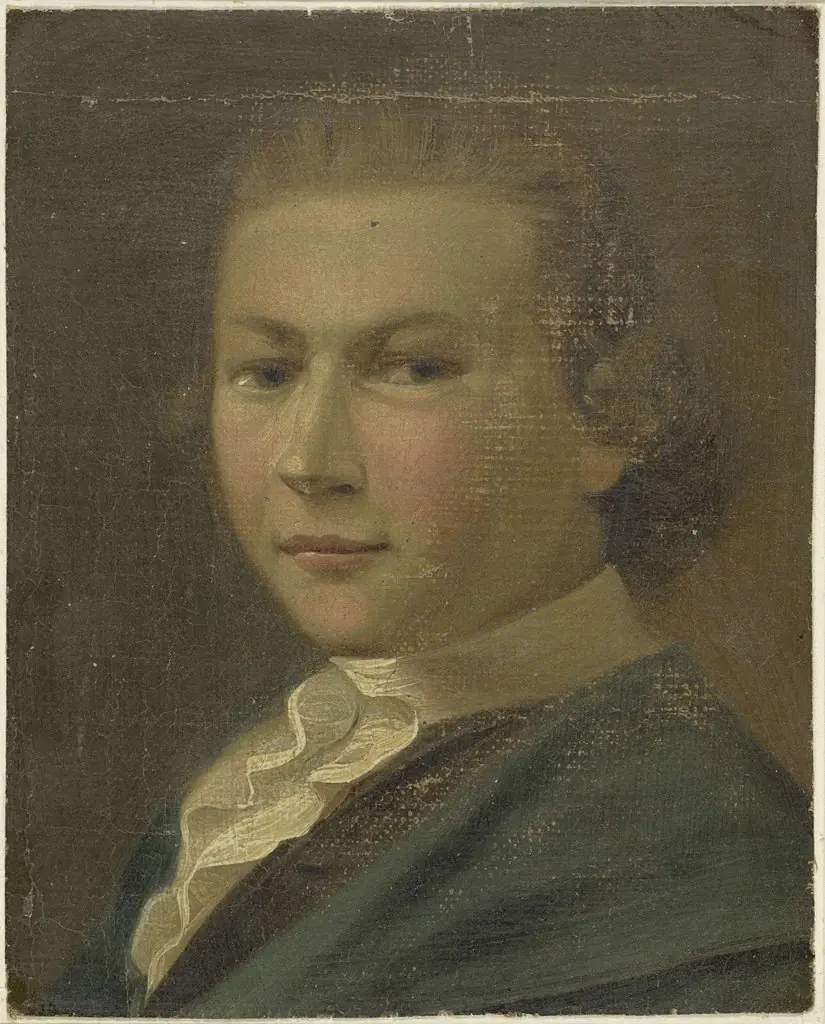 Zelfportret van Gabriël van Rooyen
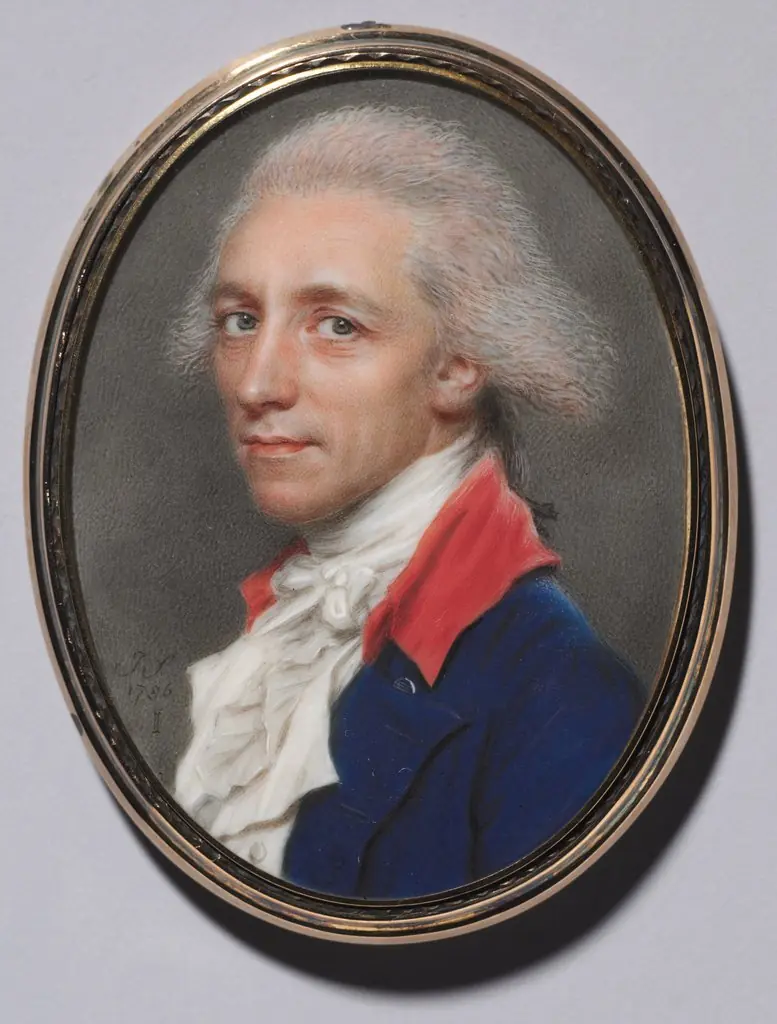 Portrait of a Man
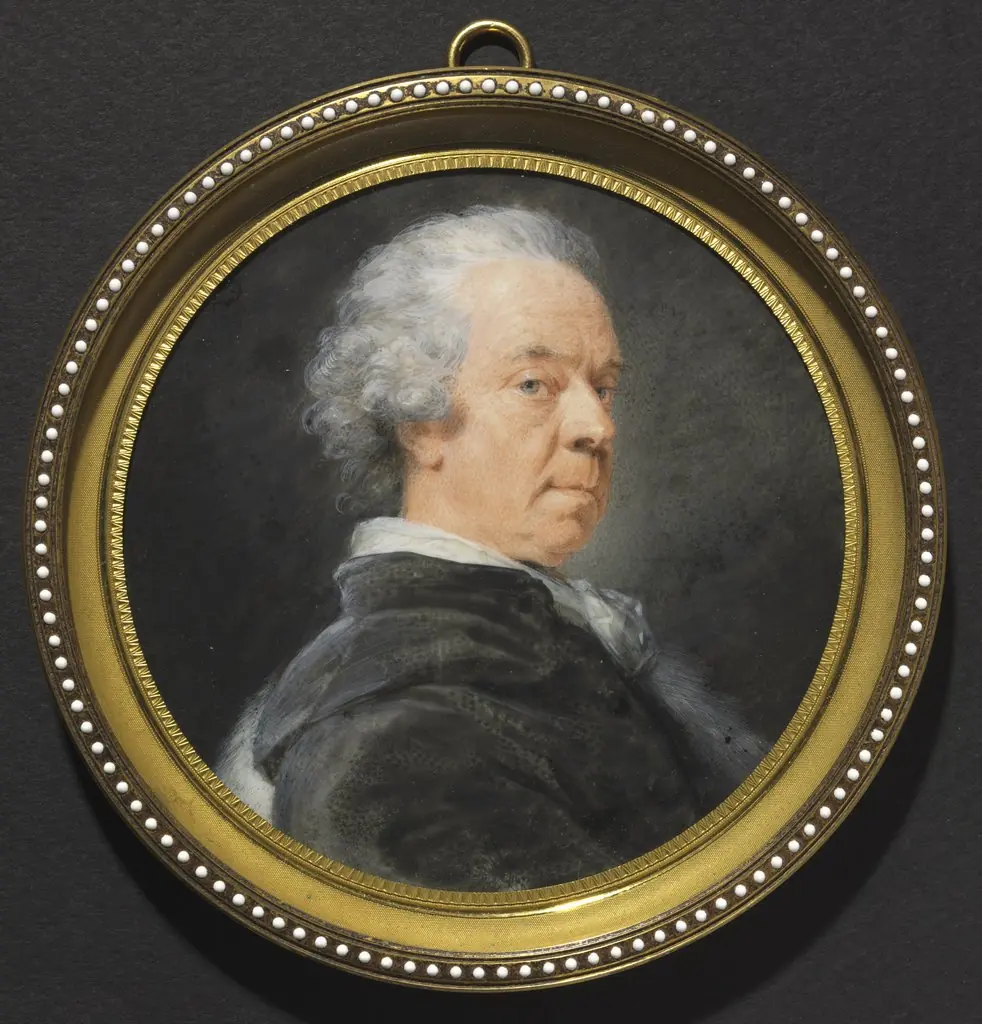 Portrait of Ivan Grigorevich, Count Chernyshev
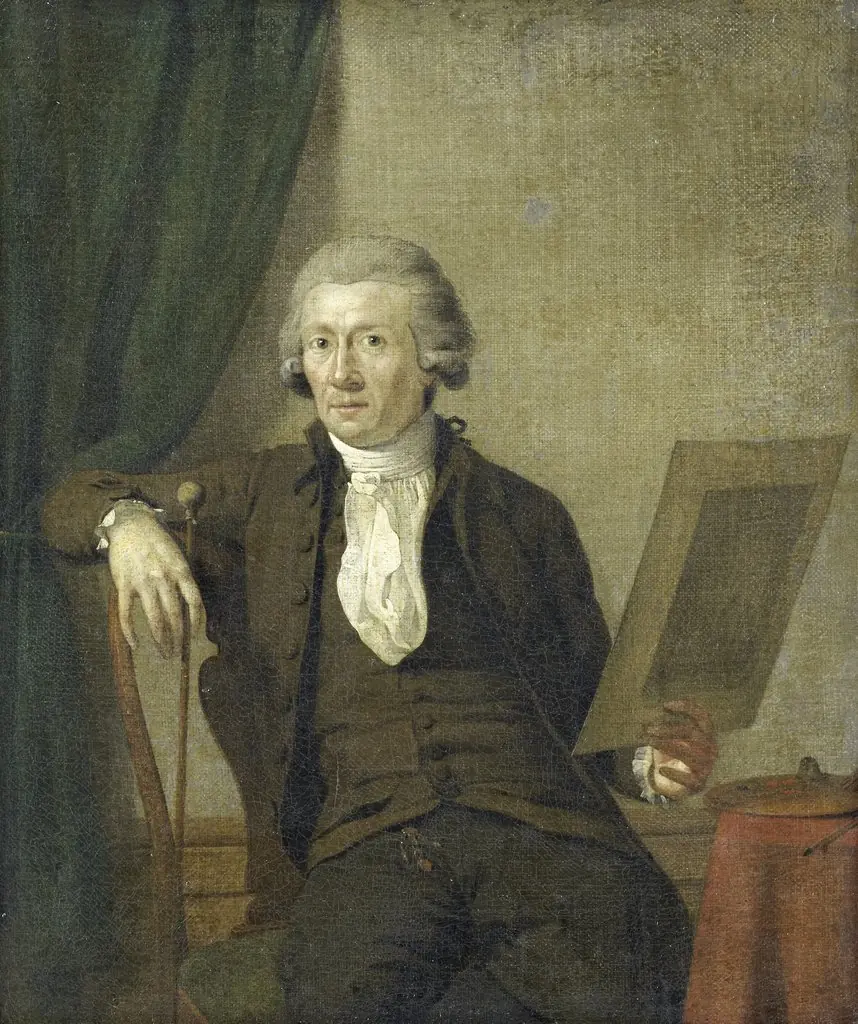 Portrait of Egbert van Drielst, Painter
 A Man with the Initials RH
 Arend Willem Baron van Reede en zijn zoon Willem Frederik Baron van Reede
 Self-Portrait
 Portrait of Salomon Rendorp, Brewer in Amsterdam
 Mederic-Louis-Elie Moreau de Saint-Mery
 Self-Portrait