Artwork
Harry Beard Print Collection
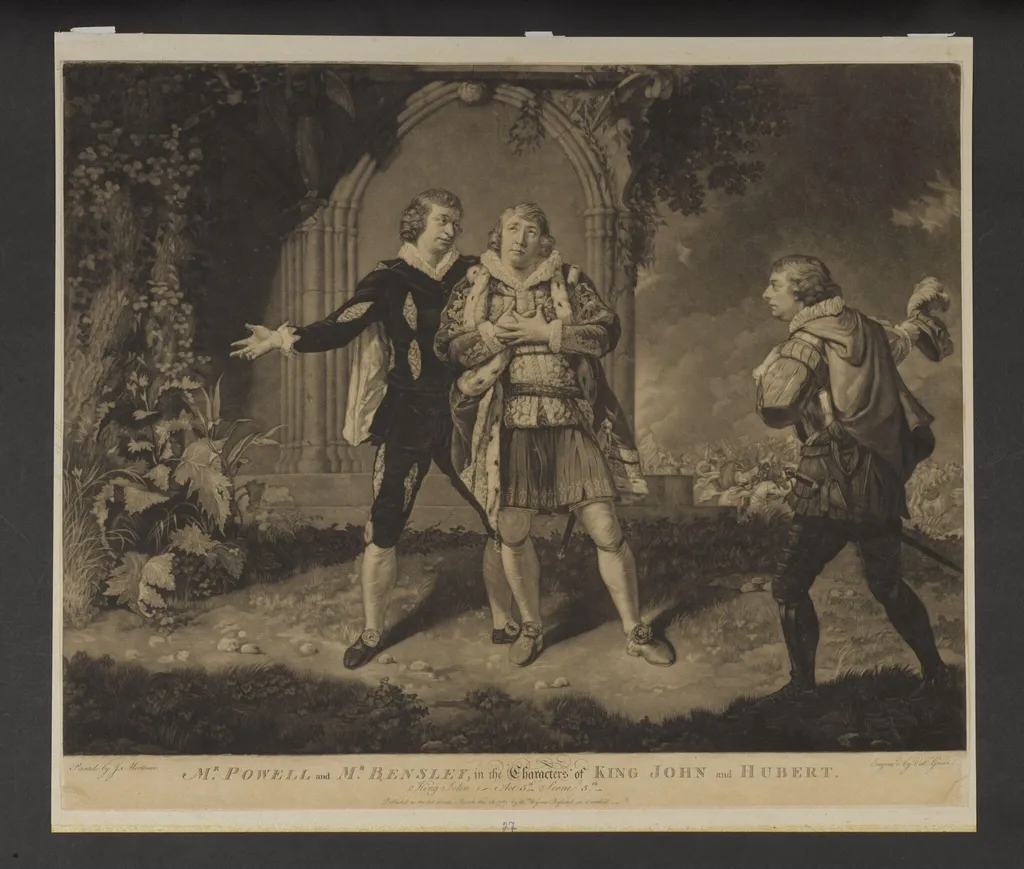
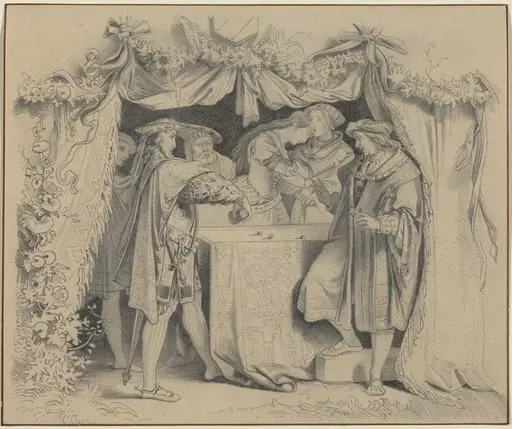
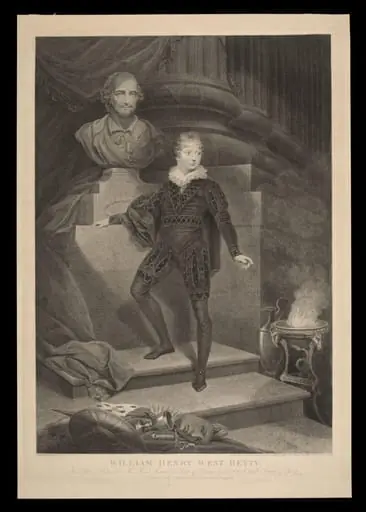
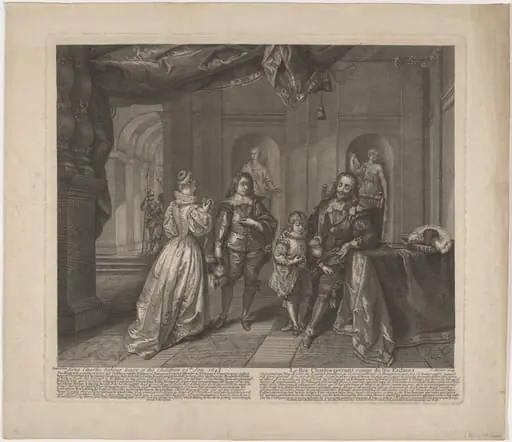
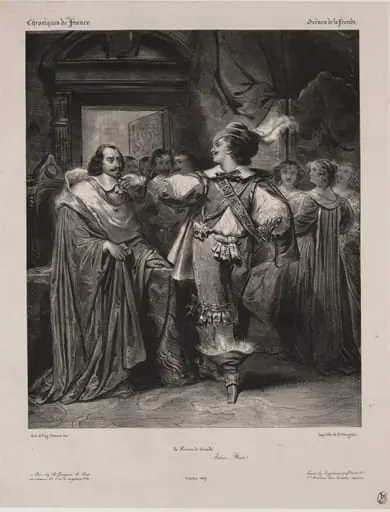
Harry Beard Print Collection is a print by the Romanticist artist J. Mortimer. It dates from 26 and is held in the collection of the Victoria and Albert Museum. This 1771 print captures a moment from Shakespeare’s King John, portraying three 18th‑century actors in costume.
About this work
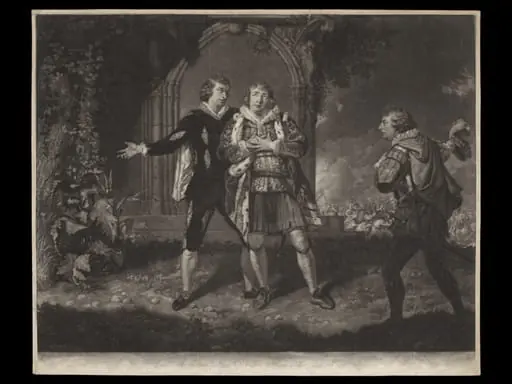
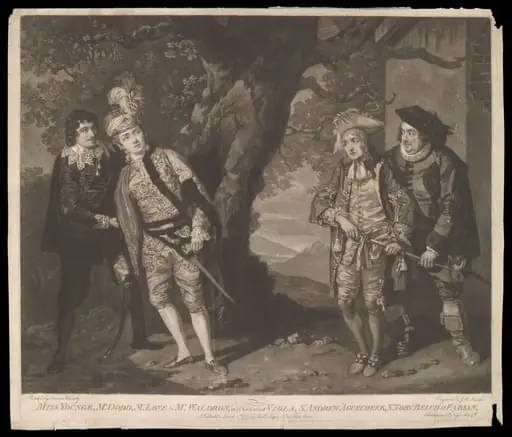
Three actors—Robert Bensley, William Powell, and Richard Smith—perform as Hubert, King John, and a Messenger.
This print shows a scene from the play King John. Three actors—Robert Bensley, William Powell, and Richard Smith—perform as Hubert, King John, and a Messenger. Published in 1771, it’s a snapshot of 18th-century theater.
The print comes from William Ryland’s engraving series. It’s part of the Romanticism movement, which loved drama and emotion.
Want to see more? Look up the Victoria and Albert Museum.
Overview
This 1771 print captures a moment from Shakespeare’s King John, portraying three 18th‑century actors in costume. Robert Bensley appears as the loyal Hubert, William Powell as the titular monarch, and Richard Smith as a messenger delivering news. The image was produced as part of an engraving series commissioned by the engraver William Wynne Ryland, offering a visual record of contemporary theatrical performance.
Subject & Meaning
The composition focuses on a pivotal exchange between King John and his confidant Hubert, underscoring themes of loyalty and political intrigue central to the play. The messenger’s presence heightens the tension, suggesting imminent revelation or conflict. By depicting these specific roles, the print emphasizes the dramatic intensity valued by audiences of the period.
Technique & Style
Executed in line engraving, the work relies on fine hatching and cross‑hatching to render textures of fabric, facial expression, and stage lighting. Ryland’s hand is evident in the precise delineation of costume details and the balanced arrangement of figures, reflecting the neoclassical precision that preceded the more emotive Romantic aesthetic.
History & Provenance
Published by William Wynne Ryland in 1771, the print formed part of a broader series documenting notable theatrical productions. Copies of the engraving entered collections of British institutions, including the Victoria and Albert Museum, where it remains a reference for scholars of 18th‑century stagecraft.
Context
The image emerges from a period when printed theatre scenes served both as promotional material and as souvenirs for patrons. The choice to depict King John—a historically resonant drama—mirrored contemporary interest in national history and moral dilemmas, aligning with the era’s cultural preoccupations.
Artist & collection
Artist
This artist made satirical prints in the 1770s, poking fun at daily life and politics.