Artwork
The Pyrenees, the Peak of the Midi de Bigorre
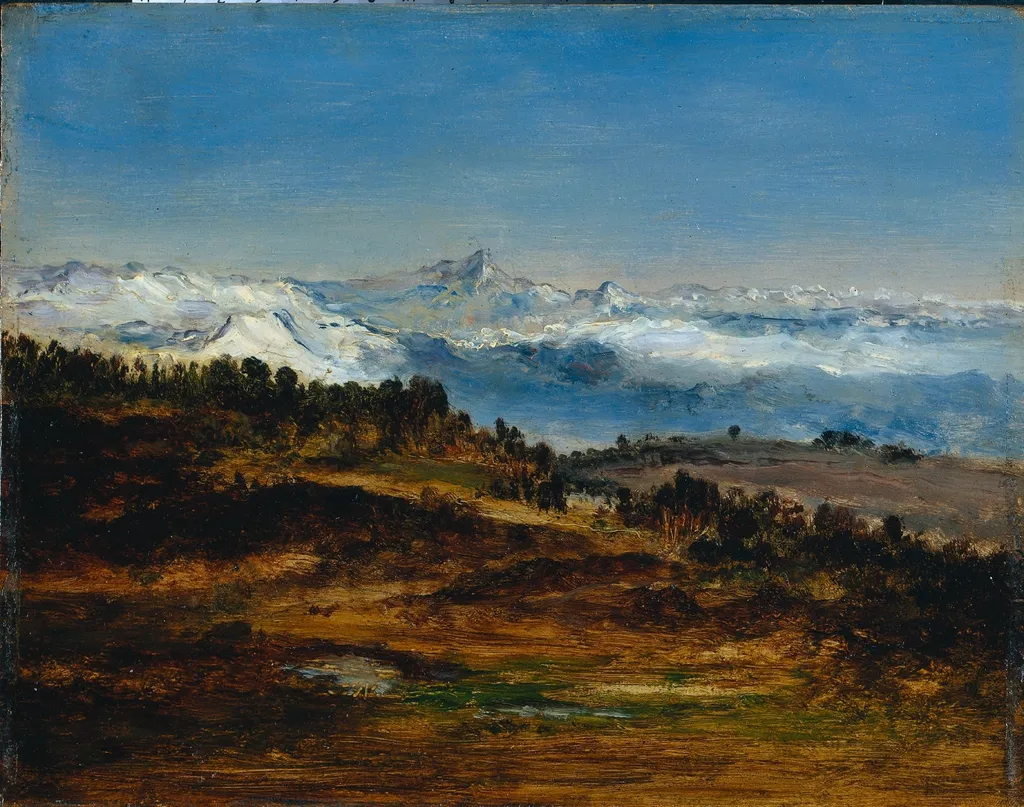
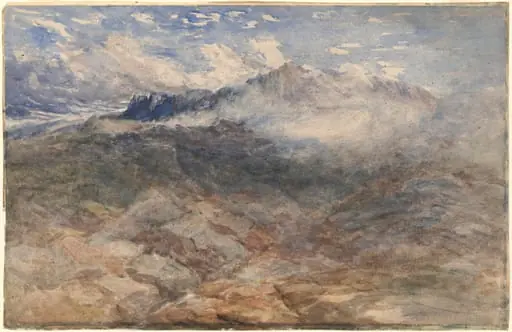
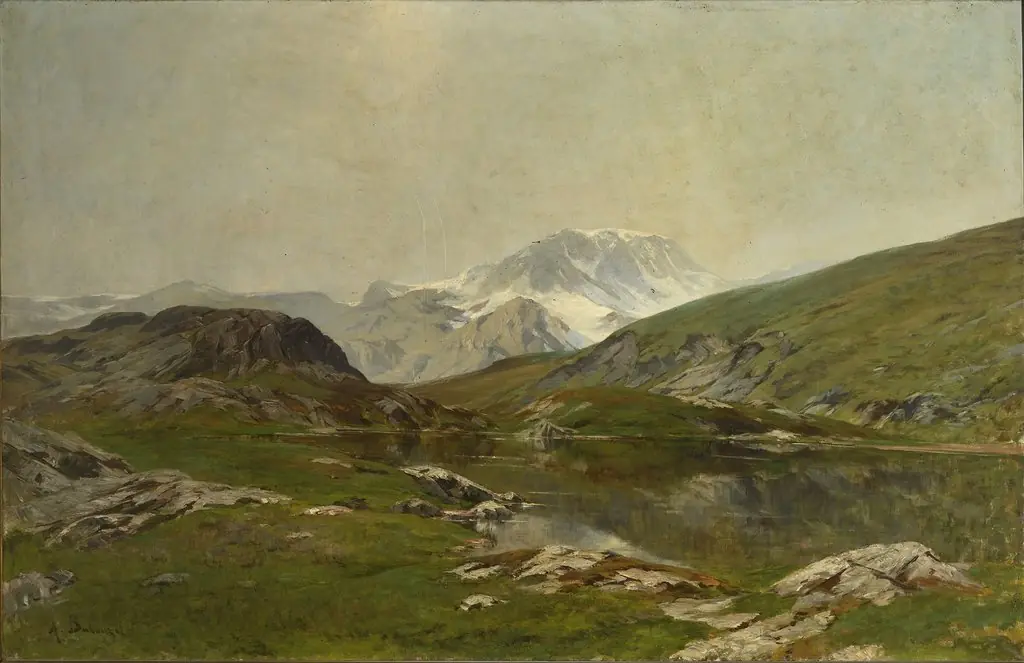
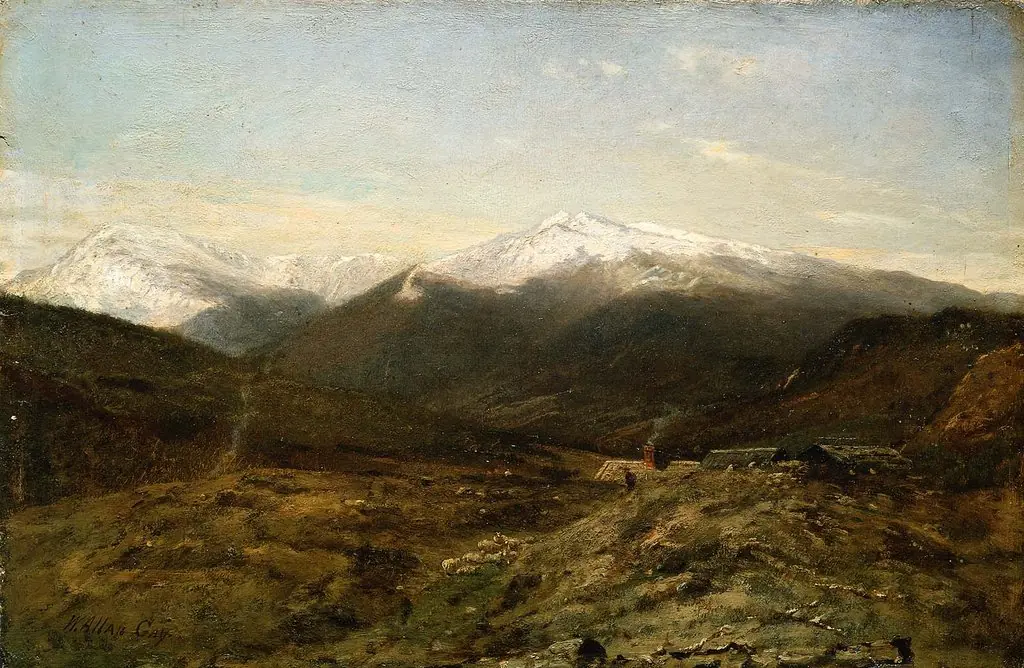
The Pyrenees, the Peak of the Midi de Bigorre is an unspecified painting by the Impressionist artist Narcisse Virgilio Díaz. It dates from 1872 and is held in the collection of the Cleveland Museum of Art.
About this work
Overview
The painting reflects a shift toward observing nature’s transient conditions rather than idealizing it.
Painted in 1872 by Narcisse Diaz de la Peña, this landscape depicts a mist-laden valley in the Pyrenees, with the peak of Midi de Bigorre looming in the distance. The work is part of the collection at The Cleveland Museum of Art. Its composition emphasizes atmospheric depth, using layered tones to suggest distance and weather. The painting reflects a shift toward observing nature’s transient conditions rather than idealizing it.
Subject & Meaning
The scene portrays a quiet, unpopulated mountain valley, where natural forms dominate without human intervention. The snow-capped peak, softened by haze and light, conveys a sense of solitude and scale. The mist and fading contours suggest impermanence, aligning with a broader 19th-century interest in nature’s subtleties over grand narratives. The absence of figures invites contemplation of the landscape’s quiet endurance.
Technique & Style
Diaz employed loose, fluid brushwork to render the sky and distant hills, allowing pigments to blend optically rather than being meticulously defined. Earthy greens and browns ground the foreground, while pale blues and whites suggest snow and atmospheric haze. The technique prioritizes the effect of light and air over precise detail, anticipating Impressionist methods by emphasizing sensory impression over topographical accuracy.
History & Provenance
Created during Diaz’s mature period, the painting emerged from his continued engagement with the French landscape tradition. It entered The Cleveland Museum of Art’s collection in the 20th century, likely through a private acquisition or donation. Its documented history is modest, with no major exhibitions or public records prior to its museum acquisition, suggesting it was appreciated more for its quiet resonance than public acclaim.
Context
In the 1870s, French artists were increasingly turning from studio-based historicism to direct observation of nature. Diaz, associated with the Barbizon School, contributed to this shift by painting outdoors and capturing fleeting atmospheric effects. Though not a formal Impressionist, his approach aligned with contemporaries who valued light, weather, and mood as central subjects, reflecting broader cultural interest in nature’s ephemeral qualities.
Legacy
The painting stands as a quiet example of late Barbizon sensibility, bridging romanticized landscape traditions and emerging modern approaches. While Diaz is less widely recognized than his Impressionist peers, works like this illustrate the gradual evolution of landscape painting toward immediacy and atmospheric truth. It remains a subtle testament to the period’s shifting visual priorities in depicting the natural world.
Own this work as a print
Artist & collection
Artist
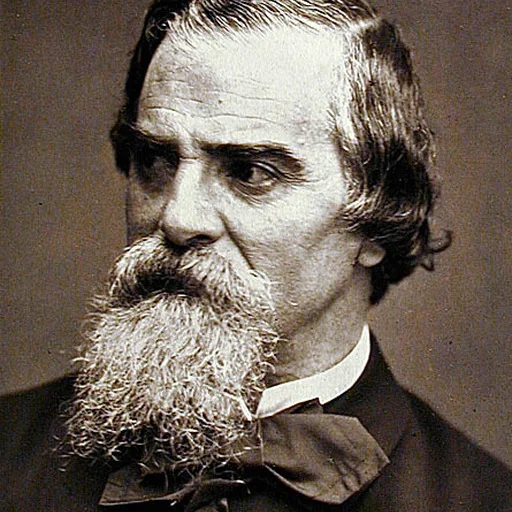
Narcisse Virgilio Díaz (1807–1876) was a French artist, born in Bordeaux.