Artwork
Path in the Forest
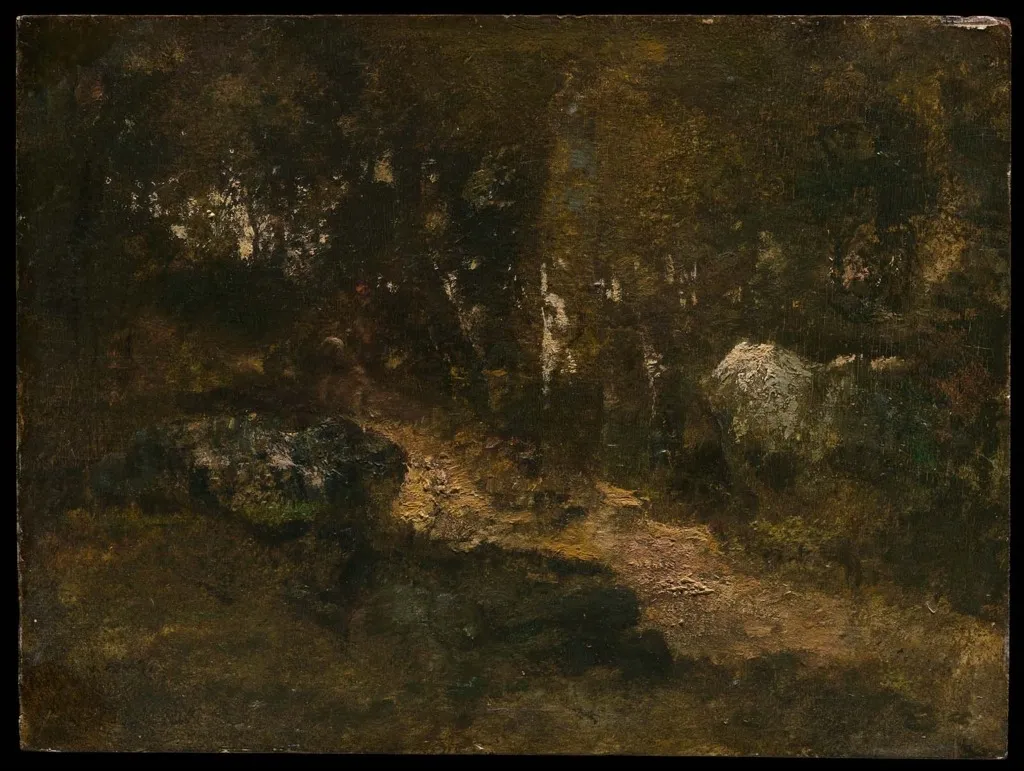
Path in the Forest is an unspecified painting by the Barbizon school artist Narcisse Virgilio Díaz. It dates from 1835 and is held in the collection of the Museum of Fine Arts Boston.
About this work
Overview
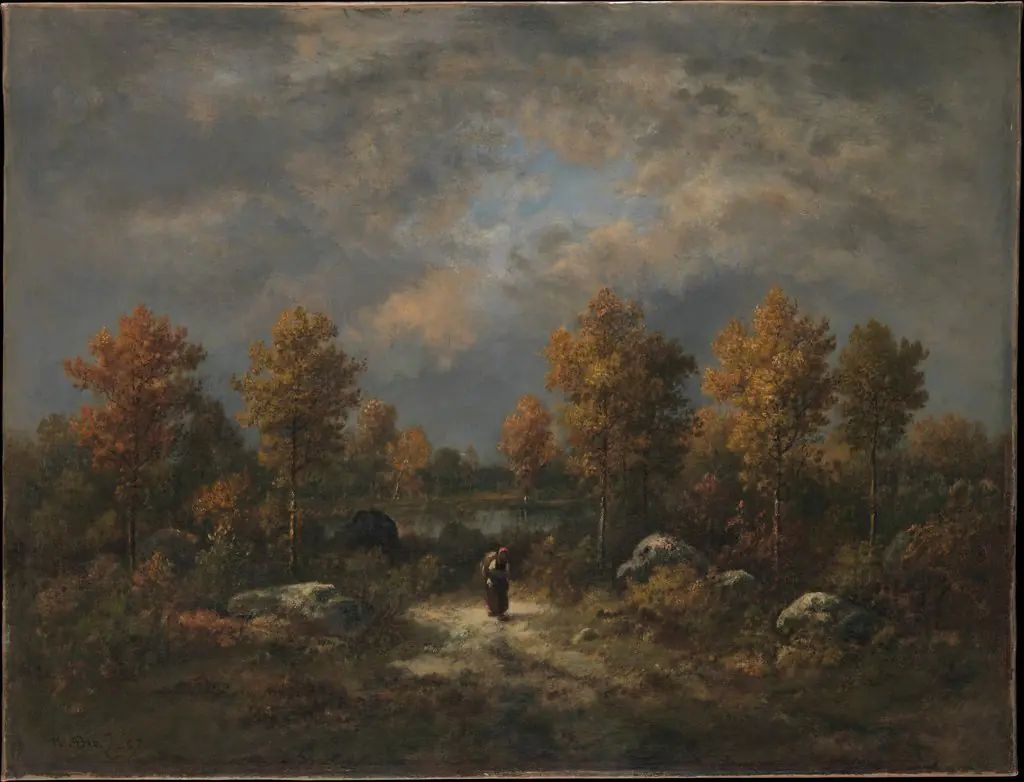
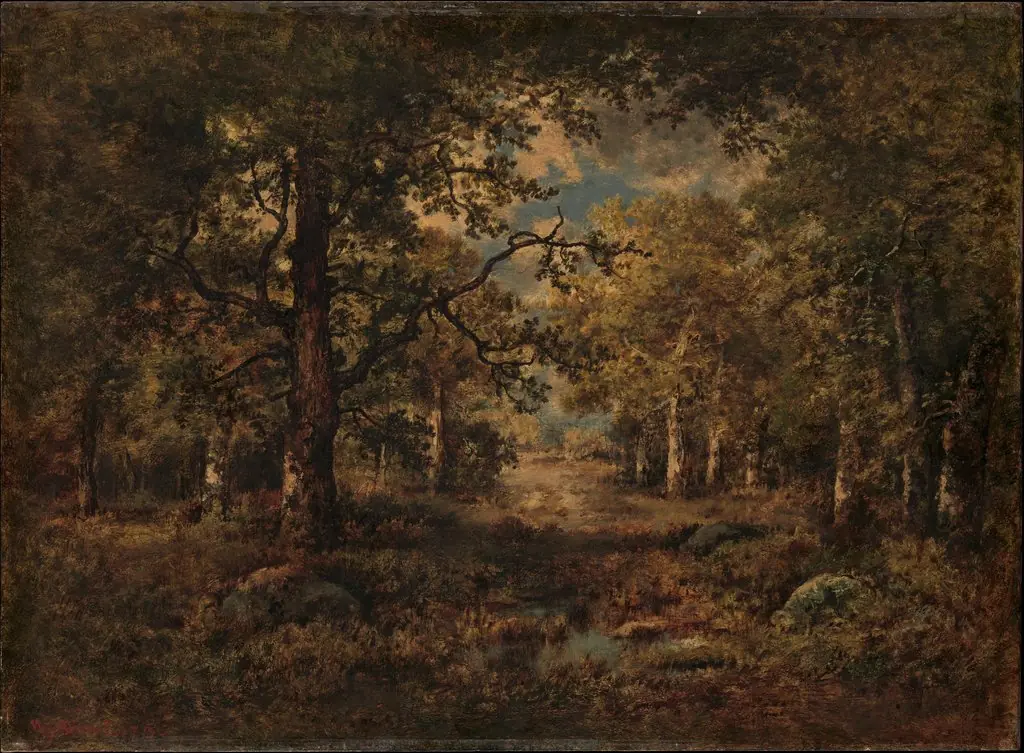
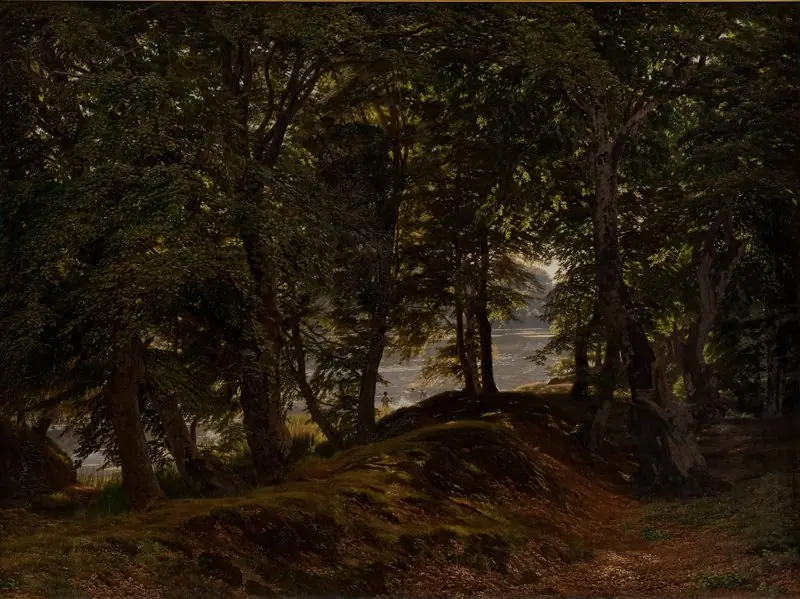
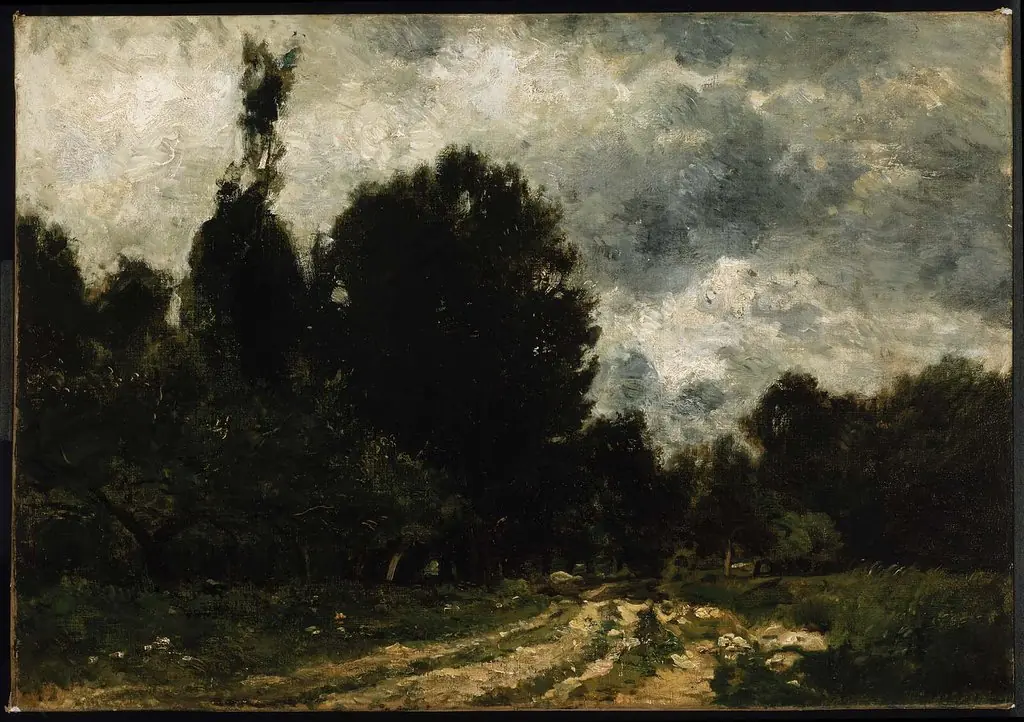
Painted in 1835 by Narcisse Virgilio Díaz, Path in the Forest is a landscape depicting a narrow trail winding through a dense woodland. Executed in oil, the work reflects the artist’s early engagement with naturalistic scenery and atmospheric effects. It is part of the collection at the Museum of Fine Arts, Boston, where it represents a quiet moment in 19th-century French landscape painting.
Subject & Meaning
The painting presents an unpopulated forest path, inviting contemplation rather than narrative. The absence of figures emphasizes solitude and the quiet persistence of nature. The receding trail suggests a journey without clear destination, evoking themes of introspection and the sublime in the natural world, common in Romantic-era sensibilities.
Technique & Style
Brushwork varies between fine detailing of bark and foliage and broader, looser strokes for shadows and distant trees.
Díaz employed a restrained palette of browns, greens, and grays to convey the forest’s somber mood. Brushwork varies between fine detailing of bark and foliage and broader, looser strokes for shadows and distant trees. The interplay of light filtering through the canopy and the textured ground creates a tactile sense of depth, characteristic of his developing style before his later Barbizon affiliations.
History & Provenance
Created in 1835, the painting predates Díaz’s association with the Barbizon School but shows early signs of his interest in direct observation of nature. It entered the Museum of Fine Arts, Boston, through a private acquisition in the late 19th century and has remained in the museum’s collection since, representing a formative phase in the artist’s career.
Context
In the 1830s, French artists began turning away from idealized historical landscapes toward more intimate, observed natural scenes. Díaz’s Path in the Forest aligns with this shift, reflecting a growing interest in rural environments as subjects worthy of serious artistic attention, even before the formal emergence of the Barbizon movement.
Legacy
Though less known than his later works, this early painting illustrates Díaz’s foundational approach to light and texture in natural settings. It contributes to the broader narrative of French landscape painting’s evolution, bridging academic traditions and the more spontaneous realism that would follow in the decades after.
Artist & collection
Artist
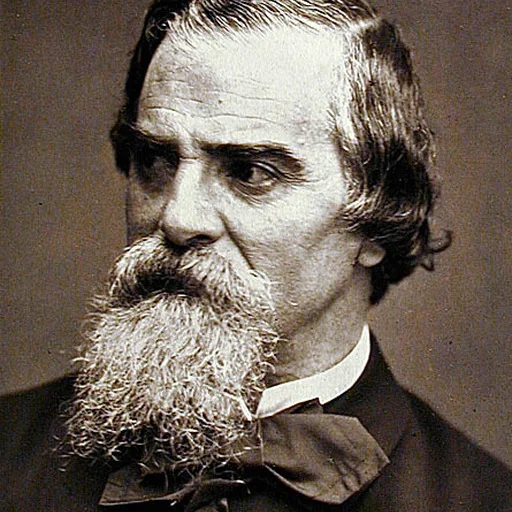
Narcisse Virgilio Díaz (1807–1876) was a French artist, born in Bordeaux.

 Et skyggefuldt sted i Hestehave ved Frederiksborg
 Pejzaż
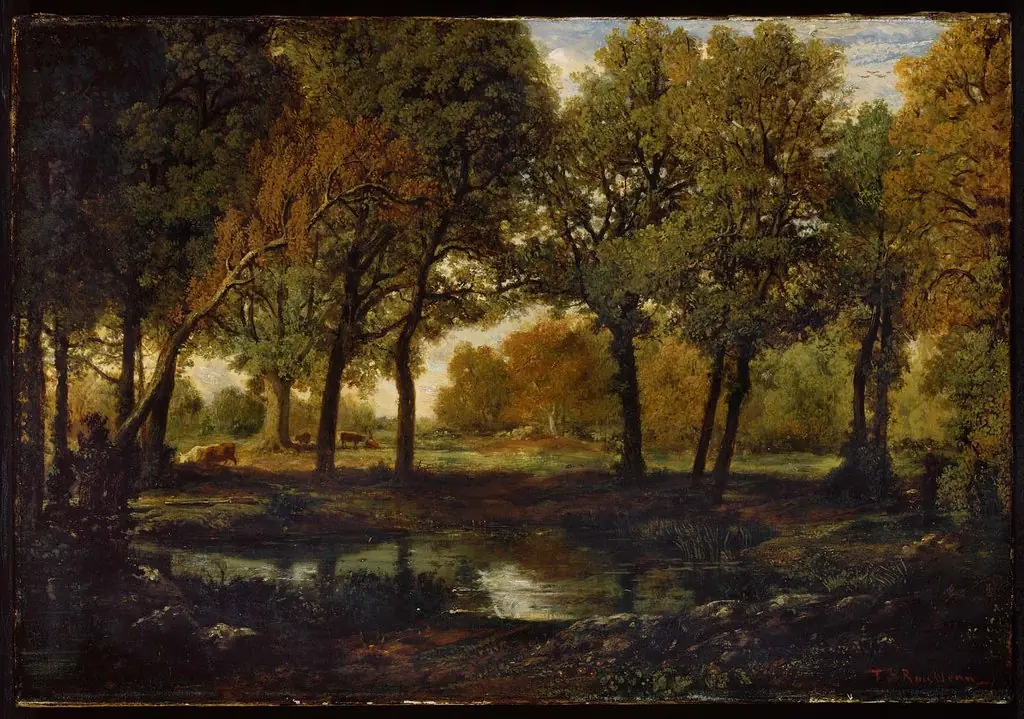 Pool in the Forest
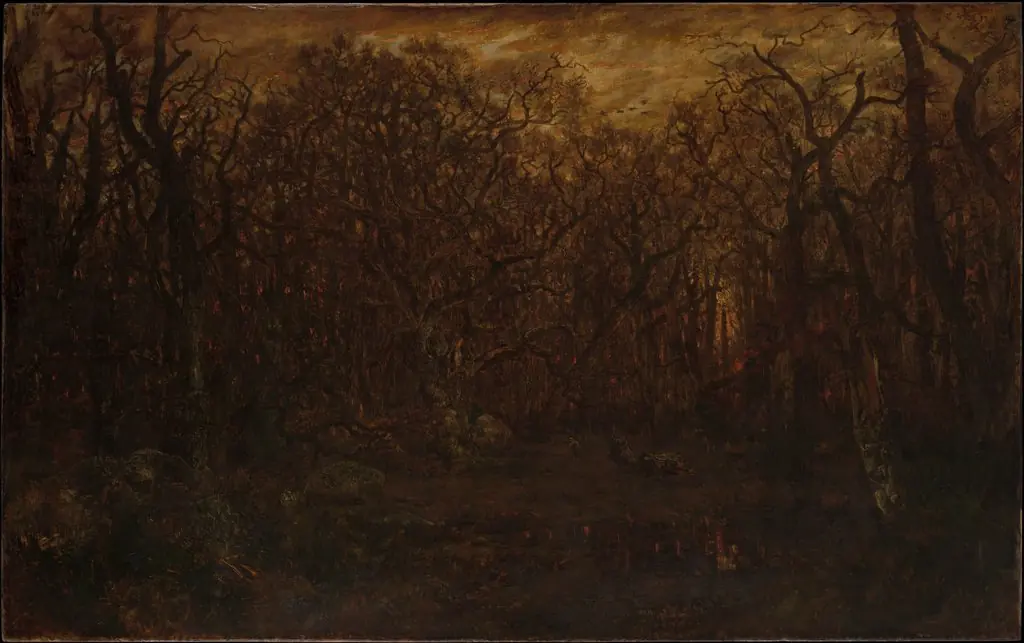 The Forest in Winter at Sunset
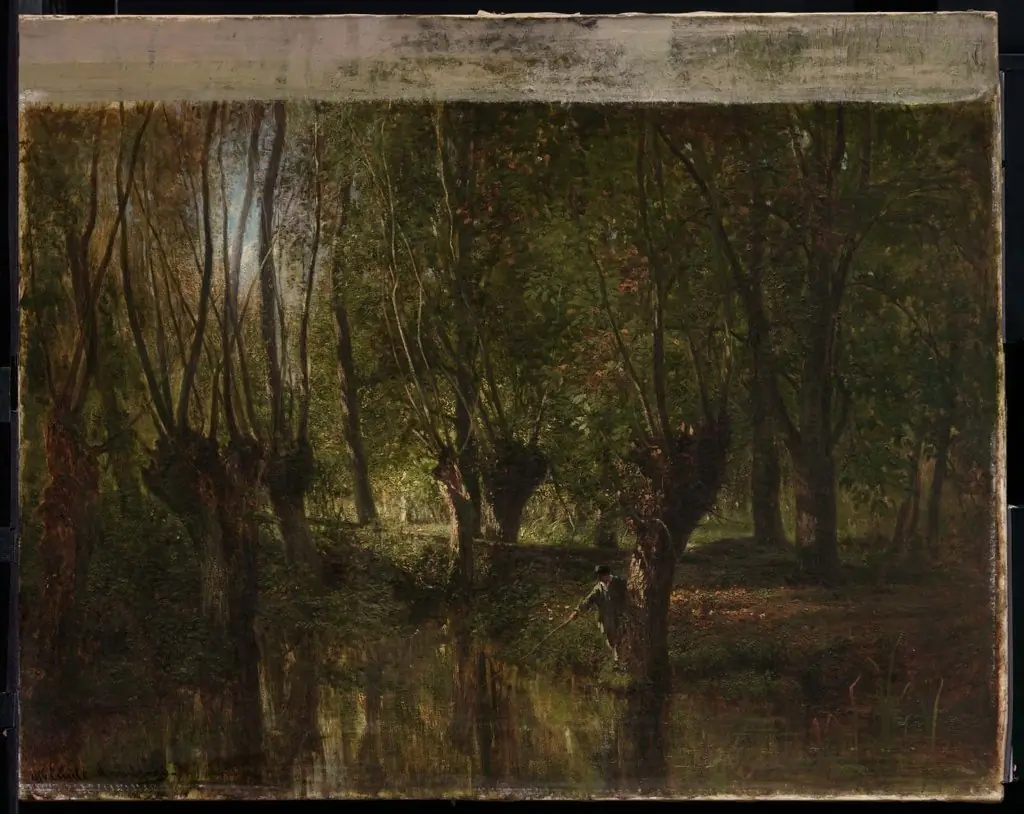 Young Man Fishing beneath Willow Trees
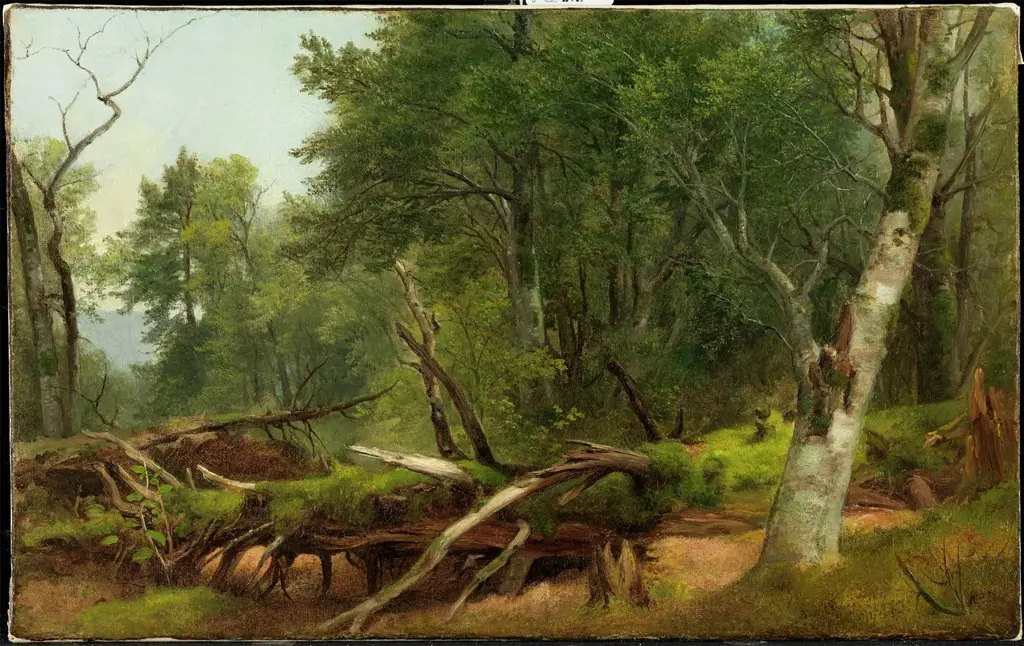 Forest Scene in the Catskills
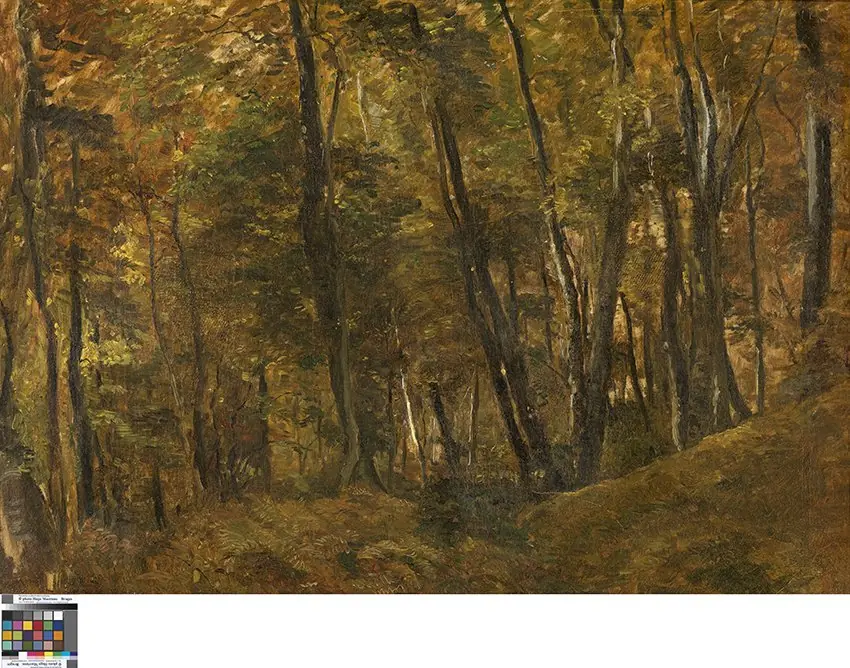 Bos van Terhulpen
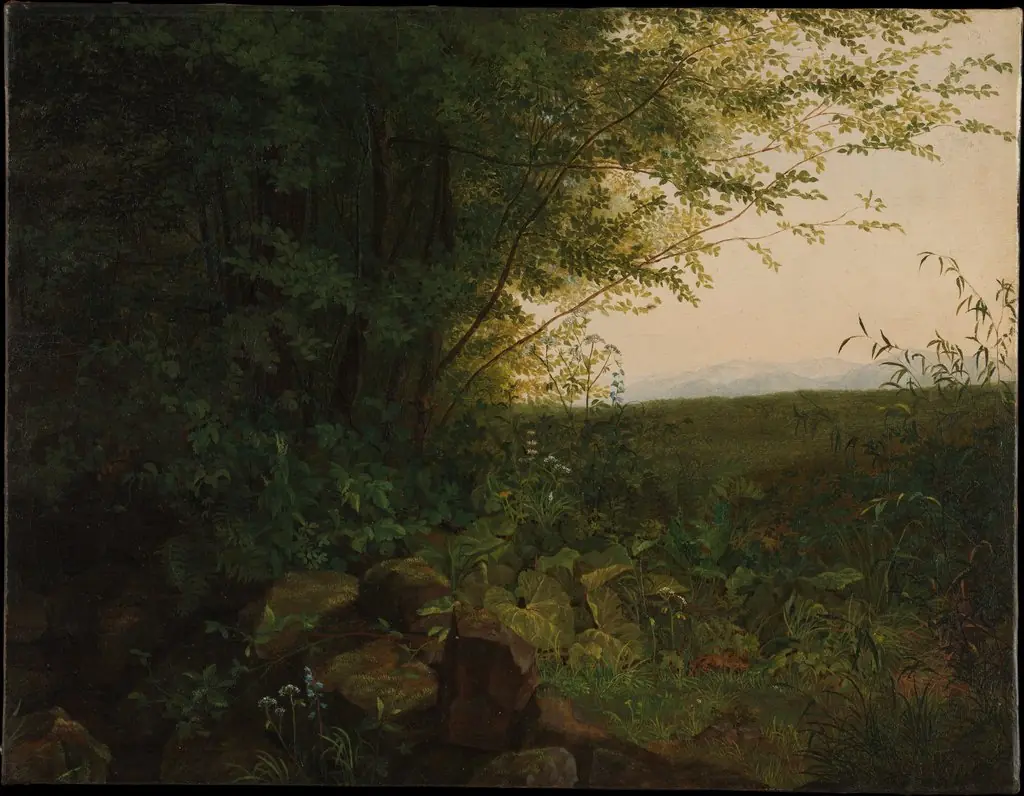 At the Edge of the Forest
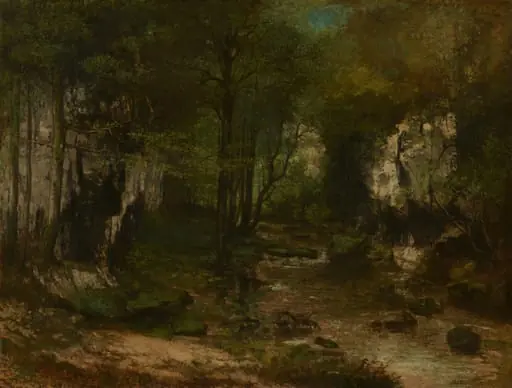 The Stream (Le Ruisseau du Puits-Noir; vallée de la Loue)
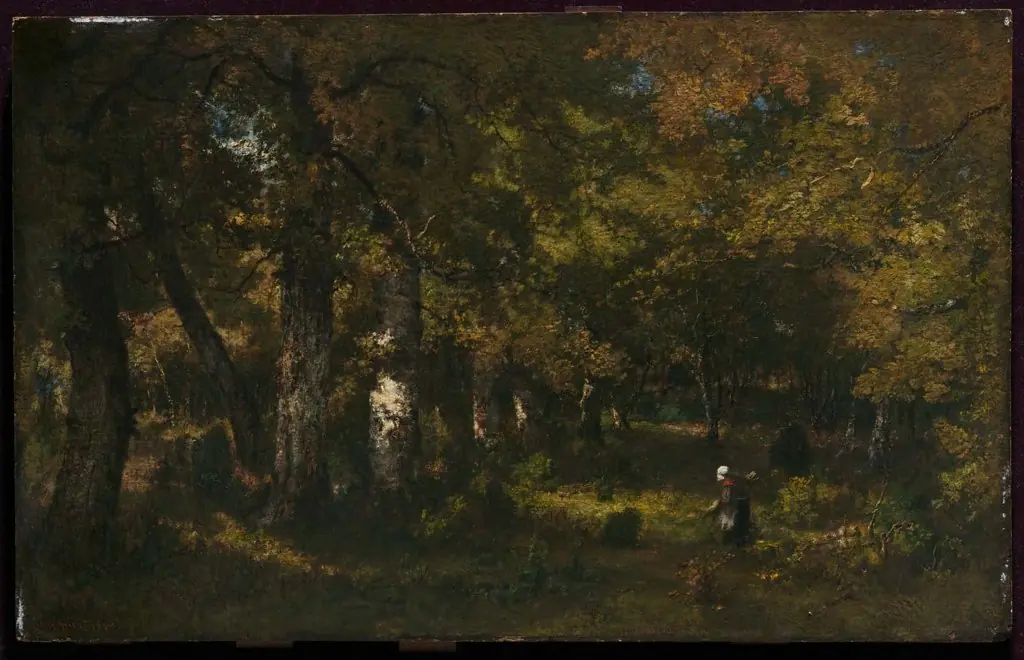 Forest Interior
 By the Sea
 Road through the Forest