Artwork
Colonel Augustus James Pleasonton
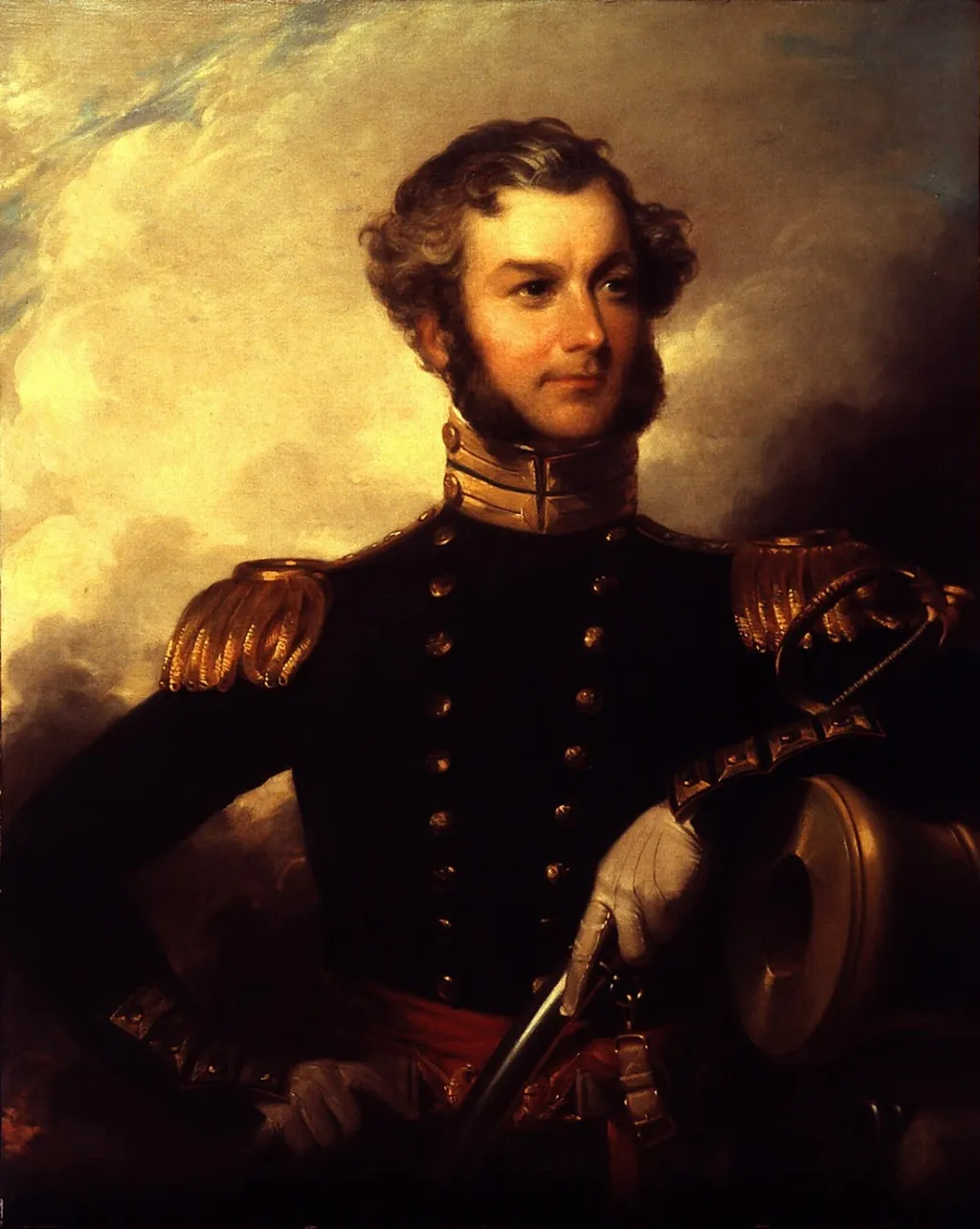
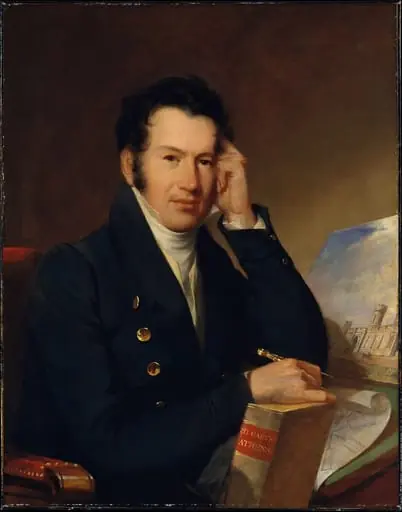
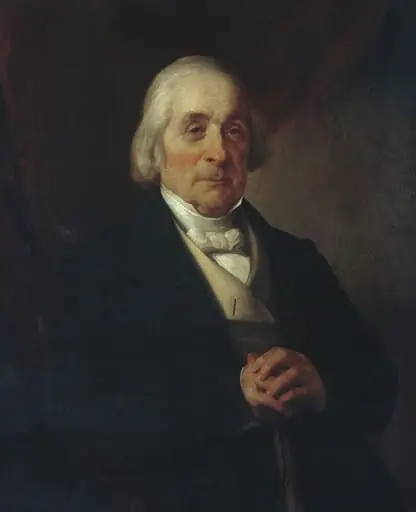
Colonel Augustus James Pleasonton is an oil painting by the American Folk Art artist John Neagle. It dates from 1846 and is held in the collection of the National Gallery of Art.
About this work
The painting shows a man in a formal uniform, sitting in a chair.
He looks straight at us with a serious expression.
This portrait is interesting because it was made in 1846, a time when photography was still new, so painted portraits like this were still very important.
You can learn more about the artist's style by looking at the work of artist: Neagle, John.
Overview
The subject is presented in a formal uniform, seated and gazing directly forward with a serious demeanor.
This oil on canvas painting, created by John Neagle in 1846, depicts Colonel Augustus James Pleasonton. The subject is presented in a formal uniform, seated and gazing directly forward with a serious demeanor. As a painted portrait, it served a significant role during a period when new photographic technologies were beginning to emerge, yet traditional portraiture retained its importance for capturing individual likeness and status.
Subject & Meaning
Colonel Augustus James Pleasonton is portrayed in a seated position, wearing a formal uniform that suggests his military or official standing. His direct gaze and serious expression convey a sense of authority and presence. The portrait functions not merely as a record of his appearance but also as a representation of his public identity and the societal expectations associated with his rank in the mid-19th century.
Context
Executed in 1846, this portrait by John Neagle was produced during a transitional era for visual representation. While photography was in its nascent stages, traditional painted portraits like this one remained the primary means for individuals to commission and display their likeness. Such works were highly valued for their ability to capture detail and convey social standing, predating the widespread accessibility and acceptance of photographic images.
Technique & Style
John Neagle employed oil on canvas for this work, a common and versatile medium for portraiture in the 19th century. The artist's approach to rendering Colonel Pleasonton emphasizes a clear, detailed depiction of the sitter's features and uniform. This style aligns with the conventions of formal portraiture of the period, aiming for a realistic and dignified representation that would endure as a visual record.
Own this work as a print
Artist & collection

Artist
John Neagle (November 4, 1796 – September 17, 1865) was a fashionable American painter, primarily of portraits, during the first half of the 19th century in Philadelphia.