Artwork
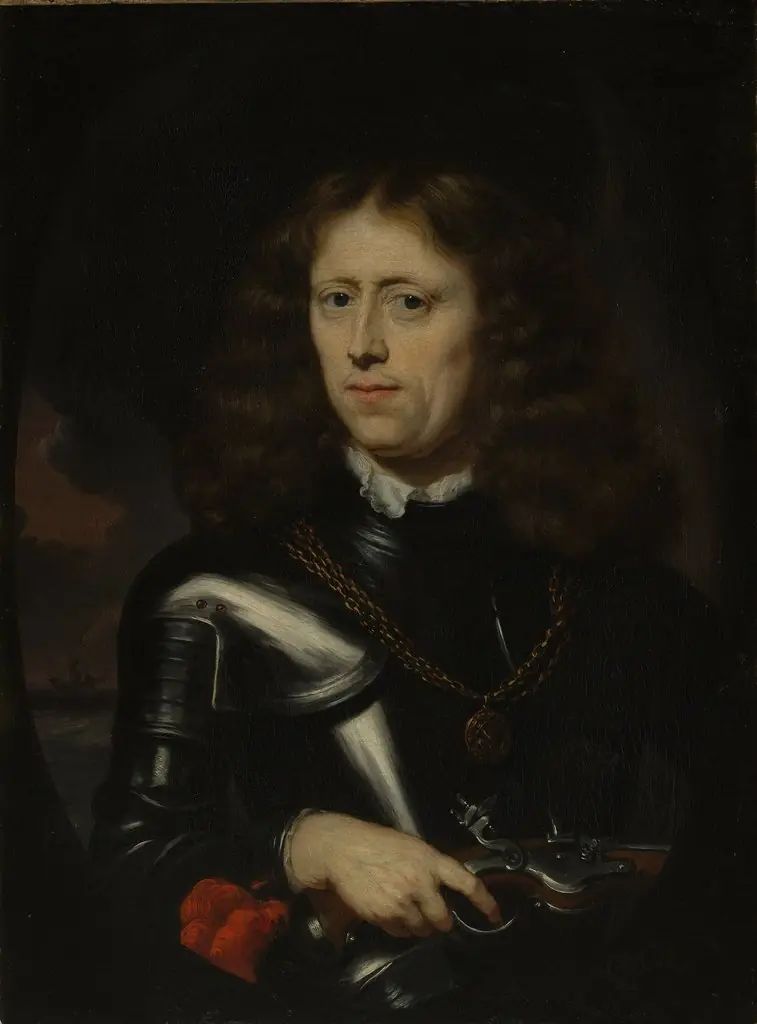
Portrait of Pieter Groenendijk
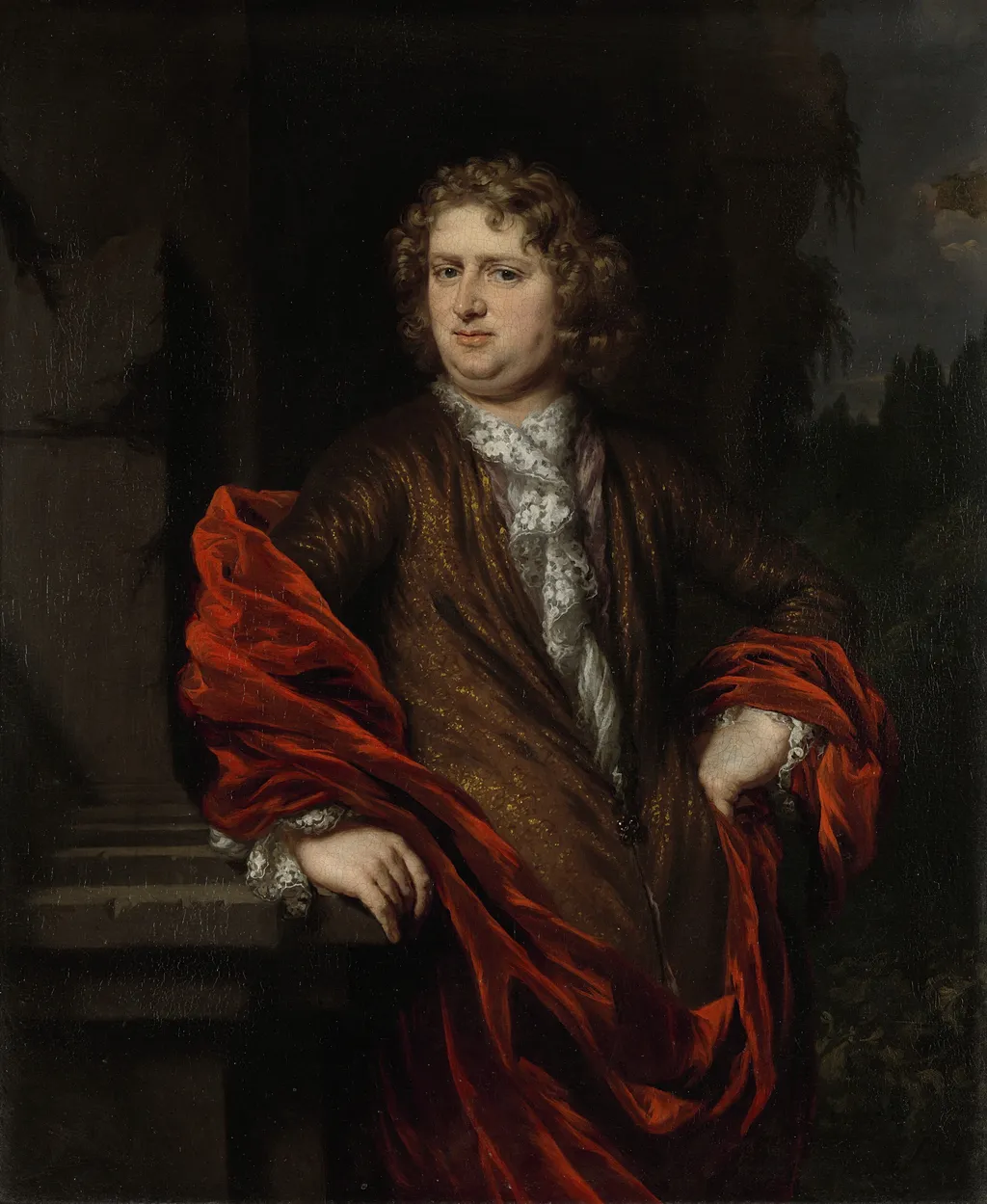
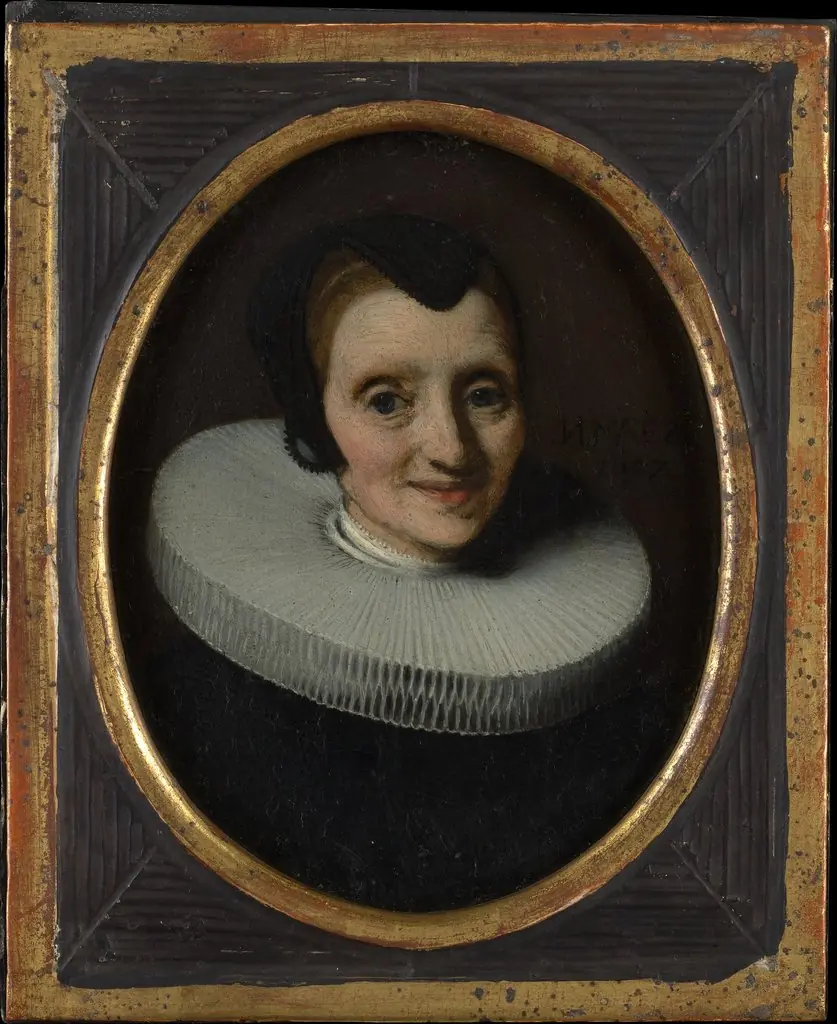
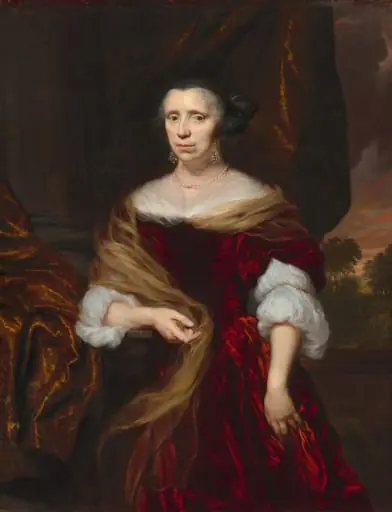
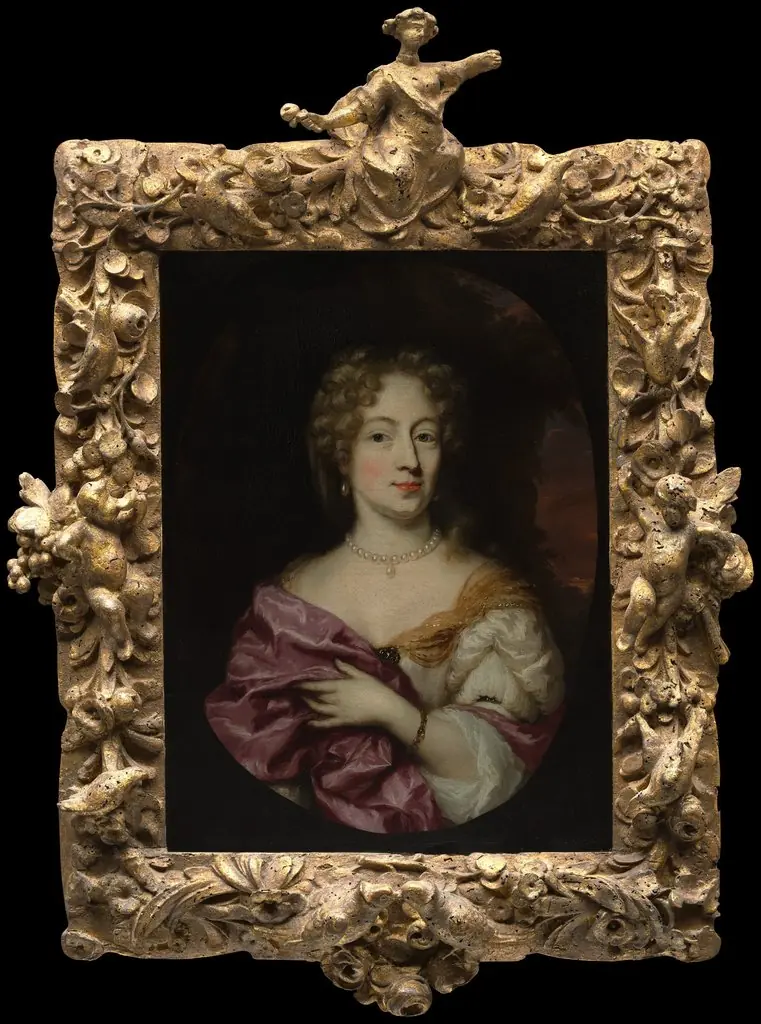
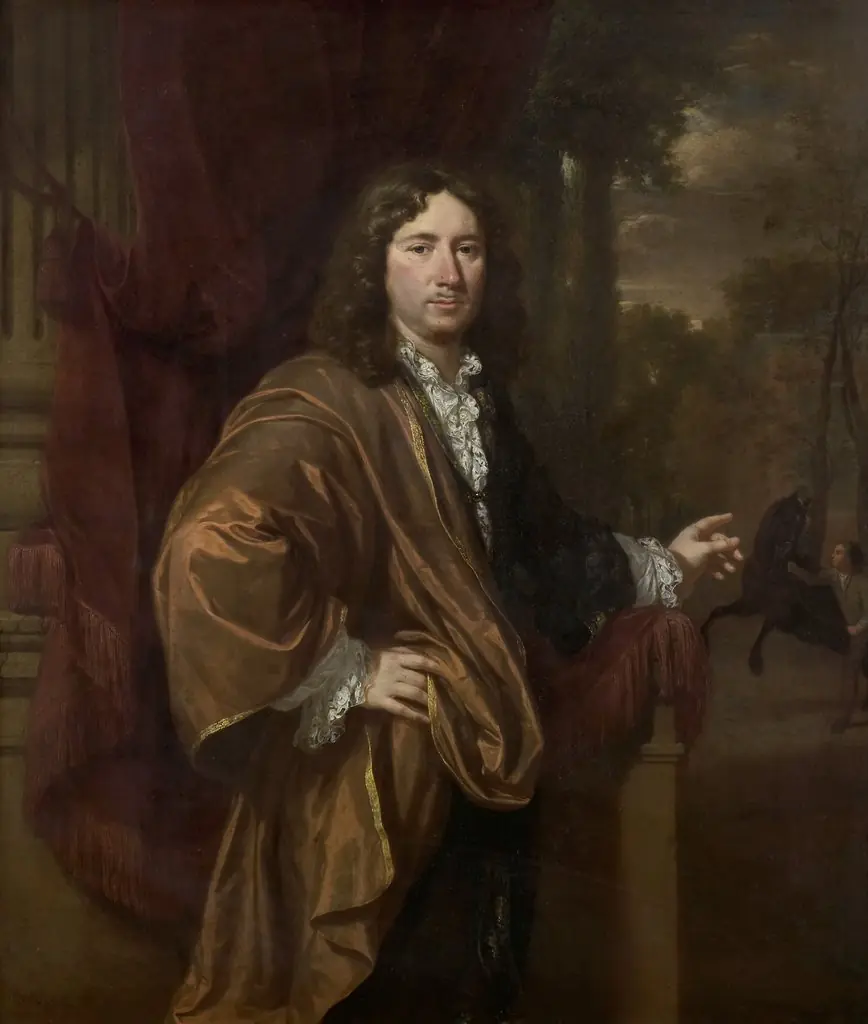
Portrait of Pieter Groenendijk is an oil painting by the Dutch Golden Age artist Nicolaes Maes. It dates from 1690 and is held in the collection of the Rijksmuseum.
About this work
Overview
Nicolaes Maes executed this oil portrait in 1690, during the later phase of his career in Amsterdam. A product of the Dutch Golden Age, the work exemplifies the period’s emphasis on realistic, individualized representation, and it marks Maes’s emergence as the city’s foremost portraitist after his earlier activity in Dordrecht.
Subject & Meaning
The sitter is Pieter Groenendijk, presented in formal attire that signals status. He wears a dark, richly embroidered robe and a white lace collar, his hair neatly curled. His composed expression and poised hand on a red curtain suggest a dignified, perhaps civic, identity typical of late‑17th‑century Dutch portraiture.
Technique & Style
Maes employs chiaroscuro, contrasting illuminated areas of the face and hands with a deep, shadowed background. The red curtain serves as a focal plane, enhancing the three‑dimensional effect. The brushwork captures the texture of fabric and lace, while the controlled lighting underscores the sitter’s features.
History & Provenance
Created in Amsterdam, the painting remained within Dutch collections for much of its early history. It later entered museum holdings, where it is displayed as an example of Maes’s mature portraiture and of the broader artistic output of the Netherlands in the late 1600s.
Own this work as a print
Artist & collection
Artist
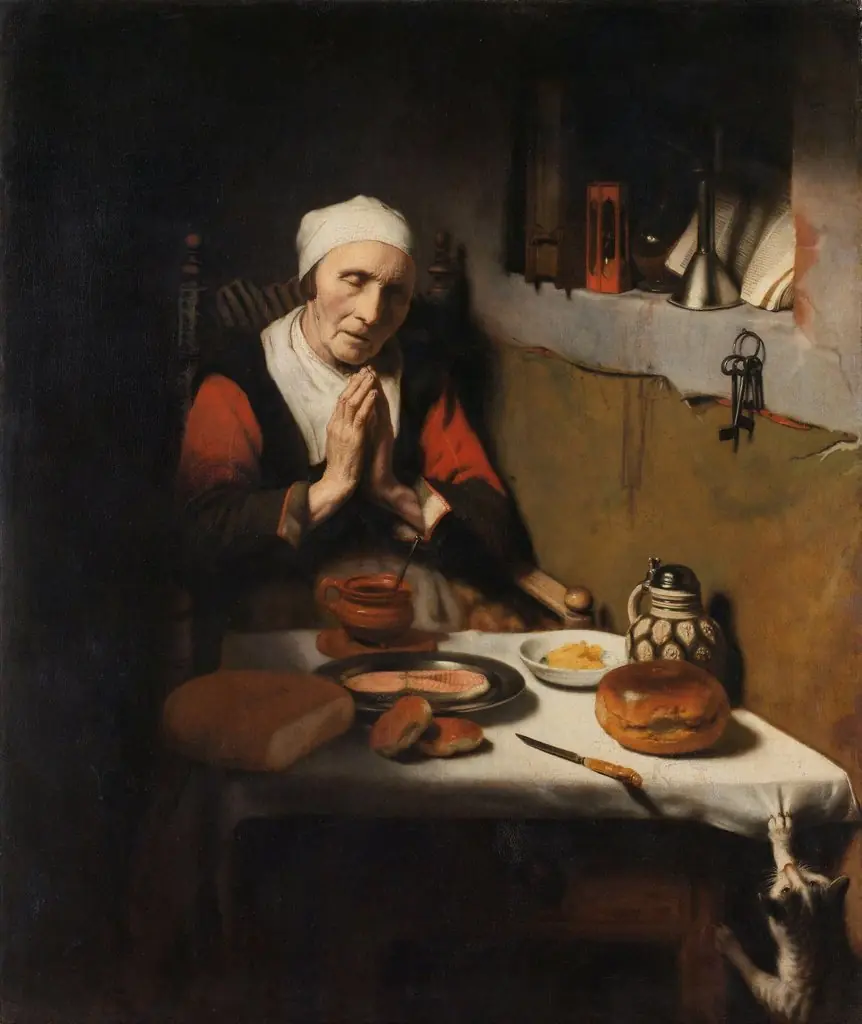
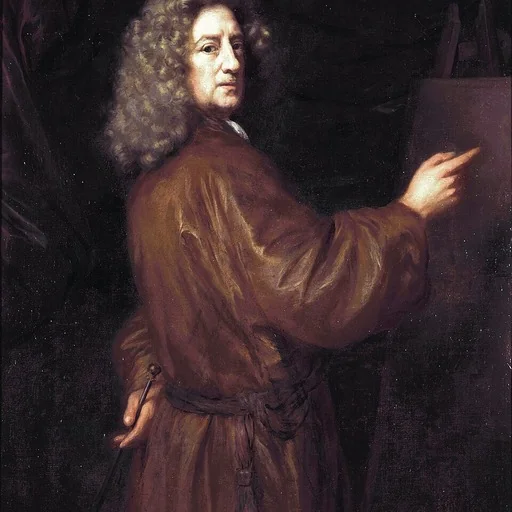
Nicolaes Maes (January 1634 – December 1693; buried 24 December 1693) was a Dutch painter known for his genre scenes, portraits, religious compositions and the occasional still life.