Artwork
The Amorous Turk
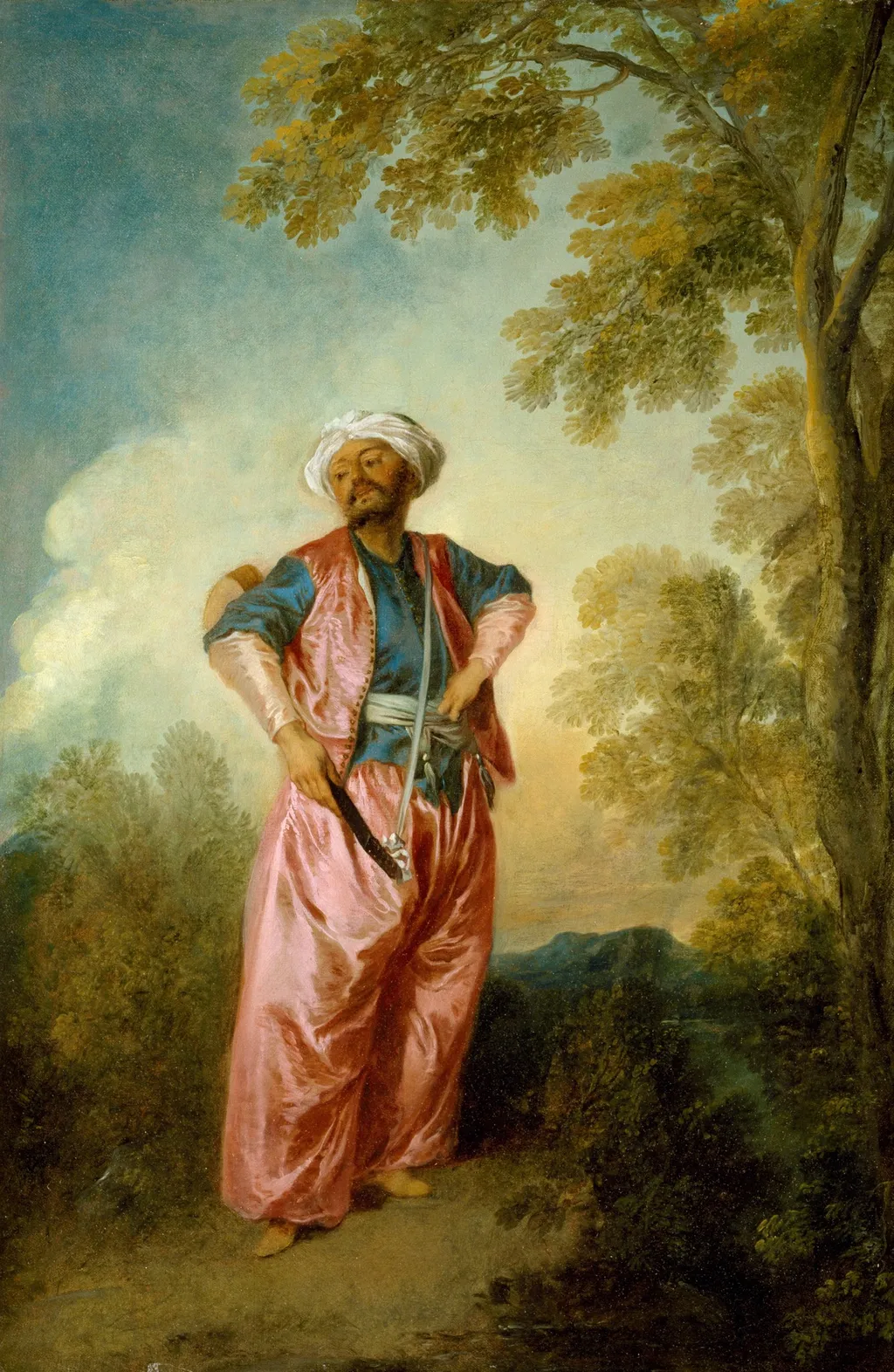
The Amorous Turk is an oil painting by the Rococo painting artist Nicolas Lancret. It dates from 1726 and is held in the collection of the Museum of Fine Arts, Houston.
About this work
Overview
It captures a moment of staged intimacy within an idealized natural setting, reflecting the era’s fascination with leisure, fantasy, and theatrical roles.
Painted around 1726 by Nicolas Lancret, *The Amorous Turk* is an oil-on-canvas work rooted in the Rococo tradition. It captures a moment of staged intimacy within an idealized natural setting, reflecting the era’s fascination with leisure, fantasy, and theatrical roles. Lancret, known for scenes of French aristocratic life, here blends reality with imagined exoticism to suit the decorative sensibilities of early 18th-century Parisian patrons.
Subject & Meaning
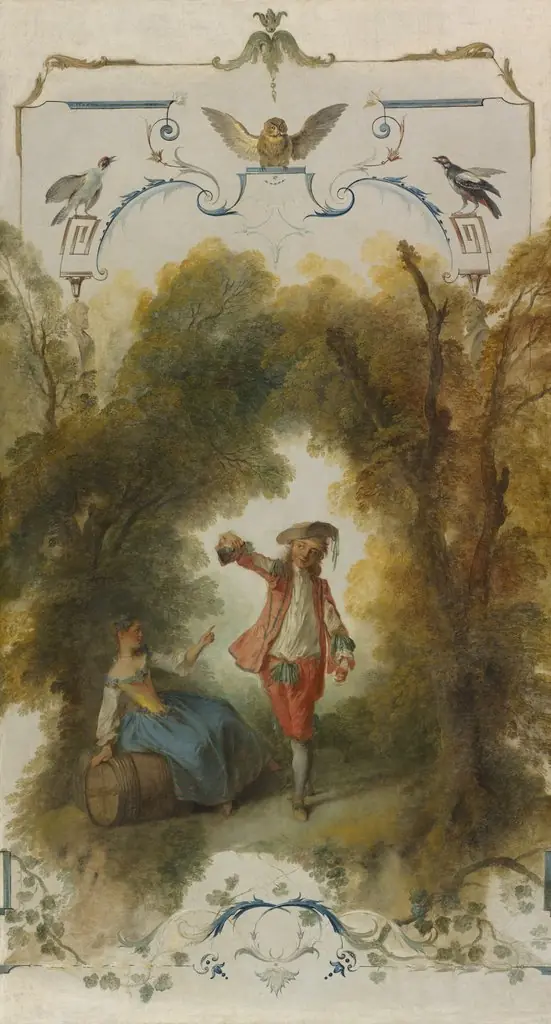
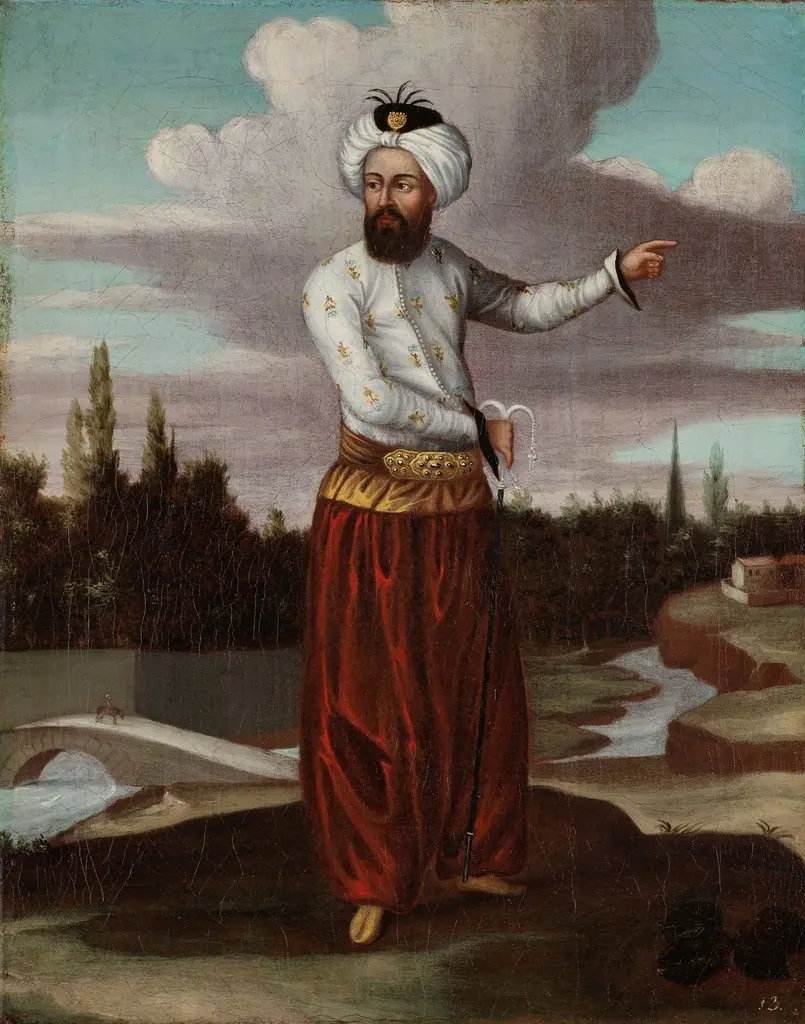
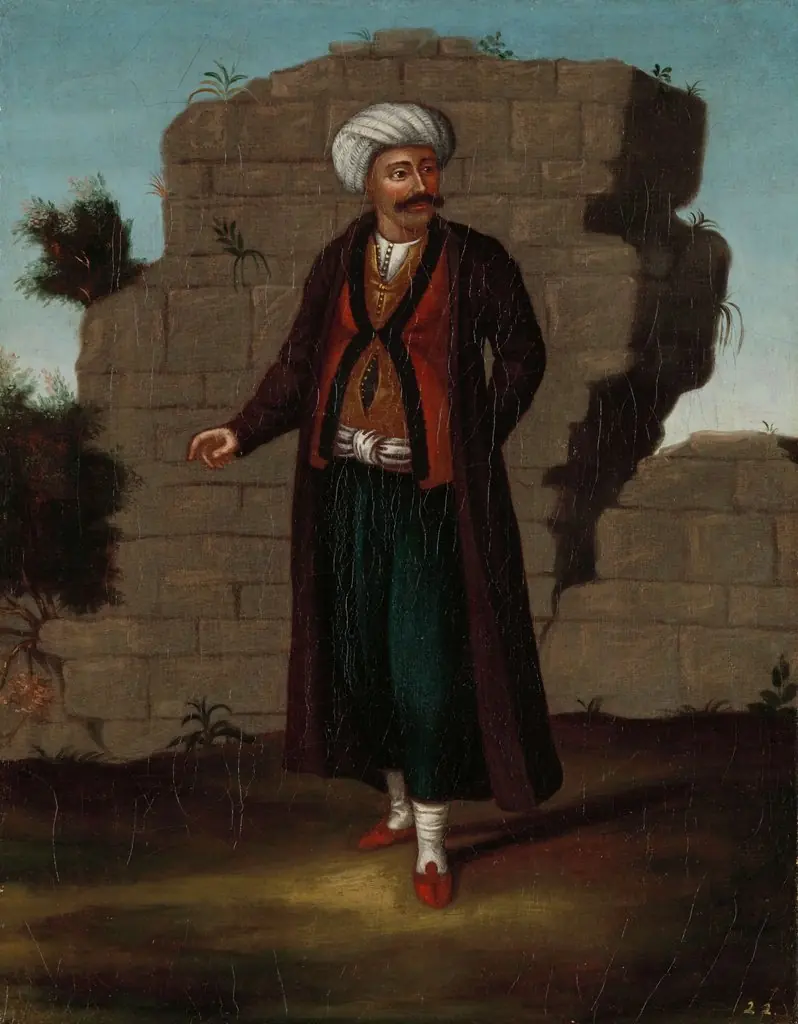
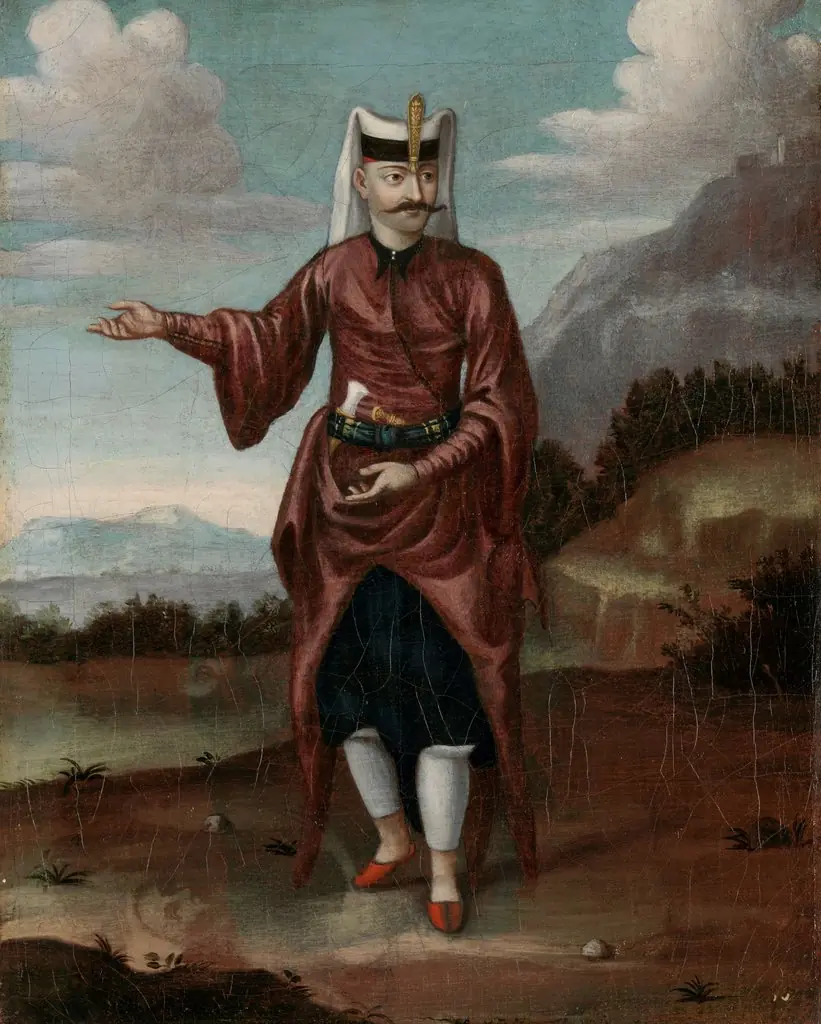
The figure, dressed in a pink vest, blue shirt, and white turban, holds a sword while standing amid dense foliage. His attire evokes Orientalist fantasy rather than historical accuracy, signaling a fashionable trope of the time: the exotic lover as a symbol of romantic intrigue. The scene suggests flirtation and performative desire, aligning with the period’s preference for lighthearted, allegorical narratives over moral or historical gravity.
Technique & Style
Lancret employs soft brushwork and a delicate palette to create a sense of atmospheric depth. Light filters through the trees, casting subtle shadows that model the figure’s form without harsh contrast. The composition is asymmetrical yet balanced, with figures and foliage arranged to guide the eye through a leisurely, dreamlike space. His handling of fabric and foliage demonstrates a refined grasp of texture and tonal gradation typical of Rococo painting.
History & Provenance
The painting was likely commissioned by a French collector during the Regency period, when tastes favored whimsical, decorative art. It remained in European collections before entering the Museum of Fine Arts, Houston, where it is now held. Its journey reflects the broader 19th- and 20th-century interest in French Rococo works as exemplars of aristocratic culture and aesthetic refinement.
Context
In early 18th-century France, after the austerity of Louis XIV’s reign, aristocratic circles embraced lighter themes in art and life. The 'Turk' motif, though culturally inaccurate, was a popular device in theater and painting, symbolizing exotic romance and escape. Lancret’s work fits within this trend, responding to a society that valued charm, elegance, and the illusion of carefree indulgence.
Legacy
Though not widely exhibited today, *The Amorous Turk* remains a representative example of Rococo’s engagement with fantasy and social performance. It illustrates how European artists used imagined foreignness to explore themes of desire and identity, influencing later Orientalist traditions. Its presence in a major American museum underscores its role in shaping Western perceptions of the East during the Enlightenment era.
Own this work as a print
Artist & collection
Artist
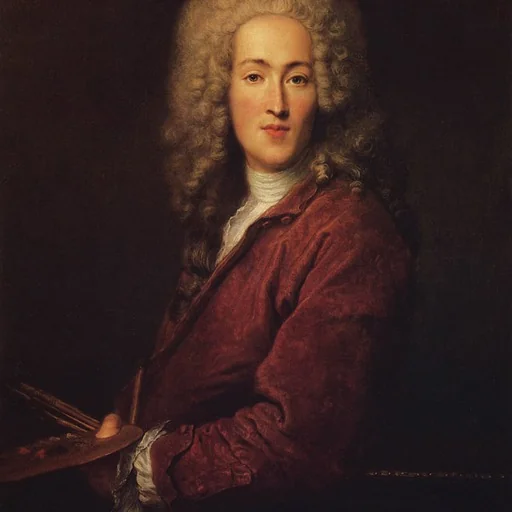
Nicolas Lancret (French pronunciation: ; 22 January 1690 – 14 September 1743) was a French painter.