Artwork
Afro Lunar Lovers
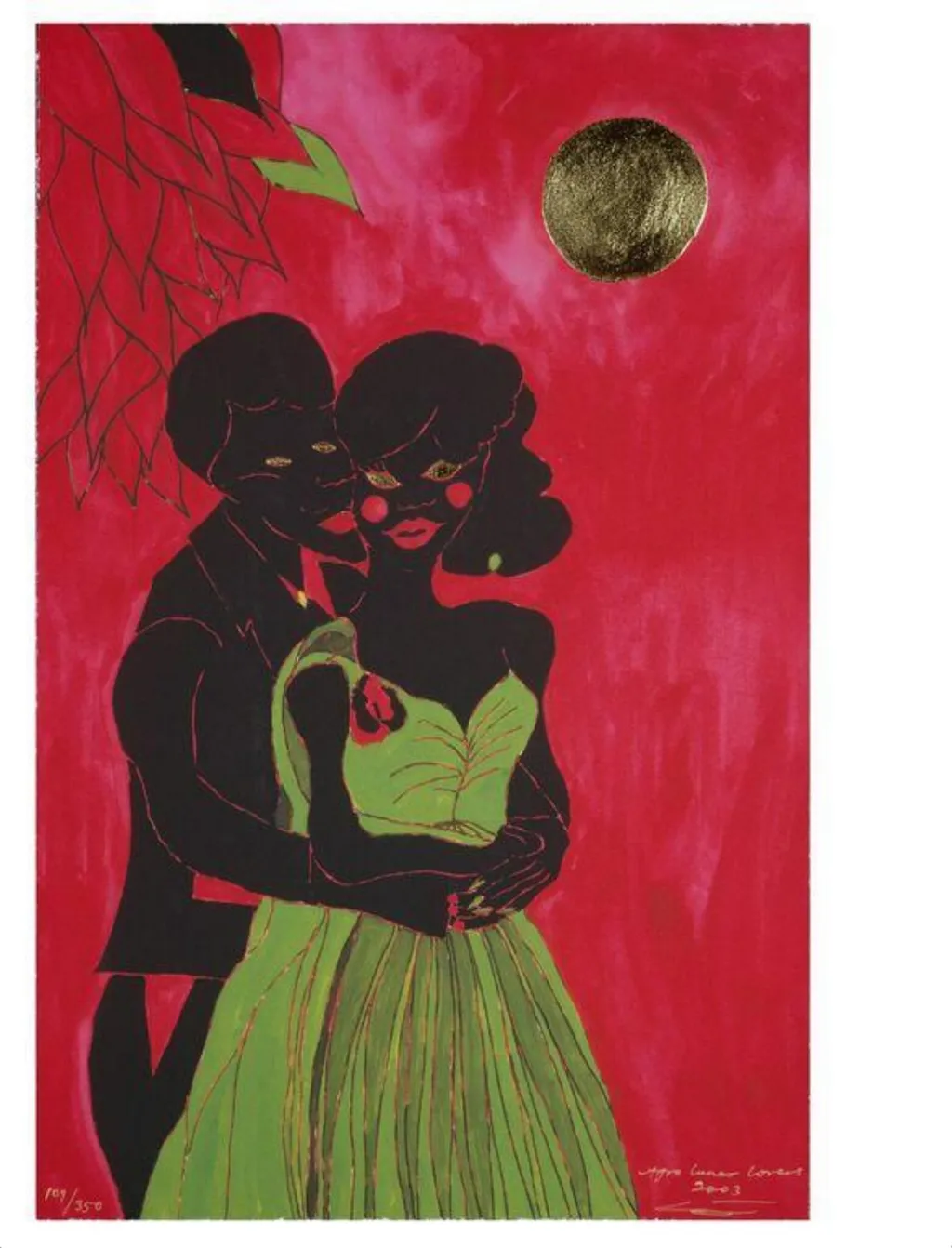
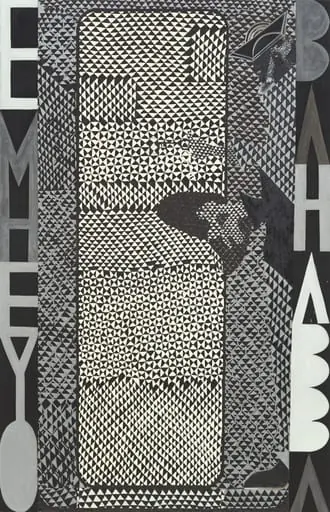
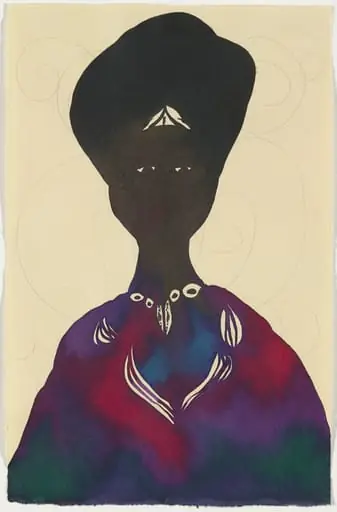
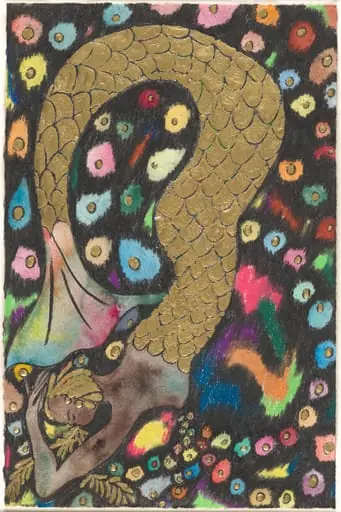
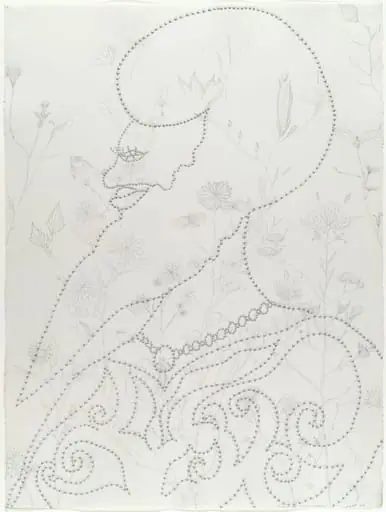
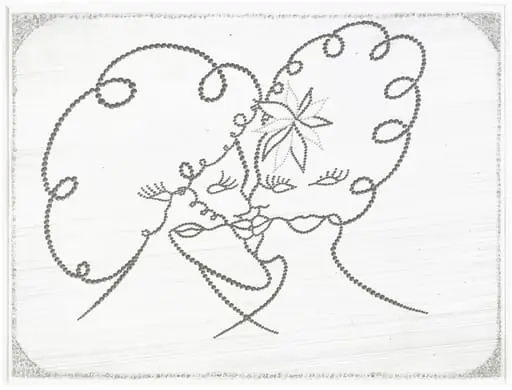
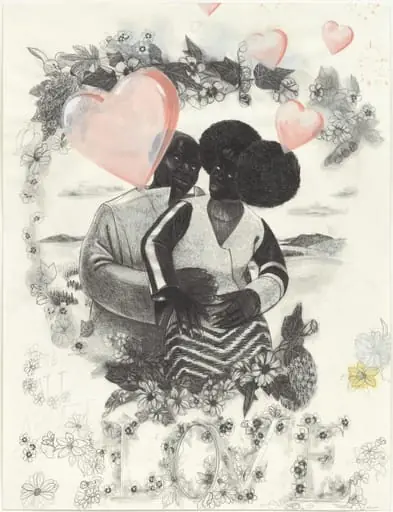
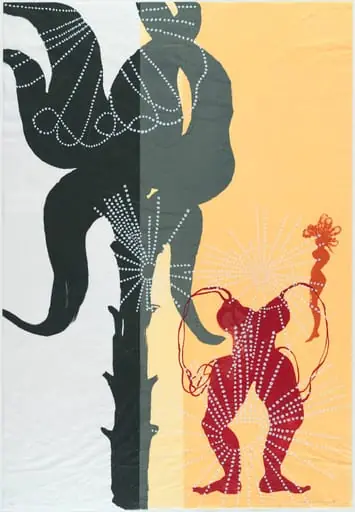
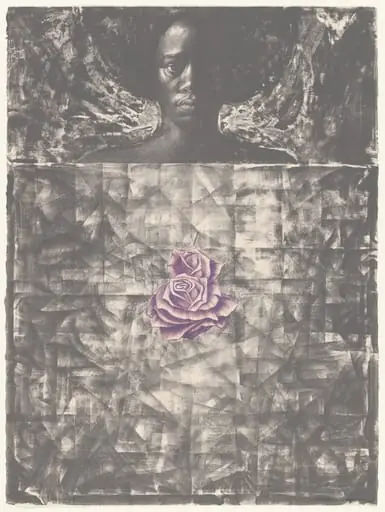
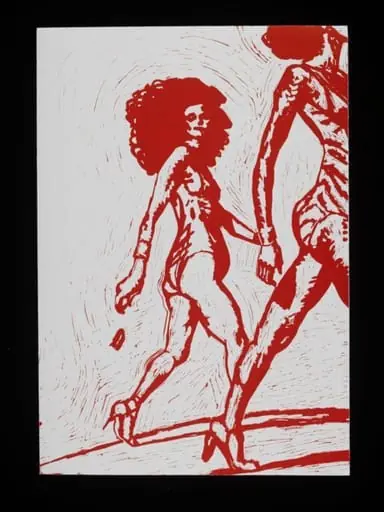
Afro Lunar Lovers is a print by Chris Ofili. It dates from 2003 and is held in the collection of the Victoria and Albert Museum.
About this work
It fits into his bold, sometimes controversial work about black identity.
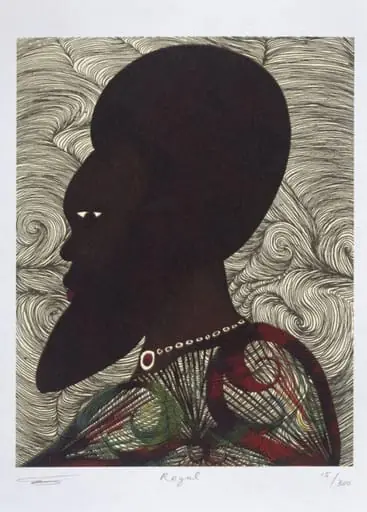
Chris Ofili’s *Afro Lunar Lovers* is a print from 2003. It fits into his bold, sometimes controversial work about black identity. The image plays with stereotypes but also pushes back against them.
Ofili mixes humor, respect, and sharp social comment. He often uses bold references to pop culture and history.
His art asks us to rethink what “black art” can look like. To see more of his work, look up the artist: Ofili, Chris.
Overview
Afro Lunar Lovers is a 2003 print by Chris Ofili, part of a series exploring African nationalism and black identity through romantic imagery, blending irony, tenderness, and complexity.
Subject & Meaning
The print depicts a loving black couple, subverting stereotypes while acknowledging them. It asserts the diversity of 'black art' beyond conventional expectations, promoting a nuanced representation of black identity.
Technique & Style
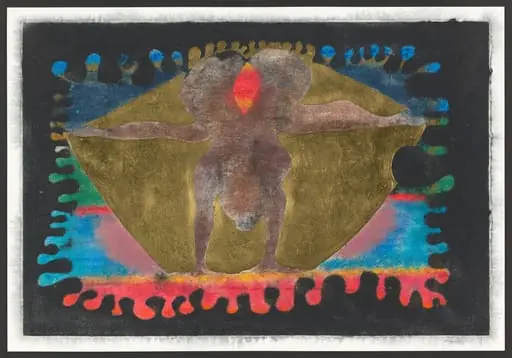
Ofili's use of translucent and luminous qualities in the print reflects the characteristics of his paintings. The palette predominantly features red, green, and black, referencing the Pan-African flag.
History & Provenance
Created in 2003 in collaboration with Victoria Miro gallery, this work coincided with Ofili's representation of Britain at the Venice Biennale that year, marking a peak in his exploration of African nationalist themes.
Context
Afro Lunar Lovers is situated within Ofili's broader practice of challenging stereotypes through references to 'blaxploitation,' historical figures like Marcus Garvey, and pop culture, encouraging reevaluation of 'black art'.
Artist & collection
Artist
Christopher Ofili (born 10 October 1968) is a British painter who won the Turner Prize in 1998.