Artwork
Hercules, Deianira and the Centaur Nessus
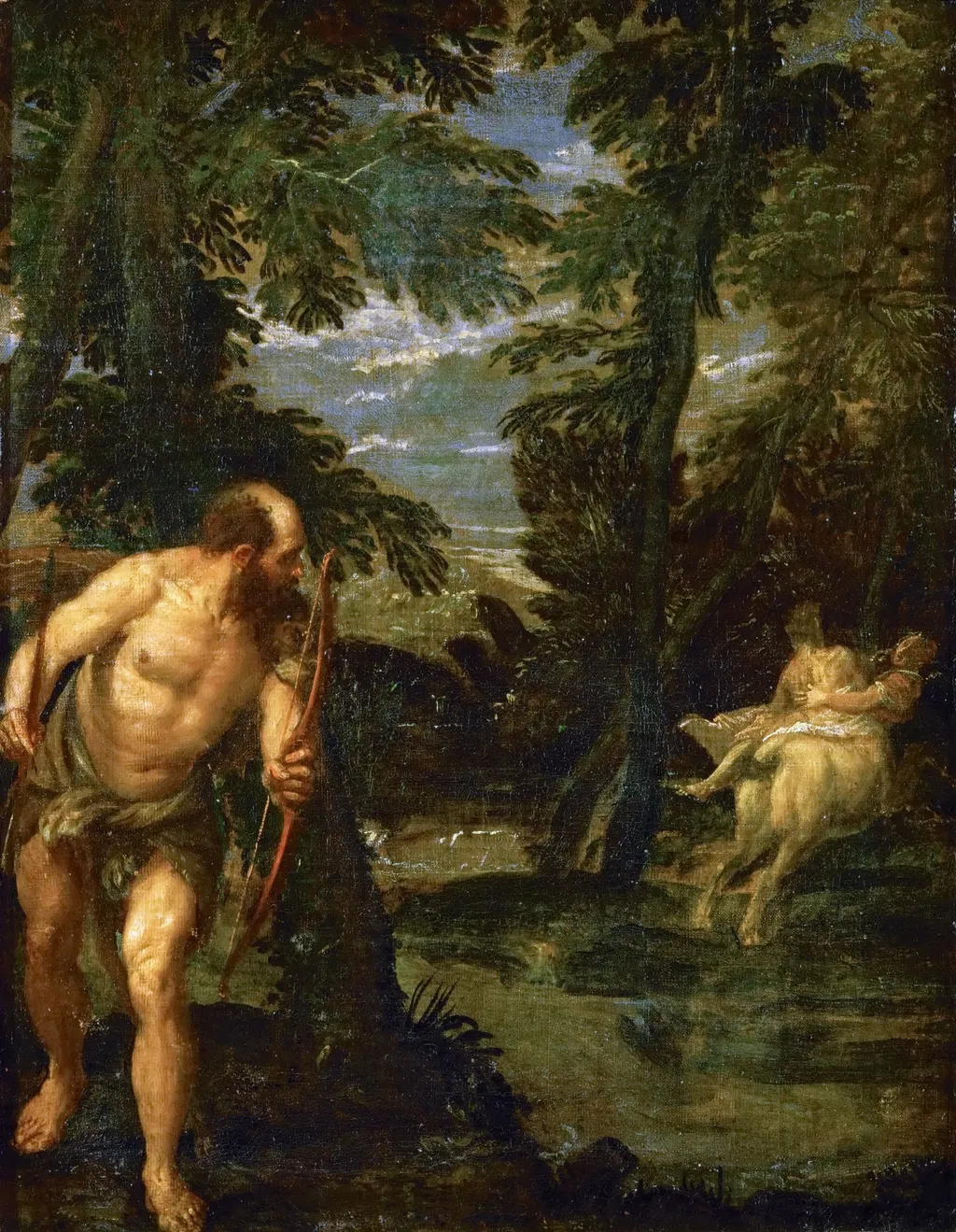
Hercules, Deianira and the Centaur Nessus is an oil painting by the Mannerist artist Paolo Veronese. It is held in the collection of the Kunsthistorisches Museum.
About this work
Overview
This late work by the renowned Venetian artist depicts Hercules intervening as the centaur Nessus attempts to abduct Deianira.
Paolo Veronese's *Hercules, Deianira and the Centaur Nessus*, completed in 1594, is a substantial oil painting that captures a dramatic moment from classical mythology. This late work by the renowned Venetian artist depicts Hercules intervening as the centaur Nessus attempts to abduct Deianira. Housed in the Kunsthistorisches Museum, the piece exemplifies Veronese's mature style and his significant contribution to mythological history painting within the vibrant artistic landscape of the late 16th century.
Subject & Meaning
The artwork vividly portrays a critical moment from classical mythology: Hercules's confrontation with the centaur Nessus. Nessus, having offered to transport Hercules's wife Deianira across a river, instead attempts to abduct her. The painting captures Hercules's powerful intervention, poised to strike or shoot the centaur. A small child, calmly observing the scene from above, adds an enigmatic element to the intense struggle between the figures, whose expressions convey exhaustion and tension.
Technique & Style
Executed in the Mannerist style prevalent in the late Renaissance, this painting showcases Veronese's characteristic approach to art. He employs a rich palette, known as colorism, to create vibrant visual effects and imbue the scene with dramatic intensity. The composition features dynamic poses and a skillful interplay of light and shadow, highlighting the muscular forms of the figures and the textures of the forest setting. These elements underscore his reputation as a leading painter in Venice.
Context
Veronese was a prominent figure in 16th-century Venetian art, renowned for his large-scale narrative works. While celebrated for religious commissions such as *The Wedding at Cana*, he also specialized in mythological history paintings like this one. This genre allowed him to explore dramatic human and divine interactions, often set against opulent backdrops. *Hercules, Deianira and the Centaur Nessus* represents his late-career engagement with classical themes, reflecting the broader artistic trends of the era.
Own this work as a print
Artist & collection
Artist
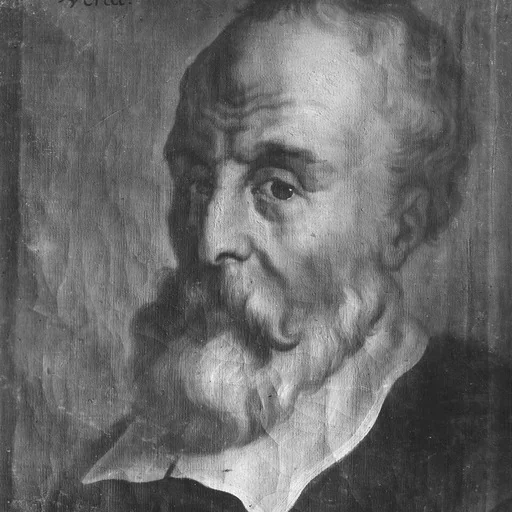
Paolo Caliari (1528 – 19 April 1588), known as Paolo Veronese ( VERR-ə-NAY-zay, -zee, US also -see; Italian: ), was an Italian Renaissance painter based in Venice, known for extremely large history paintings of…