Artwork
Hedvig Ulrika Hedengran
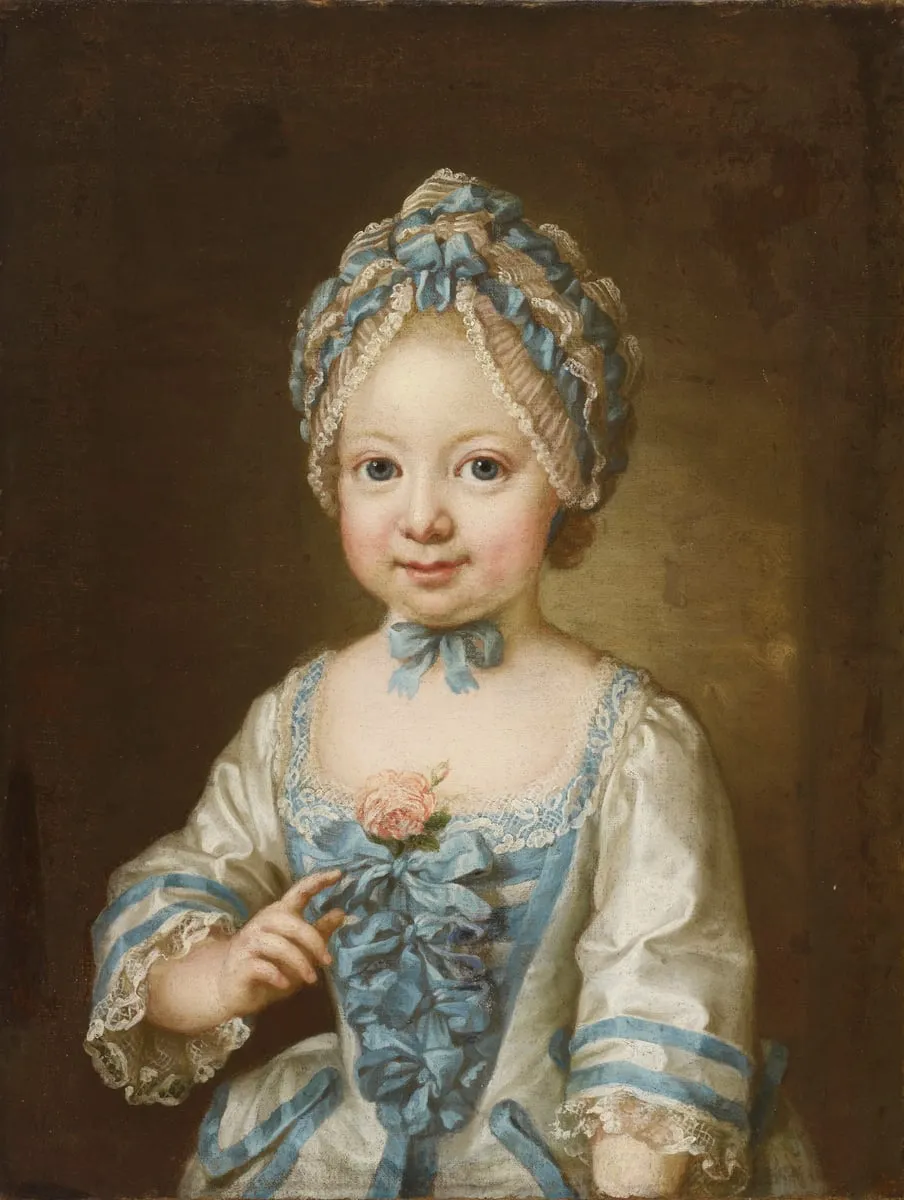
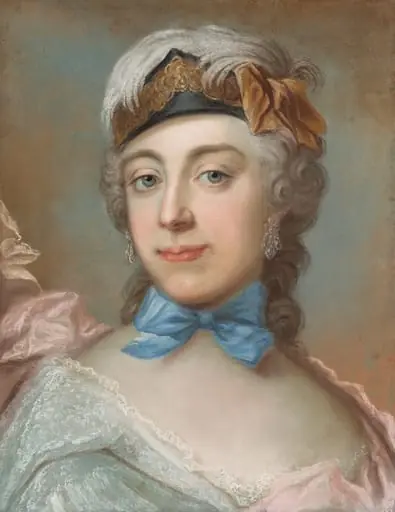
Hedvig Ulrika Hedengran is an unspecified painting by Ulrika Fredrika Pasch. It is held in the collection of the Finnish National Gallery. This portrait depicts a young girl, likely from a privileged background, rendered in oil on canvas.
About this work
Overview
The lighting and color choices emphasize her youth and delicate features, suggesting a private, intimate moment rather than a formal pose.
This portrait depicts a young girl, likely from a privileged background, rendered in oil on canvas. Her figure is sharply illuminated against a deep, neutral background, creating a strong visual contrast. The composition focuses attention on her face and gesture, with minimal distraction from the surroundings. The lighting and color choices emphasize her youth and delicate features, suggesting a private, intimate moment rather than a formal pose.
Subject & Meaning
The girl, identified as Hedvig Ulrika Hedengran, holds a pink flower pinned to her dress, a subtle symbol of innocence or fleeting beauty. Her gaze and pointing finger suggest quiet contemplation, as if drawn to the bloom’s transient nature. The elaborate lace and wig indicate social status, yet her natural posture avoids stiffness, hinting at a personal, unguarded moment rather than a rigid aristocratic convention.
Technique & Style
The artist employs chiaroscuro to model the girl’s form, using soft gradations of light to define her cheeks, neck, and hands. The white dress and blue ribbons are rendered with fine brushwork, capturing the texture of lace and silk. The dark background isolates the figure, enhancing three-dimensionality. Color is used strategically: cool blues and whites stand out against the warm shadows, directing the viewer’s eye to the flower and her expression.
History & Provenance
The portrait was painted in the late 18th century, during a period when Swedish aristocratic families commissioned intimate likenesses of their children. Hedvig Ulrika Hedengran was the daughter of a prominent official, and the painting likely served as a family keepsake. It remained within private Swedish collections until entering a public museum’s holdings in the 20th century, where its attribution and subject were confirmed through archival records.
Context
In late 1700s Sweden, portraiture for children often blended realism with symbolic elements to convey virtue and social standing. Elaborate wigs and lace were fashionable among the upper class, even for young girls. The inclusion of a single flower reflects a broader European trend of using natural motifs to evoke purity and the passage of time, aligning with Enlightenment ideals of sentiment and individuality.
Legacy
The portrait remains a quiet example of Nordic domestic portraiture from the Enlightenment era. It is valued not for grandeur but for its sensitivity to childhood and its restrained elegance. While not widely exhibited, it contributes to scholarly understanding of how Swedish families expressed identity through intimate visual records, distinguishing their aesthetic from more formal royal portraiture of the time.
Artist & collection
Artist
Ulrika Fredrika Pasch spent her life painting faces in a city where women weren’t supposed to pick up a brush.

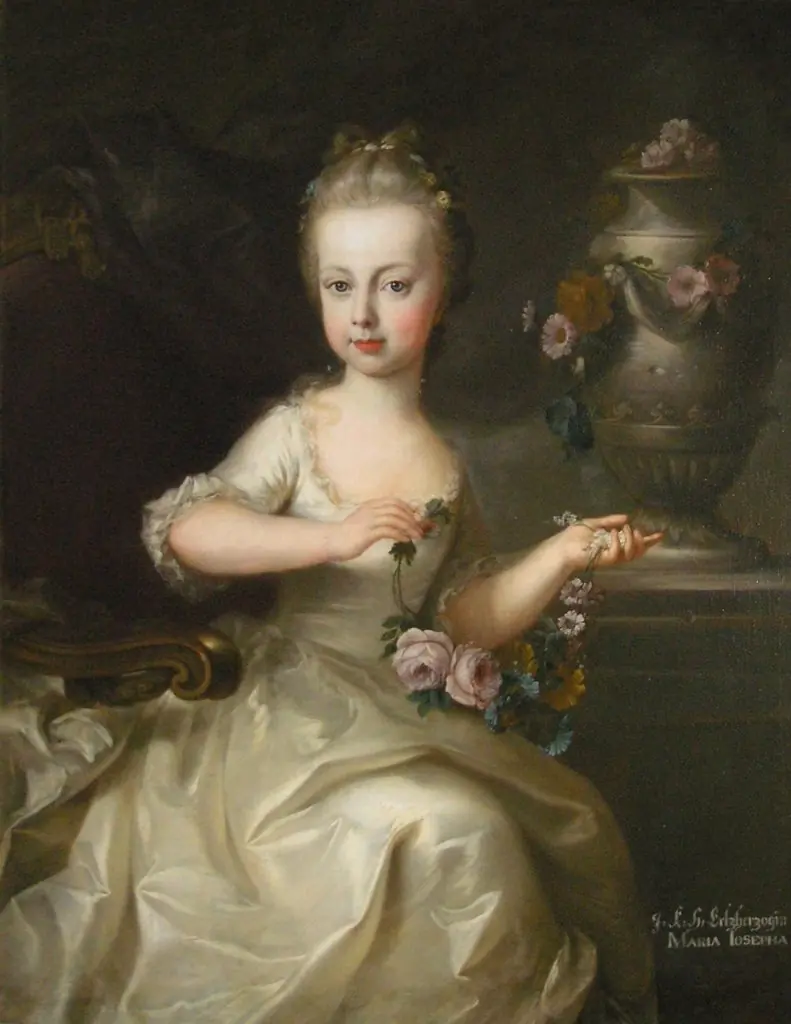 I.K.H. Erzherzogin Maria Iosepha
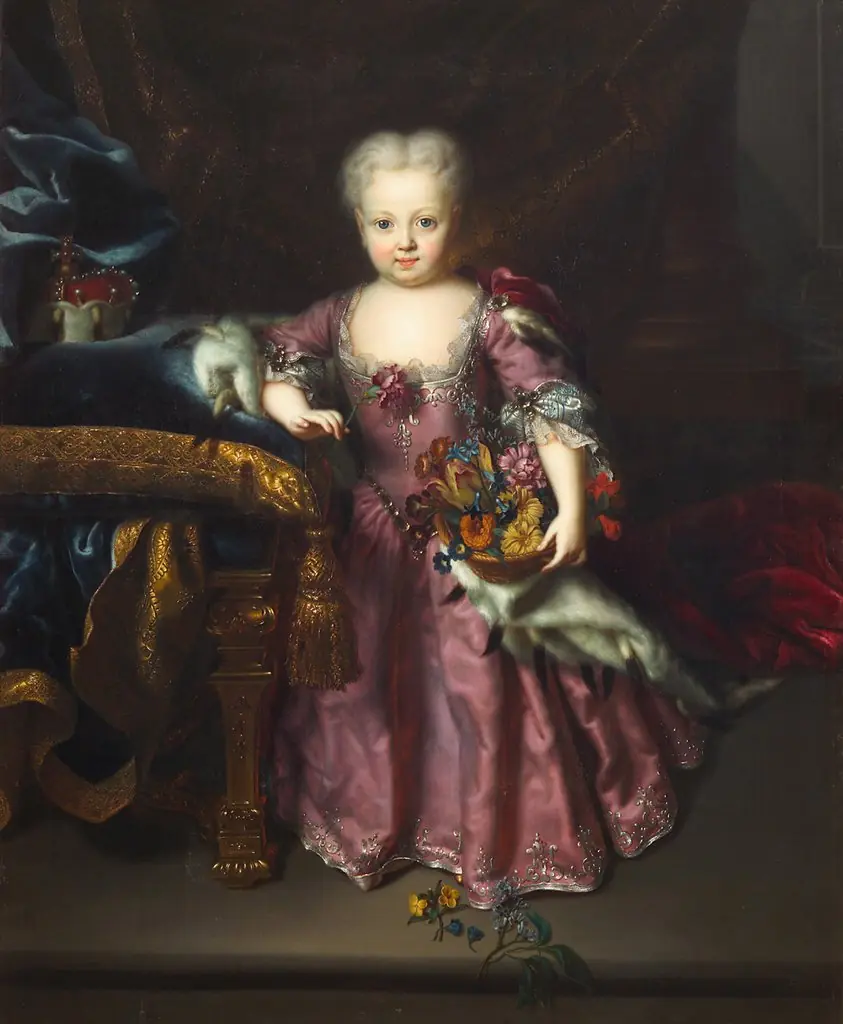 Erzherzogin Maria Amalie (1724-1730) im Alter von drei Jahren
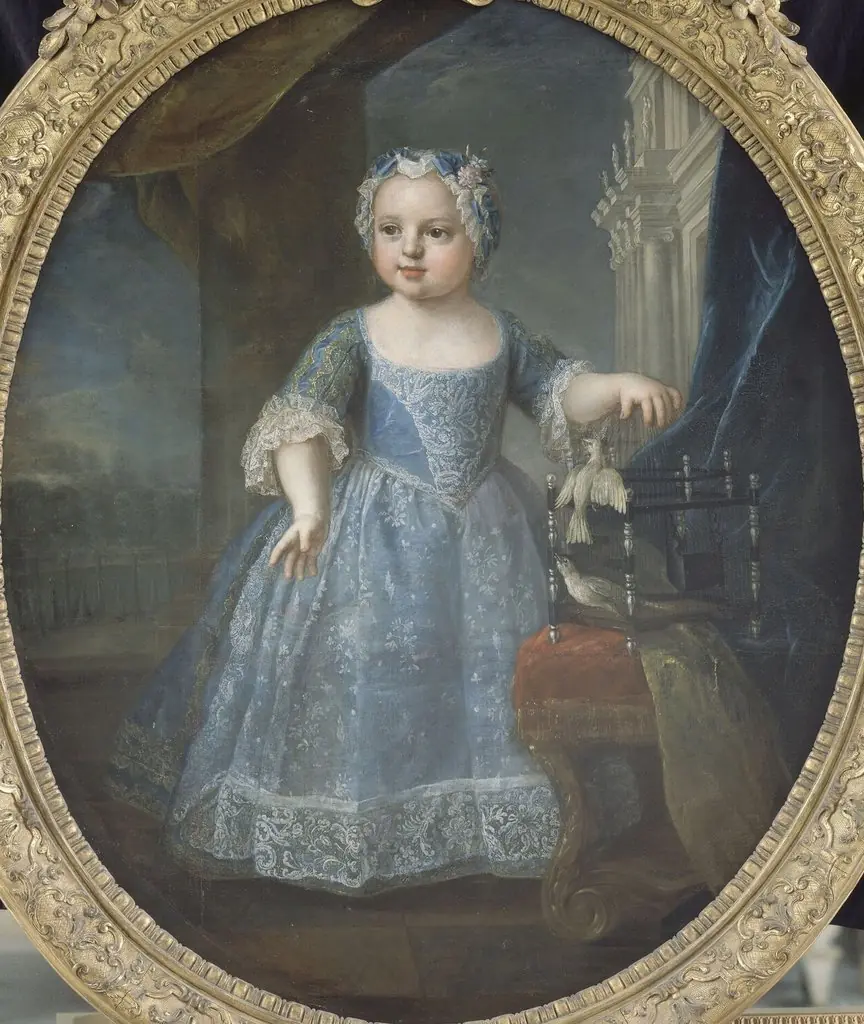 Marie-Louise de France (1728-1733), dite Madame Louise / Madame Troisième
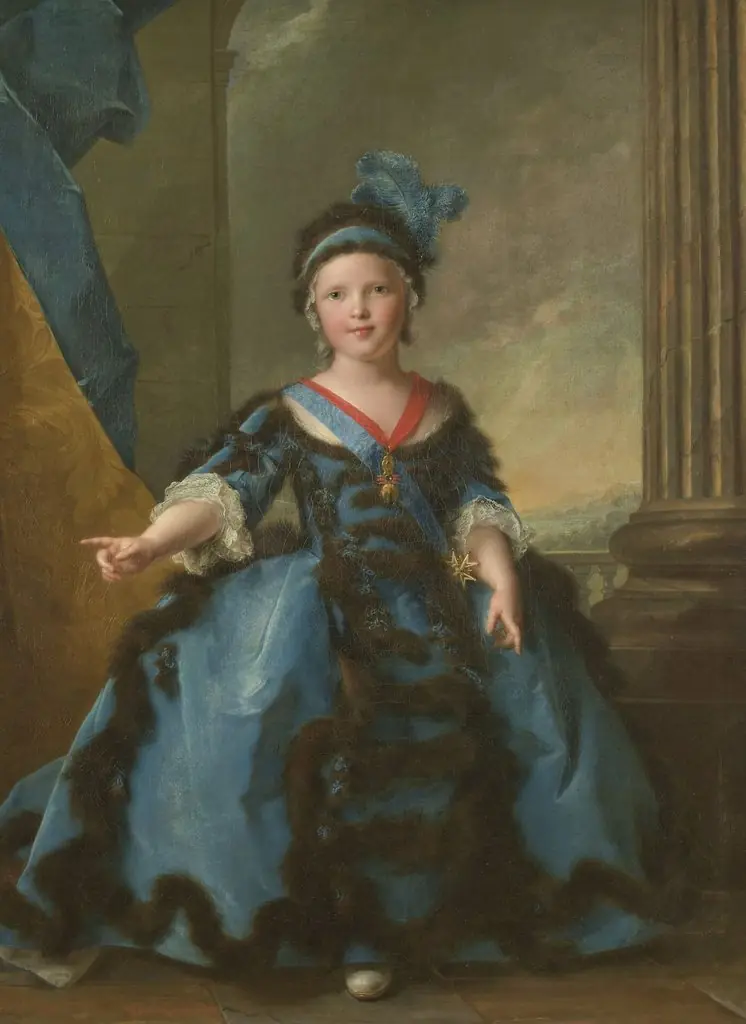 Louis-Joseph-Xavier de France, Duke of Burgundy (1751–1761), son of Louis, Dauphin of France
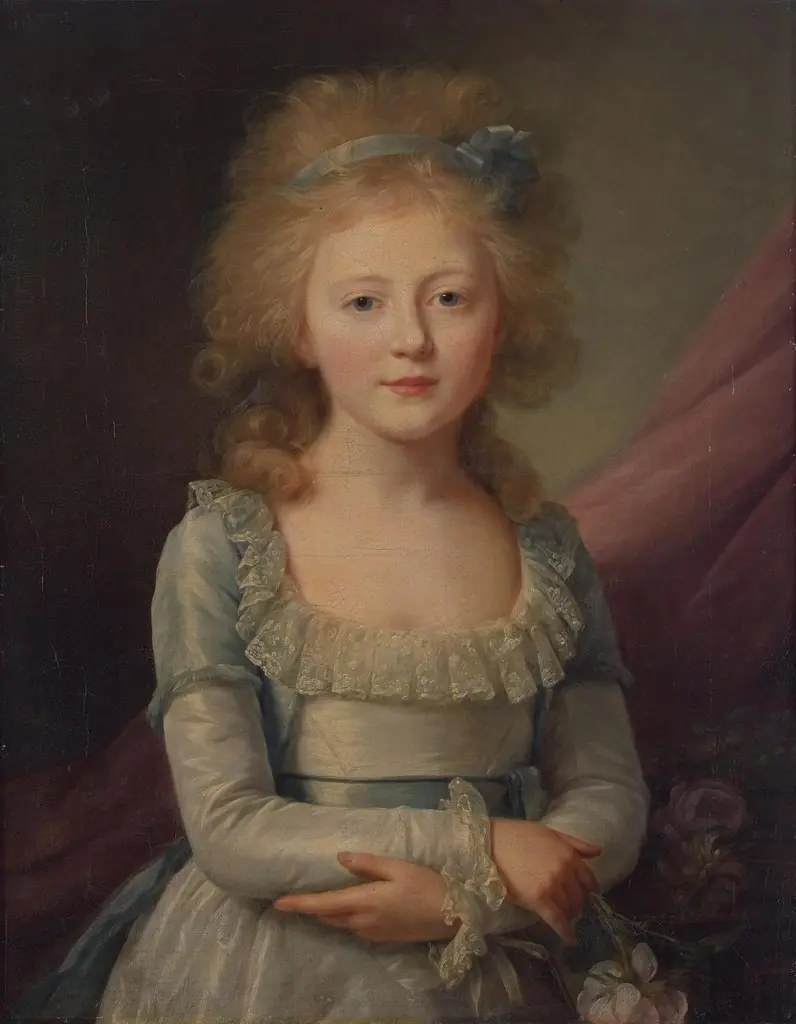 Portrait of grand Duchess Yelena Pavlovna as the Child
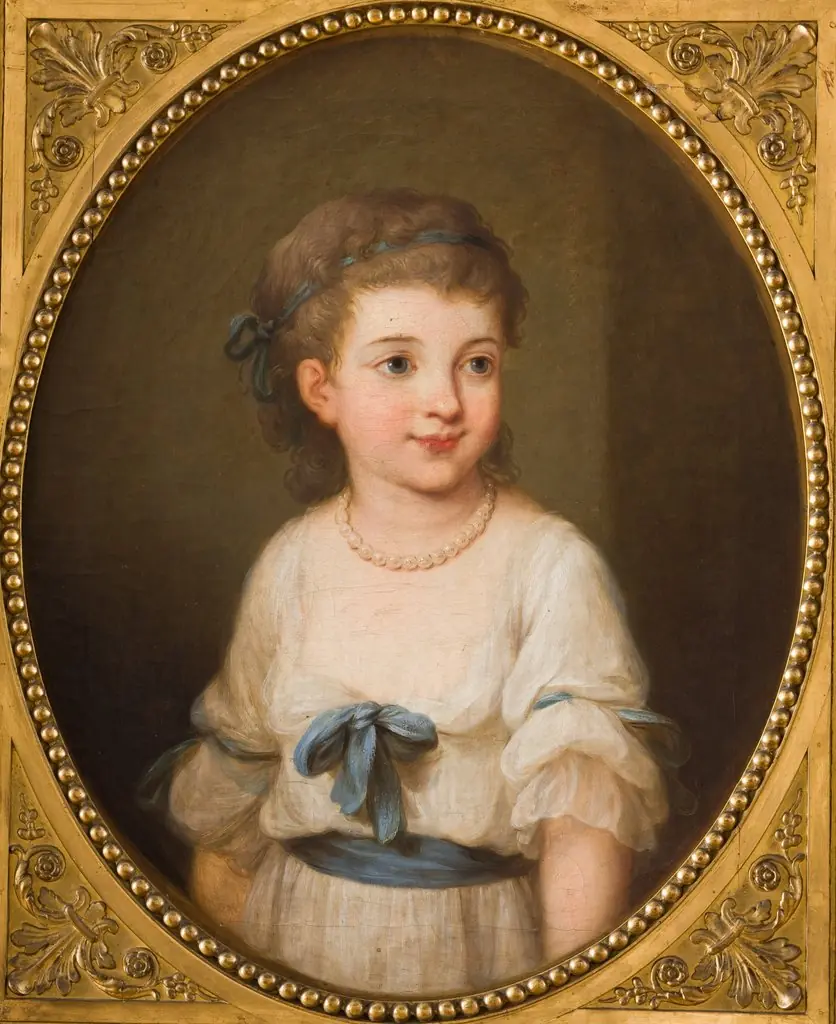 Portrait of Elżbieta Mniszech (born 1792)
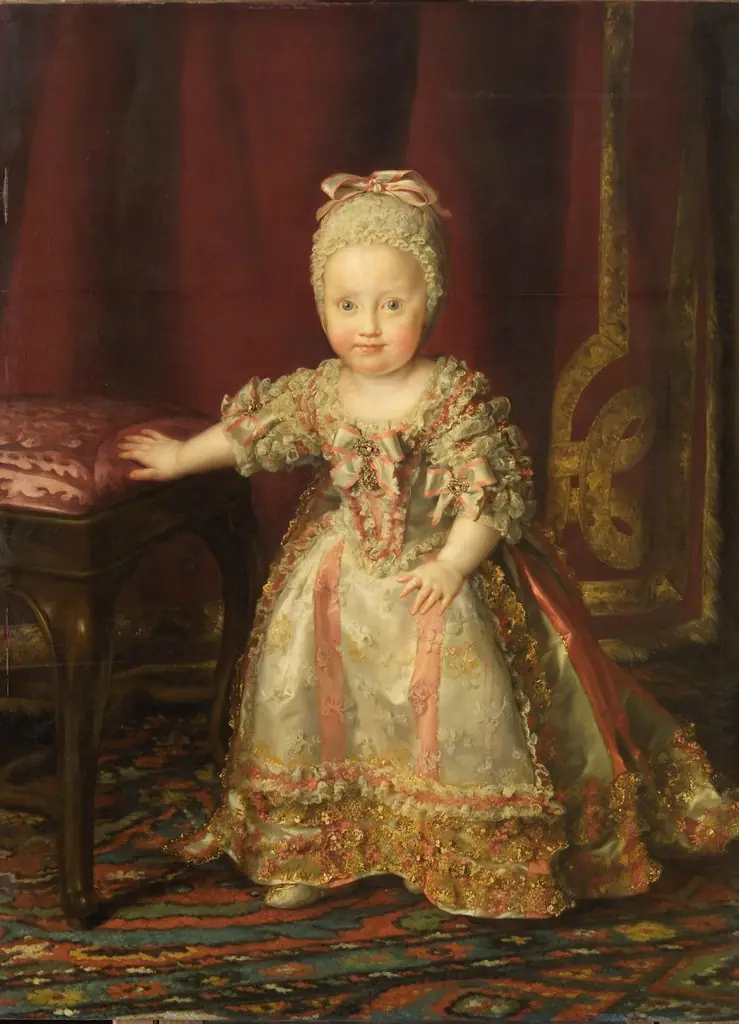 Infantin Maria Theresa von Neapel (1772-1807)
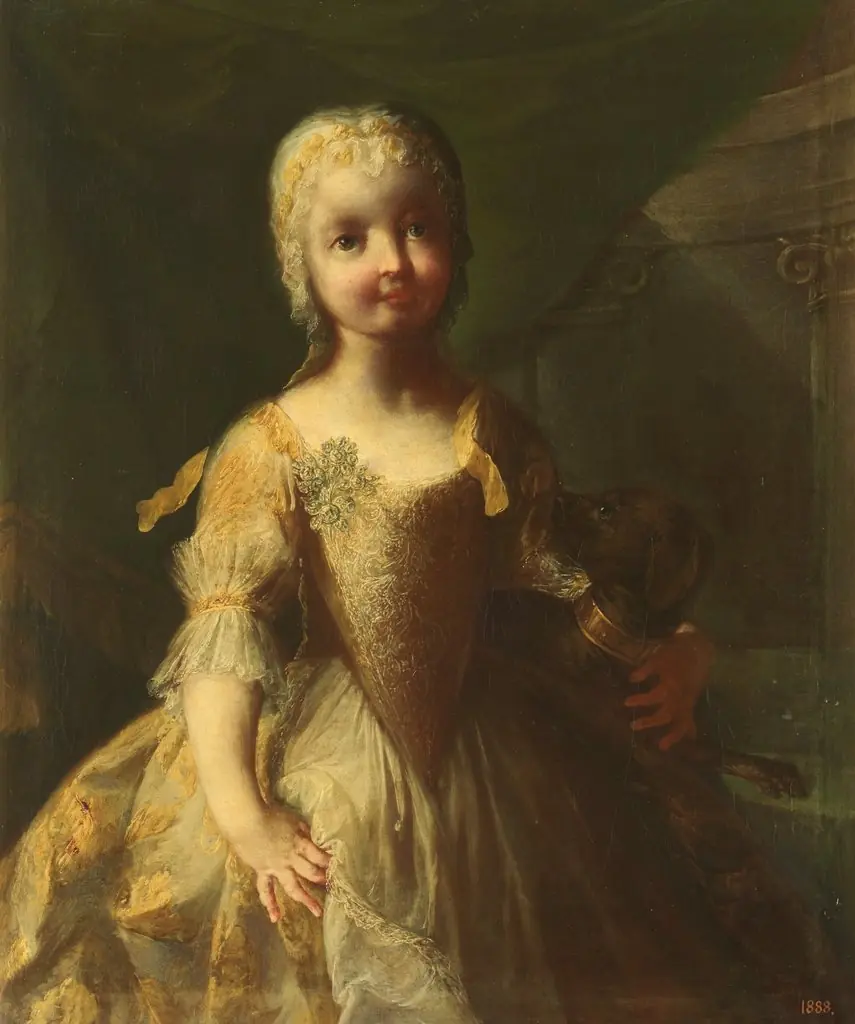 María Isabel of Bourbon and Saxony, Infanta of Naples and Spain
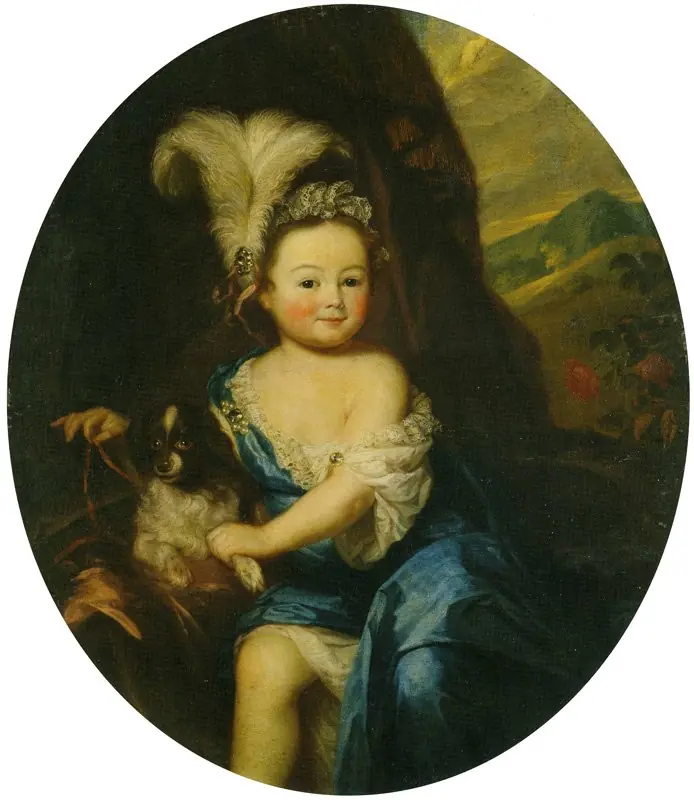 Portrait of Countess Natalya Andreevna Matveeva as a Child
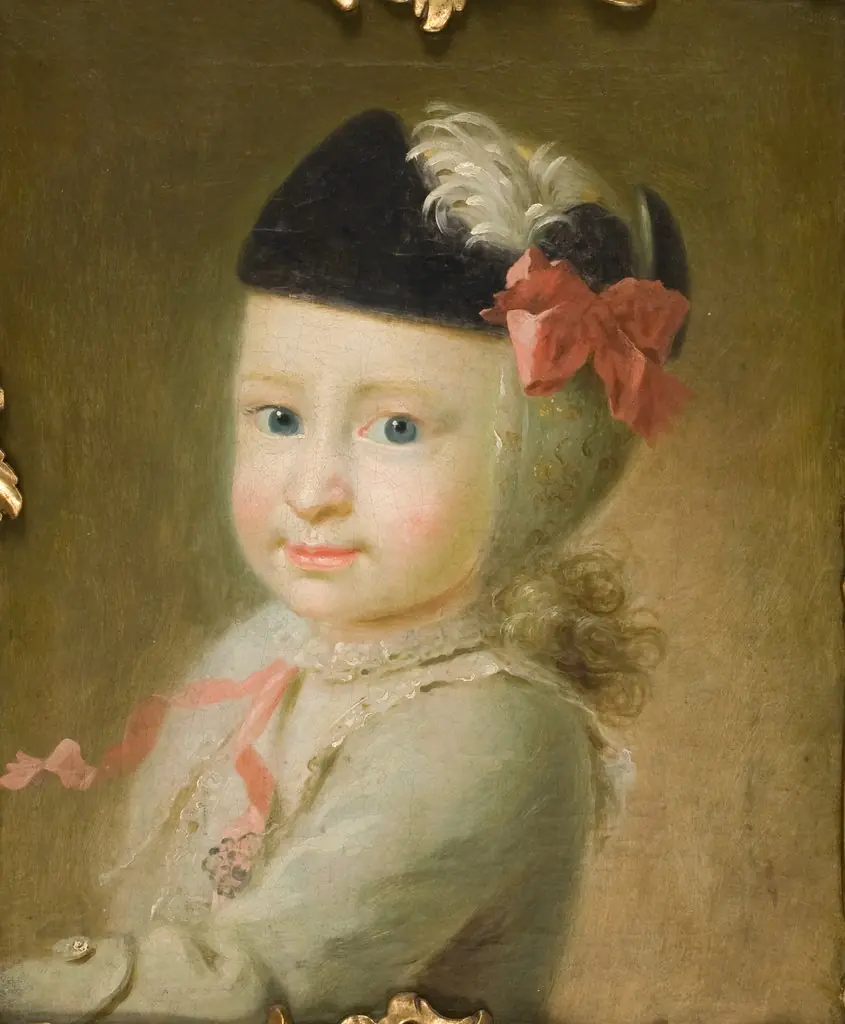 Portrait of Carl Christian Laurentius Birch
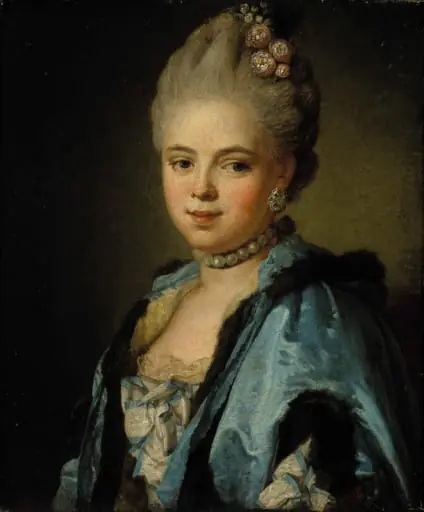 Naisen muotokuva
 Kreivitär Ulrika Charlotta Sprengtporten