Artwork
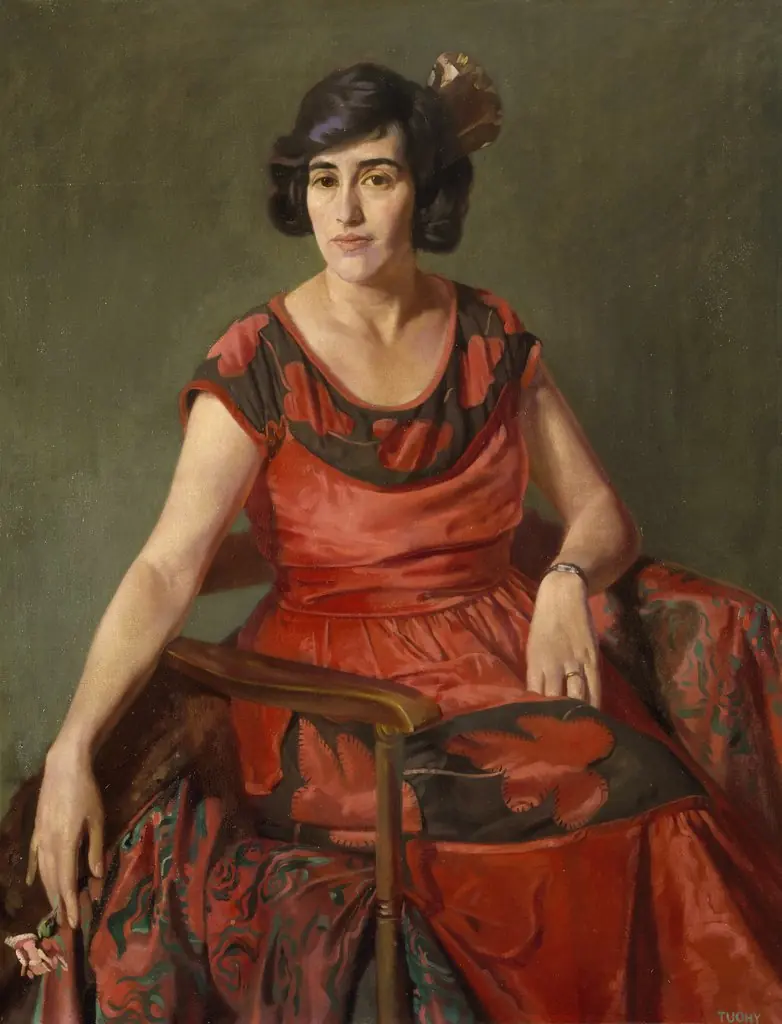
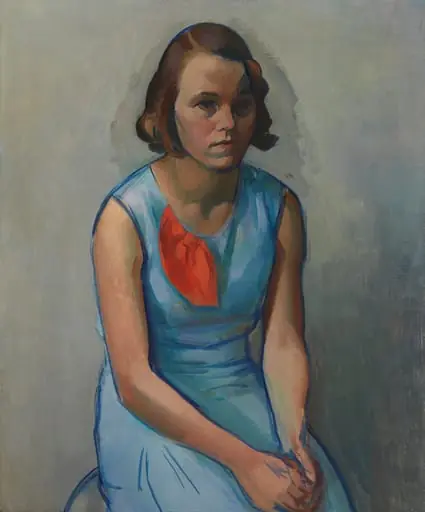
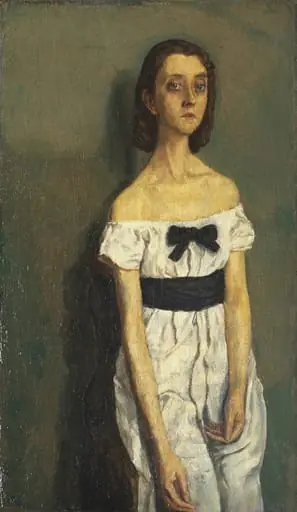
Portrait of Biddy Campbell, Daughter of the 2nd Lord Glenavy
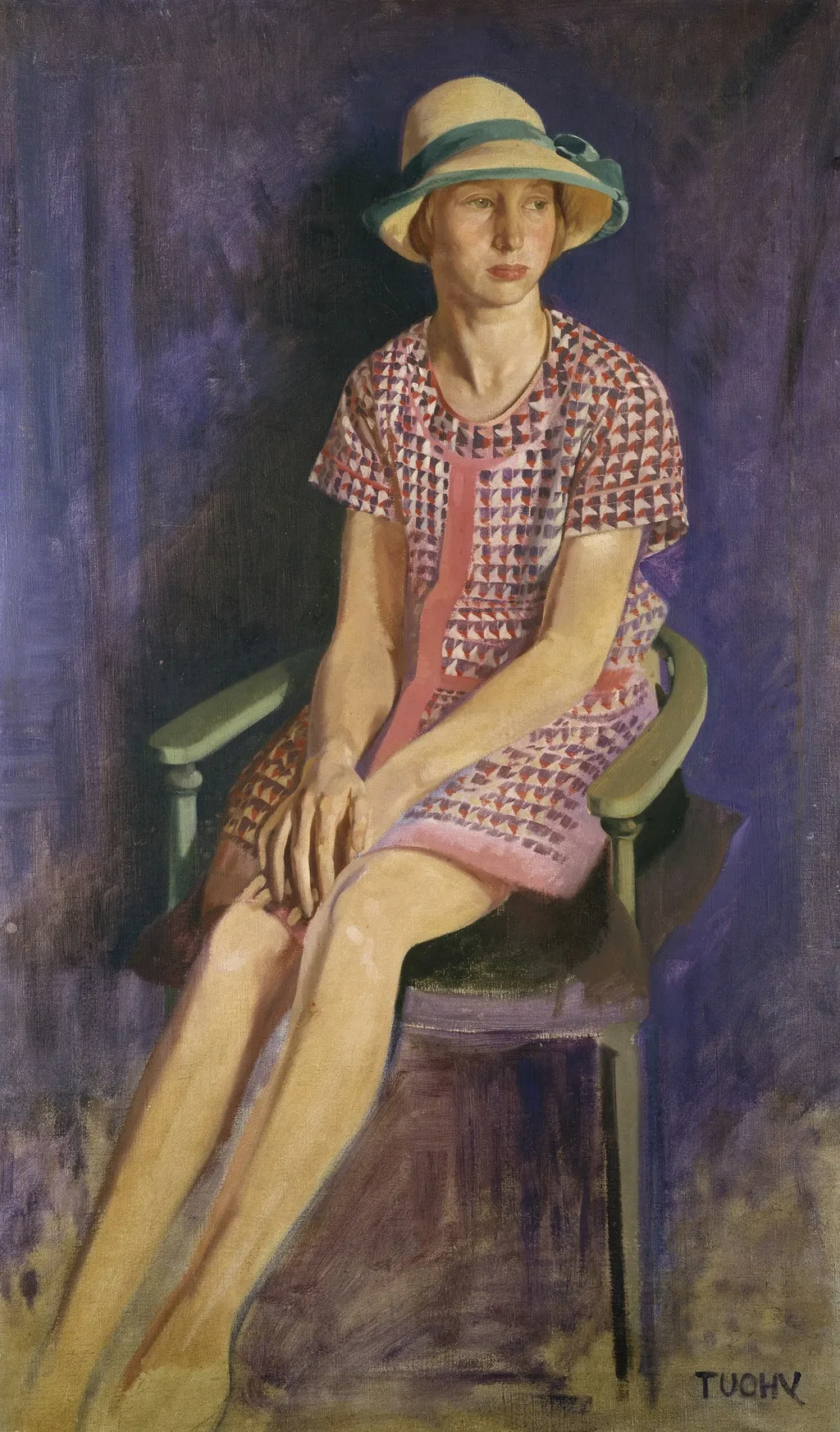
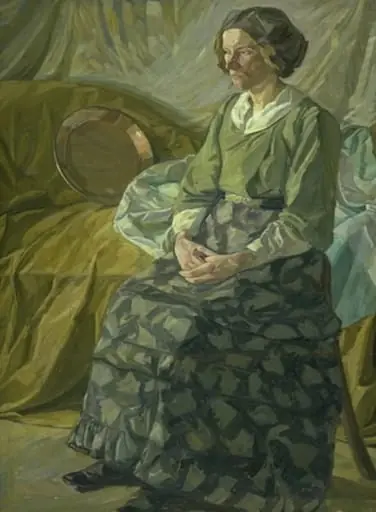
Portrait of Biddy Campbell, Daughter of the 2nd Lord Glenavy is an oil painting by the Realist artist Patrick Tuohy. It dates from 1926 and is held in the collection of the National Gallery of Ireland.
About this work
Overview
The work is part of the National Gallery of Ireland’s collection and reflects Tuohy’s interest in intimate, psychologically grounded portraiture.
Painted in 1926 by Irish artist Patrick Tuohy, this oil portrait depicts Biddy Campbell, the daughter of the 2nd Lord Glenavy. The work is part of the National Gallery of Ireland’s collection and reflects Tuohy’s interest in intimate, psychologically grounded portraiture. Rendered with careful attention to form and atmosphere, the painting captures a moment of stillness rather than ceremonial grandeur.
Subject & Meaning
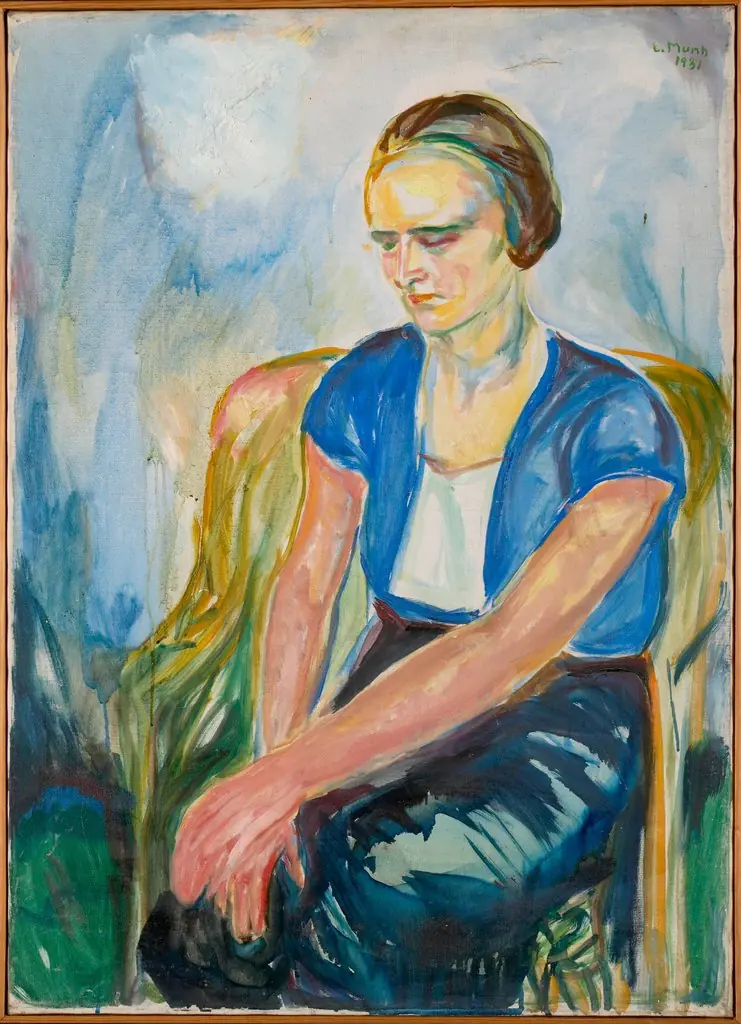
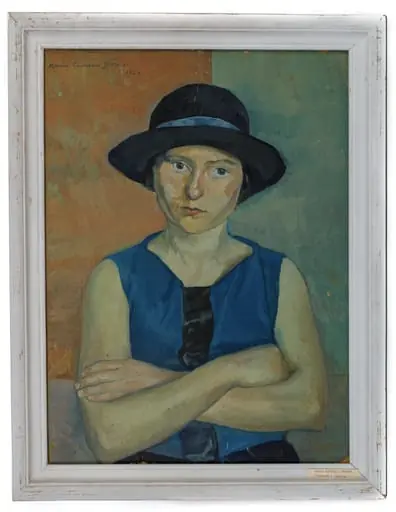
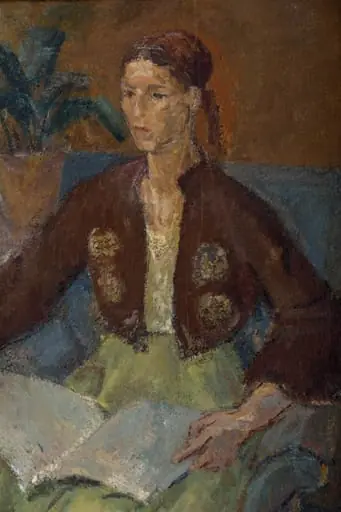
Biddy Campbell is portrayed seated with composed posture, hands resting on her knees and legs gently crossed. Her expression is subdued, inviting quiet reflection rather than direct engagement. The absence of overt symbolism or narrative context suggests an emphasis on inner presence over social status. The painting conveys a sense of personal stillness, characteristic of early 20th-century portraiture that valued psychological nuance over external display.
Technique & Style
Tuohy employs chiaroscuro to model the figure with subtle gradations of light and shadow, lending volume to the form against a dark, neutral background. The dress’s geometric pattern in soft pinks and whites is rendered with delicate brushwork, contrasting with the broader, looser strokes of the hat and background. The composition is restrained, focusing attention on the sitter’s quiet demeanor through controlled tonal harmony and minimal detail.
History & Provenance
Commissioned by the Glenavy family, the portrait remained in private hands until its acquisition by the National Gallery of Ireland. Its entry into the national collection in the mid-20th century reflected a growing interest in Irish artists of the period. No significant alterations or restorations are documented, and the painting retains its original frame and surface integrity.
Context
Created during a period when Irish artists were redefining national identity through domestic and personal subjects, Tuohy’s work aligns with a broader trend away from grand historical themes. Portraits like this one emphasized individuality and psychological depth, influenced by European modernism yet grounded in local sensibilities. The subdued palette and intimate scale reflect a shift toward introspective realism in interwar Irish art.
Legacy
Though not widely exhibited, the portrait remains a representative example of Tuohy’s mature style and his contribution to Irish portraiture. It offers insight into the private lives of the Anglo-Irish elite during a time of political and cultural transition. The work continues to be studied for its quiet formal discipline and its role in documenting the evolving aesthetic of Irish painting between the wars.
Own this work as a print
Artist & collection