Artwork
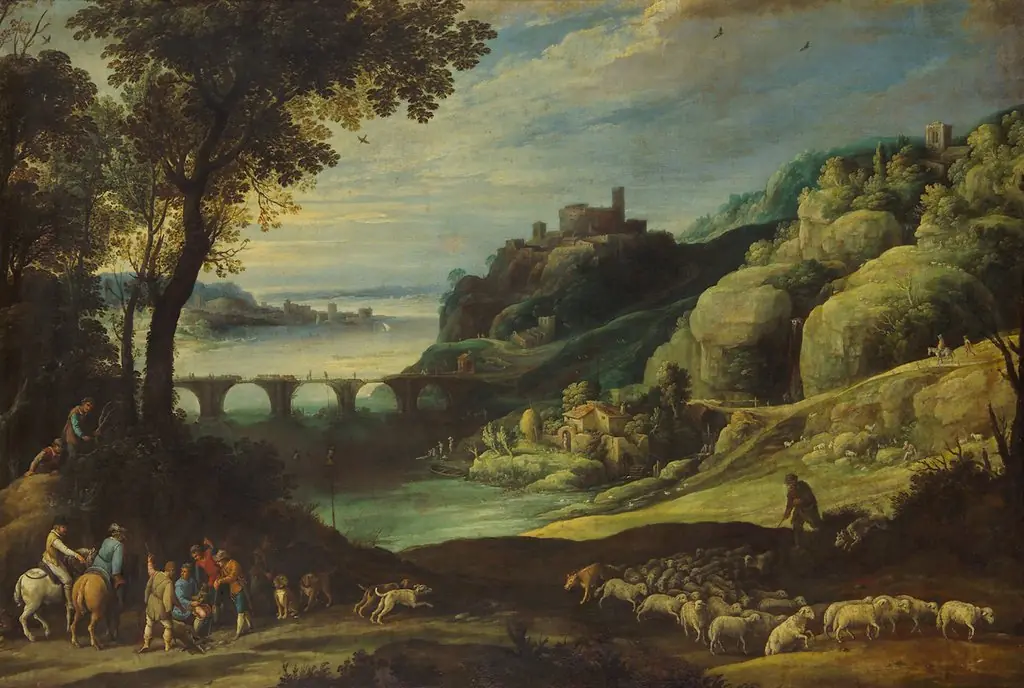
Landschaft mit Merkur und Argus
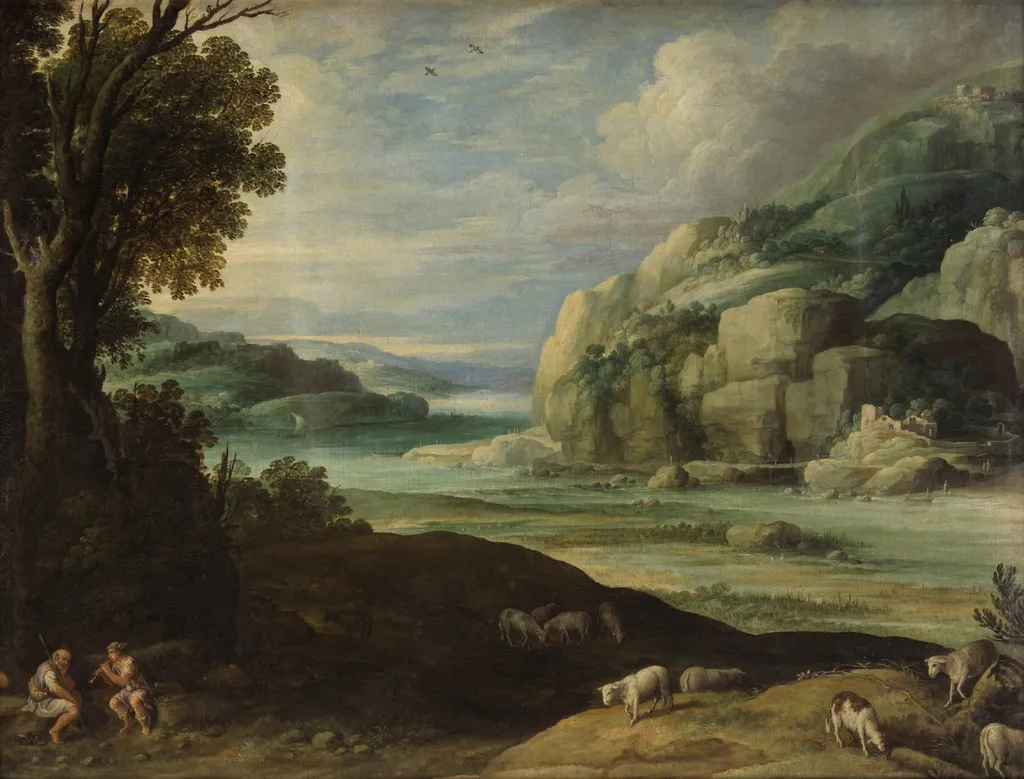
Landschaft mit Merkur und Argus is an unspecified painting by the Flemish Baroque painting artist Paul Bril. It dates from 1612 and is held in the collection of the Kunsthistorisches Museum.
About this work
Overview
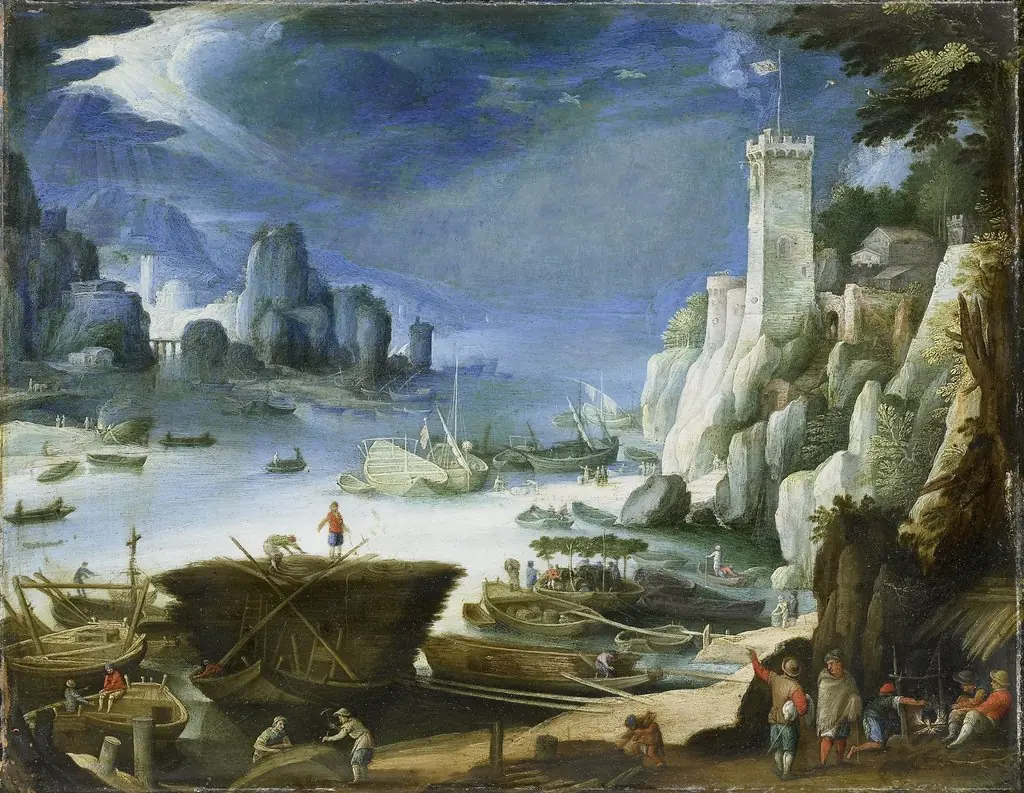
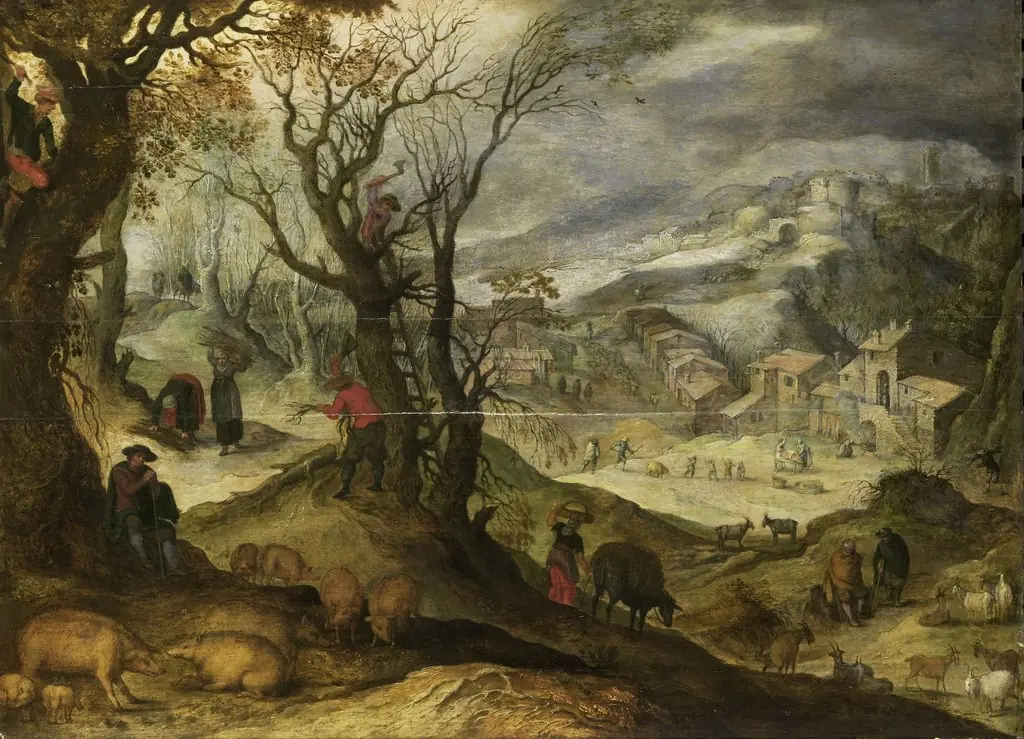
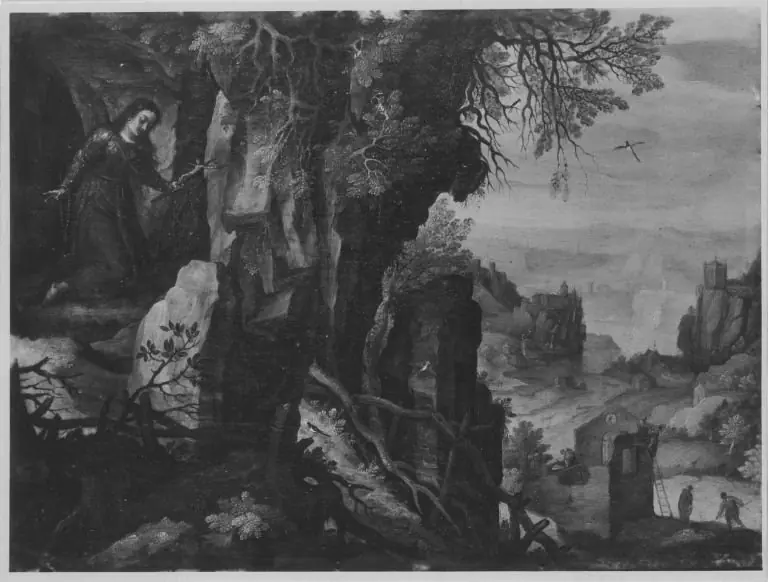
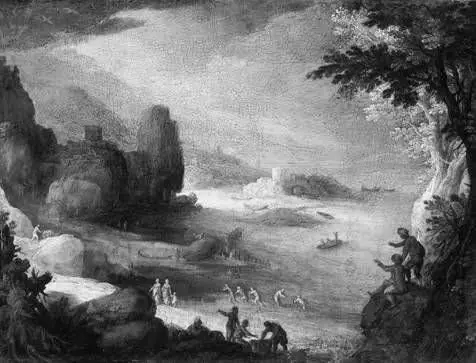
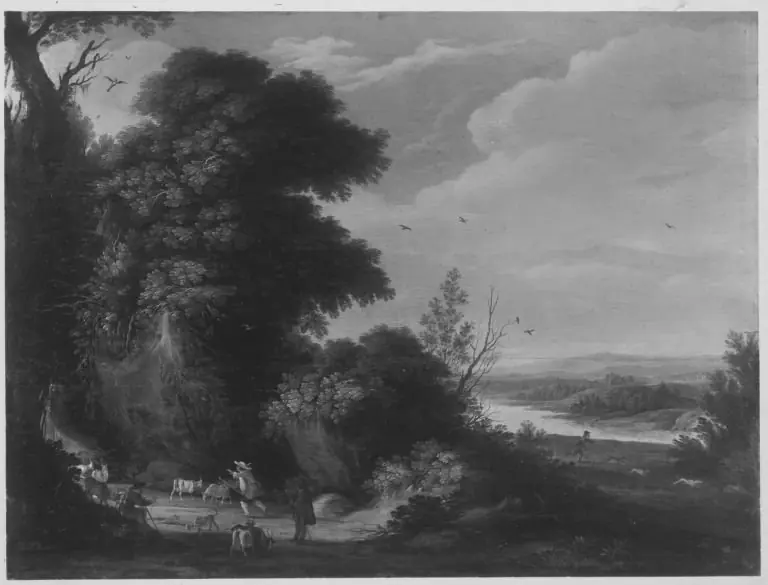
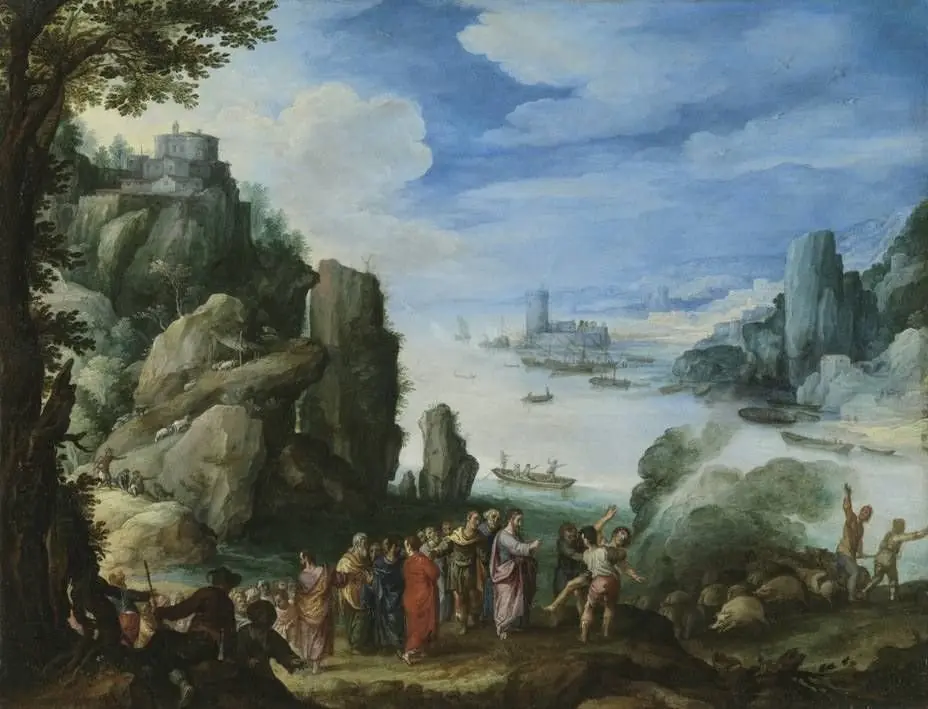
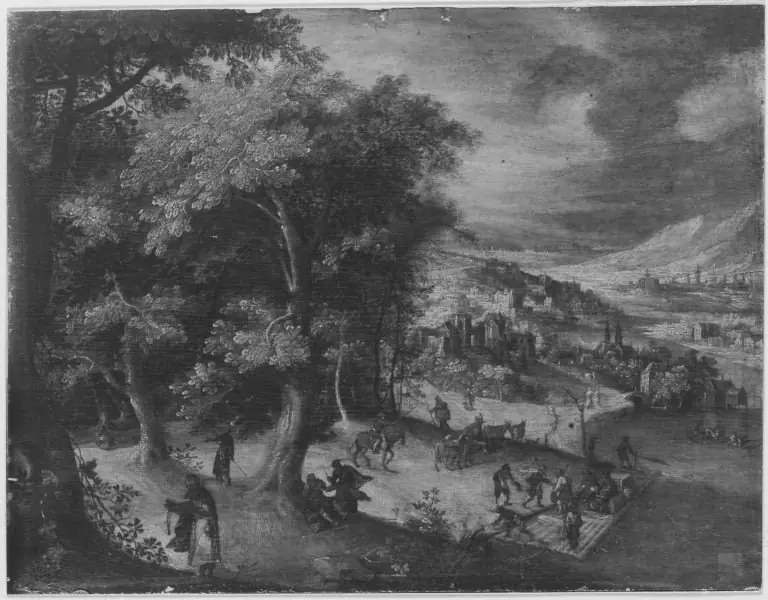
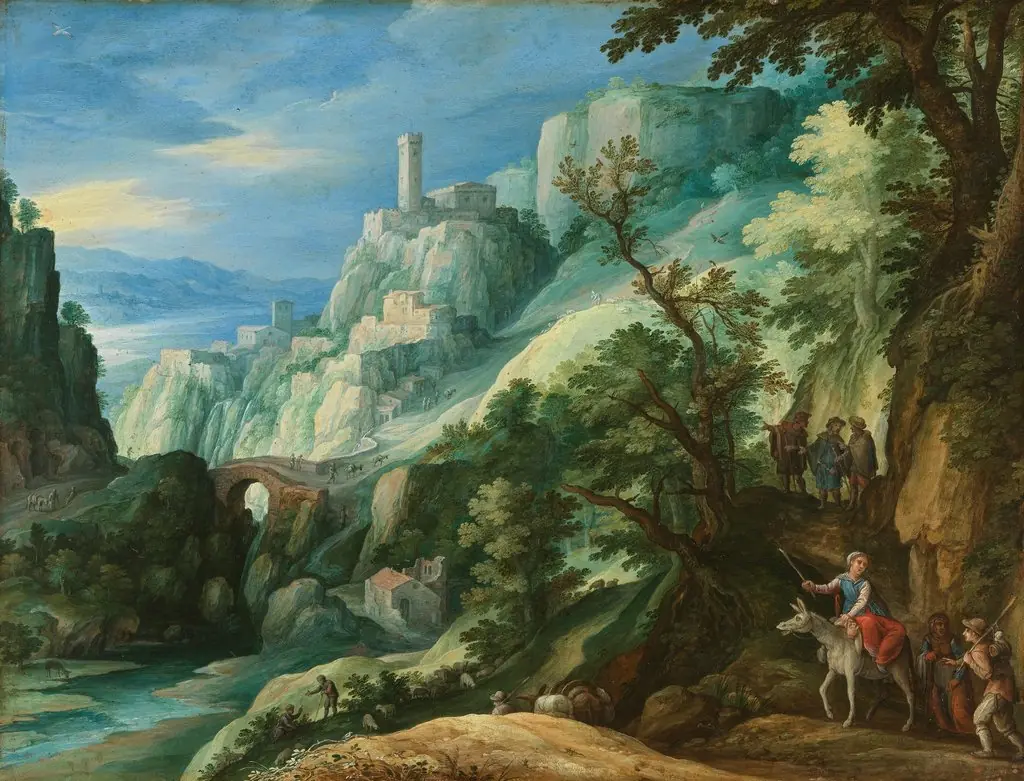
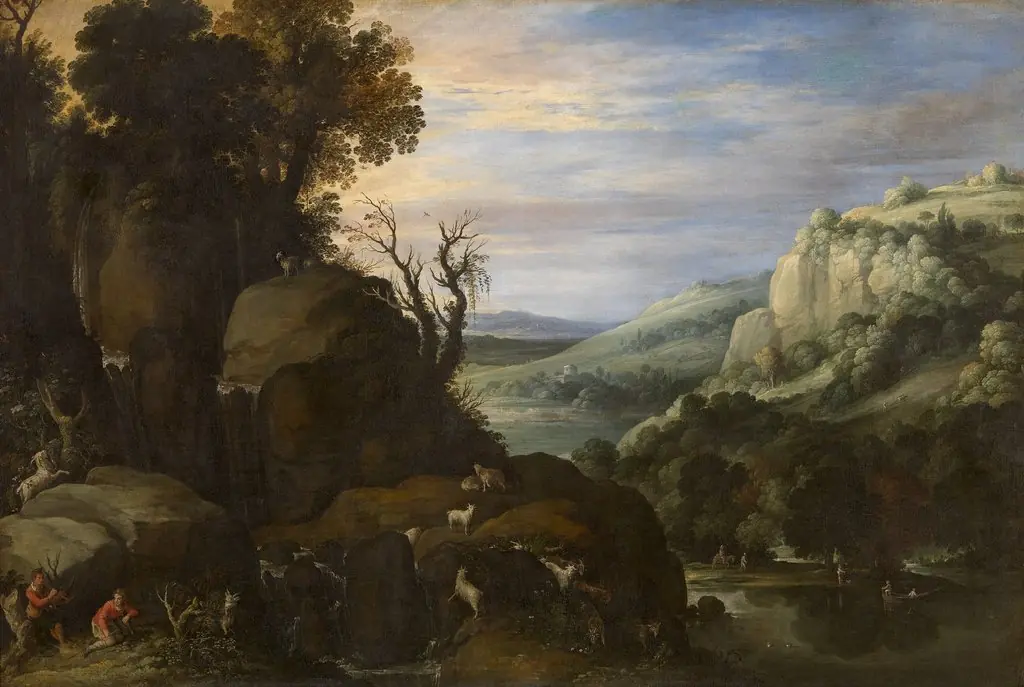
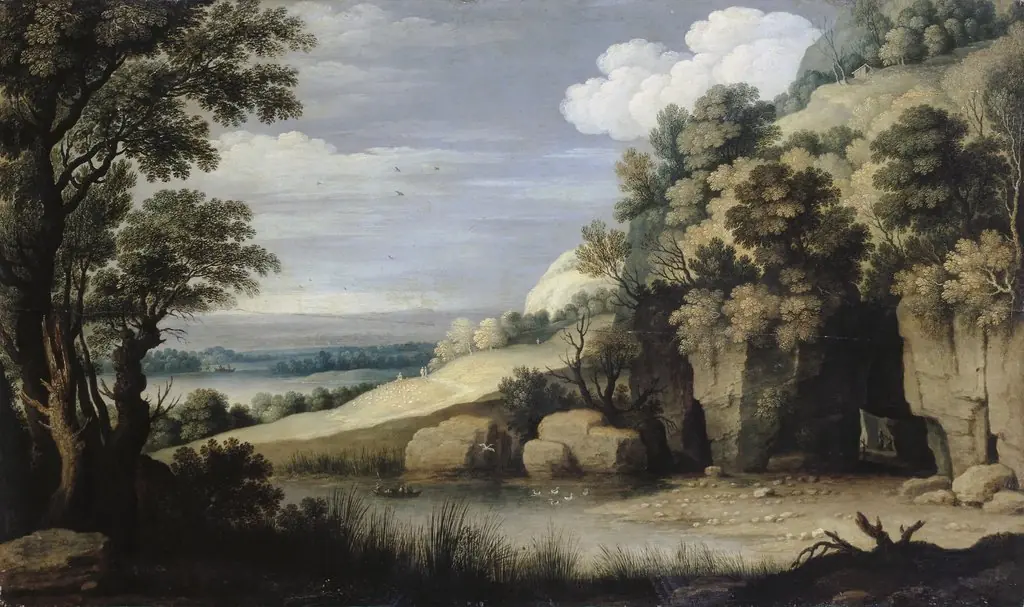
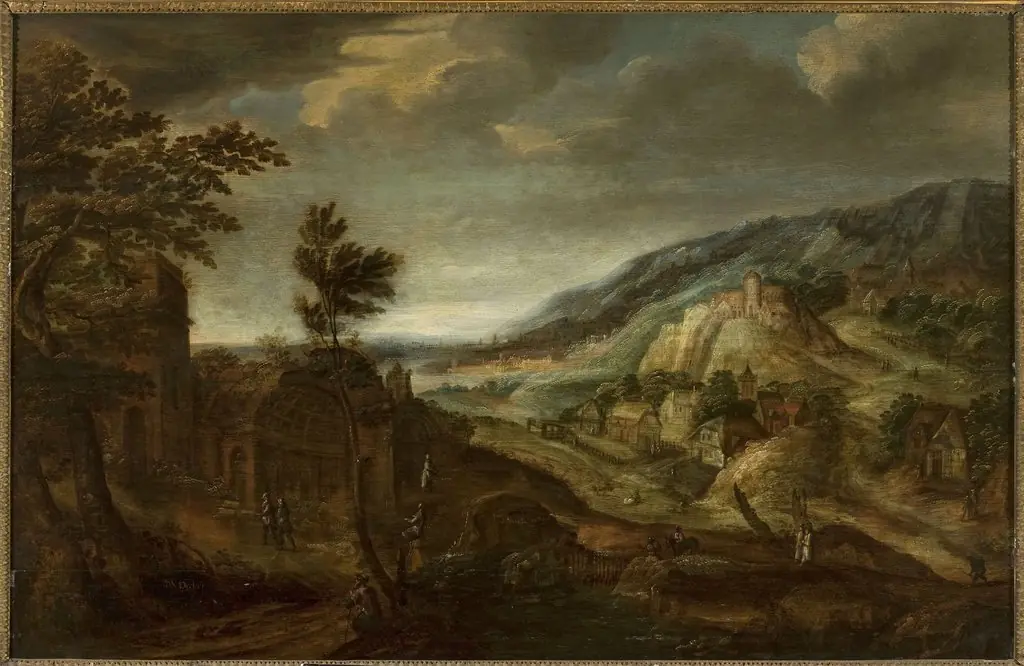
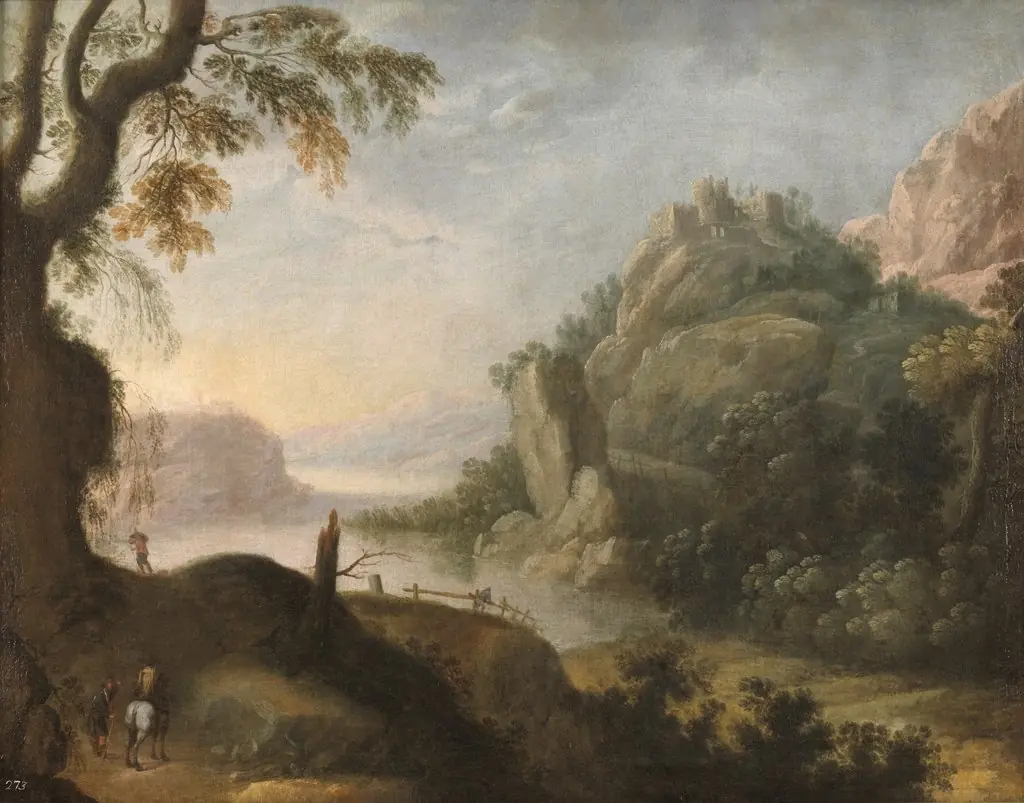
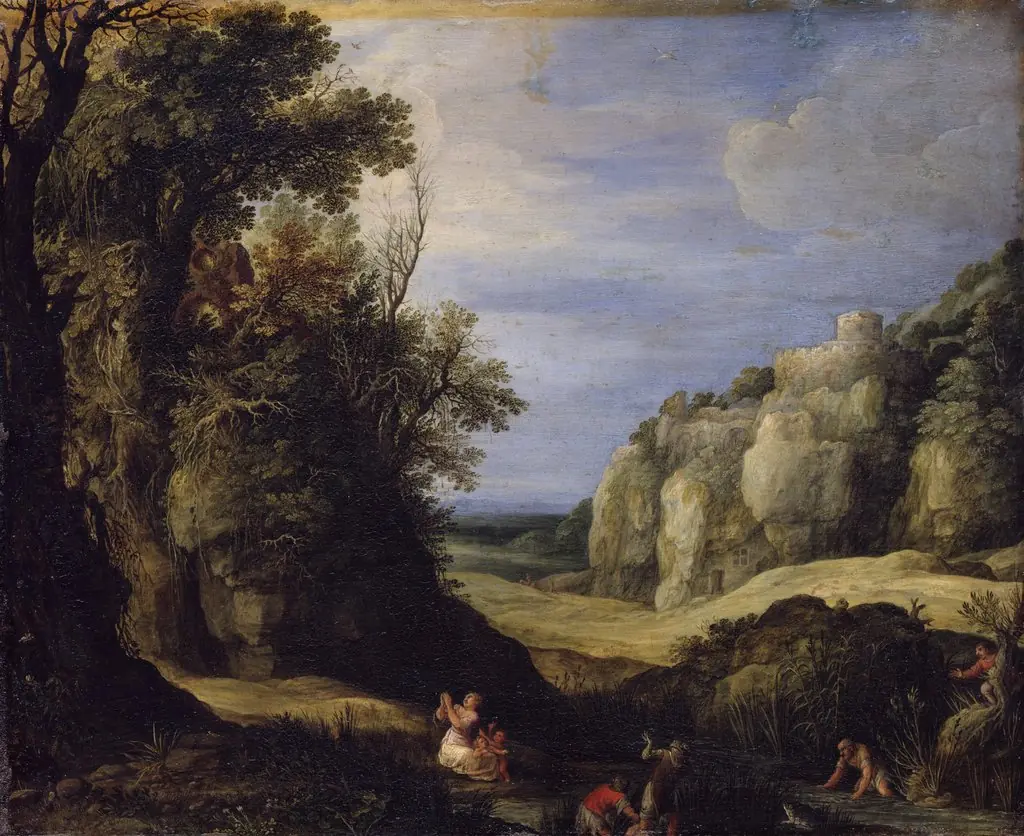
Paul Bril’s 1612 work, titled *Landschaft mit Merkur und Argus*, is an oil painting that presents an expansive rural vista. The composition balances natural elements—rocky cliffs, a flowing river, and a distant village perched on a slope—with human activity, creating a harmonious view of early 17th‑century countryside.
Subject & Meaning
The scene features two figures seated beneath a mature tree, a shepherd leading a small flock along a grassy track, and a tranquil river that reflects the sky’s bright clouds. Though the title references mythological characters Mercury and Argus, the visual narrative emphasizes everyday pastoral life, suggesting a subtle interplay between the divine and the mundane.
Technique & Style
Bril employs a careful modulation of light and shadow, highlighting the sun‑lit surfaces of rock and water while allowing deeper tones to recede into shadow. This chiaroscuro treatment enhances the three‑dimensionality of the landscape, giving the cliffs and foliage a palpable sense of depth and atmosphere.
History & Provenance
Created in 1612, the painting entered the collection of the Kunsthistorisches Museum in Vienna, where it remains on display. Its acquisition reflects the museum’s broader commitment to representing Flemish landscape traditions within its European holdings.
Context
During the early 1600s, Bril was active in Rome, where he helped popularize the idealized yet detailed landscape genre that merged Northern European realism with Italian classicism. This work exemplifies that synthesis, combining precise natural observation with a compositional balance favored by contemporary patrons.
Artist & collection

Artist
Paul Bril was a Flemish painter and printmaker principally known for his landscapes. He spent most of his active career in Rome. His Italianate landscapes had a major influence on landscape painting in Italy and Northern Europe.