Artwork
Bathers
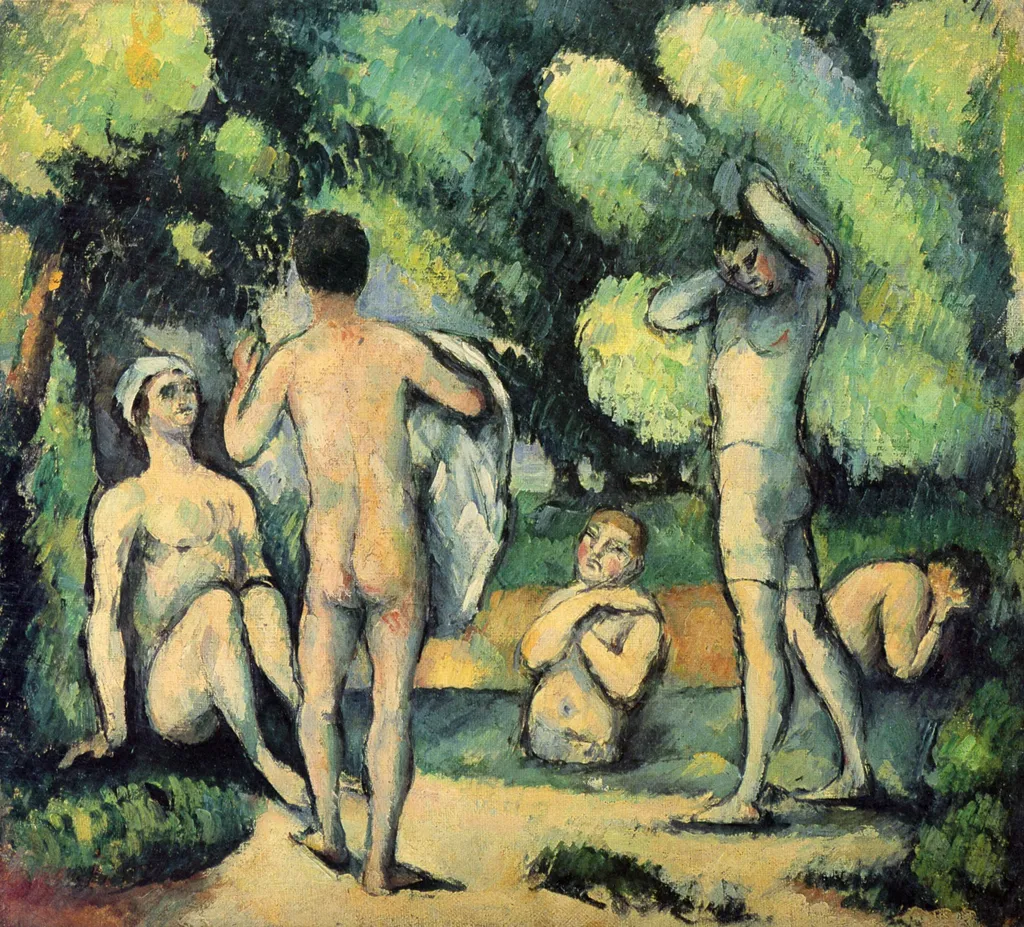
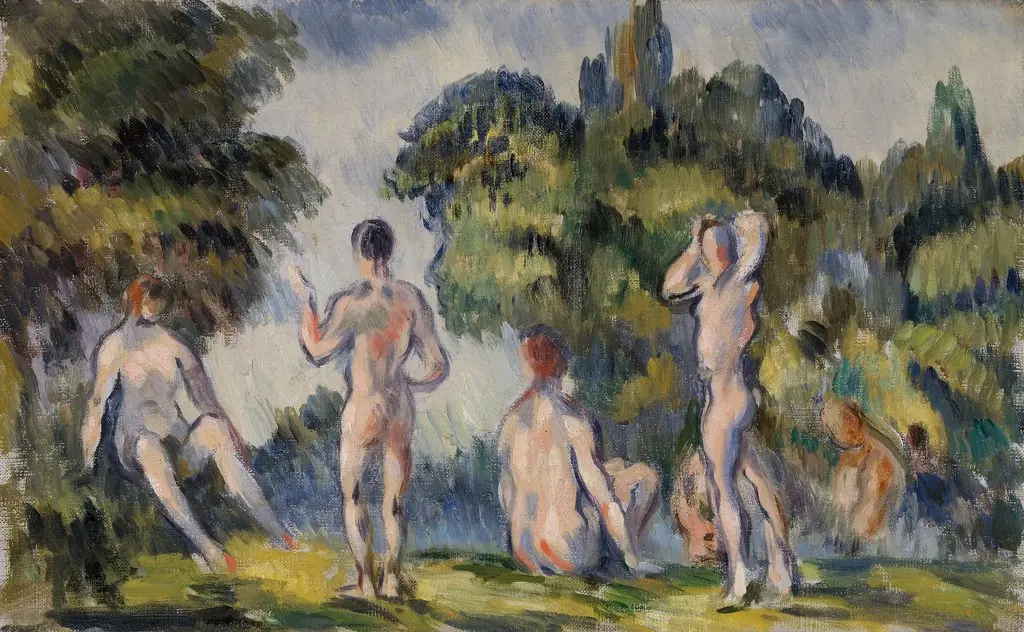
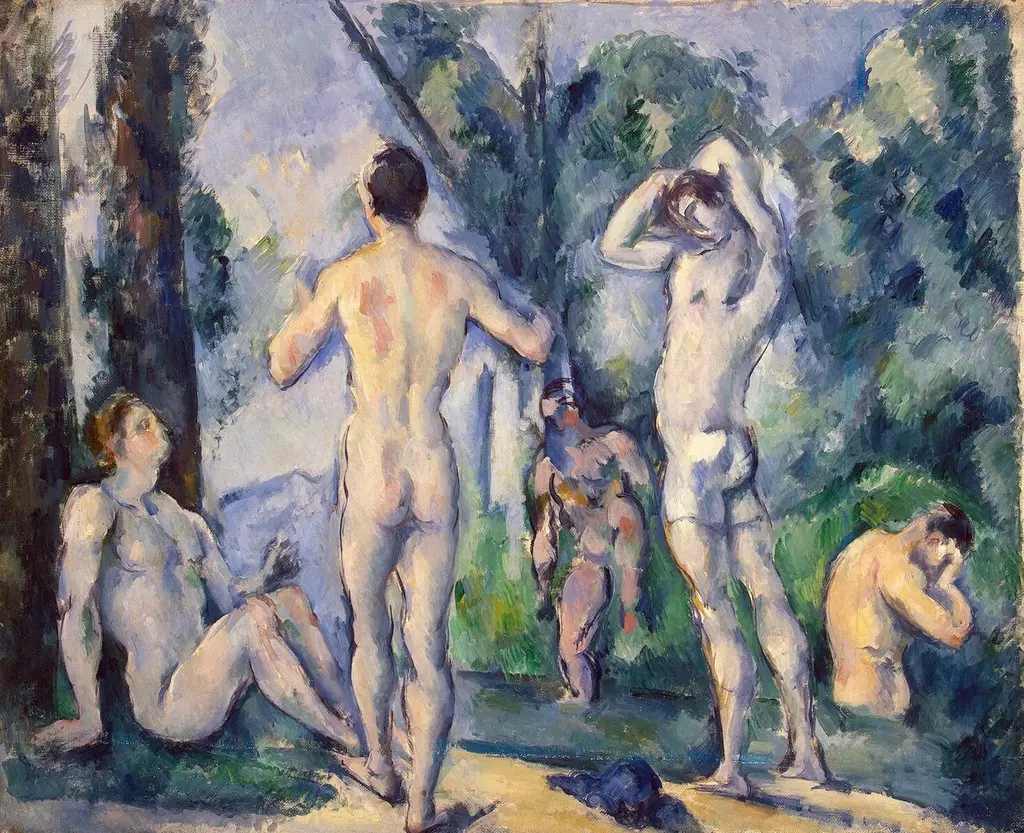
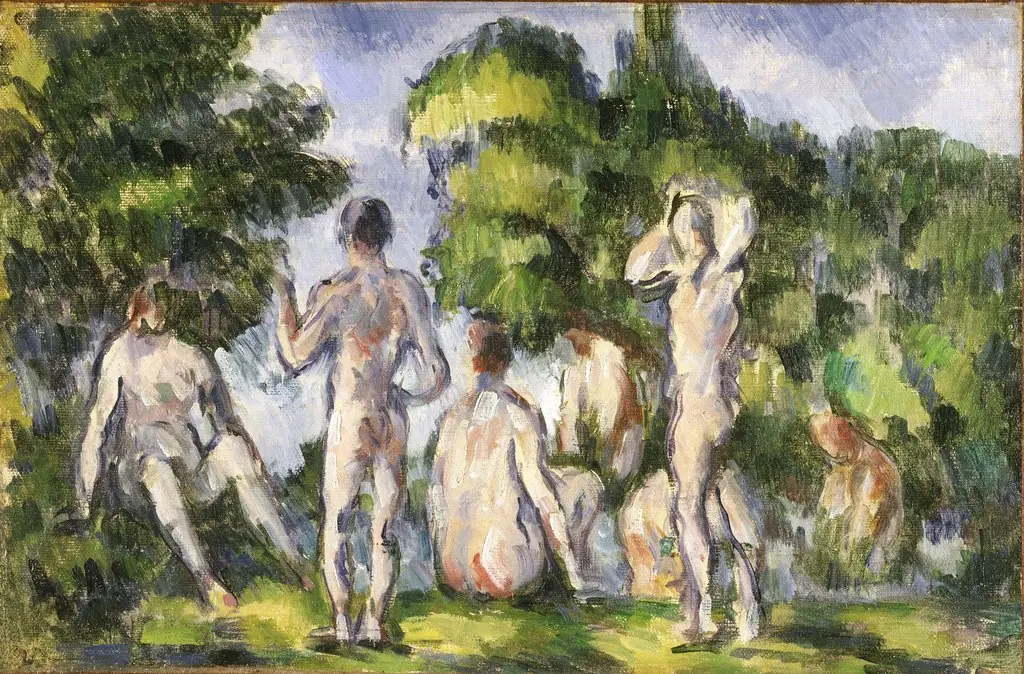
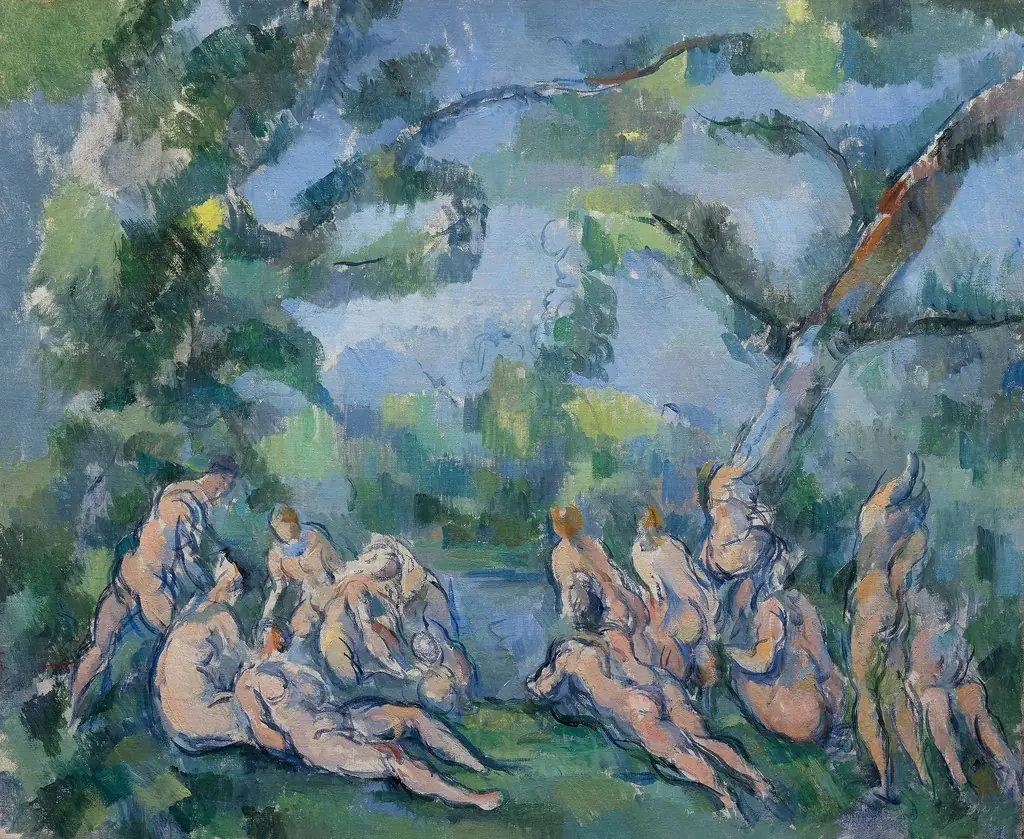
Bathers is an oil painting by the Post-Impressionist artist Paul Cezanne. It dates from 1890 and is held in the collection of the Detroit Institute of Arts.
About this work
Overview
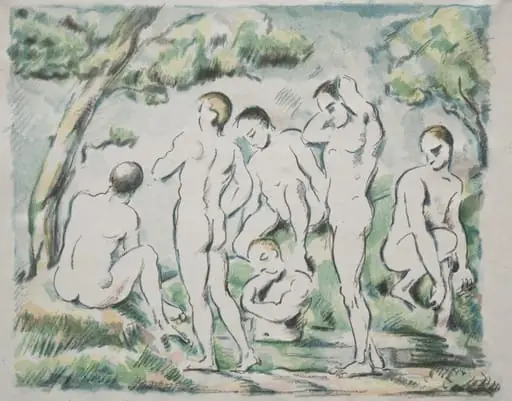
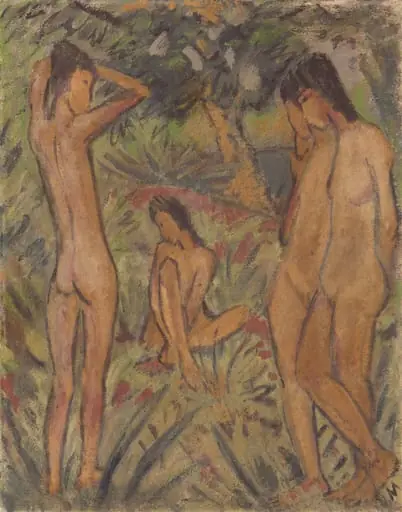
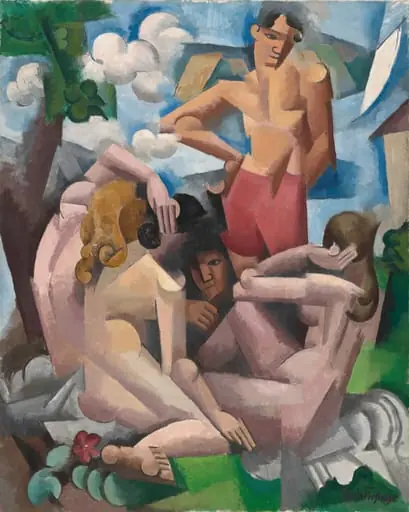
Bathers, an 1890 oil painting by Paul Cézanne, represents a transitional moment in the artist’s development, bridging Impressionist and early Cubist tendencies. The work features five nude figures in a wooded landscape, characterized by muted colors, textured brushwork, and a serene atmosphere.
Subject & Meaning
The painting depicts a contemplative scene of five nude bathers in a natural setting, emphasizing introspection over dynamic activity. This work continues Cézanne’s exploration of the human figure within landscapes, moving away from naturalism towards more abstracted spatial relationships.
Technique & Style
Cézanne employed rough, expressive brushstrokes to achieve textured effects, while muted coloration and strategic chiaroscuro created depth and a peaceful mood. The composition prioritizes structured form and geometric underpinnings, typical of Cézanne’s Post-Impressionist approach.
History & Provenance
Painted in 1890, Bathers reflects Cézanne’s pivotal role in the evolution from Impressionism to early Cubism during the late 19th century. Specific provenance details are not provided in the available information.
Context
Created during a period of artistic transition, Bathers situates Cézanne at the forefront of Post-Impressionist innovation, influencing the development of modern art movements. The work’s emphasis on form and abstraction foreshadows the advent of Cubism.
Legacy
Bathers contributes significantly to Cézanne’s legacy as a bridge between 19th-century Impressionism and the revolutionary art of the 20th century. Its unique blend of naturalism and abstraction has inspired numerous modern and contemporary artists.
Own this work as a print
Artist & collection
Artist
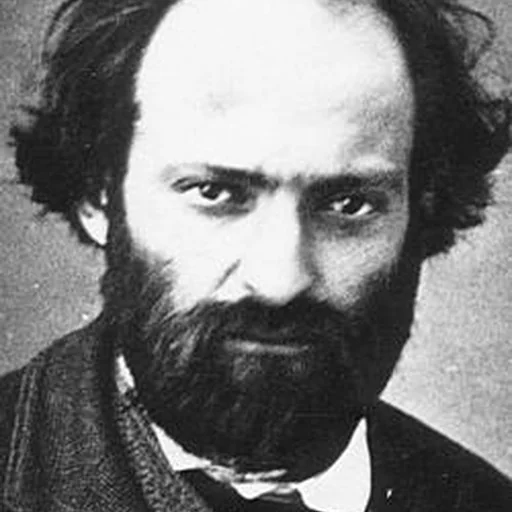
Paul Cézanne was born on January 19, 1839, in Aix-en-Provence, the son of a hatter turned wealthy banker.

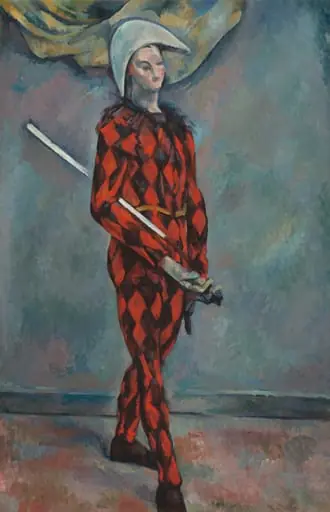 Harlequin
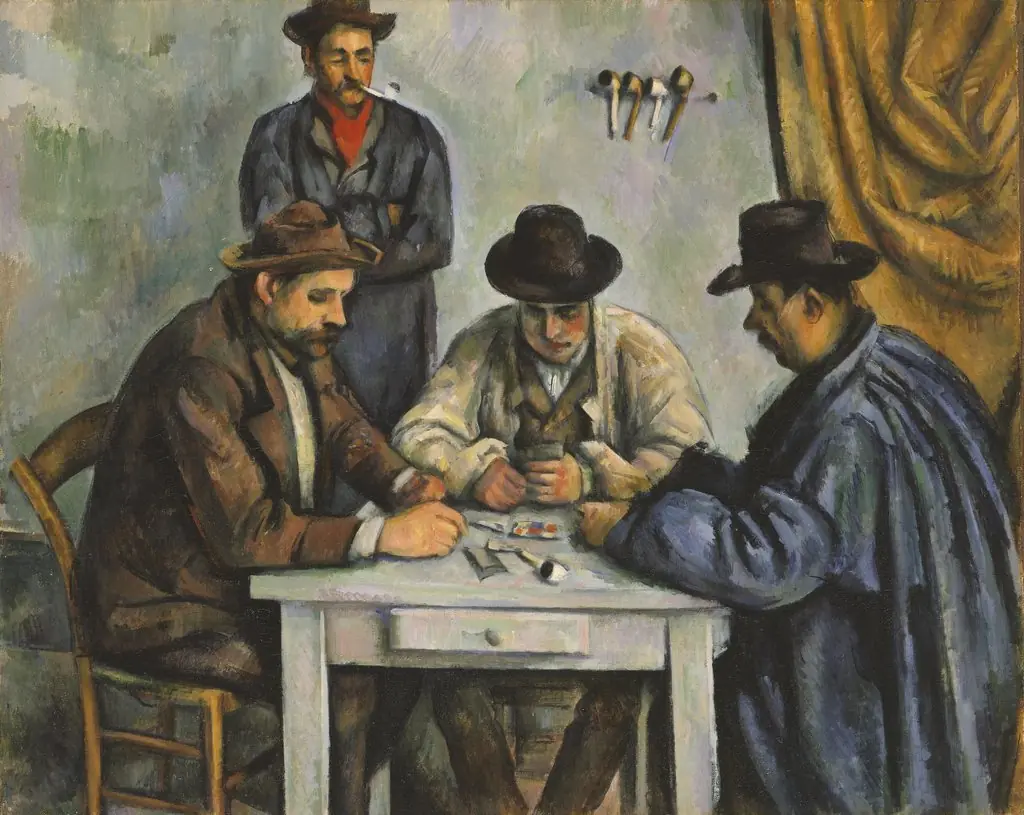 The Card Players
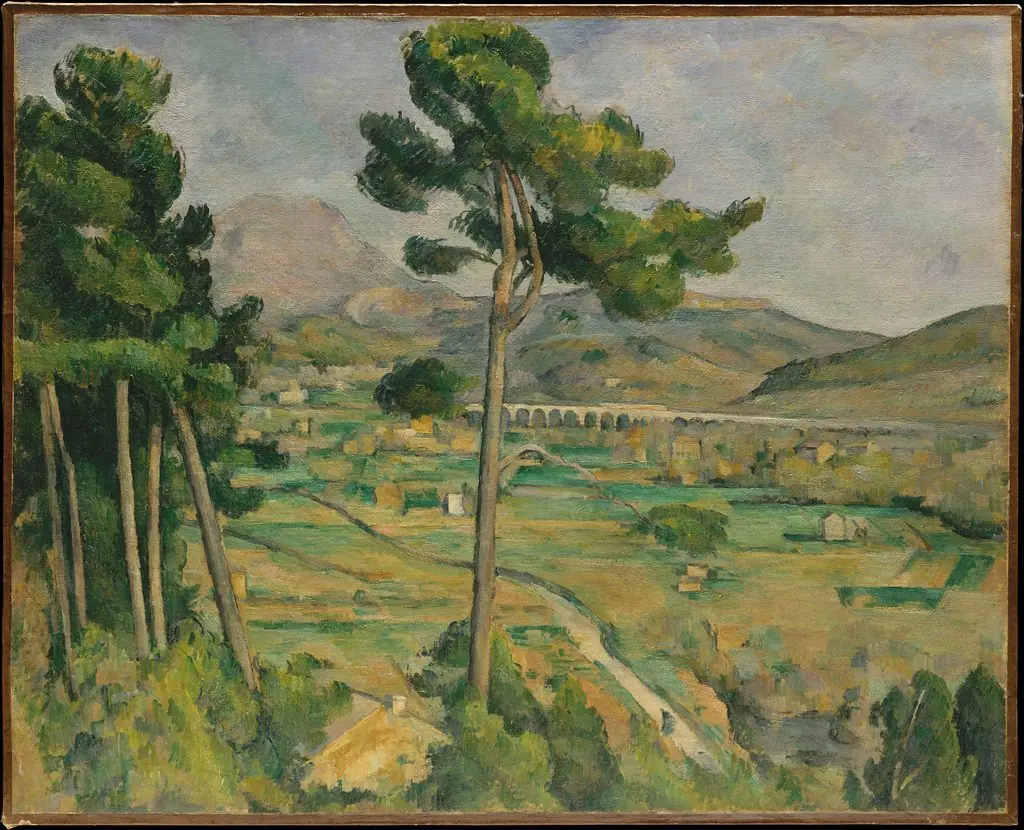 Mont Sainte-Victoire and the Viaduct of the Arc River Valley
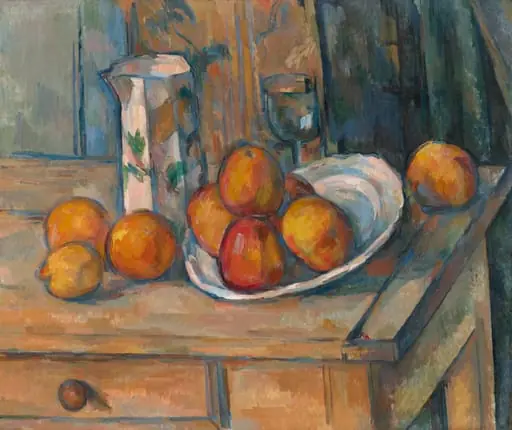 Still Life with Milk Jug and Fruit
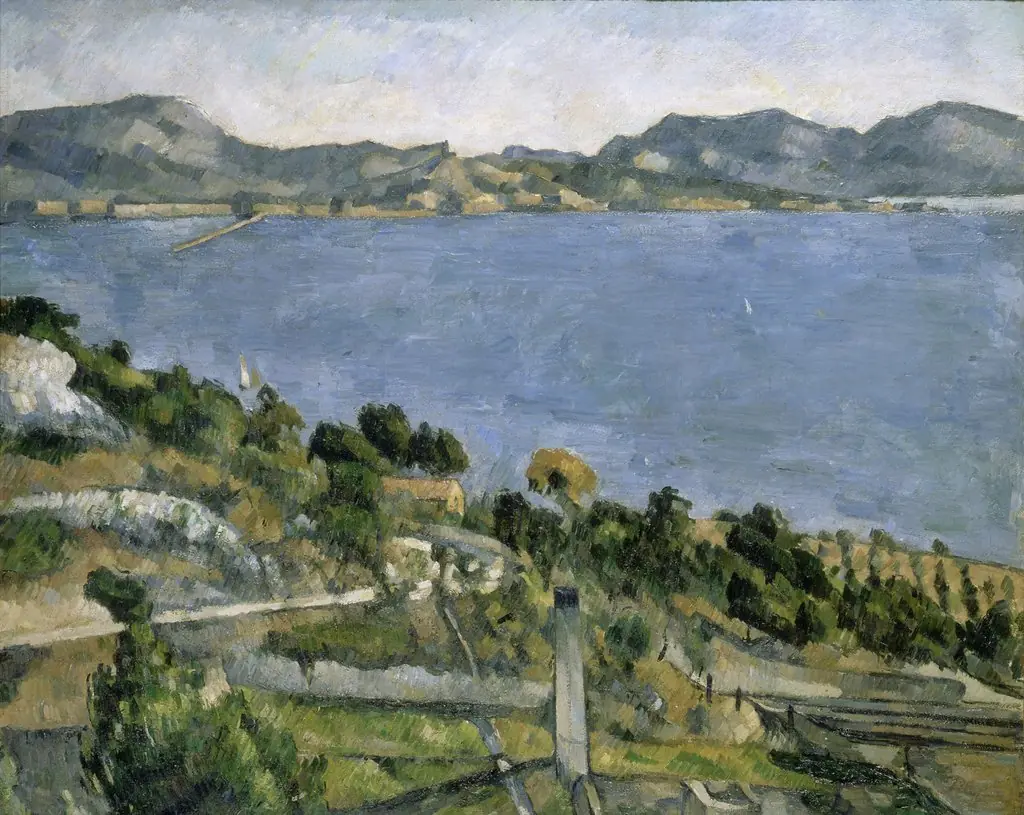 Le Golfe de Marseille vu de l'Estaque (The Gulf of Marseille Seen from L'Estaque)
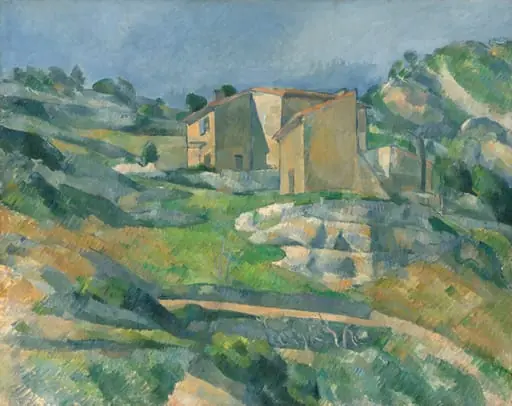 Houses in Provence: The Riaux Valley near L'Estaque
 Louis Guillaume
 Still Life with Jar, Cup, and Apples